10 Facts About El Salvador: Understanding the Land of Volcanoes
El Salvador, officially the Republic of El Salvador, is the smallest and most densely populated country in Central America. Renowned for its dramatic volcanic landscapes, Pacific coastline, and a unique socio-economic trajectory involv...
El Salvador, officially the Republic of El Salvador, is the smallest and most densely populated country in Central America. Renowned for its dramatic volcanic landscapes, Pacific coastline, and a unique socio-economic trajectory involving the adoption of cryptocurrency, the nation offers a complex profile for travelers, investors, and historians alike.
Contents
1. The Smallest Nation in Central America
Despite its significant influence in the region, El Salvador is geographically modest. Covering approximately 21,041 square kilometers, it is often referred to as the "Tom Thumb of the Americas" (Pulgarcito de América). Because it is the only country in Central America that does not have a coastline on the Caribbean Sea, it remains entirely focused on the Pacific Basin. This geographic constraint contributes to its high population density, as the country houses over 6 million people within its relatively compact borders.
2. A Land of Dramatic Volcanism
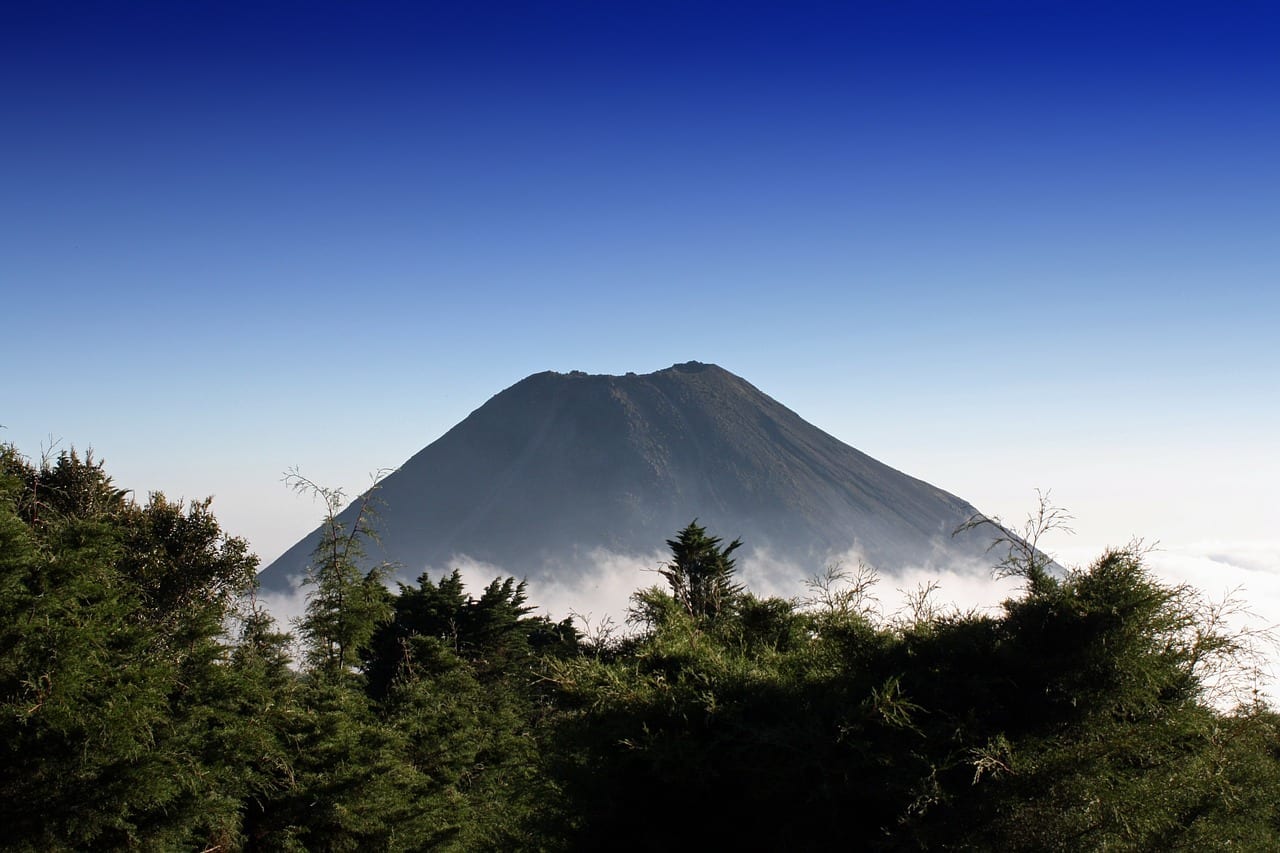
El Salvador sits directly upon the "Ring of Fire," a major area in the basin of the Pacific Ocean where many earthquakes and volcanic eruptions occur. The country is home to over 20 dormant and active volcanoes. This geological activity has defined the nation’s topography and soil fertility. Famous landmarks such as the Santa Ana Volcano (Ilamatepec) and the Izalco Volcano—once nicknamed the "Lighthouse of the Pacific" due to its constant eruptions—serve as both symbols of national identity and magnets for specialized geo-tourism.
3. The World’s First Bitcoin Legal Tender
In September 2021, El Salvador made global headlines by becoming the first country in the world to adopt Bitcoin as legal tender alongside the United States Dollar. The Ley Bitcoin mandates that businesses must accept Bitcoin for goods and services if they have the technological means to do so. The government also launched the "Chivo" wallet to facilitate digital transactions. As of 2026, this policy continues to serve as an ongoing experiment in national financial strategy, drawing significant attention from international economists and the tech sector.
4. Economy and Currency History
Before the shift toward a dual-currency environment, El Salvador used the Colón as its primary currency. However, in 2001, the country officially dollarized its economy, adopting the U.S. Dollar to combat inflation and promote stability. The decision to integrate Bitcoin in 2021 was an additional layer to this existing dollarized structure. Understanding this unique financial architecture is essential for anyone conducting business or evaluating real estate investments in the region today.
5. Archaeological Riches: The "Pompeii of the Americas"
El Salvador holds a treasure trove of pre-Columbian history, most notably at the Joya de Cerén Archaeological Site. This UNESCO World Heritage site is a pre-Hispanic farming village that was buried under layers of volcanic ash during an eruption of the Loma Caldera around 600 AD. Because the ash preserved the structures and even crops, it provides an unparalleled look into the daily lives of the Mayan agriculturalists who inhabited the region long before European contact.
6. Surf Culture and the "Surf City" Initiative
Over the last decade, El Salvador has rebranded itself as a premier destination for world-class surfing. The coastline, particularly the stretch known as the "Libertad Coast," features high-quality right-hand point breaks. Through the government's "Surf City" initiative, the country has invested heavily in infrastructure near beaches like El Tunco and El Sunzal. This project aims to turn the tourism sector into a primary driver of the national economy by attracting professional surf competitions and international tourists.
7. Biodiversity and National Parks
Despite its small size, El Salvador possesses a remarkable range of ecosystems, from cloud forests to tropical mangroves. The El Imposible National Park is the largest national park in the country and represents one of the most critical remnants of dry forest in Central America. It serves as a sanctuary for diverse wildlife, including pumas, margays, and hundreds of species of birds, making it a critical focus for regional conservation efforts and scientific research.
8. Gastronomy: The Pupusa Tradition
The culinary hallmark of El Salvador is undoubtedly the pupusa. These thick, handmade corn tortillas are typically stuffed with a mixture of cheese, chicharrón (ground pork), or refried beans, and served with curtido (a spicy cabbage slaw) and tomato salsa. The pupusa is so integral to the national culture that the government established the second Sunday of November as National Pupusa Day. It remains an affordable and ubiquitous staple found in every corner of the country.
9. A History of Civil Conflict and Resilience
From 1979 to 1992, El Salvador endured a brutal civil war that significantly impacted its demographics and development. The signing of the Chapultepec Peace Accords in 1992 marked the end of the conflict and the beginning of a long process of political reconciliation and reconstruction. Understanding this historical context is vital, as the shadow of the civil war continues to inform modern political discourse and the country's social structures today.
10. Demographic Diaspora and Remittances
A defining fact of contemporary El Salvador is the size of its diaspora. An estimated 2 to 3 million Salvadorans live abroad, primarily in the United States. The money sent home by these expatriates, known as remittances, accounts for a substantial percentage of the country’s GDP. This flow of capital is a foundational element of the domestic economy, supporting family consumption, housing construction, and small-scale entrepreneurship throughout the country.
| Fact Category | Significance | Key Characteristic |
|---|---|---|
| Geography | Physical Borders | Only Central American country without Caribbean access |
| Finance | Monetary Policy | Dual legal tender: USD and Bitcoin |
| History | Archaeological | Joya de Cerén (UNESCO site) |
| Tourism | Economic Driver | Surf City development strategy |
| Culture | Gastronomy | Pupusa as the national dish |
Frequently Asked Questions
Is it safe to visit El Salvador for tourism in 2026? Safety has seen significant improvements due to recent security policies, but travelers should always consult their government’s travel advisories. Always research specific regions before booking, and remain aware of local regulations regarding digital assets and general tourism zones.
Do I need a special visa to enter the country? Visa requirements vary based on your nationality. Generally, citizens of many Western nations can enter for tourism without a visa for up to 90 days. Always check with your local Salvadoran embassy or consulate to verify requirements based on your specific passport and travel intentions.
Can I use Bitcoin everywhere in El Salvador? While Bitcoin is legal tender, its adoption is more concentrated in tourist hubs like El Tunco or major city centers. While many businesses accept it, carrying US Dollars remains a practical necessity, especially when visiting rural areas or traditional markets.
What is the best time of year to visit? The dry season, which runs from November to April, is generally considered the best time for tourism. This period offers clear weather for hiking the volcanic trails and visiting the beaches. The rainy season, while lush and green, can occasionally cause disruptions in transportation.
How does the dollarization impact the cost of travel? Because the economy is dollarized, the U.S. Dollar is the primary medium of exchange. This simplifies budget planning for U.S. travelers, as there is no need to calculate exchange rates or worry about currency devaluation during your stay.
Next Steps for Travelers
If you are planning a visit, start by finalizing your itinerary around two primary hubs: the mountainous route (the "Route of Flowers") for cultural immersion and the coastal route for surfing and leisure. Ensure your digital wallet is set up if you intend to participate in the Bitcoin ecosystem, but maintain a cash reserve in USD for standard daily transactions. Research travel insurance that covers specific activities like volcano hiking to ensure you are adequately protected during your journey.
Image Gallery