What Changed After the Austin Target Shooting: Safety, Policy, and Public Response
The response to the 2021 North Austin Target shooting and the concurrent wave of violence on Sixth Street resulted in significant shifts in Texas retail security protocols, the implementation of the "Safer 6th Street" initiative, and a...
The response to the 2021 North Austin Target shooting and the concurrent wave of violence on Sixth Street resulted in significant shifts in Texas retail security protocols, the implementation of the "Safer 6th Street" initiative, and a heightened legislative conflict between Austin’s local ordinances and state-level permitless carry laws.
Contents
The series of violent incidents in Austin during the early 2020s, most notably the fatal shooting inside a North Austin Target in June 2021 and the mass shooting on Sixth Street that same month, served as a catalyst for a transformation in how the city approaches public safety. As of 2026, the ripple effects of these events are visible in everything from corporate de-escalation training to the sophisticated surveillance grids now blanketing the city’s entertainment districts. To understand what changed, one must look at the intersection of retail corporate policy, municipal law enforcement strategies, and the evolving Texas legal landscape regarding firearm possession.
Immediate Shifts in Retail Security Protocols
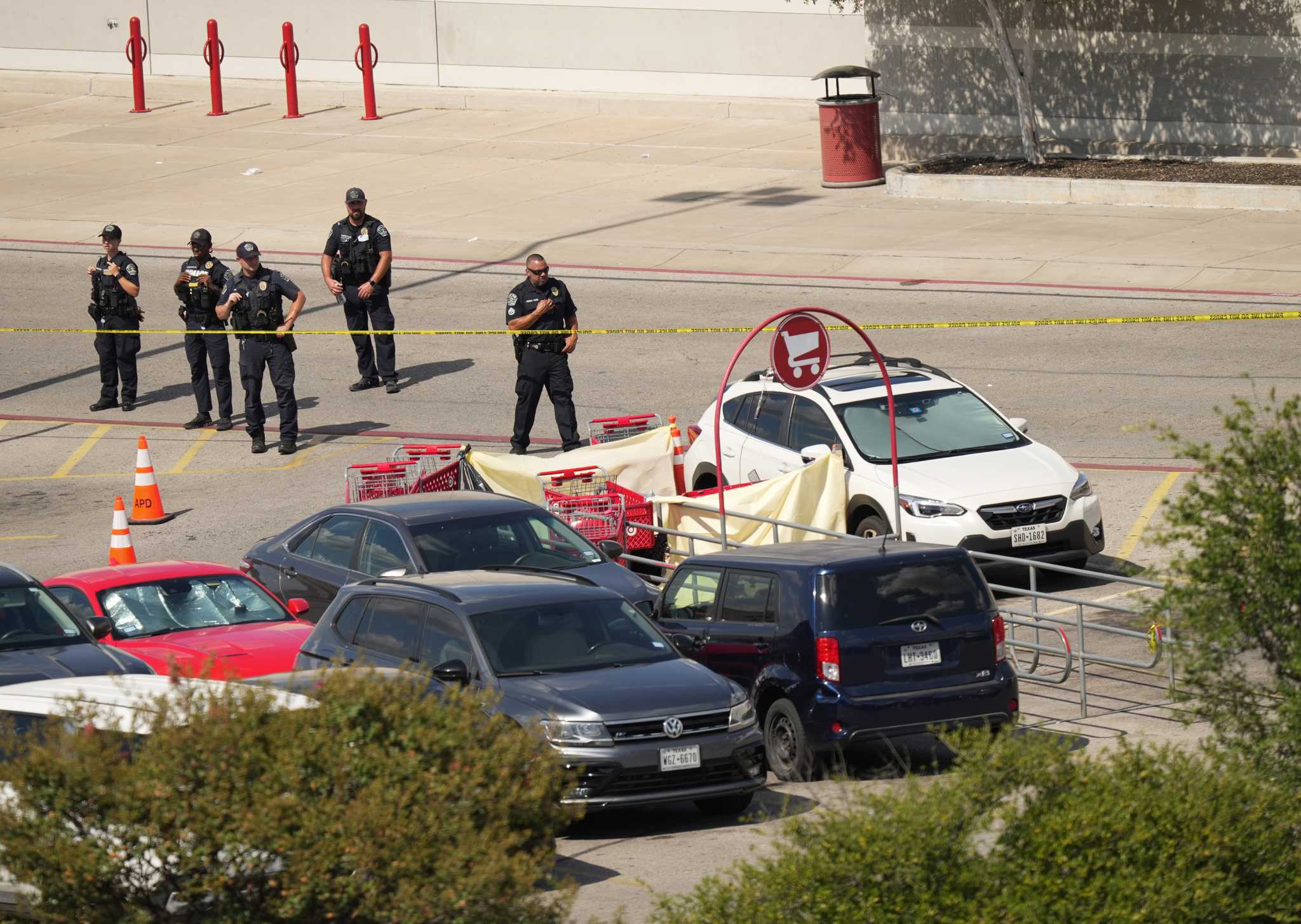
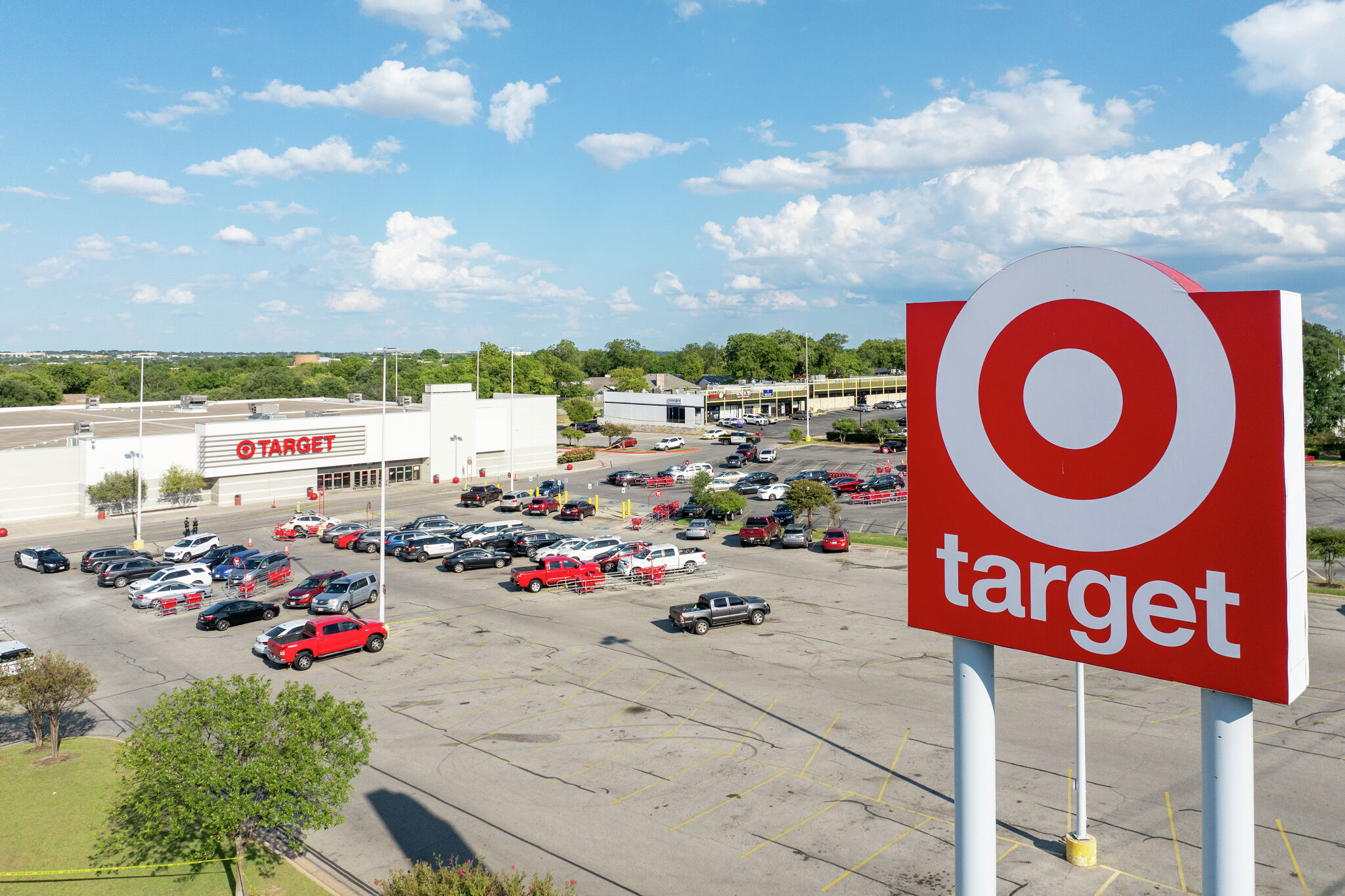
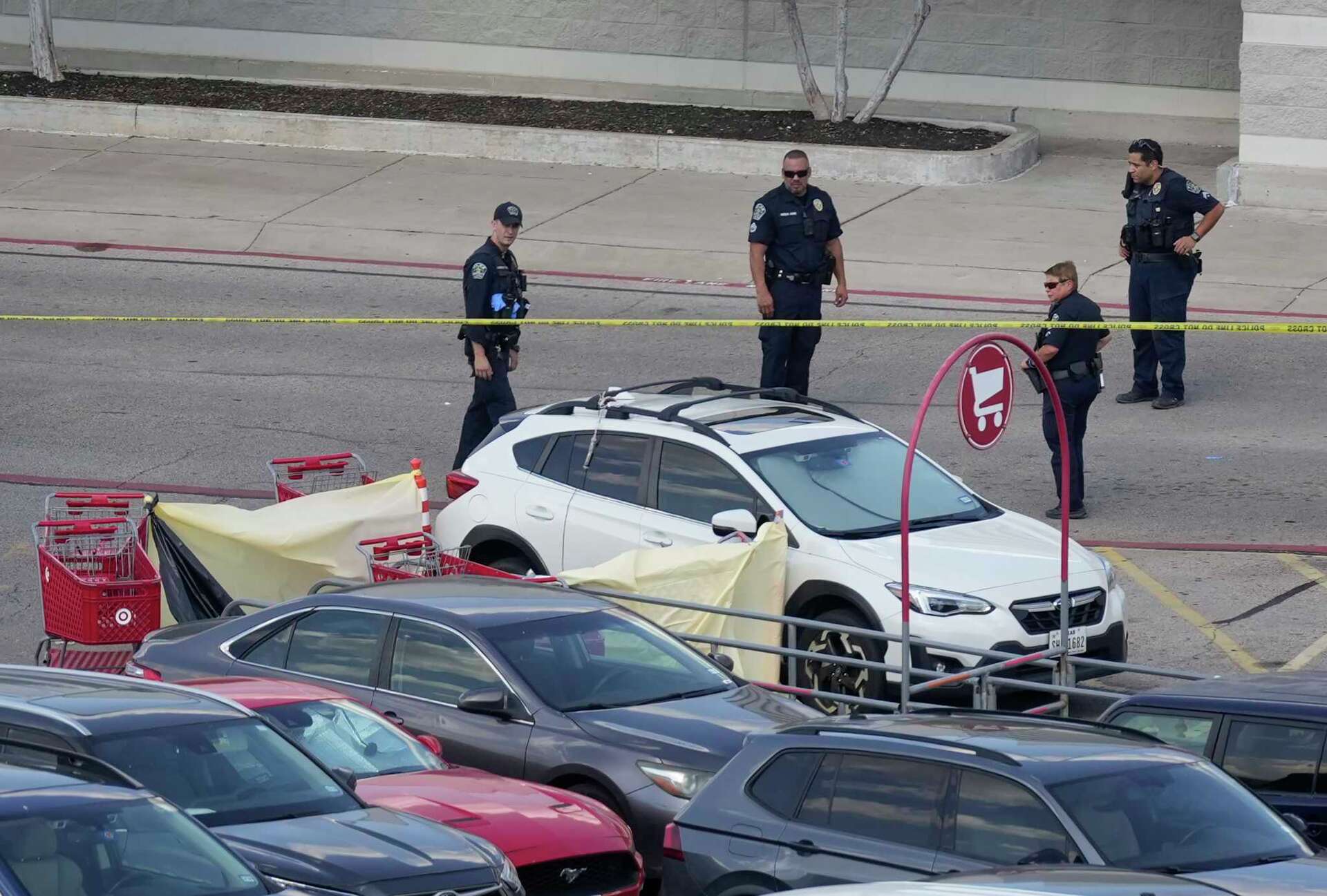
Following the fatal shooting at the Target location on Ohlen Road in North Austin, the retail giant and its competitors across the Central Texas region overhauled their internal security frameworks. The incident, which involved a targeted attack inside the store, highlighted vulnerabilities in large-format retail environments where high foot traffic makes screening difficult.
Enhanced De-escalation and Active Shooter Training
By 2022, Target and several other "big box" retailers implemented mandatory de-escalation training for all floor staff, not just security personnel. The goal was to empower employees to identify behavioral "red flags" before an incident escalated to violence. In Austin-area stores, this included specific modules on handling "open carry" disputes, which became more frequent following changes in Texas state law.
Physical Security Upgrades
Many Austin retail locations transitioned to a "hardened" storefront model. This included:
- High-Definition Surveillance Integration: Upgrading to AI-assisted cameras that can detect the drawing of a weapon and immediately alert local law enforcement (APD).
- Third-Party Armed Security: A notable increase in the presence of uniformed, armed private security guards during peak shopping hours, a move that was previously less common in suburban Austin Target locations.
- Communication Hubs: Real-time links between store security and the Austin Police Department’s Real Time Crime Center (RTCC).
The "Safer 6th Street" Initiative
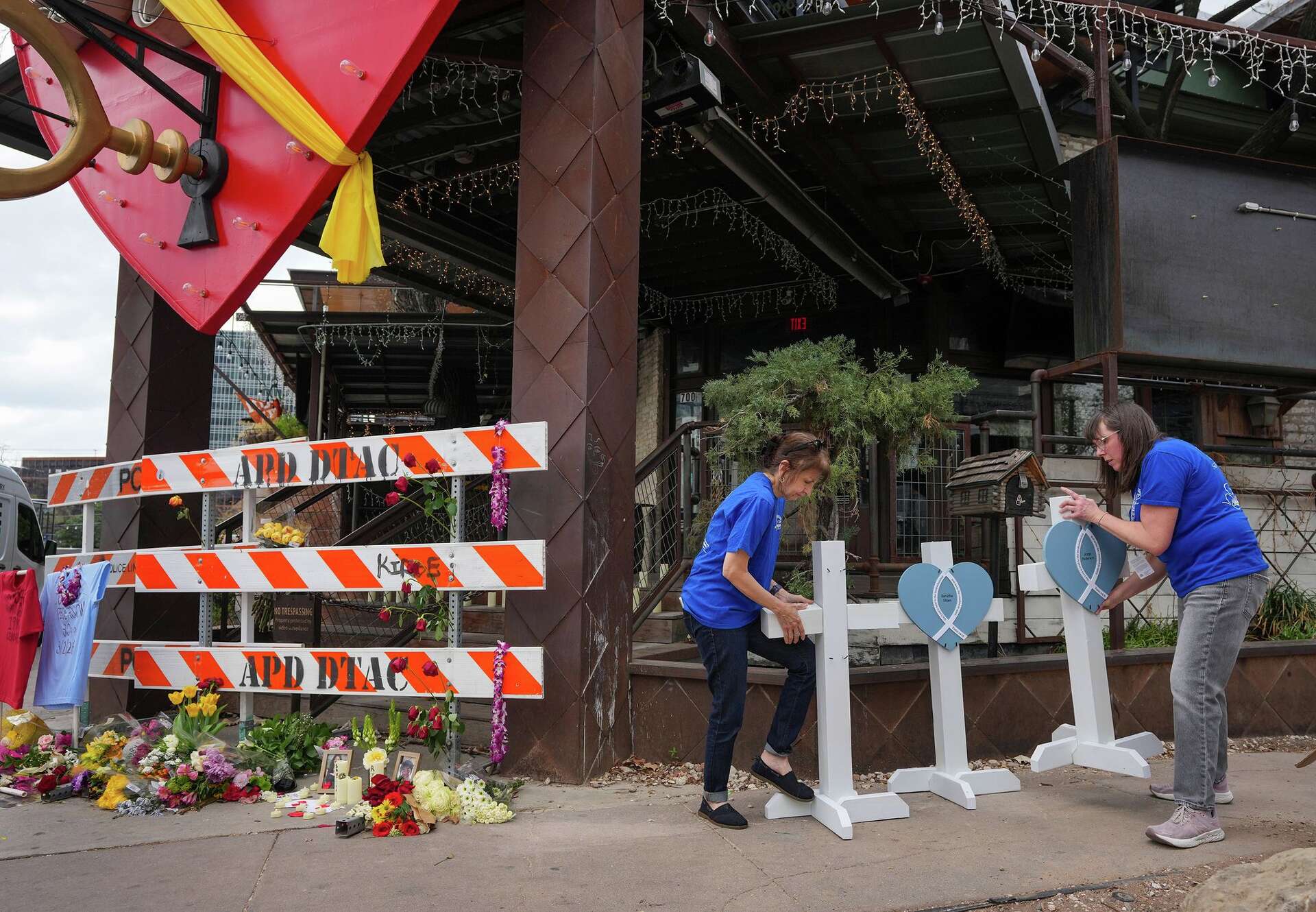
While the Target shooting raised alarms in the retail sector, the June 2021 Sixth Street mass shooting—which occurred just days apart—forced the Austin City Council to act on a municipal level. The resulting "Safer 6th Street" plan represented a fundamental change in how the city manages its most famous district.
Lighting and Visibility
One of the most immediate physical changes was the installation of high-intensity LED lighting throughout the downtown corridor. Crime analysts suggested that the dim lighting of historical Sixth Street contributed to anonymity for offenders. The new lighting infrastructure, fully completed by 2023, is designed to eliminate "blind spots" for both police patrols and surveillance cameras.
The Expansion of the HALO Camera System
The High Activity Location Observation (HALO) camera program saw a massive influx of funding. These cameras are no longer just passive recording devices; as of 2026, they utilize advanced software to monitor crowd density and detect acoustic signatures of gunfire, allowing APD to dispatch units to the precise coordinates of an incident within seconds.
Gun Interdiction and "No-Gun" Zones
The city attempted to create "gun-free zones" in the entertainment district, but these efforts faced significant legal challenges from the state. Consequently, the change shifted toward "interdiction" teams—specialized units trained to spot illegal weapon carry under the guise of permitless carry, focusing on underage individuals or those intoxicated, who are legally prohibited from carrying.
Legislative Conflict: Local vs. State Control
The Austin shootings occurred at a pivotal moment in Texas legislative history. In September 2021, shortly after these incidents, Texas Senate Bill 1927 (Permitless Carry) went into effect. This created a paradoxical environment in Austin: while the city sought to tighten restrictions in response to violence, the state was significantly loosening them.
| Policy Area | Pre-2021 Status | 2026 Current Status | Impact of Change |
|---|---|---|---|
| Firearm Carry | License to Carry (LTC) required for most. | Permitless Carry (21+) for legal gun owners. | Increased volume of firearms in public spaces. |
| Retail Policy | Discretionary "No Firearms" signs. | Enhanced 30.05/30.06/30.07 signage enforcement. | Clearer legal boundaries for private property. |
| Police Funding | Budget cuts/reallocation (2020). | Restored funding and "Step Up" recruitment. | Increased officer presence in high-risk zones. |
| Surveillance | Limited HALO camera coverage. | City-wide RTCC integration with AI. | Faster response times and higher evidence quality. |
The tension between Austin’s local government and the Texas Legislature has led to a "check and balance" system where the city uses zoning and licensing—rather than direct gun bans—to influence safety. For example, some businesses have used Texas Alcoholic Beverage Commission (TABC) "51% signs" (which prohibit firearms in establishments that derive 51% or more of their income from alcohol) more aggressively as a safety tool.
Changes in Law Enforcement Response (APD)
The Austin Police Department (APD) underwent a structural shift in how it handles "active shooter" or "mass casualty" events. The North Austin Target incident and the Sixth Street shooting revealed gaps in rapid-response coordination during periods of staffing shortages.
The Real Time Crime Center (RTCC)
The RTCC became the brain of Austin’s safety strategy. It now integrates feeds from public cameras, private retail partners (including Target’s internal systems), and traffic sensors. When a 911 call reporting a shooting is received, the RTCC can "patch in" to the nearest cameras to provide responding officers with a live description of the suspect before they even arrive on the scene.
Tactical Dispatching
Changes were made to the dispatching hierarchy. High-priority calls in crowded areas (like malls or the downtown grid) now trigger an automatic multi-unit response, bypassing the traditional single-unit "check-and-verify" step. This is intended to stop a shooter within the "platinum ten minutes"—the critical window where most casualties occur.
Corporate Liability and Victim Advocacy
In the years following the Target shooting, there has been a marked increase in litigation and advocacy focused on "premises liability." This has changed the way corporations think about their duty of care to shoppers.
- Legal Precedents: Lawsuits following retail shootings in Texas have pushed companies to prove they had "adequate security" based on the crime rates of the surrounding ZIP code.
- Victim Support Funds: The City of Austin established more robust victim services through the Office of Violence Prevention, providing immediate mental health and financial support to survivors of public shootings, a program that was vastly expanded after 2021.
- Public Awareness Campaigns: Organizations like "Texas Gun Sense" and other local advocacy groups have gained more traction in Austin, influencing local businesses to voluntarily adopt "no-carry" policies on their private property.
Impact on Community Psychology and Urban Planning
The "feeling" of Austin has changed. In 2026, the presence of security is more overt. While Austin remains a top destination for tourism and tech, the "Target shooting" and the Sixth Street violence ended an era of perceived immunity from the mass violence trends seen in other major U.S. cities.
Urban planners now incorporate "Crime Prevention Through Environmental Design" (CPTED) into new developments. This means new shopping centers and public plazas in Austin are designed with multiple exit points, clear lines of sight, and bollards to prevent vehicular attacks, all inspired by the vulnerabilities exposed in 2021.
Frequently Asked Questions
Did Target change its gun policy after the North Austin shooting?
Target has maintained its 2014 policy of "respectfully requesting" that guests not bring firearms into stores, except for authorized law enforcement. However, after the 2021 shooting, they increased the visibility of legal signage (specifically Texas Penal Code sections 30.06 and 30.07) to provide a firmer legal basis for asking armed individuals to leave.
Was anyone held accountable for the 2021 North Austin Target shooting?
Yes. The suspect in the June 2021 shooting at the Ohlen Road Target was apprehended and faced capital murder charges. The legal proceedings highlighted the importance of store surveillance footage in securing a conviction, which prompted other retailers to upgrade their video quality.
How has the "Safer 6th Street" initiative affected local businesses?
The initiative has been a double-edged sword. While many business owners welcome the increased lighting and police presence, some have struggled with the costs of mandated security upgrades and the impact of frequent street closures used as a crowd-control measure.
Is permitless carry allowed in all Austin stores now?
Under Texas law, private businesses like Target or H-E-B still have the right to prohibit firearms on their premises by posting the correct legal signs. While the state allows permitless carry in public spaces, it does not override the property rights of private business owners.
What is the Austin Office of Violence Prevention?
Created shortly before the 2021 spike in violence, this office focuses on "upstream" solutions, such as community intervention and addressing the root causes of gun violence. After the Austin shootings, its budget was increased to include more comprehensive support for trauma victims.
Practical Recommendation for Residents and Visitors
In the current 2026 environment, safety in Austin is a combination of high-tech municipal surveillance and individual awareness. When visiting high-traffic retail areas or the downtown entertainment district, it is advisable to be aware of the "30.06" and "30.07" signage, which dictates firearm rules for that specific location. Furthermore, residents should familiarize themselves with the "Safe Place" program—a partnership between APD and local businesses (including some Target locations) where individuals can seek immediate shelter and assistance if they feel threatened in public.
Image Gallery