Navigating the Realities of the Wolf Sanctuary in NM
New Mexico is home to dedicated rescue and conservation facilities that provide lifelong sanctuary for captive-born wolves, wolf-dogs, and other wild canids. Visitors seeking to understand these apex predators must look past romanticiz...
New Mexico is home to dedicated rescue and conservation facilities that provide lifelong sanctuary for captive-born wolves, wolf-dogs, and other wild canids. Visitors seeking to understand these apex predators must look past romanticized myths and engage directly with the strict safety protocols, educational missions, and operational realities governing these specialized organizations.
Contents
Understanding the Landscape of Wolf Conservation and Rescue in New Mexico
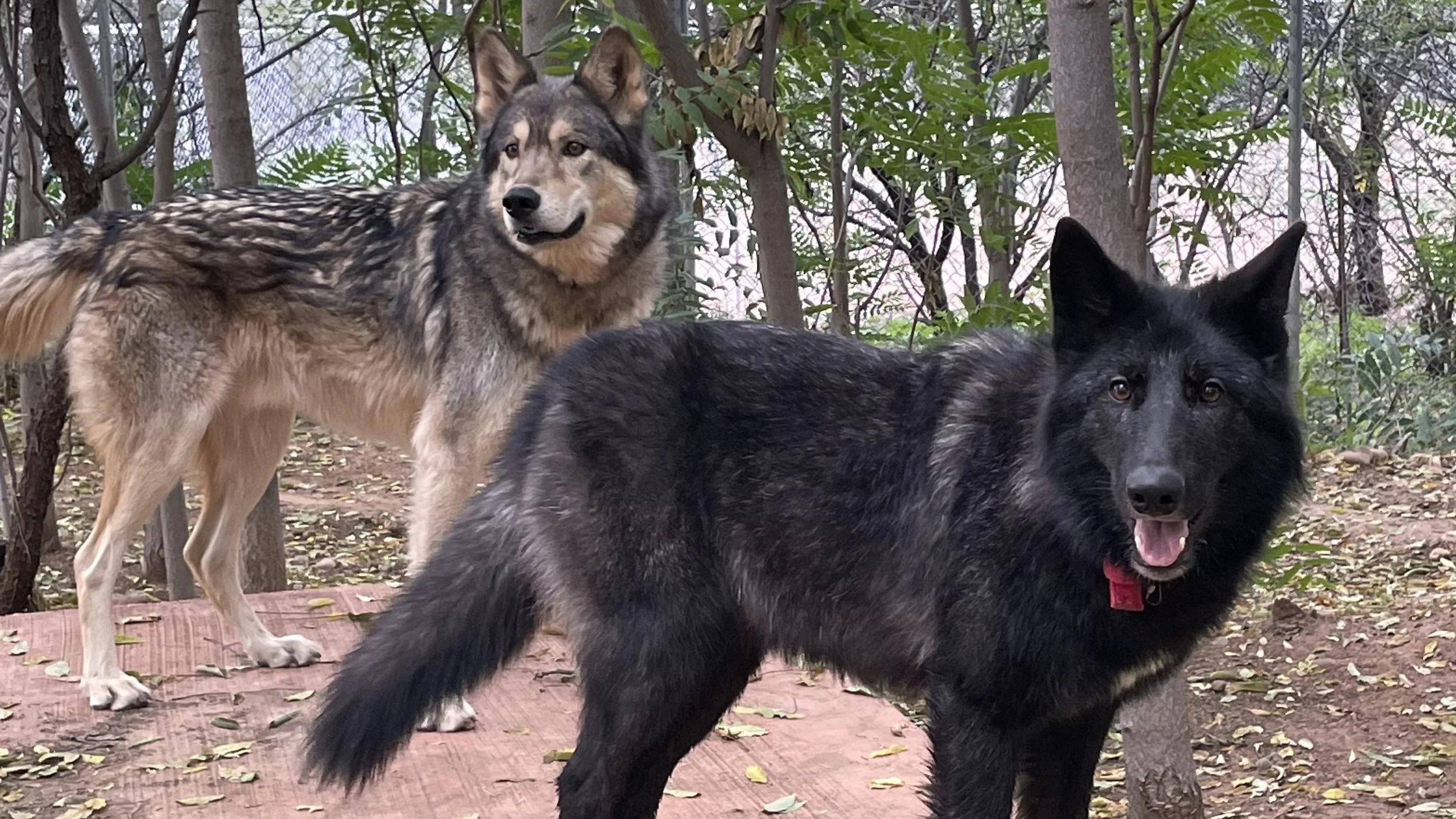
The presence of canid rescue and educational facilities in New Mexico reflects a complex intersection of wildlife management, animal welfare advocacy, and public safety. Unlike standard animal shelters that rehome domestic dogs, a true wolf sanctuary operates under rigorous state and federal guidelines to house non-domestic canids. These animals—often resulting from the illegal exotic pet trade or improper breeding—cannot be integrated back into the wild, nor can they be managed as traditional household pets.
Facilities operating within the state typically focus on captive-born pure wolves, low-to-high content wolf-dogs, and occasionally related species such as foxes or coyotes. Because private ownership of wild canids is heavily regulated or outright prohibited across many jurisdictions in New Mexico, these sanctuaries serve as a critical safety net. They absorb animals confiscated by law enforcement or surrendered by owners who underestimated the profound behavioral complexities and spatial requirements of these animals.
For prospective visitors, researchers, and animal advocates, understanding what these sanctuaries do requires recognizing their limitations. They are not petting zoos or commercial roadside attractions. They are highly secure, specialized habitats designed to prioritize the psychological and physical well-being of traumatized or displaced wildlife while educating the public on the ecological necessity of wild wolf populations.
Key Operational Distinctions: Sanctuaries Versus Zoos and Refuges
When exploring options to observe or support canid facilities in New Mexico, it is vital to distinguish between a true sanctuary, a zoological park, and a federal recovery project. Each entity serves a fundamentally different purpose, operates under distinct legal frameworks, and offers varying levels of public access.
True Sanctuaries Versus Commercial Exhibitors
A accredited or reputable sanctuary operates on a non-profit model where the welfare of the animal is the absolute priority. Breeding is strictly prohibited, commercial exploitation is avoided, and physical contact between the public and the animals is virtually non-existent. In contrast, commercial exhibitors or roadside operations may breed animals for photo opportunities or public handling, practices that welfare organizations argue compromise animal safety and contribute to the overpopulation crisis of captive exotics.
Captive Rescue Versus Wild Recovery Programs
It is also essential to separate captive rescue facilities from wild wolf recovery initiatives, such as the Mexican Wolf Reintroduction Project managed by the U.S. Fish and Wildlife Service in the Apache National Forest and Gila National Forest.
- Captive Sanctuaries: House animals born and raised in human care. These individuals lack the survival instincts required for the wild and cannot contribute directly to wild population restoration due to their habituation to humans.
- Field Recovery Programs: Focus on releasing wild or specially conditioned Mexican gray wolves (Canis lupus baileyi) into designated public lands to re-establish breeding packs and restore ecosystem balance. Sanctuaries rarely house these wild-born recovery animals unless they are permanently injured and non-releasable.
| Facility Type | Primary Mission | Public Interaction Level | Breeding Status |
|---|---|---|---|
| Reputable Sanctuary | Lifelong care, rescue, and public education | Observation-only through secure barriers | Strictly prohibited |
| Zoological Park | Public exhibition, species preservation, and research | Controlled viewing; occasional educational programs | Managed species survival plans |
| Wild Recovery Area | Ecosystem restoration and population reintroduction | None; strict human-wildlife separation | Encouraged in the wild |
Visitor Guidelines, Access Restrictions, and Safety Protocols
Visiting a wolf sanctuary in New Mexico requires adherence to strict protocols designed to protect both humans and animals. Because wolves and high-content wolf-dogs retain strong predatory instincts and high sensitivity to stress, operational rules are non-negotiable.
Advance Scheduling and Guided Access
Spontaneous drop-ins are almost universally prohibited at legitimate sanctuaries. Facilities operate on scheduled tours, private appointments, or specific educational event days. This controlled access minimizes unpredictable foot traffic, which can severely stress captive wild animals. Tours are strictly guided by experienced staff or trained volunteers who understand animal body language and can intervene if a resident displays signs of agitation.
Essential Visitor Rules and Prohibitions
To ensure safety and maintain a calm environment for the animals, visitors must comply with standard behavioral codes:
- No Outside Food or Pet Treats: Feeding sanctuary residents is restricted to specialized diets prepared by animal care staff. Unauthorized food can cause severe digestive distress or trigger aggressive resource-guarding behaviors.
- Strict Noise and Movement Controls: Running, shouting, sudden movements, and loud electronic devices are prohibited. High-energy behavior can provoke a predatory response or cause extreme anxiety in shy animals.
- Prohibited Items: Pets, bicycles, skateboards, and balloons are banned from the grounds. Domestic dogs, in particular, can trigger intense territorial aggression from captive wolves.
- Physical Barriers: Visitors must remain behind double-fencing or designated viewing lines at all times. Reaching into enclosures is a severe safety violation that results in immediate removal from the property.
Supporting Conservation and Sanctuary Operations
Operating a facility dedicated to the long-term care of apex predators requires substantial financial and logistical resources. High-grade chain-link fencing, specialized reinforced enclosures, veterinary care tailored to exotic canids, and hundreds of pounds of raw meat weekly create immense operational overhead.
Direct Support Mechanisms
Individuals wishing to contribute to the sustainability of New Mexico rescue organizations can engage through several established channels:
- Sponsorship Programs: Donors can symbolically adopt a specific wolf or wolf-dog, covering a portion of their daily food and medical expenses.
- Material Donations: Many facilities maintain wish lists for durable enrichment items, specialized medical tools, cleaning supplies, and maintenance hardware.
- Volunteer Opportunities: While direct physical contact with the animals is generally restricted to professional caretakers, volunteers assist with facility maintenance, educational outreach, administrative tasks, and fundraising events.
Frequently Asked Questions
Can I pet or take a photo with a wolf at a New Mexico sanctuary?
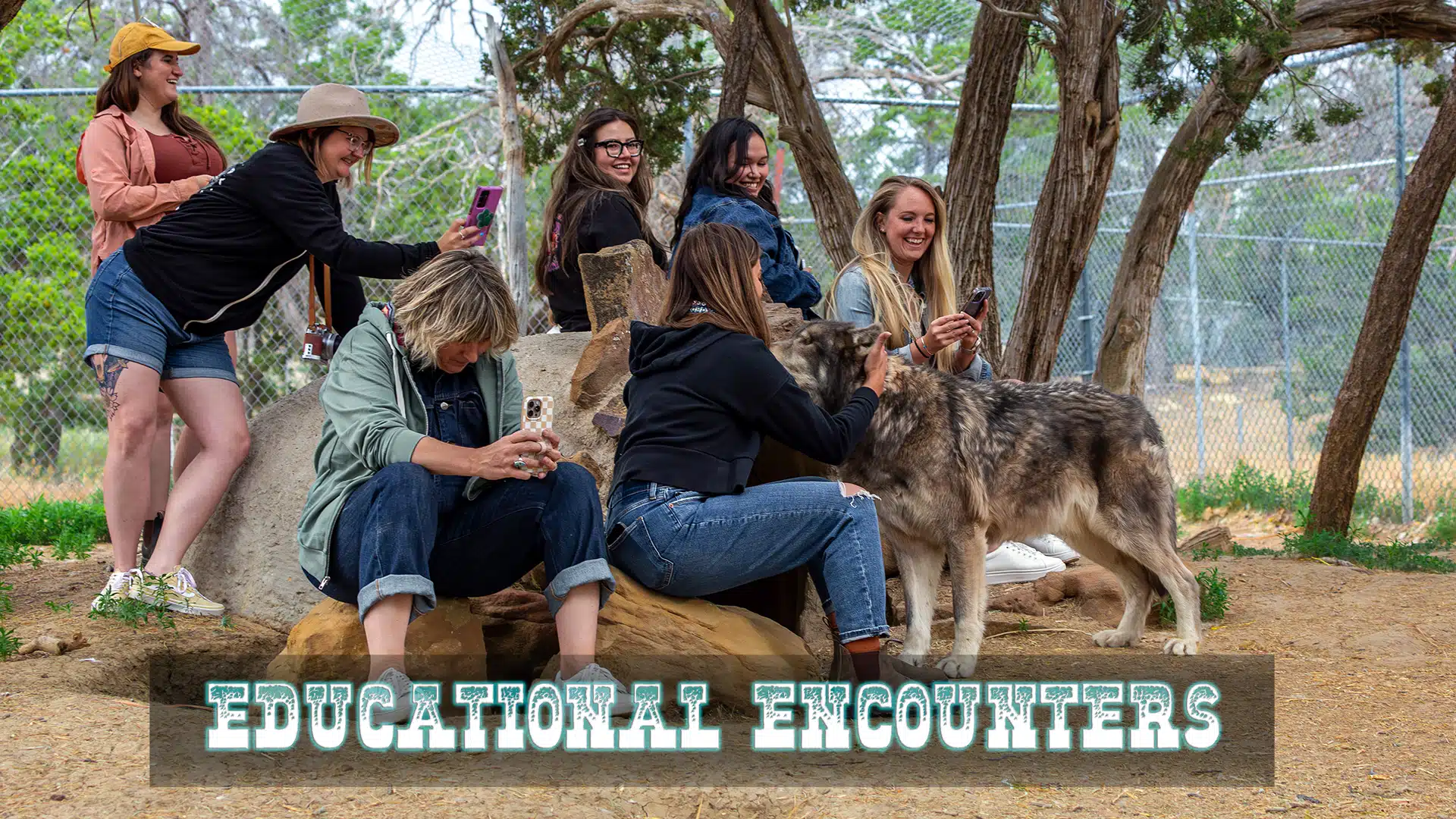
No. Reputable sanctuaries prohibit public contact with captive wolves and wolf-dogs. Allowing public handling is considered unsafe for humans and stressful for the animals. Educational visits focus on observation from a safe distance behind secure perimeter fencing.
Are wolf-dogs legal to own as pets in New Mexico?
Legality varies significantly by municipality and county within New Mexico. While some areas permit ownership with specific containment permits, many local jurisdictions ban them entirely due to public safety risks and the complex behavioral challenges associated with hybrid animals.
What is the difference between a pure wolf and a wolf-dog hybrid?
A pure wolf possesses 100% canine genetic lineage native to recognized wolf subspecies. A wolf-dog hybrid is the result of breeding a wolf with a domestic dog. Hybrids often exhibit unpredictable behavioral traits, combining the wariness of a wild predator with the lack of fear toward humans found in domestic dogs, making them exceptionally difficult to manage in residential settings.
How do sanctuaries acquire their animals?
Sanctuaries typically take in animals surrendered by private owners who could no longer manage their care, or those confiscated by animal control and law enforcement agencies following violations of exotic animal ownership laws.
Can sanctuary wolves ever be released into the wild?
No. Captive-born wolves and wolf-dogs lack the necessary survival skills, social pack structures developed in the wild, and natural fear of humans required to survive independently. Releasing them would present significant ecological and public safety risks.
Next Actions for Prospective Visitors and Supporters
Those interested in experiencing or supporting wolf conservation efforts in New Mexico should begin by researching specific regional facilities to verify current visitor policies, tour schedules, and educational offerings. Prioritize organizations that maintain transparency regarding their animal care standards, hold recognized non-profit status, and focus on rescue and education rather than commercial exhibition. By respecting operational boundaries and supporting ethical infrastructure, visitors contribute directly to the welfare of displaced canids and the broader understanding of wild predator ecology.
Image Gallery