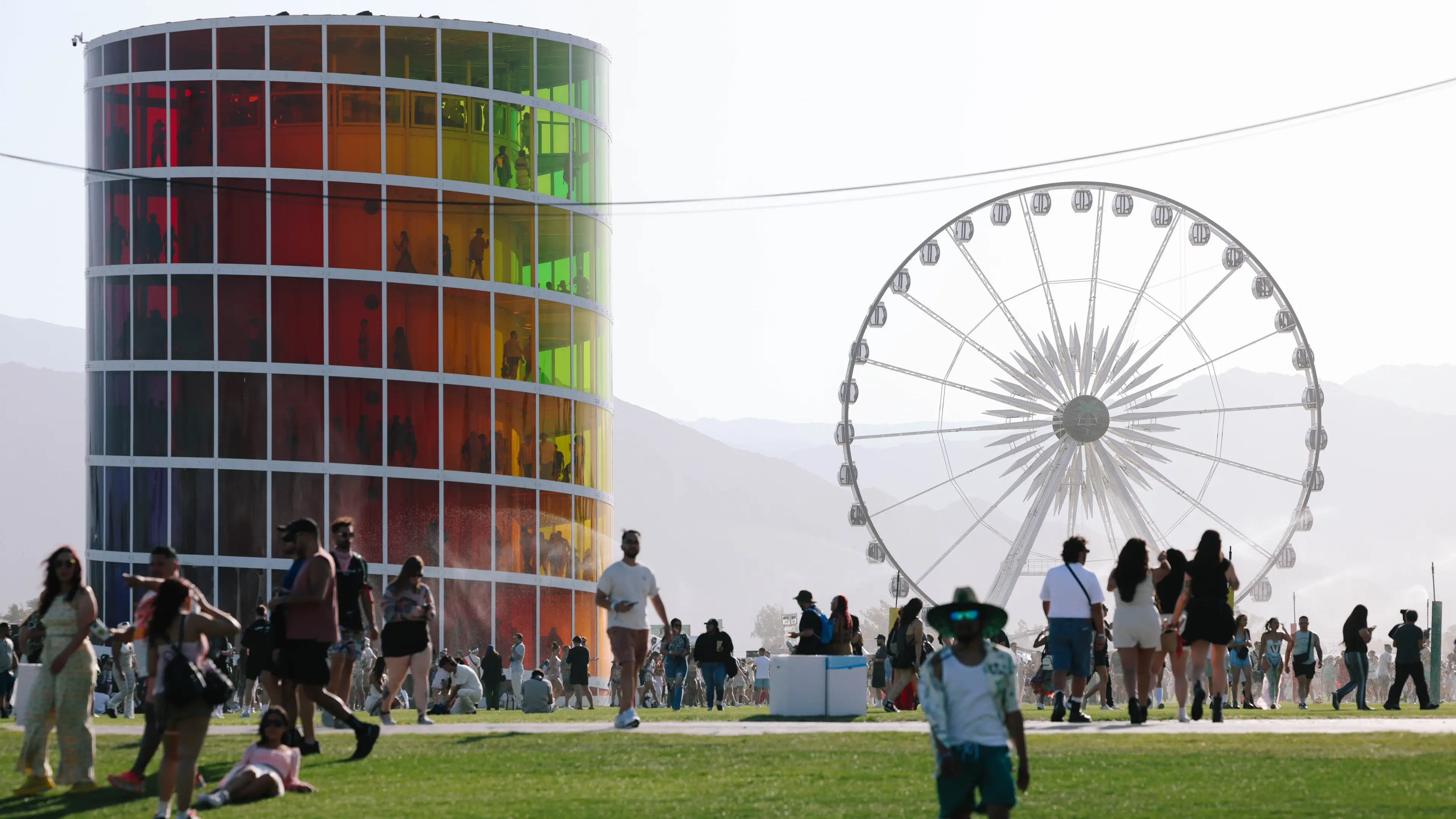
Understanding the Coachella Attendees Count: Capacity, Demographics, and Economic Impact
The Coachella Valley Music and Arts Festival attracts approximately 125,000 attendees per day across its two-weekend run, resulting in a total attendance of roughly 250,000 unique ticket holders or up to 500,000 aggregate visits over s...
The Coachella Valley Music and Arts Festival attracts approximately 125,000 attendees per day across its two-weekend run, resulting in a total attendance of roughly 250,000 unique ticket holders or up to 500,000 aggregate visits over six days. This massive influx makes it one of the largest and most lucrative music festivals in the United States.
Contents
Introduction to Coachella’s Scale and Capacity
Analyzing the scale of the Coachella Valley Music and Arts Festival requires examining how crowd sizes have evolved since its inception. Held annually at the Empire Polo Club in Indio, California, the event has transformed from a modest two-day alternative rock gathering in 1999 into a global cultural phenomenon. Managing the sheer volume of visitors involves strict regulatory limits, careful local government coordination, and sophisticated crowd-flow architecture.
Understanding the true visitor count requires looking beyond simple ticket sales. Promoters, security personnel, media members, VIP guests, and local residents all contribute to the daily population on the festival grounds. To fully comprehend how the festival operates at this scale, one must examine permit limits, attendance breakdown by weekend, and the logistical challenges of hosting a half-million aggregate visits in the desert.
Historical Evolution of Coachella Crowd Sizes
When Goldenvoice launched Coachella in October 1999, the event struggled with attendance, drawing an estimated 25,000 people on day one and roughly 10,000 on day two, resulting in substantial financial losses. The festival did not take place in 2000, returned in 2001 as a single-day event, and slowly rebuilt its reputation over the next several years.
By 2007, the festival expanded to a two-day event and began selling out consistently, prompting organizers to stretch the schedule to three days in 2009. The turning point for modern attendance figures occurred in 2012, when Goldenvoice expanded the format into a two-weekend event featuring identical lineups. This dual-weekend strategy effectively doubled the festival's capacity and revenue potential overnight.
| Year Range | Format | Daily Capacity (Approximate) | Total Aggregate Attendance (Per Event) |
|---|---|---|---|
| 1999–2006 | Single Weekend (1-3 Days) | 25,000 – 55,000 | 30,000 – 110,000 |
| 2007–2011 | 3-Day Single Weekend | 75,000 – 90,000 | 225,000 – 250,000 |
| 2012–2016 | 3-Day Dual Weekend | 99,000 | 594,000 (Peak permit era) |
| 2017–Present | 3-Day Dual Weekend | 125,000 | 500,000 – 750,000 (Permit adjusted) |
City Permits and Official Capacity Limits
The physical capacity of the Empire Polo Club is not determined solely by promoter ambition. It is tightly regulated by the Indio City Council through multi-year agreements and conditional use permits.
For many years, Goldenvoice operated under an agreement that capped daily attendance at 99,000 people. However, in 2013, the Indio City Council approved an increase allowing up to 125,000 daily attendees. This higher cap was officially codified in a 2017 agreement that allows the festival to scale its daily capacity up to 125,000 through 2030, provided that traffic, safety, and sanitation benchmarks are met.
The 125,000 daily cap includes:
- General admission and VIP ticket holders.
- Working staff, medical personnel, and security teams.
- Performing artists, their entourages, and media representatives.
- On-site campers residing in designated tent and RV camping areas.
Breakdown of Unique Visitors vs. Aggregate Visits
When evaluating festival statistics, reports often conflate unique attendees with aggregate ticket scans. Because Coachella spans two identical weekends, many industry analysts and media outlets calculate total attendance by multiplying daily caps across all six days.
Unique Ticket Holders
A single individual who attends both Friday, Saturday, and Sunday of Weekend 1 counts as one unique attendee for that weekend. If a superfan attends both weekends, they represent two distinct ticket purchases, but logistically occupy space during separate operational cycles. It is estimated that roughly 125,000 unique people purchase passes for a single weekend, though a small percentage of VIPs, industry insiders, and artists hold passes for both weekends.
Aggregate Foot Traffic
Aggregate attendance measures the total number of entries across the entire event lifecycle. With a daily cap of 125,000 people across six operating days (three days per weekend across two weekends), the maximum theoretical aggregate attendance reaches 750,000 visits. In practice, actual daily scans often hover slightly below the strict regulatory maximum due to unredeemed tickets, late arrivals, and single-day fluctuations.
Demographics and Audience Composition
The massive crowd drawn to the Coachella Valley is remarkably diverse in geographic origin, though it skews toward specific generational and socioeconomic brackets.
Age and Socioeconomic Profile
The primary demographic consists of young adults aged 21 to 35, representing Millennials and Generation Z. However, the festival has steadily attracted older cohorts, including Gen X and Baby Boomers, particularly within the VIP and Safari camping sections. The high cost of passes, travel, and lodging establishes a baseline barrier to entry, meaning a significant percentage of the audience belongs to middle-to-high-income brackets.
Geographic Reach
While a large portion of attendees travel from Southern California—particularly the Los Angeles, San Diego, and Coachella Valley regions—Coachella functions as an international travel destination. Visitors fly in from across the United States, Europe, Latin America, Asia, and Australia. International travelers often combine the festival weekend with broader tourism itineraries across California and the American Southwest.
Economic and Infrastructure Impact on the Region
Managing a temporary population equivalent to a mid-sized city requires extensive municipal planning. The city of Indio and neighboring municipalities in the Coachella Valley experience profound economic shifts during April.
Local Economic Generation
According to economic impact studies commissioned by the city of Indio, the festival generates hundreds of millions of dollars in economic activity for the local economy. This revenue benefits:
- Hospitality: Hotels, vacation rentals, and resorts throughout Indio, Palm Springs, Rancho Mirage, and La Quinta run at near 100% capacity with premium nightly rates.
- Retail and Dining: Local restaurants, grocery stores, and retail centers experience a massive surge in sales during both festival weeks.
- Tax Revenue: Transient Occupancy Taxes (TOT) and ticket admission taxes provide millions of dollars directly to the city budget, funding public works, community programs, and police services.
Infrastructure and Public Safety
To support 125,000 daily visitors, Goldenvoice coordinates closely with the Indio Police Department, Riverside County Sheriff's Department, and California Highway Patrol. Traffic management plans involve designated rideshare hubs, shuttle services connecting major regional hotels, and arterial road closures around the Empire Polo Club to prevent catastrophic gridlock on Interstate 10 and Highway 111.
Frequently Asked Questions
What is the maximum daily capacity of Coachella?
The maximum daily capacity permitted by the city of Indio is 125,000 people. This cap encompasses all ticket holders, staff, artists, media, and campers present on the Empire Polo Club grounds on any given day.
How many people attend Coachella in total each year?
Total aggregate attendance ranges between 500,000 and 750,000 visits across the six total operating days of the two-weekend event. Because many attendees only go for one weekend, the number of unique human beings is closer to 250,000.
Does Coachella sell out every year?
Yes, passes for both weekends typically sell out within hours of going on sale during the advance sale period in June of the preceding year, as well as during the general sale in January.
How does Coachella's attendance compare to other major music festivals?
Coachella ranks among the largest music festivals in the United States by daily capacity and gross revenue. While events like Summerfest in Milwaukee draw higher cumulative numbers over multiple weeks through free or low-cost daily admissions, Coachella maintains one of the highest concentrated multi-day ticketed capacities in the world.
Are children counted in the Coachella attendance numbers?
Children under a certain age (typically 5 and under) are granted free admission when accompanied by a ticket-holding adult. However, they are still factored into overall site capacity safety calculations managed by local fire marshals and security teams.
Next Actions for Festival Planning
For those planning to attend future editions of the festival, securing lodging and registering for verified ticket presales early is essential. Because local hotel inventories sell out months in advance and command peak seasonal rates, travelers should review official shuttle route maps before booking accommodations to ensure seamless transportation to and from the Empire Polo Club grounds.
Image Gallery