UF Health and Auto Insurance: A Comprehensive Guide for 2026
When navigating the complexities of medical care after a motor vehicle accident, "UF Health auto insurance" refers to how University of Florida Health facilities process claims through Personal Injury Protection (PIP) and Medical Payme...
When navigating the complexities of medical care after a motor vehicle accident, "UF Health auto insurance" refers to how University of Florida Health facilities process claims through Personal Injury Protection (PIP) and Medical Payments (MedPay) coverage. UF Health is a provider, not an insurer; however, its billing departments interface directly with auto insurance carriers to secure payment for emergency and rehabilitative services.
Contents
Understanding the intersection of UF Health services and auto insurance is critical for patients treated at campuses in Gainesville, Jacksonville, or Central Florida. Because Florida operates under a "no-fault" insurance system, the sequence of billing, the 14-day treatment rule, and the determination of an Emergency Medical Condition (EMC) dictate how much of your care is covered and what remains your financial responsibility.
The Relationship Between UF Health and Your Auto Policy
UF Health (University of Florida Health) is one of the Southeast’s most comprehensive academic health systems. It includes major trauma centers, such as the Level 1 Trauma Center at UF Health Shands Hospital. When you are involved in a car accident and seek treatment at any UF Health facility, the hospital does not initially bill your primary health insurance (like BlueCross BlueShield or UnitedHealthcare). Instead, they are legally and procedurally required to bill your automobile insurance provider first.
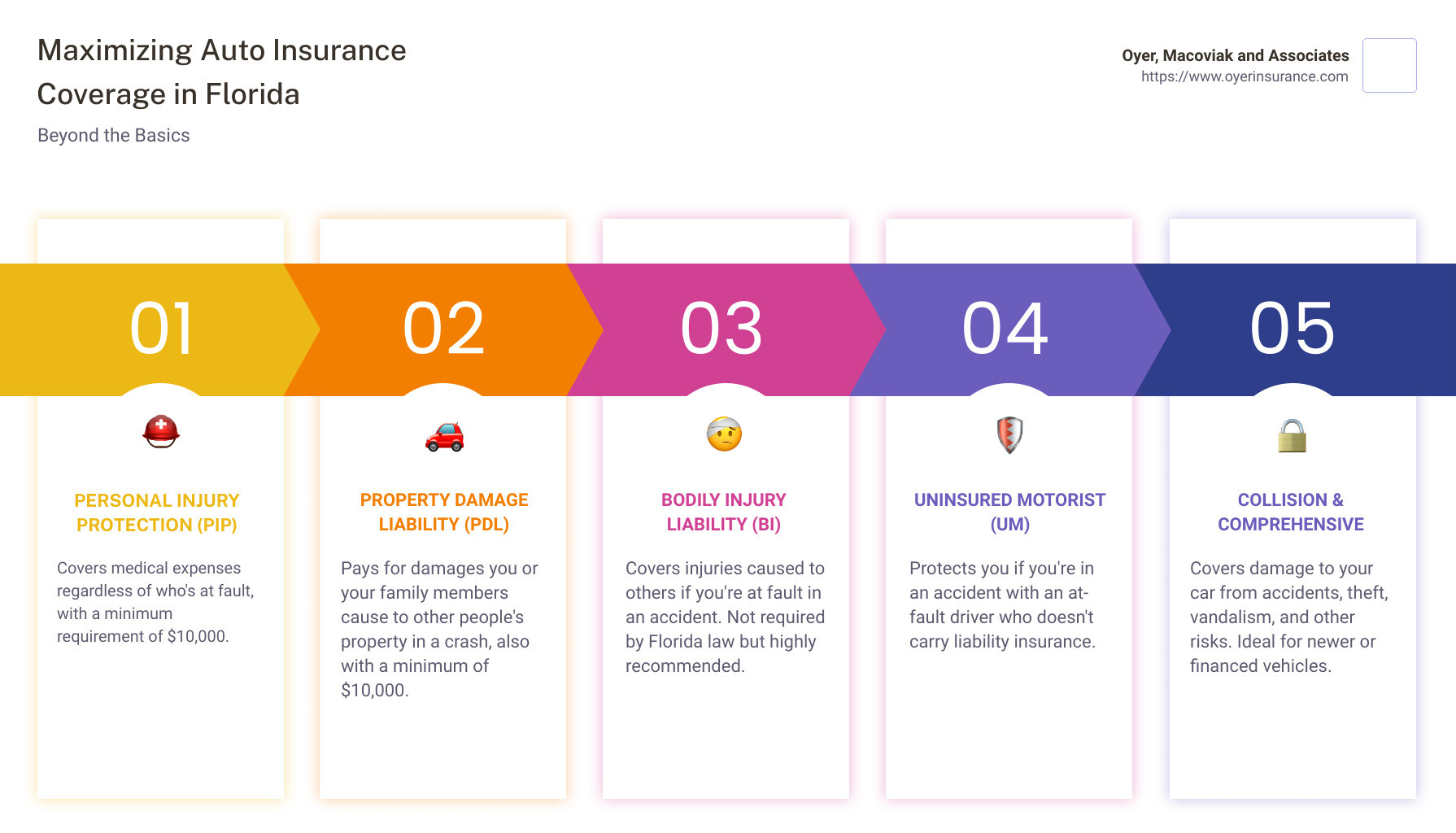
This distinction is often a source of confusion for patients. In 2026, Florida’s no-fault statutes continue to require that every driver carry at least $10,000 in Personal Injury Protection (PIP). UF Health’s administrative teams are specifically trained to handle these "third-party" claims. They coordinate with your auto insurance adjuster to verify coverage limits and submit the necessary medical coding to ensure the hospital is reimbursed for life-saving interventions and follow-up care.
Florida’s 14-Day Rule and UF Health Access
One of the most vital components of navigating care at UF Health is the "14-day rule." Under Florida Statute § 627.736, an individual injured in a motor vehicle accident must receive initial prospective medical treatment within 14 days of the incident to qualify for PIP benefits.
If you visit a UF Health Emergency Room or Urgent Care center on the 15th day, your auto insurance carrier may legally deny your PIP claim, leaving you responsible for the entirety of the bill or forcing a complicated shift to your private health insurance, which may have higher deductibles or different network requirements. UF Health’s intake coordinators prioritize "MVA" (Motor Vehicle Accident) status during registration to ensure that timestamps are accurately recorded for insurance verification.
The Emergency Medical Condition (EMC) Requirement
The amount of coverage available at UF Health is also dependent on the clinical diagnosis provided by the treating physician.
- With an EMC: If a UF Health physician, physician assistant, or nurse practitioner determines you have an Emergency Medical Condition—defined as acute symptoms of sufficient severity that the absence of immediate medical attention could reasonably result in serious jeopardy to patient health—you are eligible for the full $10,000 PIP benefit.
- Without an EMC: If your injuries are deemed non-emergency, your PIP benefits are capped at $2,500.
At a high-acuity facility like UF Health Shands, where diagnostic imaging (CT scans, MRIs) and specialized consultations are frequent, a $2,500 limit can be exhausted within the first few hours of an ER visit. Understanding this threshold is essential for managing your financial expectations.
Billing Hierarchy: Who Pays UF Health First?
The "order of operations" for medical billing after a car accident is strictly regulated. Even if you have "the best" health insurance, UF Health must follow a specific hierarchy to ensure compliance with state law and insurance contracts.
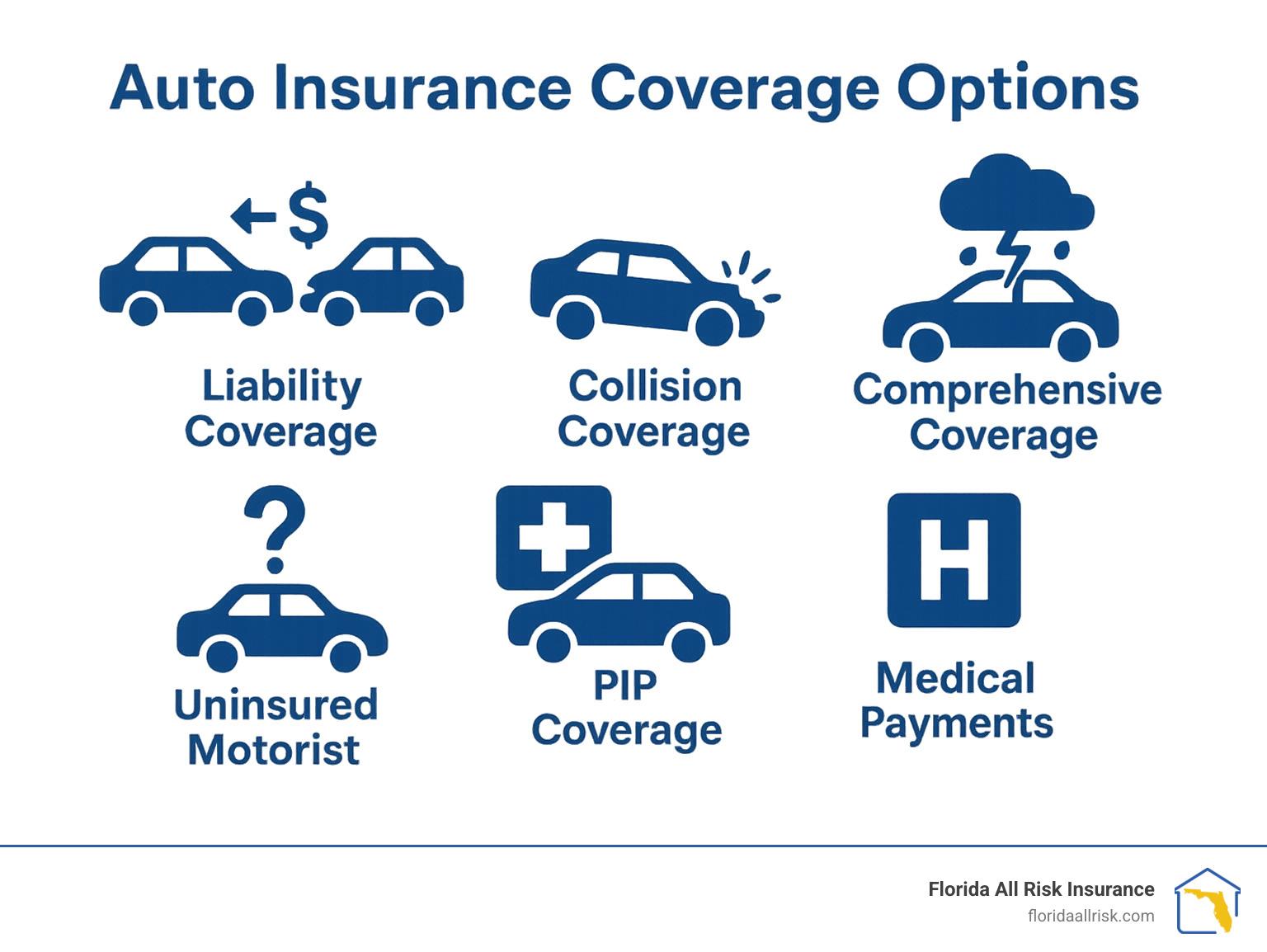
- Personal Injury Protection (PIP): This is the primary payer. It typically covers 80% of medically necessary expenses, up to the policy limit ($2,500 or $10,000).
- Medical Payments (MedPay): If you opted for MedPay on your auto policy, this "fills the gaps." It usually covers the remaining 20% that PIP leaves behind, as well as deductibles.
- Health Insurance: UF Health will only bill your private health insurance (or Medicare/Medicaid) after your auto insurance benefits have been "exhausted." You will need to provide an "Exhaustion of Benefits" letter from your auto carrier to the UF Health billing office to facilitate this transition.
- Letters of Protection (LOP): In cases involving litigation, a personal injury attorney may issue an LOP. This is a legal agreement where UF Health agrees to wait for payment until the legal case settles. Note that not all UF Health departments or individual physicians accept LOPs; this is usually reserved for surgical or specialized rehabilitative services.
| Payer Type | Priority | Coverage Percentage | Notes |
|---|---|---|---|
| PIP | Primary | 80% | Mandatory in FL; 14-day rule applies. |
| MedPay | Secondary | Remainder (20%) | Optional; covers PIP deductibles. |
| Health Insurance | Tertiary | Varies by Plan | Only pays after PIP/MedPay exhaustion. |
| Self-Pay/LOP | Final | 100% | Based on legal settlement or personal liability. |
UF Health Employee Auto Insurance Discounts (GatorPerks)
For those searching for "UF Health auto insurance" from an employment perspective, it is important to distinguish between medical billing and employee benefits. UF Health employees, as part of the University of Florida ecosystem, have access to the GatorPerks program.
As of 2026, this program continues to partner with major national insurance carriers (such as Geico, Liberty Mutual, and Progressive) to offer group-rate discounts specifically for UF Health staff. These are not "UF Health branded" insurance policies, but rather discounted private policies available because of the employee's institutional affiliation.
Employees should consult the UF Health Human Resources portal to obtain specific discount codes. These savings often range from 5% to 15% off standard premiums. When applying for these policies, you must verify your employment status, and the discount is typically applied to the collision, comprehensive, and liability portions of the policy.
Common Challenges with UF Health Accident Claims
Treating at a major academic center like UF Health involves administrative layers that can lead to friction if not managed correctly.
Coordination of Benefits
One frequent issue occurs when a patient provides only their health insurance card at the time of an ER visit. If UF Health bills the health insurer first, the claim will likely be rejected with a request for "Subrogation" or "Coordination of Benefits" (COB) information. This can delay payment and result in the patient receiving a balance-due statement that looks much larger than it should be. Always provide your auto insurance claim number and adjuster’s contact information to the UF Health registration desk immediately.
Trauma Center Fees
UF Health Shands is a Level 1 Trauma Center. This designation allows the hospital to charge "Trauma Activation Fees," which cover the cost of having a specialized team (surgeons, anesthesiologists, nurses) ready 24/7. These fees are significantly higher than standard ER visit costs. Patients are often surprised to find that a single trauma activation can consume the entire $10,000 PIP limit. In these instances, having high MedPay limits or robust health insurance is the only way to prevent significant out-of-pocket debt.
Out-of-Network Complications
While UF Health accepts most major health insurance plans for follow-up care, your auto insurance "network" is generally open—meaning you can go to any doctor for PIP-covered services. However, once PIP is exhausted, you must ensure that the specific UF Health physician you are seeing for follow-up (e.g., at UF Health Orthopaedics and Sports Medicine Institute) is in-network for your health insurance.
Steps to Take After an Accident if Seeking Care at UF Health
To ensure your auto insurance and UF Health billing align correctly, follow these procedural steps:
- Seek Care Immediately: Even if you feel "fine," visit a UF Health Urgent Care or ER within 14 days to preserve your PIP eligibility.
- Report the Claim: Call your auto insurance company to get a claim number before your appointment, if possible.
- Provide Dual Documentation: Give the UF Health registrar both your auto insurance information and your private health insurance card.
- Request an EMC Evaluation: If you have significant pain or neurological symptoms, ensure the physician notes whether your condition meets the "Emergency Medical Condition" criteria.
- Monitor Your "PIP Log": Keep track of the bills sent to your auto insurer. Once the $10,000 limit is reached, contact UF Health Billing to ensure they pivot to your health insurance or LOP.
Frequently Asked Questions
Does UF Health offer its own car insurance?
No, UF Health is a medical provider. It does not issue or sell automobile insurance policies. Any reference to "UF Health auto insurance" typically involves the hospital billing your existing auto insurance (PIP/MedPay) for medical services or employee-only discounts offered through third-party carriers via the GatorPerks program.
What happens if my auto insurance denies the UF Health bill?
If your auto insurer denies a claim (perhaps due to the 14-day rule or a dispute over fault/coverage), UF Health will attempt to bill your health insurance. If you do not have health insurance, the balance becomes your personal responsibility. In these cases, you may need to negotiate a payment plan with UF Health or seek legal counsel to challenge the insurance denial.
Can I use my UF Health employee discount for my family’s car insurance?
Generally, yes. Most GatorPerks auto insurance discounts apply to the policyholder's household. As long as the UF Health employee is the primary policyholder or a named insured, the group discount typically extends to all vehicles covered under that specific policy.
Will UF Health wait for my car accident settlement to get paid?
UF Health does not automatically wait for legal settlements. Their standard practice is to bill PIP and health insurance immediately. However, for specific high-cost procedures or specialized care, they may accept a Letter of Protection (LOP) from your attorney, which allows them to place a lien on your eventual settlement rather than requiring immediate payment.
Why did I get a separate bill from a UF Health doctor?
UF Health often uses "component billing." You may receive one bill from the hospital (the "technical" fee for the room and equipment) and a separate bill from University of Florida Physicians (the "professional" fee for the doctor’s expertise). Both should be submitted to your auto insurance carrier under your PIP claim.
Practical Recommendation
If you are a patient at UF Health following a vehicle accident, your first action should be to contact the UF Health Customer Service and Billing Department at their Gainesville or Jacksonville offices. Request a "PIP Ledger" to see exactly how much of your $10,000 limit has been used. If you are an employee, visit the GatorPerks website today to compare your current auto insurance rate against the institutional discounts available through Geico or Liberty Mutual; many employees find they can save hundreds of dollars annually by switching to a preferred partner.
Image Gallery