Understanding Veteran Loan Benefits for Borrowers
Veteran loan benefits, primarily centered on the Department of Veterans Affairs (VA) home loan program, provide eligible service members, veterans, and surviving spouses with unique financial advantages when purchasing, building, or re...
Veteran loan benefits, primarily centered on the Department of Veterans Affairs (VA) home loan program, provide eligible service members, veterans, and surviving spouses with unique financial advantages when purchasing, building, or refinancing a home. These benefits are designed to lower the barriers to entry in the housing market by offering competitive interest rates, the potential for no down payment, and protection against private mortgage insurance requirements.
Contents
The Foundation of VA Loan Benefits
The primary veteran loan benefit is the VA-guaranteed home loan. Unlike conventional loans, which are often provided by private lenders with varying standards, VA loans are guaranteed by the federal government. This guarantee allows lenders to offer more favorable terms because the government assumes a portion of the risk if the borrower defaults.
The program is not a direct loan provided by the government; rather, the Department of Veterans Affairs provides the guaranty to the lender. This structure ensures that veterans can access financing even when they might not meet the stringent credit or capital requirements of traditional commercial lending institutions.
Eligibility Requirements and Certificates of Entitlement
To access these benefits, a borrower must first establish eligibility through a Certificate of Eligibility (COE). This document serves as formal verification that you meet the service requirements necessary to participate in the program.
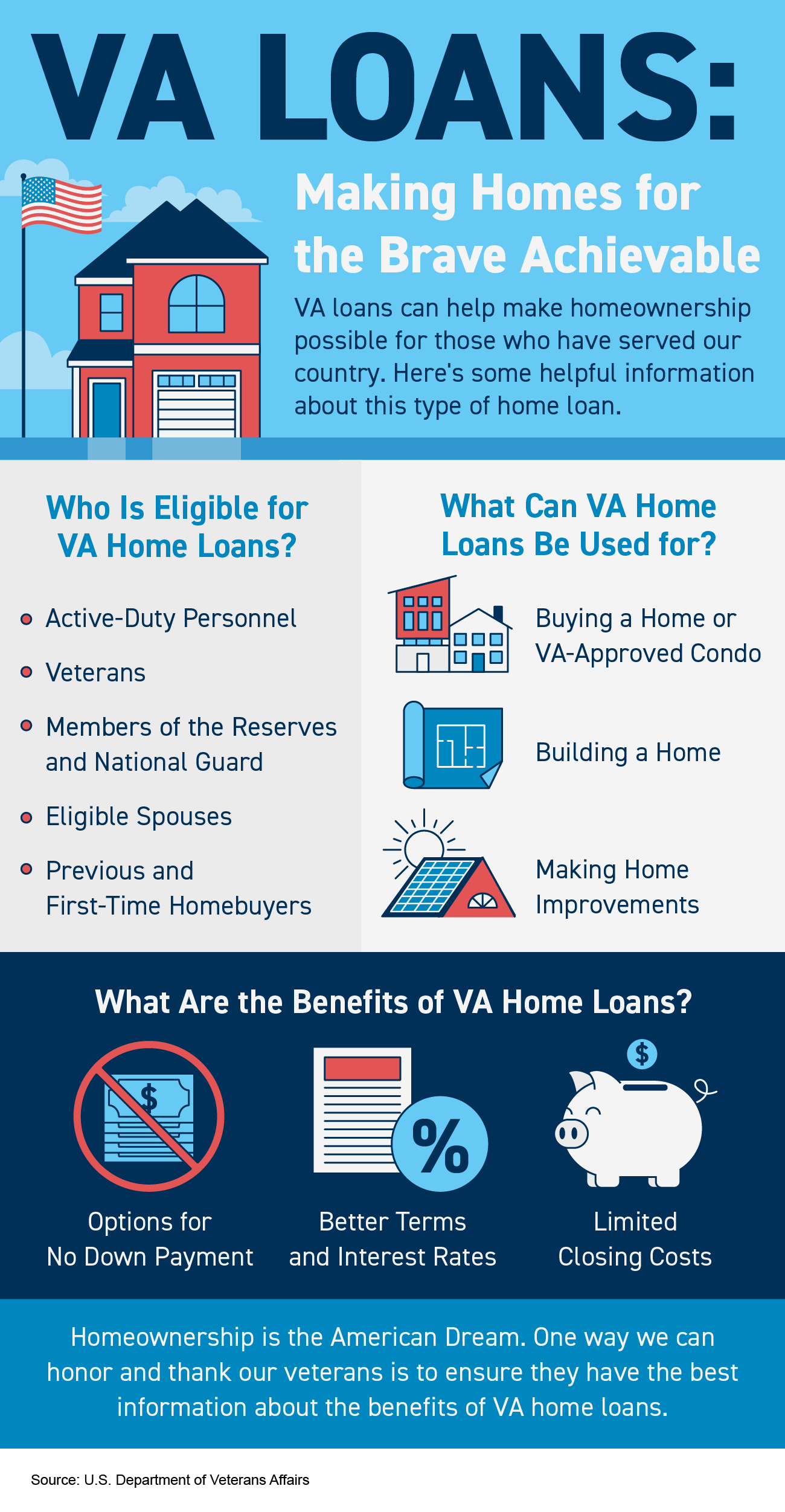
Eligibility is generally based on the duration of active duty service or service in the Selected Reserve or National Guard. Periods of conflict—such as the Gulf War or the post-9/11 era—often have distinct service duration requirements compared to peacetime service. Surviving spouses may also be eligible if their partner died in the line of duty or as a result of a service-connected disability.
The process of obtaining a COE can be initiated through the VA’s online portal, through a participating lender, or by mail. It is critical to obtain this documentation early in the home-buying process, as it dictates the scope of the benefits available to you and confirms your status to the lender.
Key Financial Advantages
The VA loan program offers several specific financial levers that distinguish it from conventional financing:
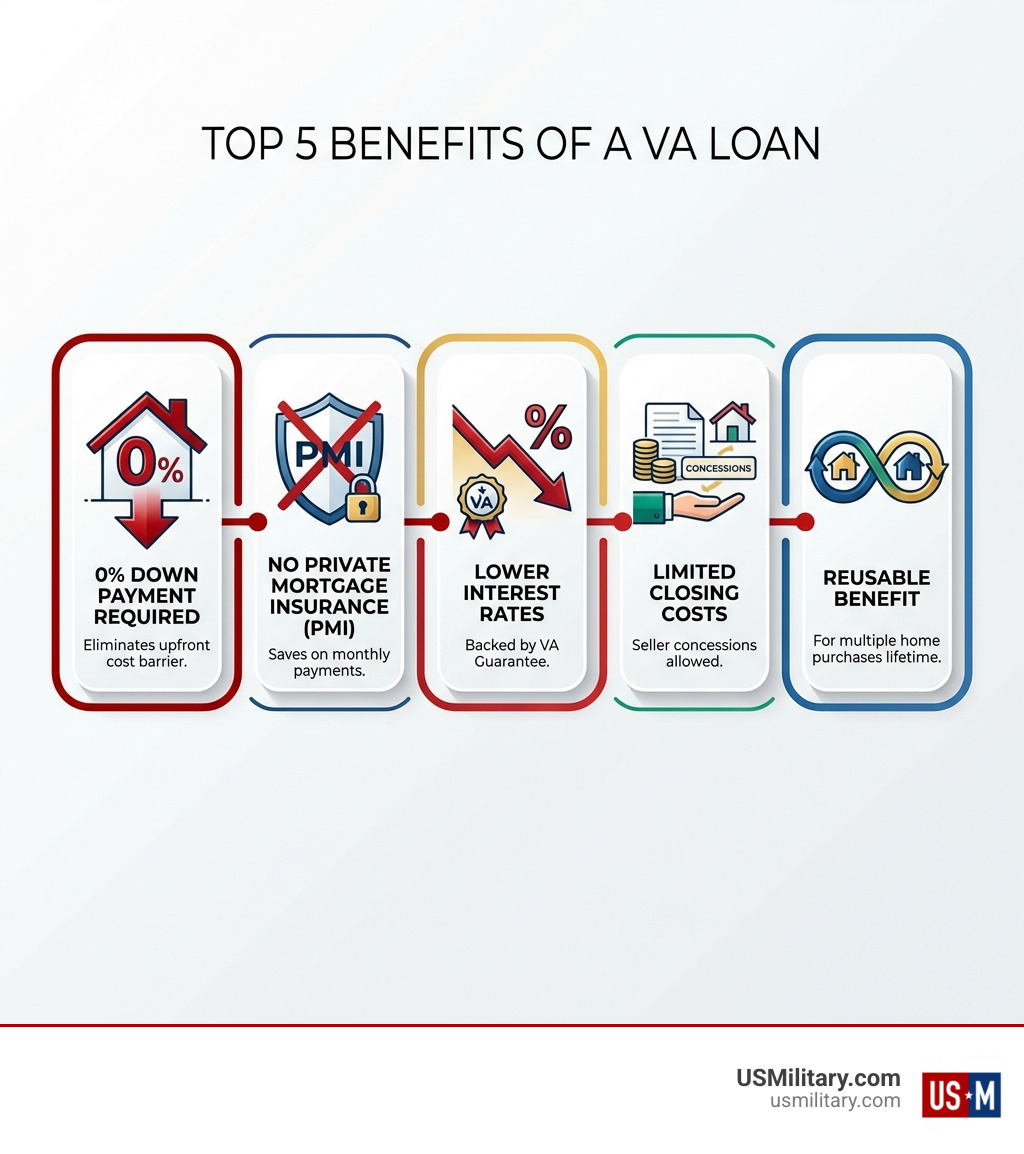
- No Down Payment: Most veterans are not required to provide a down payment, provided the purchase price does not exceed the reasonable value of the property as determined by a VA-approved appraisal.
- No Private Mortgage Insurance (PMI): Conventional loans typically require PMI if the down payment is less than 20%. VA loans waive this requirement, which can result in significant monthly savings.
- Closing Cost Limitations: The VA limits the types of closing costs that veterans can be charged. Sellers are permitted to pay up to 4% of the loan amount in concessions, which can be used to cover the veteran's closing costs or pay down debt.
- Competitive Interest Rates: Because of the government guaranty, VA loans often carry interest rates that are lower than or competitive with conventional mortgage rates.
The VA Funding Fee
While the program offers substantial savings, it is important to understand the VA Funding Fee. This is a one-time payment that the veteran, service member, or survivor pays on a VA-backed or VA-direct home loan. The fee helps to lower the cost of the loan for U.S. taxpayers, as the VA home loan program is designed to be self-funded.
The fee percentage varies based on the type of loan, the down payment amount, and whether it is the borrower's first use of the benefit. Importantly, veterans who receive VA compensation for service-connected disabilities are typically exempt from paying this fee.
| Loan Type | Down Payment (Less than 5%) | Down Payment (5% – 10%) | Down Payment (10% or more) |
|---|---|---|---|
| Purchase (First Use) | 2.15% | 1.5% | 1.25% |
| Purchase (Subsequent Use) | 3.3% | 1.5% | 1.25% |
| Refinance (Cash-Out) | 2.15% | 1.5% | 1.25% |
| Interest Rate Reduction | 0.5% | N/A | N/A |
Note: Figures reflect standard 2026 program guidelines for first-time and subsequent users.
Property Requirements and Appraisal Standards
A common misconception is that the VA only cares about the borrower. In reality, the VA also mandates that the property itself meets certain "Minimum Property Requirements" (MPRs). These standards are intended to ensure that the home is safe, structurally sound, and sanitary.
During the appraisal process, a VA-approved appraiser will not only determine the market value of the home but also verify that it meets these safety standards. If a home is found to have significant defects, the lender may require repairs to be completed before the loan can close. While some buyers view this as an inconvenience, it serves as a form of protection for the borrower, preventing them from purchasing a property that may require immediate, expensive structural repairs.
Refinancing Options: The IRRRL
Veterans who already hold a VA loan have access to a specialized refinance product known as the Interest Rate Reduction Refinance Loan (IRRRL), often referred to as a "streamline" refinance.
The primary purpose of an IRRRL is to lower the interest rate on an existing VA loan. Because it is a streamline process, it often requires less paperwork and documentation than a standard purchase loan. In many cases, no new appraisal or credit underwriting is required. This allows veterans to capitalize on lower market interest rates quickly and efficiently.
Common Pitfalls for Borrowers
- Ignoring the Funding Fee: Failing to calculate the funding fee into the total budget can lead to unexpected out-of-pocket costs at closing.
- Misunderstanding Appraisal Timelines: VA appraisals can sometimes take longer than conventional appraisals. Borrowers should ensure their purchase contracts provide sufficient time for this process.
- Overlooking Regional Loan Limits: While the VA has eliminated loan limits for veterans with full entitlement, those who have multiple active VA loans may still face regional caps based on the Federal Housing Finance Agency (FHFA) conforming loan limits.
- Assuming All Lenders are Equal: While the VA sets the rules, lenders set their own "overlays" or additional credit requirements. If one lender denies your application, it does not mean you are ineligible for a VA loan with a different lender.
Frequently Asked Questions
Can I use my VA loan benefit more than once? Yes. VA loan benefits are an earned lifetime benefit. Once a loan is paid off and the property is sold, or if you retain the property but have your entitlement restored, you may use your benefit again for another primary residence.
Does a VA loan require a minimum credit score? The VA does not set a minimum credit score. However, individual lenders establish their own credit standards. Most lenders typically look for a score of at least 620, though this varies by institution.
Are VA loans available for vacation homes? No. VA loans are strictly for primary residences. You must intend to occupy the home as your main place of residence.
Can I use a VA loan to buy a multi-unit property? Yes. You can use a VA loan to purchase a property with up to four units, provided you live in one of the units as your primary residence.
What happens if I sell my home? When you sell a home purchased with a VA loan, the loan is typically paid off, and your entitlement is restored, allowing you to use the benefit for your next home purchase.
Next Steps for Prospective Borrowers
If you are considering utilizing your veteran loan benefits, the first step is to secure your Certificate of Eligibility. Once you have confirmed your status, consult with a lender who has significant experience with the VA loan program. A specialized lender will be better equipped to navigate the nuances of the appraisal process and help you maximize the benefits available to you, ensuring a smooth transition into your next home.
Image Gallery