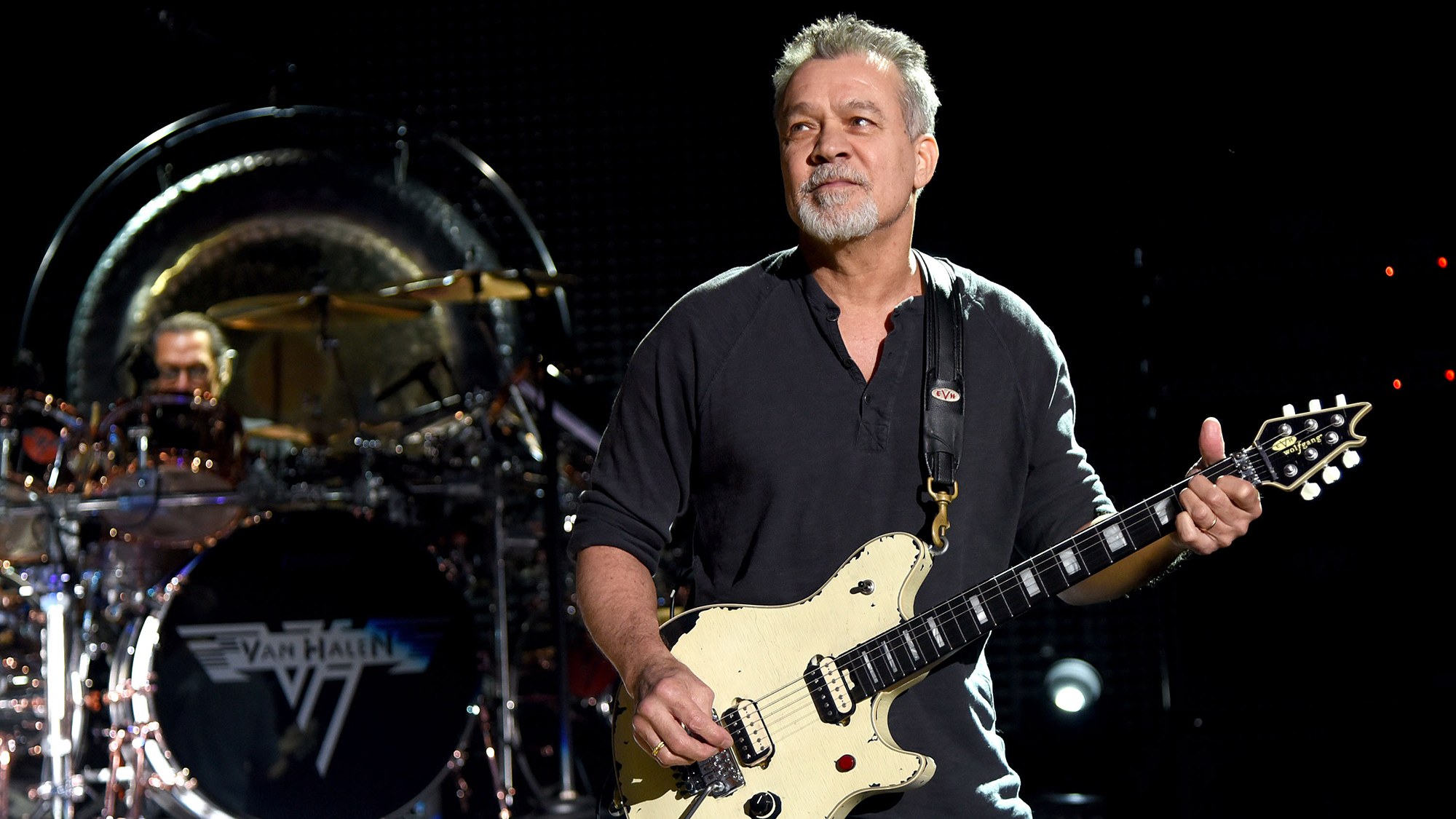
Eddie Van Halen and David Lee Roth: Understanding Wealth, Net Worth, and the Financial Legacy of Van Halen
Eddie Van Halen amassed an estimated net worth of $100 million at the time of his passing in 2020, while his legendary frontman David Lee Roth maintains a net worth estimated around $60 million. Evaluating these figures requires lookin...
Eddie Van Halen amassed an estimated net worth of $100 million at the time of his passing in 2020, while his legendary frontman David Lee Roth maintains a net worth estimated around $60 million. Evaluating these figures requires looking past simple headlines to understand how hard rock icons generate, preserve, and monetize wealth through multi-platinum album sales, historic worldwide tours, publishing rights, and signature gear endorsements.
Contents
The Financial Foundation of Van Halen: Album Sales and Royalties
To understand the financial standing of both Eddie Van Halen and David Lee Roth, one must look at the unprecedented commercial success of the band Van Halen. Formed in Pasadena, California, in 1972, the group revolutionized hard rock through Eddie’s innovative guitar tapping techniques and Roth’s charismatic, high-energy showmanship.
The band released a succession of blockbuster albums throughout the late 1970s and 1980s. Their 1978 self-titled debut album Van Halen went diamond, selling over 10 million copies in the United States alone. Subsequent records like Fair Warning, Diver Down, and the monumental 1984 album—which featured the Billboard Hot 100 number-one hit "Jump"—certified the band as global superstars.
Album sales translate into long-term financial stability through performance royalties, mechanical royalties, and publishing rights. While record labels historically claimed the lion's share of initial physical sales revenue, legacy acts retain substantial percentages of streaming revenue, compilation licensing, and radio airplay. Because Eddie Van Halen was the primary composer and songwriter alongside his brother, drummer Alex Van Halen, and bandmates, his publishing and songwriting equity contributed significantly to his $100 million net worth.
Eddie Van Halen: Gear Innovations, Endorsements, and Intellectual Property
Beyond touring and songwriting, Eddie Van Halen diversified his income streams by pioneering revolutionary changes in electric guitar design and amplification. Frustrated by off-the-shelf instruments that failed to match his technical demands, Eddie famously built his own "Frankenstrat" guitar by combining a Fender-style body with Gibson pickups.
This ingenuity paved the way for highly lucrative commercial partnerships. Eddie established historic endorsement deals with major manufacturers, most notably his long-term alliance with Peavey, and later his founding of EVH Gear under the umbrella of Fender Musical Instruments Corporation. EVH Gear manufactures signature amplifiers, guitars, effects pedals, and accessories modeled directly after the gear Eddie used throughout his career.
These business ventures created substantial passive income and asset appreciation. Intellectual property rights concerning his signature striped guitar design, hardware patents, and branding rights secured a financial fortress for his estate. When evaluating Eddie Van Halen's $100 million valuation at the time of his death in October 2020, industry analysts consistently highlight these proprietary gear lines alongside real estate holdings and publishing portfolios as core valuation drivers.
David Lee Roth: Solo Career, Touring, and Strategic Investments
David Lee Roth’s estimated $60 million net worth stems from a combination of his tenure as the original voice of Van Halen, a successful solo career, and calculated entertainment ventures. After parting ways with the band in 1985, Roth immediately launched a thriving solo career with the Eat 'Em and Smile album, which sold multi-platinum and yielded massive arena-tour revenues.
Roth’s financial strategy has always capitalized on his persona as an entertainer. His solo records, including Skyscraper, kept him in high-rotation on radio and MTV, securing strong publishing royalties. Furthermore, Roth earned considerable sums during Van Halen’s highly lucrative reunion tours in 2007–2008, 2012, and their final global trek in 2015. Touring remains the single most effective wealth-generator for legacy rock musicians, with top-tier acts commanding massive guarantees and percentage splits of ticket sales and merchandise.
In addition to music, Roth pursued diverse professional avenues, including a brief stint as a morning radio shock jock in New York City, authoring memoirs, and developing artistic projects. His financial resilience demonstrates how an iconic frontman can sustain long-term wealth decades after their peak commercial chart era by leveraging brand recognition and high-margin live performances.
Comparative Financial Overview: Van Halen Legacy Assets
| Artist / Entity | Estimated Net Worth | Primary Wealth Drivers | Secondary Income Streams |
|---|---|---|---|
| Eddie Van Halen | $100 Million | Songwriting, Publishing, EVH Gear (Fender) | Album Sales, Touring Royalties, Real Estate |
| David Lee Roth | $60 Million | Arena Touring, Solo Career Sales, Van Halen Tours | Publishing Rights, Media Ventures, Endorsements |
| Van Halen (Band Assets) | Multi-Million Catalog | Master Recordings, Merchandising, Licensing | Digital Streaming, Compilation Rights |
Factors Influencing Rock Star Net Worth Valuations
Estimating the net worth of legendary musicians involves analyzing several fluctuating financial variables. Public financial disclosures rarely capture the full scope of private investments, tax liabilities, managerial fees, and legal expenditures.
1. Publishing vs. Master Rights
A critical distinction in music wealth is the ownership of publishing rights versus master recordings. While record labels historically owned master tapes, successful songwriters like Eddie Van Halen retained significant ownership of their compositions. Owning publishing rights ensures that every time a song is played on television, in a film, or streamed online, a direct royalty flows to the estate or artist.
2. Touring Overhead and Profit Margins
While gross revenue figures for rock tours often reach tens of millions of dollars, net profit margins are subject to high operating expenses. Production costs, crew salaries, transportation, insurance, and booking agent commissions typically consume 40% to 60% of gross touring revenue. Both Eddie Van Halen and David Lee Roth benefited from decades of playing massive amphitheatres and stadiums, which command optimal economies of scale.
3. Estate Planning and Asset Protection
For artists of Eddie Van Halen's stature, estate planning plays an essential role in preserving generational wealth. Following his passing, assets such as the 5150 Studios recording complex, unreleased musical archives, and proprietary brand rights were structured to ensure ongoing revenue generation for his surviving family members, including his son and bandmate, Wolfgang Van Halen.
Frequently Asked Questions
What was Eddie Van Halen's net worth when he died?
Eddie Van Halen had an estimated net worth of approximately $100 million at the time of his passing in October 2020. This wealth was accumulated through decades of record-breaking album sales, international stadium tours, publishing royalties, and his highly successful EVH Gear endorsement partnership with Fender.
How much is David Lee Roth worth?
David Lee Roth has an estimated net worth of $60 million. His financial portfolio is built on earnings from his era as Van Halen's frontman, multi-platinum solo albums, lucrative reunion tours, and diverse entertainment and business ventures pursued over a career spanning five decades.
Who owned the publishing rights to Van Halen songs?
The songwriting credits for the vast majority of Van Halen's catalog were shared among the band members, with Eddie Van Halen and Alex Van Halen holding substantial compositional stakes alongside their respective vocalists. Songwriting and publishing rights generate continuous passive income through streaming, radio airplay, and synchronization licensing.
Did Van Halen sell their music catalog?
Unlike many contemporary legacy artists who have sold their publishing or master recording catalogs to private equity firms and music publishers for nine-figure lump sums, the core Van Halen catalog has largely remained under the control of the band's estate and surviving members, preserving long-term royalty streams.
How did EVH Gear contribute to Eddie Van Halen's wealth?
EVH Gear, developed in collaboration with Fender Musical Instruments Corporation, manufactures high-end guitars, amplifiers, and musical accessories based on Eddie Van Halen's personal specifications. This ongoing manufacturing and licensing partnership generated substantial commercial revenue and solidified his legacy as a technical innovator in the music products industry.
Conclusion and Financial Takeaways
The net worth figures associated with Eddie Van Halen ($100 million) and David Lee Roth ($60 million) reflect the immense commercial power of one of rock and roll's most influential bands. Their financial success demonstrates that generational wealth in the music industry relies on a balanced portfolio: combining foundational songwriting royalties and high-grossing stadium tours with entrepreneurial ventures, brand licensing, and intellectual property management. For aspiring musicians and investors analyzing legacy rock economies, the Van Halen model remains a textbook example of artistic innovation translating directly into lasting financial equity.
Image Gallery