How to Decide on Foundation Crack Repair in Pasadena, Texas
Deciding on foundation crack repair in Pasadena, Texas, requires distinguishing between superficial aesthetic cracks caused by normal concrete curing and structural failures driven by the region's highly expansive Beaumont clay soils....
Deciding on foundation crack repair in Pasadena, Texas, requires distinguishing between superficial aesthetic cracks caused by normal concrete curing and structural failures driven by the region's highly expansive Beaumont clay soils. Property owners must first identify the pattern, width, and progression of the crack, consulting with a licensed structural engineer before committing to costly interventions like piering or mudjacking.
Contents
Understanding the Pasadena Soil Environment
Pasadena, Texas, is characterized by a specific geological profile that dictates the behavior of residential and commercial foundations. Much of the area sits on soils with high Plasticity Index (PI) levels. When these clays become saturated during periods of heavy rainfall—common in the Gulf Coast climate—they swell, exerting significant upward pressure on foundation slabs. Conversely, during the intense, prolonged heat typical of Texas summers, these same clays dehydrate and shrink, causing the soil beneath the slab to lose its support.
This "heave and shrink" cycle is the primary driver of foundation distress in the region. Unlike regions with stable bedrock, foundation repair in Pasadena is rarely a one-time event; it is an ongoing management process. Recognizing that your foundation exists in a dynamic, moving environment is the first step in deciding whether a crack requires immediate professional intervention or simple cosmetic maintenance.
Identifying Structural vs. Cosmetic Cracks
Not every crack in a slab or masonry wall signals a failing foundation. Distinguishing between the two is critical to avoiding unnecessary expenditure.
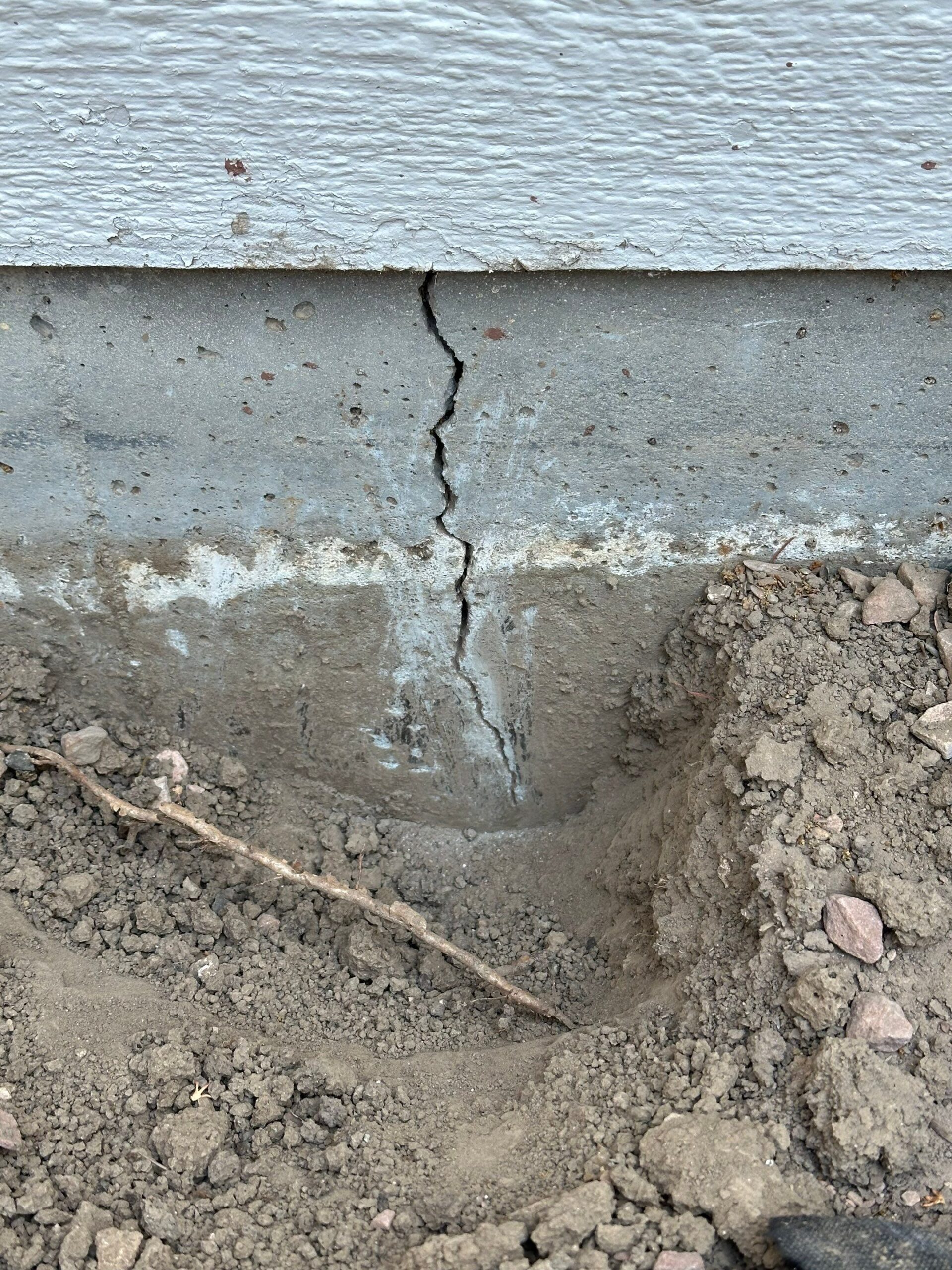
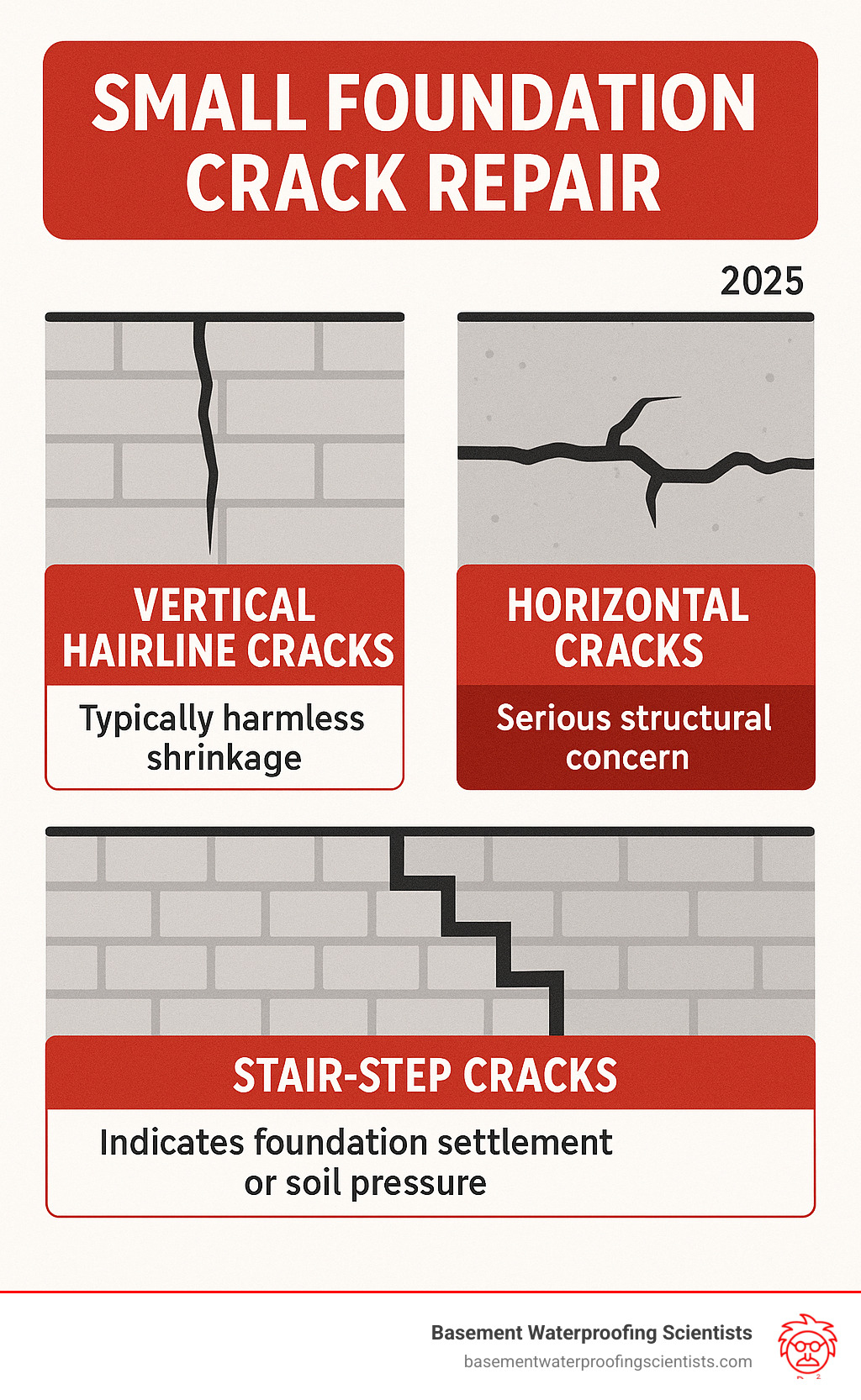
- Cosmetic (Shrinkage) Cracks: These are typically narrow (less than 1/8 inch wide), appear shortly after concrete pouring, and do not change significantly in size over time. They are often caused by the natural shrinkage of concrete as it dries. These cracks generally do not propagate through the entire thickness of the slab and rarely affect the structural integrity of the home.
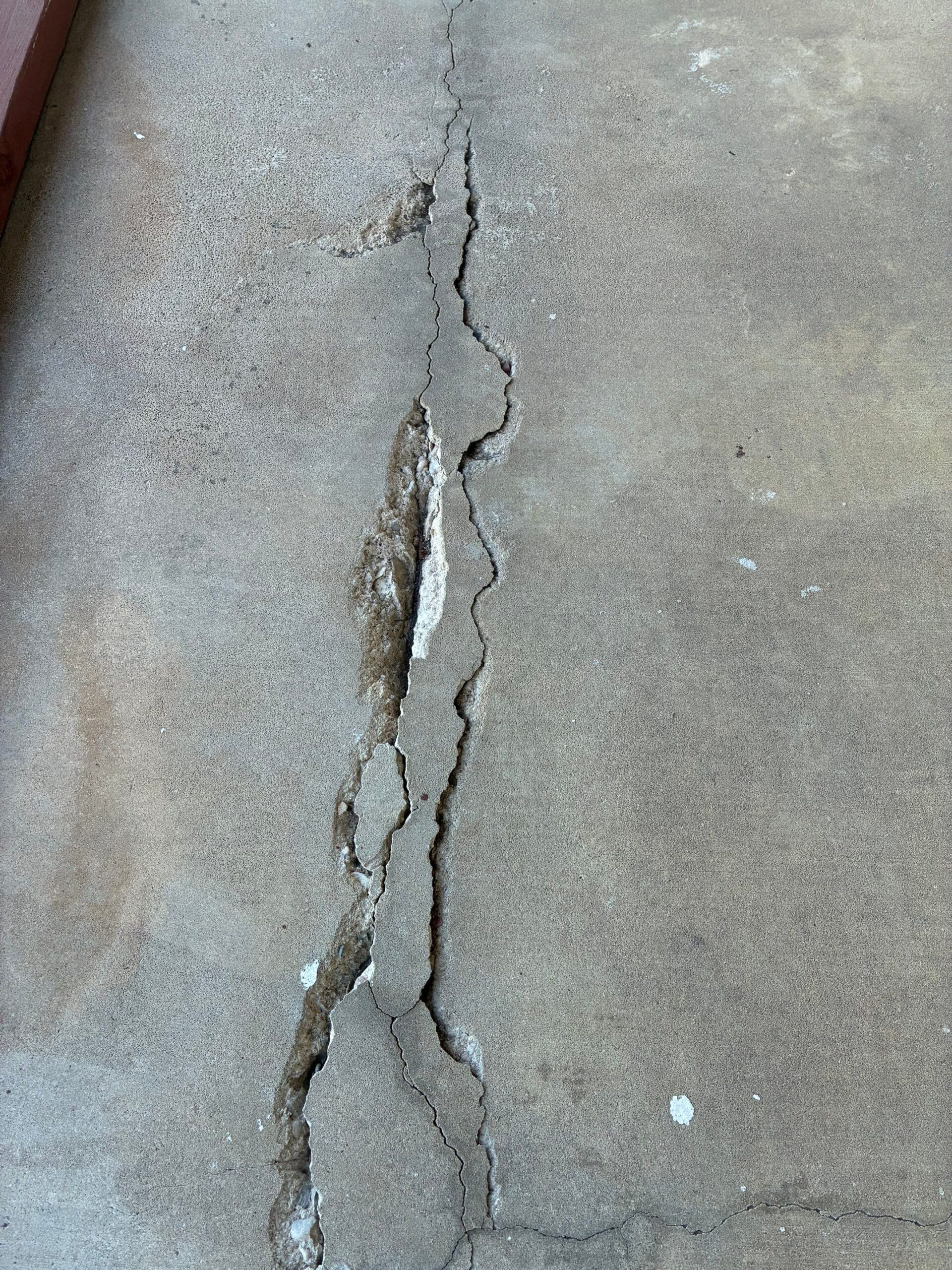
- Structural Cracks: These are the primary concern for homeowners. Indicators include:
- Width: Cracks wider than 1/4 inch.
- Offset: If one side of the crack is noticeably higher than the other (vertical displacement).
- Directionality: Diagonal cracks radiating from the corners of doors or windows are often signs of frame distortion due to foundation movement.
- Progression: Cracks that widen over several months or years.
The Role of Professional Assessment
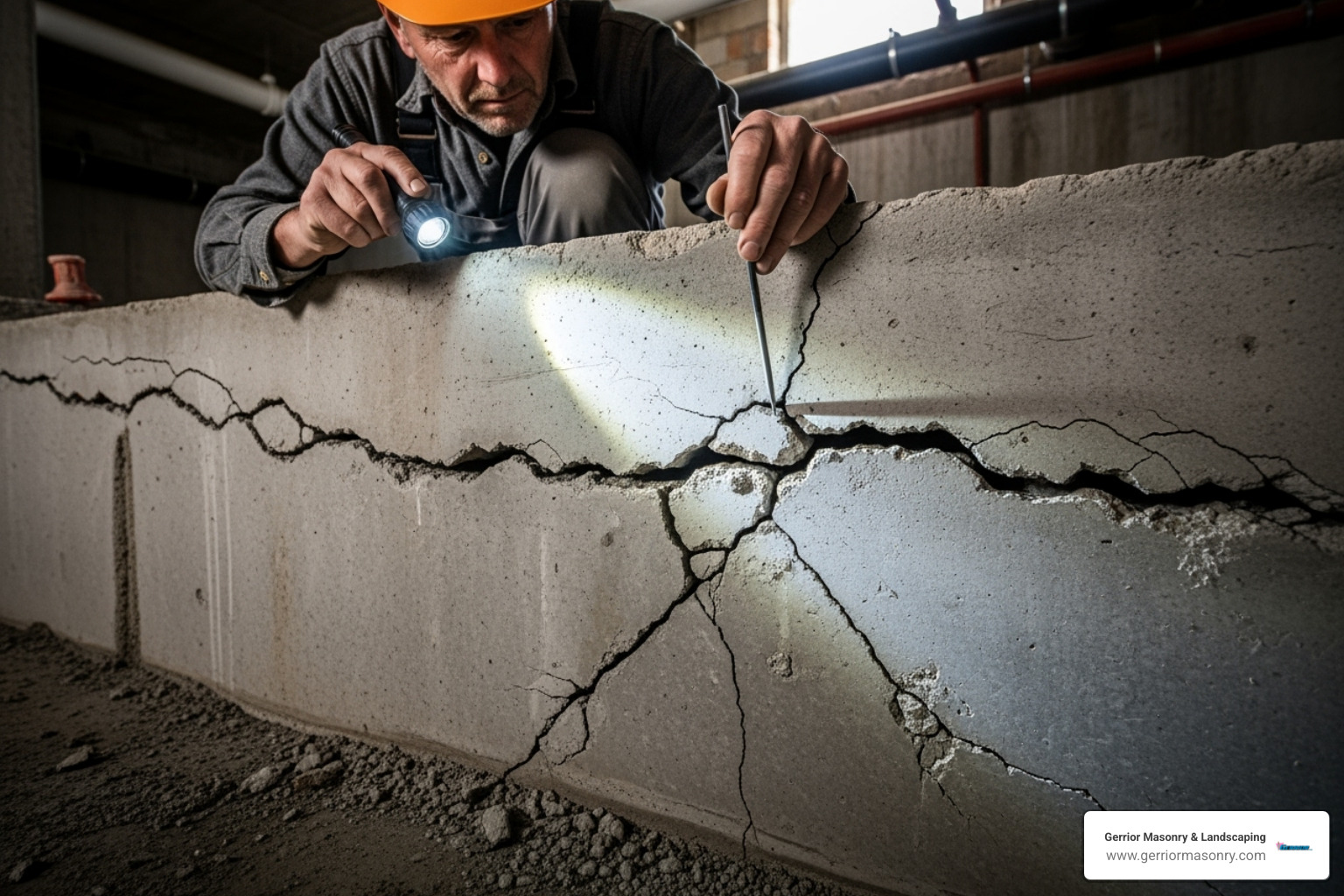
Before hiring a contractor, it is essential to involve a neutral third party: a Texas-licensed Professional Engineer (PE) who specializes in residential structural inspections.
In the Texas construction market, many foundation repair companies offer "free estimates." While convenient, these estimates are often biased toward selling specific remediation services, such as concrete piers or steel pilings. A structural engineer does not have a financial stake in the repair method chosen and can provide an objective "Foundation Evaluation Report." This report will verify if the cracks are symptomatic of localized movement, regional soil shifting, or structural failure, and will provide a recommended scope of work that you can present to multiple contractors for competitive bidding.
Evaluating Repair Methodologies
Once a structural engineer has confirmed that repairs are necessary, you will likely be presented with several options. Understanding the technical differences is vital for long-term satisfaction.
| Repair Method | Best For | Technical Consideration |
|---|---|---|
| Pressed Piling | Minor settlement | Uses pre-cast concrete cylinders pushed into the soil. Can be susceptible to shifting in shifting clay. |
| Steel Piers | Severe structural failure | Driven to deeper, more stable soil strata; provides high load-bearing capacity. |
| Mudjacking/Polyjacking | Voids under the slab | Involves injecting slurry or polyurethane foam to stabilize soil and fill voids. |
| Epoxy/Polyurethane Injection | Sealing non-structural cracks | Stops water intrusion in basement or garage walls but does not address foundation movement. |
Risks of Delaying Necessary Repairs
While it is wise to be cautious about unnecessary spending, ignoring active structural foundation issues in Pasadena can lead to exponential costs. A foundation that is actively "shifting" will eventually compromise the plumbing system. Under-slab plumbing leaks are a frequent complication in Pasadena homes; these leaks introduce moisture directly under the foundation, which further saturates the clay soils, leading to a feedback loop of movement and structural damage. If you notice cracks accompanied by doors that no longer latch or visible gaps between brick veneers and window frames, immediate investigation is warranted.
Practical Steps for Decision Making
- Monitor: Take photographs of the crack with a ruler for scale. Mark the ends of the crack with a date to see if the crack is actively lengthening.
- Document: Observe secondary symptoms: Is the floor sloping? Are there cracks in the drywall above door frames? Do kitchen cabinets seem misaligned?
- Engage an Engineer: Hire a licensed structural engineer to perform a elevation survey of the foundation.
- Solicit Bids: Use the engineer’s report as a scope of work document to get apples-to-apples quotes from reputable, local contractors who carry both liability and workers' compensation insurance.
- Verify Permits: Ensure the chosen contractor pulls the necessary permits from the City of Pasadena. Structural repairs often require building permits and subsequent inspections to ensure compliance with local ordinances.
Frequently Asked Questions
Does homeowners insurance cover foundation crack repair? Generally, no. Standard homeowners insurance policies in Texas typically exclude "settling, shrinking, or expansion" of the foundation. Insurance only covers foundation damage if it is the direct, proximate result of a specifically covered "peril," such as a sudden plumbing leak under the slab. Always review your specific policy declaration page.
How do I know if the crack is from a plumbing leak? If you notice a sudden appearance of cracks accompanied by unexplained increases in your water bill, a running water meter when all fixtures are off, or soft spots in the flooring, contact a leak detection specialist before proceeding with foundation stabilization. Fixing the foundation without fixing the underlying plumbing leak is a temporary, ineffective solution.
Is piering always required for cracks? No. If the structural engineer determines that the movement is within acceptable tolerances for the age and design of the home, they may recommend "plumbing and drainage" improvements instead of structural underpinning. Redirecting roof gutters and managing soil moisture around the perimeter of the home can often stabilize the soil enough to stop further movement.
How can I maintain my foundation to prevent future cracks? Moisture consistency is the goal. Use soaker hoses during prolonged dry spells to keep the moisture content of the clay soil around your foundation relatively stable. Avoid planting large trees—such as oaks or willows—too close to the foundation, as their root systems consume massive amounts of water, causing extreme localized soil shrinkage during hot months.
Recommendation
If you suspect foundation issues, your first point of contact should be an independent structural engineer. Avoid the temptation to hire a contractor based solely on a high-pressure sales pitch or the promise of "lifetime" warranties, which are often non-transferable or limited by restrictive fine print. A professional engineer’s assessment provides the roadmap for the correct repair, ensuring that the work performed addresses the cause, not just the symptom.
Image Gallery