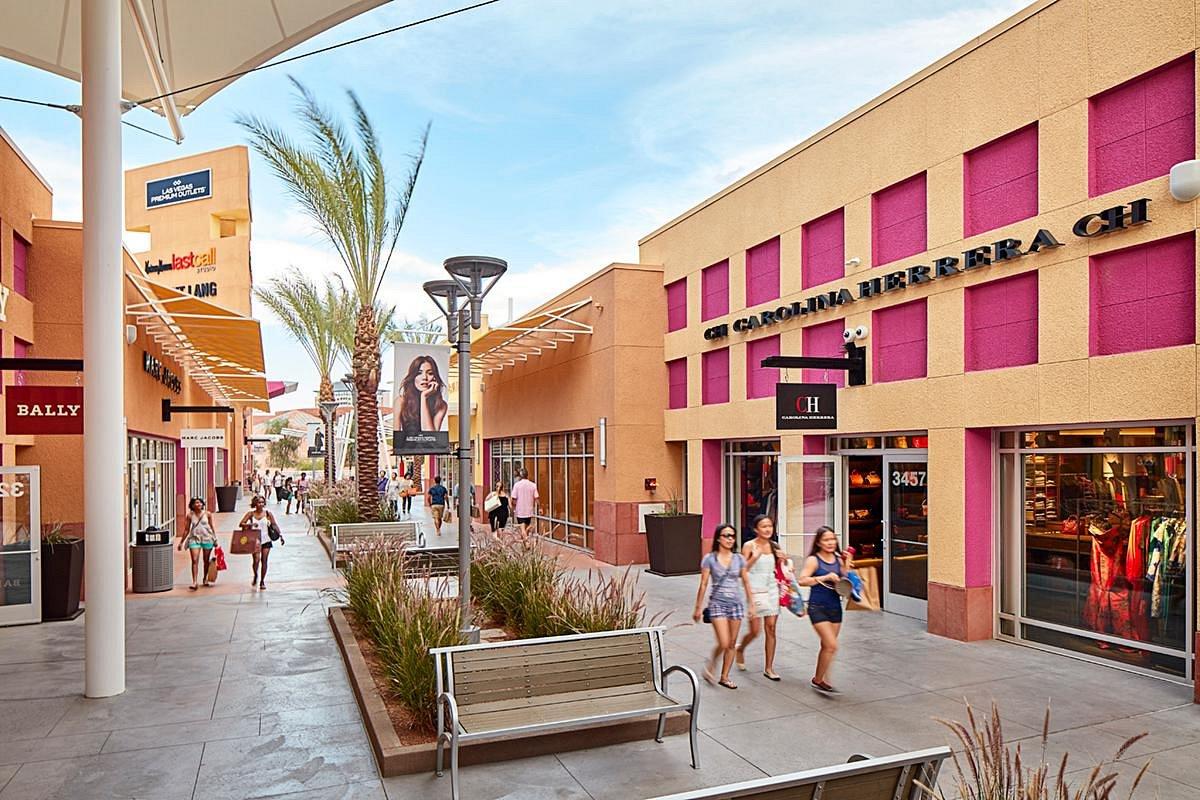
Outlet Prices Compared: Are Outlets Cheaper Than Malls?
Outlet stores generally offer lower price points than traditional malls, with discounts typically ranging from 30% to 70% off the manufacturer’s suggested retail price (MSRP). However, these savings often come from "made-for-outlet" in...
Outlet stores generally offer lower price points than traditional malls, with discounts typically ranging from 30% to 70% off the manufacturer’s suggested retail price (MSRP). However, these savings often come from "made-for-outlet" inventory rather than overstock, meaning products may feature lower-quality materials or simpler designs compared to full-price retail versions.
Contents
For decades, the outlet mall has been a staple of the American shopping experience, positioned as a destination for treasure hunters seeking premium brands at fraction-of-the-cost prices. As we navigate the retail landscape of 2026, the distinction between "outlet" and "mall" has become increasingly complex. While the sticker price at an outlet is almost always lower, the actual value—measured by product longevity and cost-per-wear—requires a deeper analysis of manufacturing pipelines and pricing psychology.
The Reality of "Made-for-Outlet" Merchandise
The most significant factor in the outlet versus mall price comparison is the origin of the goods. In the early days of outlet shopping, stores primarily sold "seconds" (items with minor defects) or "closeouts" (excess inventory from the previous season). By 2026, this model has largely shifted. Industry data suggests that upwards of 80% of merchandise found in major brand outlets was manufactured specifically for the outlet channel.
This "Made-for-Outlet" (MFO) strategy allows brands to maintain high profit margins while offering lower prices. When you compare a sweater at a high-end mall to a similar-looking one at an outlet, you are often comparing two different products entirely. Brands achieve outlet price points by:
- Substituting Materials: Using synthetic blends instead of pure wool or silk.
- Simplifying Construction: Removing interior linings, using plastic zippers instead of metal, or utilizing fewer stitches per inch.
- Reducing Hardware Detail: Eliminating decorative studs, simpler buckles, or using stamped logos rather than embroidered ones.
Because the production cost of MFO items is significantly lower, the "discount" reflected on the price tag is often an illusion. The item was never intended to be sold at the higher mall price, making the "Value Was" or "MSRP" comparison technically accurate but functionally misleading.
Pricing Psychology: The "Anchor" Effect
Outlet pricing relies heavily on a psychological concept known as anchoring. In a traditional mall, you might see a jacket priced at $200. At an outlet, that same jacket (or a visually similar MFO version) might have a tag that reads: "MSRP $200 – Our Price $120."
The $200 figure serves as the "anchor," establishing a high perceived value in the consumer's mind. Even if the jacket only cost $30 to manufacture and was never sold for $200 in a retail store, the shopper perceives an $80 "win." This strategy is a primary reason why outlets remain profitable even during economic downturns.
In contrast, traditional mall pricing is more transparent regarding current market value but subject to the high overhead of premium real estate. Mall stores must cover expensive leases in high-traffic urban centers, which is baked into the full-price MSRP. Outlets, usually located in suburban or rural areas where land is cheaper, can pass those operational savings to the customer—at least in theory.
Comparing the Shopping Experience: Convenience vs. Cost
When determining if outlets are truly cheaper, one must factor in the "total cost of acquisition." Traditional malls are typically located near residential hubs, easily accessible by public transit or short drives. Outlets are frequently situated 30 to 60 miles outside of major metropolitan areas to avoid "brand dilution" and direct competition with full-price retailers.
The Hidden Costs of Outlet Shopping
- Fuel and Transport: In 2026, with fluctuating energy costs, a 100-mile round trip to an outlet center can cost a consumer between $15 and $40 in fuel or charging fees.
- Time Investment: An outlet trip is often a half-day or full-day commitment. For a professional, the "opportunity cost" of those hours may outweigh the $50 saved on a pair of shoes.
- The "Bundle" Effect: Research shows that because shoppers have invested time and effort to travel to an outlet, they are more likely to buy items they don't need simply to justify the trip. This leads to higher overall spending compared to a targeted trip to a local mall.
Quality vs. Price: A Side-by-Side Comparison
To help visualize the trade-offs, the following table compares the typical attributes of mall merchandise versus outlet merchandise across common product categories.
| Feature | Traditional Mall (Retail) | Outlet Center (MFO/Clearance) |
|---|---|---|
| Average Price | 100% of MSRP (unless on sale) | 30% - 70% off "Anchor" price |
| Material Quality | Premium; higher thread counts, genuine leather | Economy; synthetic blends, "genuine" leather vs. top-grain |
| Product Lifecycle | Current season, latest trends | Previous season or year-round MFO basics |
| Construction | Reinforced seams, metal hardware, full linings | Glued seams, plastic hardware, unlined |
| Return Policy | Generally flexible; multi-store returns | Often restrictive; "Final Sale" common |
| Customer Service | High staff-to-customer ratio | High-volume, self-service environment |
How to Identify Genuine Retail Transfers
Despite the prevalence of MFO goods, savvy shoppers can still find genuine mall-quality items at outlets if they know what to look for. These "retail transfers" are the true bargains of the outlet world.
- The "One-of-a-Kind" Test: If a store has five racks of the exact same shirt in every size and color, it is almost certainly MFO. If you find a single pair of pants in one size tucked into a clearance rack, it is likely a transfer from a flagship mall store.
- Tag Inspection: Many brands use specific identifiers for outlet-only goods. For example, some brands use a "two-diamond" mark on the tag, while others have a different style of serial number for outlet production.
- Fabric Weight: In 2026, shoppers often use portable digital scales or simply the "hand-feel" to compare. Genuine retail items generally feel heavier and more substantial than their outlet counterparts.
The Impact of Digital Outlets and Omni-channel Pricing
By 2026, the line between physical malls and outlets has blurred further due to the rise of digital "flash sale" sites and brand-owned online outlets. Many consumers now check prices in real-time using mobile apps while standing in an outlet store.
Interestingly, this has forced traditional malls to become more competitive with their sales. It is not uncommon to find a "40% off the entire store" sale at a mall flagship that matches or beats the price of the MFO version at the outlet. Therefore, the assumption that the outlet is always cheaper is no longer a given; it is a hypothesis that must be verified on a case-by-case basis.
Strategic Shopping: When the Mall Wins
There are specific scenarios where the mall is a better financial and practical choice than the outlet:
- Investment Pieces: For items like winter coats, professional suits, or leather boots intended to last a decade, the higher quality of mall inventory offers a better "cost-per-wear" over time.
- End-of-Season Sales: During January and July, mall retailers often slash prices by 60-80% to clear space for new collections. These prices frequently undercut outlet prices for superior merchandise.
- Technology and Cosmetics: In 2026, electronics and high-end beauty products rarely have "outlet" versions. The price at an outlet for these items is usually identical to the mall, but with a worse return policy.
FAQs
Are outlet stores selling damaged goods?
While a small percentage of inventory (often labeled "as-is" or "seconds") may have minor defects like a missing button or a crooked seam, the vast majority of outlet merchandise is brand new and free of defects. Most of it is simply manufactured to a lower technical specification than mall-grade retail items.
Is the "MSRP" on outlet tags real?
Usually, no. The Federal Trade Commission (FTC) has monitored cases where "MSRP" or "Value" prices on outlet tags were never actually charged at any retail location. These numbers are often used as a comparative benchmark to make the current price look more attractive rather than reflecting a historical price.
Can I return items bought at an outlet to a regular mall store?
In most cases, no. Retailers maintain separate inventory systems for their outlet and boutique divisions. Because the SKU (Stock Keeping Unit) numbers differ, mall stores are typically unable to process returns or exchanges for outlet-purchased goods. Always check the receipt for specific "Outlet Only" return policies.
Do outlets have better sales than malls during Black Friday?
Both malls and outlets offer deep discounts during major holiday windows. However, outlets are often more crowded and may require waiting in lines just to enter individual stores. If you are looking for specific high-end electronics or the latest fashion trends, the mall is often the better choice. If you are looking for bulk basics (t-shirts, socks, children's clothes), the outlet may offer better volume-based discounts.
How can I tell if a brand makes a specific "outlet line"?
Research the brand's label history. Many luxury and mid-tier brands use a different logo or label color for their outlet stores. For instance, a brand might use a gold-toned label for retail and a silver or white label for its outlet division. Searching for "[Brand Name] outlet vs retail differences" on consumer advocacy sites is a reliable verification method.
Final Recommendation
If your goal is to minimize immediate out-of-pocket expenses for casual wear or children's clothing that will be outgrown quickly, outlets are consistently cheaper. However, for long-term value, professional attire, and genuine quality, shopping the clearance racks at a traditional mall often yields a superior product for a comparable price. Before driving to an outlet, check the "Sale" section of the brand’s main website; you may find the same or better deals without the cost of travel.
Image Gallery