Why Barbara O’Neill Books Matter in the UK: A Guide to the Wellness Movement
In 2026, Barbara O’Neill’s books remain central to the UK’s holistic health movement because they offer a structured, self-directed alternative to conventional medicine during a period of significant pressure on the NHS. By providing f...
In 2026, Barbara O’Neill’s books remain central to the UK’s holistic health movement because they offer a structured, self-directed alternative to conventional medicine during a period of significant pressure on the NHS. By providing foundational lifestyle protocols—the "Eight Laws of Health"—these texts empower UK readers to manage chronic conditions through dietary shifts, environmental awareness, and natural remedies.
Contents
The Rising Influence of Barbara O’Neill in the British Wellness Landscape
The significance of Barbara O’Neill’s literature in the United Kingdom is best understood through the lens of a shifting healthcare paradigm. As of 2026, the UK has seen a marked increase in the "self-care" movement. This is not merely a trend in aesthetics but a response to systemic challenges within traditional healthcare. O’Neill, an Australian naturopath and nutritionist, has captured the attention of the British public primarily through her viral lectures, which serve as a gateway to her foundational books, most notably Self-Heal by Design.
Her books matter in the UK because they address the specific anxieties of a population dealing with high rates of lifestyle-related illnesses, such as Type 2 diabetes and hypertension. For many UK readers, O’Neill’s writing represents a return to "common sense" health. Her focus on the body’s innate ability to repair itself—provided it is given the correct "building blocks"—resonates with a demographic that feels increasingly alienated by the perceived over-prescription of pharmaceuticals.
Furthermore, the UK’s unique environmental factors, such as limited sunlight for much of the year and the prevalence of ultra-processed foods in the British diet, make her specific protocols highly relevant. Her books offer a roadmap for navigating these challenges, prioritizing affordable, plant-based interventions over expensive, high-tech medical solutions.
Core Publications and Their Impact on UK Health Practices
To understand why these books carry weight, one must examine the specific content of her most influential works. While she has written and contributed to various guides, two main pillars stand out in the UK market.
Self-Heal by Design
Self-Heal by Design is arguably the most significant text in O’Neill’s bibliography. In the UK, it has become a staple for those interested in functional medicine. The book focuses on the micro-level of health: the cell. O’Neill argues that the environment of the cell—determined by what we eat, drink, and breathe—dictates health or disease.
The book is particularly popular in the UK for its detailed explanation of the "Acid-Alkaline" theory and the role of the liver. For a population where liver-related issues are rising due to diet and alcohol consumption, O’Neill’s practical steps for "decongesting" the liver provide a tangible sense of agency. The text also delves into the dangers of fungus and mold, a topic of high relevance to UK residents living in older, damp-prone housing stock.
The Sustain Me Series
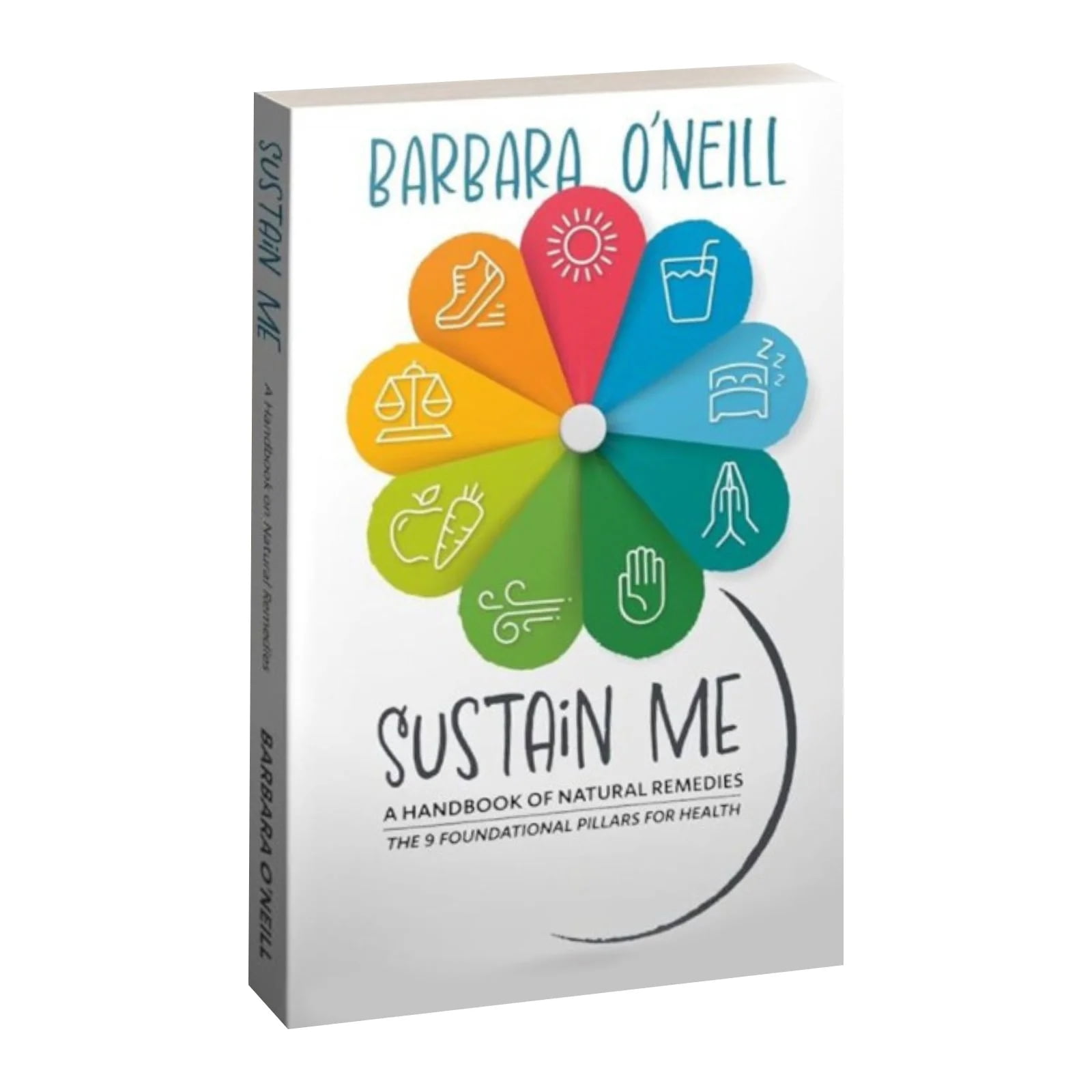
The Sustain Me series, which includes recipe books and lifestyle guides, serves as the practical application of her theories. These books matter because they bridge the gap between abstract health concepts and the British kitchen. They provide plant-based recipes that utilize ingredients commonly found in UK supermarkets like Tesco, Sainsbury’s, and Waitrose, making the transition to her recommended diet feasible for the average household.
The "Eight Laws of Health" in a UK Context
The cornerstone of O’Neill’s philosophy is the "Eight Laws of Health." Her books detail these laws as the essential requirements for human vitality. In the UK, these laws are often viewed as a "lifestyle toolkit."
- Pure Air: O’Neill emphasizes deep breathing and ventilation. In urban UK environments like London, Manchester, or Birmingham, where air quality is a recurring concern, her focus on respiratory health strikes a chord.
- Sunlight: This law is particularly poignant for the UK. With high levels of Vitamin D deficiency across the British Isles, O’Neill’s books explain the biological necessity of sun exposure, not just for bones but for immune function and mood.
- Abstemiousness: This involves the avoidance of harmful substances (tobacco, alcohol, caffeine, and refined sugar). In a culture where "binge" habits are common, her books provide a stern but motivational framework for moderation.
- Rest: Focusing on the 10:00 PM to 2:00 AM sleep window, O’Neill explains the circadian rhythms that govern repair. This is highly valued by UK professionals struggling with burnout and sleep disorders.
- Exercise: She advocates for high-intensity interval training (HIIT) and rebounding, which are popular in UK fitness circles but framed here as essential for lymphatic drainage rather than just weight loss.
- Proper Diet: Her books advocate for a high-fiber, plant-based diet, specifically targeting the reduction of "white" foods (refined flour and sugar), which is a major focus of current UK public health initiatives.
- Water: O’Neill stresses the importance of hydration and the role of minerals (like Celtic Sea salt) in cellular water absorption, a concept that has led to a surge in the popularity of specialty salts in UK health shops.
- Trust in Divine Power: While this has a spiritual component, in her books, it is often framed as the mental and emotional peace necessary for physical healing, aligning with the UK’s growing focus on the "mind-body" connection.
Navigating the Regulatory and Controversial Landscape
It is impossible to discuss why Barbara O’Neill’s books matter without addressing the controversy surrounding her practice. In 2019, the Australian Health Care Complaints Commission (HCCC) issued a permanent prohibition order against her, preventing her from providing health services. The commission found that she provided misleading advice, particularly regarding cancer and vaccines.
In the UK, this background adds a layer of complexity to her "matter-of-fact" popularity. Her books are available and widely read, but they exist outside the official endorsements of the National Institute for Health and Care Excellence (NICE).
| Aspect | Conventional UK Advice | Barbara O’Neill’s Perspective |
|---|---|---|
| Cancer Treatment | Surgery, Chemotherapy, Radiotherapy. | Focus on creating an alkaline, sugar-free environment to "starve" cells. |
| Diabetes (Type 2) | Medication (Metformin), portion control, low GI. | Aggressive elimination of all refined sugars and high-carb grains. |
| High Blood Pressure | ACE inhibitors, salt reduction. | Water and specific salts (like Celtic salt) to balance minerals. |
| Vaccinations | Recommended for public health and immunity. | Discourages use based on ingredients and natural immunity theories. |
For UK readers, the books matter because they represent a form of "intellectual rebellion." Many readers are aware of the Australian ban but view it as an overreach of "Big Pharma" interests. This skepticism of authority is a significant driver of her book sales in Britain, where individuals are increasingly looking for "suppressed" or "alternative" knowledge.
Practical Accessibility in the UK Market
In 2026, accessing Barbara O’Neill’s materials in the UK has become easier due to the rise of independent health retailers and online platforms. While mainstream bookstores may stock her titles sporadically, they are perennial bestsellers on digital marketplaces.
Cost and Implementation for UK Budgets
One reason her books matter is their focus on affordability. Unlike some "wellness gurus" who promote expensive supplements, O’Neill’s books focus on:
- Whole foods: Items like lentils, beans, and seasonal vegetables that remain affordable in the UK despite inflation.
- Hydrotherapy: Simple use of hot and cold water treatments that can be done at home.
- Poultices: Her books teach the use of charcoal, onion, and castor oil packs—low-cost items available in any UK pharmacy or health shop like Holland & Barrett.
By providing these "low-tech" solutions, her books become accessible to a wider socio-economic range of the UK population, not just those who can afford private healthcare or expensive organic retreats.
The Role of Scientific Literacy and Critical Thinking
For the UK reader, the value of O’Neill’s books often lies in their ability to stimulate a deeper interest in biology. She explains complex processes—like the Krebs cycle or the function of the parietal cells in the stomach—in a way that feels accessible. This "educational" style is a major part of her appeal.
However, medical professionals in the UK urge caution. While much of her advice (rest, water, exercise) is undeniably beneficial, her claims regarding the cure of terminal illnesses are viewed as dangerous. Therefore, her books matter in the UK as a case study in the importance of informed consent and critical health literacy. Readers are often encouraged to use her lifestyle advice as a complement to, rather than a replacement for, necessary medical interventions.
Frequently Asked Questions
Are Barbara O’Neill’s books banned in the UK?
No, the books are not banned. While Barbara O’Neill herself is prohibited from practicing as a health provider in Australia, her written works are legally available for purchase in the UK. They are classified as educational and lifestyle material rather than medical prescriptions.
Which Barbara O’Neill book should I start with?
Most UK readers begin with Self-Heal by Design. It provides the most comprehensive overview of her philosophy and the physiological reasoning behind her health protocols. It is considered the "textbook" for her Eight Laws of Health.
How do her dietary recommendations fit with the UK's "Eatwell Guide"?
There is significant overlap, particularly in the emphasis on fruits, vegetables, and fiber. However, O’Neill is much stricter regarding the elimination of dairy, meat, and all forms of refined sugar, which goes beyond the standard UK government recommendations.
Where can I buy the recommended "Celtic Salt" in the UK?
Due to the popularity of O’Neill’s books, Celtic Sea salt is now widely available in the UK through health food stores (like Holland & Barrett), independent organic shops, and major online retailers. It is specifically sought after for its magnesium and trace mineral content as described in her hydration protocols.
Does she address specific UK health issues like Vitamin D deficiency?
Yes. Her books emphasize "Sunlight" as a primary law of health. She provides guidance on how to safely maximize sun exposure and explains why this is critical for immune function, which is a major concern for those living in the UK’s northern latitude.
Recommendations for UK Readers
If you are exploring Barbara O’Neill’s work in the UK, the most effective approach is one of selective integration. Her lifestyle recommendations—specifically those regarding hydration, sleep, and the reduction of ultra-processed foods—align well with general health improvements.
- Consult your GP: Before stopping any prescribed medication or starting an aggressive new health regime found in her books, consult with a medical professional.
- Focus on the Basics: The "Eight Laws of Health" provide a low-risk, high-reward framework for improving daily energy and long-term wellness.
- Source Quality Ingredients: Utilize the UK's robust network of local farmers' markets and health stores to source the whole foods and natural remedies she suggests.
- Verify Claims: Use reputable UK health sources, such as the NHS website or the British Nutrition Foundation, to cross-reference her more controversial biological claims.
Image Gallery