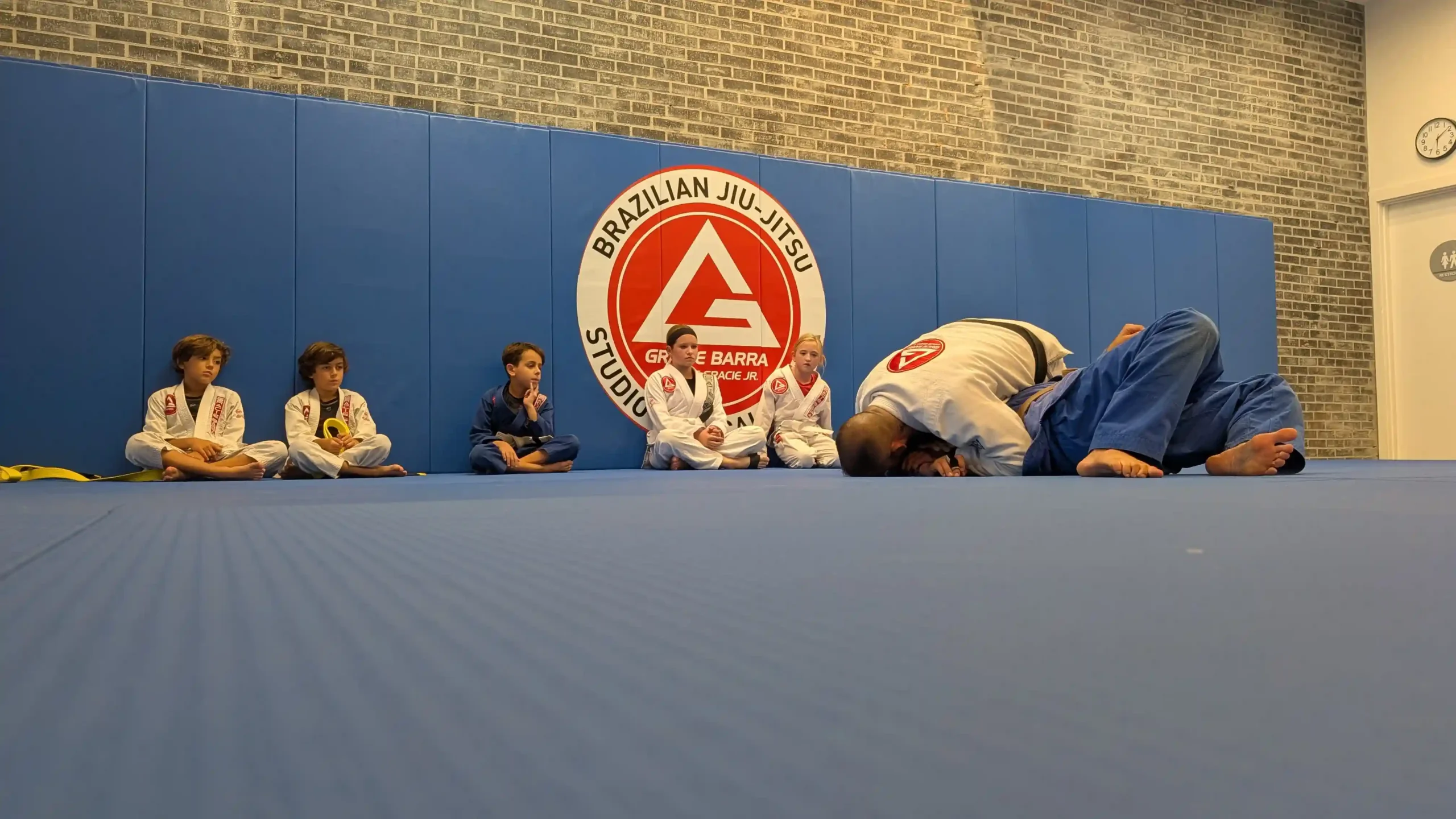
Comprehensive Guide to Jiu Jitsu Belt Colors: Rankings and Graduation Requirements
Brazilian Jiu Jitsu (BJJ) uses a hierarchical belt system to denote skill, experience, and time spent on the mats. For adults, the primary colors are white, blue, purple, brown, and black, followed by coral and red for masters. Promoti...
Brazilian Jiu Jitsu (BJJ) uses a hierarchical belt system to denote skill, experience, and time spent on the mats. For adults, the primary colors are white, blue, purple, brown, and black, followed by coral and red for masters. Promotion is based on technical proficiency, sparring ability, and time-in-grade requirements established by governing bodies like the IBJJF.
Contents
The Brazilian Jiu Jitsu ranking system is widely considered one of the most rigorous in martial arts. Unlike many traditional systems where a black belt can be achieved in three to four years, a BJJ black belt typically requires a decade or more of consistent, high-level training. As of 2026, the International Brazilian Jiu-Jitsu Federation (IBJJF) continues to provide the standardized framework that most academies worldwide follow to maintain consistency across the sport.
Understanding the belt colors is not just about knowing the order; it is about understanding the psychological and technical evolution that occurs at each stage. This guide explores the adult and youth ranking systems, the requirements for progression, and the deeper meaning behind each color.
The Adult Belt System: From Beginner to Master
The adult ranking system applies to practitioners aged 16 and older. Each belt represents a distinct phase of a martial artist's development, moving from basic survival to technical mastery and eventually to the philosophical depths of the "gentle art."
White Belt: The Foundation of Survival
The white belt is the starting point for every practitioner, regardless of their athletic background. At this stage, the primary objective is survival. New students often find themselves overwhelmed by the complexity of ground fighting and the physical pressure of sparring (rolling).
Technically, a white belt focuses on foundational movements: bridging, shrimping, and learning how to fall safely. This period is dedicated to understanding basic positions—such as the guard, side control, and mount—and learning how to escape from inferior positions. Most practitioners spend one to three years at white belt, depending on their training frequency and the academy's specific curriculum.
Blue Belt: The Technical Awakening
The blue belt is the first major promotion and often the most challenging psychological hurdle. Often referred to as the "gateway" belt, it signifies that a student has moved beyond basic survival and can now implement offensive techniques. According to IBJJF guidelines, a student must be at least 16 years old to hold a blue belt.
At this level, practitioners begin to develop a "game," choosing specific guards or passing styles that suit their body type. However, the blue belt is also where the "Blue Belt Blues" occur—a phenomenon where practitioners quit after achieving their first major rank. Consistency is the most critical factor here, as the jump from blue to purple requires a deep technical library and the ability to link techniques together into fluid sequences.
Purple Belt: The Intellectual Phase
The purple belt is widely regarded as the rank where a practitioner becomes truly dangerous. It is the bridge between the intermediate and advanced levels. By the time a student reaches purple belt, they usually have three to five years of experience and a sophisticated understanding of BJJ mechanics.
The focus shifts from learning new moves to refining the ones already known. Purple belts are expected to have a "reflexive" game, where they no longer have to think about their responses. This is also the rank where many practitioners begin to assist in teaching or leading warm-ups. The IBJJF requires a minimum of two years spent at the purple belt level before a practitioner can be considered for brown belt.
Brown Belt: The Refining of the Craft
The brown belt is a period of elite-level refinement. At this stage, the practitioner is essentially a "black belt in training." Most of the technical learning is complete; the focus is now on precision, timing, and weight distribution. Brown belts are often distinguished by their "heavy" pressure and their ability to capitalize on the smallest mistakes made by their opponents.
During the minimum one-year tenure at brown belt required by the IBJJF, the practitioner works on closing any remaining gaps in their defense and sharpening their submission transitions. This is also a time for deep introspection regarding their personal style and how they might eventually contribute to the sport as a black belt instructor.
Black Belt: Mastery and Teaching
Achieving a black belt in Jiu Jitsu is a life-altering milestone. It signifies a high level of technical and practical expertise. However, most black belts will tell you that the rank is simply a new beginning—a "license to learn" at a much deeper level.
A black belt must be at least 19 years old. Promotion beyond the initial black belt is based on time and contribution to the sport. Degrees (stripes) are awarded over decades: the first three degrees take three years each of active practice and teaching, while subsequent degrees take even longer.
Beyond the Black Belt: Coral and Red Belts
When a practitioner reaches the 7th and 8th degrees of their black belt, the belt color changes to reflect their status as a master.
- Red and Black Belt (7th Degree): Often called the Coral Belt, this is awarded after 31 years of active practice at the black belt level.
- Red and White Belt (8th Degree): This second Coral Belt is awarded after an additional seven years of practice.
- Red Belt (9th and 10th Degree): The 9th degree red belt is the highest possible rank for a living practitioner, requiring 48 years of practice at the black belt level. The 10th degree is reserved exclusively for the pioneers of Brazilian Jiu-Jitsu, the Gracie brothers.
The Youth Ranking System
To keep children motivated and provide a more granular sense of progress, the youth system (ages 4 to 15) includes several more colors than the adult system. Each color group consists of three variations: a belt with a white horizontal stripe (beginner in that rank), a solid color belt, and a belt with a black horizontal stripe (advanced in that rank).
| Age Group | Belt Colors | Purpose |
|---|---|---|
| 4 - 15 Years | White | Introductory rank for all children. |
| 4 - 15 Years | Grey (Grey/White, Solid, Grey/Black) | Early foundations and focus on discipline. |
| 7 - 15 Years | Yellow (Yellow/White, Solid, Yellow/Black) | Increased technical complexity and competition entry. |
| 10 - 15 Years | Orange (Orange/White, Solid, Orange/Black) | Advanced movements and developing a personal style. |
| 13 - 15 Years | Green (Green/White, Solid, Green/Black) | Final preparation for the transition to the adult system. |
When a youth practitioner turns 16, they are transitioned into the adult system. Typically, a Green belt will move directly to Blue belt, while lower youth ranks may be moved to White or Blue depending on their instructor's assessment of their skills.
Promotion Criteria and Time Requirements
Promotion in Jiu Jitsu is rarely based on a single test. Instead, it is a holistic evaluation of several factors. While the IBJJF Graduation System sets minimum time requirements, these are "floors," not "ceilings."
Technical Proficiency
The most obvious factor is the student's knowledge of the curriculum. Can they perform a scissor sweep? Do they understand the mechanics of a triangle choke? As a student moves up the ranks, they are expected to know more techniques and perform them with greater precision.
Sparring and "Live" Application
Unlike some martial arts, BJJ requires "live" application. A student must demonstrate that their techniques work against a resisting opponent during live sparring (rolling). A purple belt candidate, for example, is expected to hold their own against other purple belts and consistently dominate blue belts.
Consistency and Mat Hours
There is no substitute for time on the mat. Instructors track attendance to ensure that a student's body has had enough time to develop the necessary muscle memory. A student training five days a week will naturally progress faster than one training twice a week.
The Stripe System
Between belt colors, instructors use "stripes" (usually pieces of athletic tape wrapped around the black bar of the belt) to mark incremental progress. In the adult system, there are typically four stripes per belt. Stripes serve as a motivational tool and a way for instructors to keep track of where a student stands within their current rank.
Comparative Overview of Adult Rankings
The following table summarizes the standard requirements for adult belt progression as recognized by major international federations in 2026.
| Belt Rank | Minimum Age | Minimum Time in Rank | Key Focus Area |
|---|---|---|---|
| White | None | N/A | Survival and Basic Escapes |
| Blue | 16 | 2 Years | Technique Library and Defense |
| Purple | 16 | 2 Years | Flow and Combining Techniques |
| Brown | 18 | 1 Year | Pressure and Advanced Refinement |
| Black | 19 | 31 Years (to Master) | Mastery and Theoretical Insight |
| Red/Black | 50 | 7 Years | Master (7th Degree) |
| Red/White | 57 | 10 Years | Master (8th Degree) |
| Red | 67 | N/A | Grandmaster (9th Degree) |
Note: Minimum time in rank for Blue and Purple can sometimes be adjusted for world-class competitors, but the IBJJF strictly enforces these for sanctioned tournaments.
Frequently Asked Questions
How long does it take to get a black belt in Jiu Jitsu?
On average, it takes between 8 and 12 years of consistent training (3–4 times per week) to earn a black belt. Some exceptional athletes and competitors have achieved it in less time, while hobbyists training less frequently may take 15 years or more.
Can you skip belt ranks in BJJ?
Generally, no. The culture of BJJ emphasizes "earning your time" at each level. Even world-class wrestlers or Judokas entering BJJ must start at white belt, though they usually progress through the ranks much faster than the average student due to their existing grappling base.
What is the "Blue Belt Curse"?
The "Blue Belt Curse" refers to the high attrition rate among blue belts. Many students quit at this stage because the initial excitement of starting a new hobby has worn off, and the realization of how much more they have to learn to reach purple or black belt becomes daunting.
Are belt colors different for No-Gi Jiu Jitsu?
In No-Gi (grappling without the traditional kimono), practitioners do not wear belts. However, many academies and tournaments use "ranked rash guards" (shirts with the color of the practitioner's belt) to indicate their rank. The ranking requirements remain the same as Gi BJJ.
Does every academy follow the IBJJF rules?
While the IBJJF is the largest and most influential body, it is not a "government." Some independent academies or smaller federations may have slightly different age requirements or stripe systems. However, most reputable schools stay close to IBJJF standards to ensure their students' ranks are recognized globally.
Summary and Next Actions
The Jiu Jitsu belt system is a journey of personal and physical development. Each color represents a hard-won victory over one's own limitations. If you are a new student, your primary goal should not be the next belt, but simply the next class.
Recommended Next Steps:
- Focus on Attendance: Aim for a minimum of three classes per week to build the necessary muscle memory.
- Study the Curriculum: Familiarize yourself with the basic positions of your academy’s syllabus.
- Invest in Quality Gear: Ensure you have a durable Gi and a belt that meets your academy's requirements.
- Track Your Progress: Keep a training log to note what you learned in each session, which helps in identifying technical gaps.
Image Gallery