Navigating the Dynamics of Online Event Registration Services
Online event registration services act as the critical digital infrastructure bridging event organizers and attendees, transforming how ticketing, data collection, and access management operate in modern gatherings. These platforms han...
Online event registration services act as the critical digital infrastructure bridging event organizers and attendees, transforming how ticketing, data collection, and access management operate in modern gatherings. These platforms handle everything from simple RSVP collection for local workshops to complex, multi-track international conferences featuring tiered pricing, custom data fields, and integrated payment gateways. Understanding their operational mechanics helps organizers optimize user acquisition, streamline data compliance, and elevate the overall participant experience.
Contents
The Core Architecture of Modern Event Registration Platforms
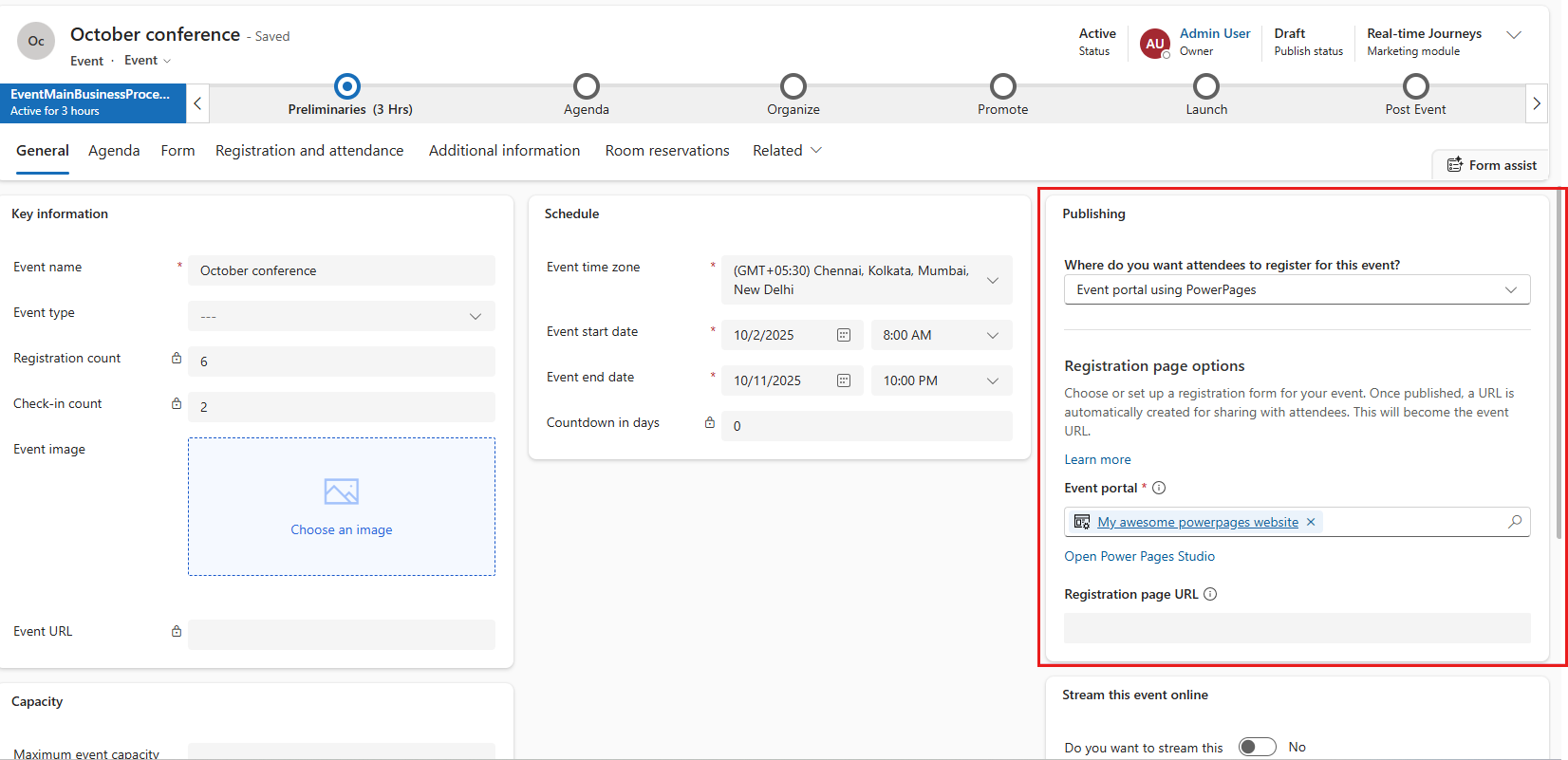
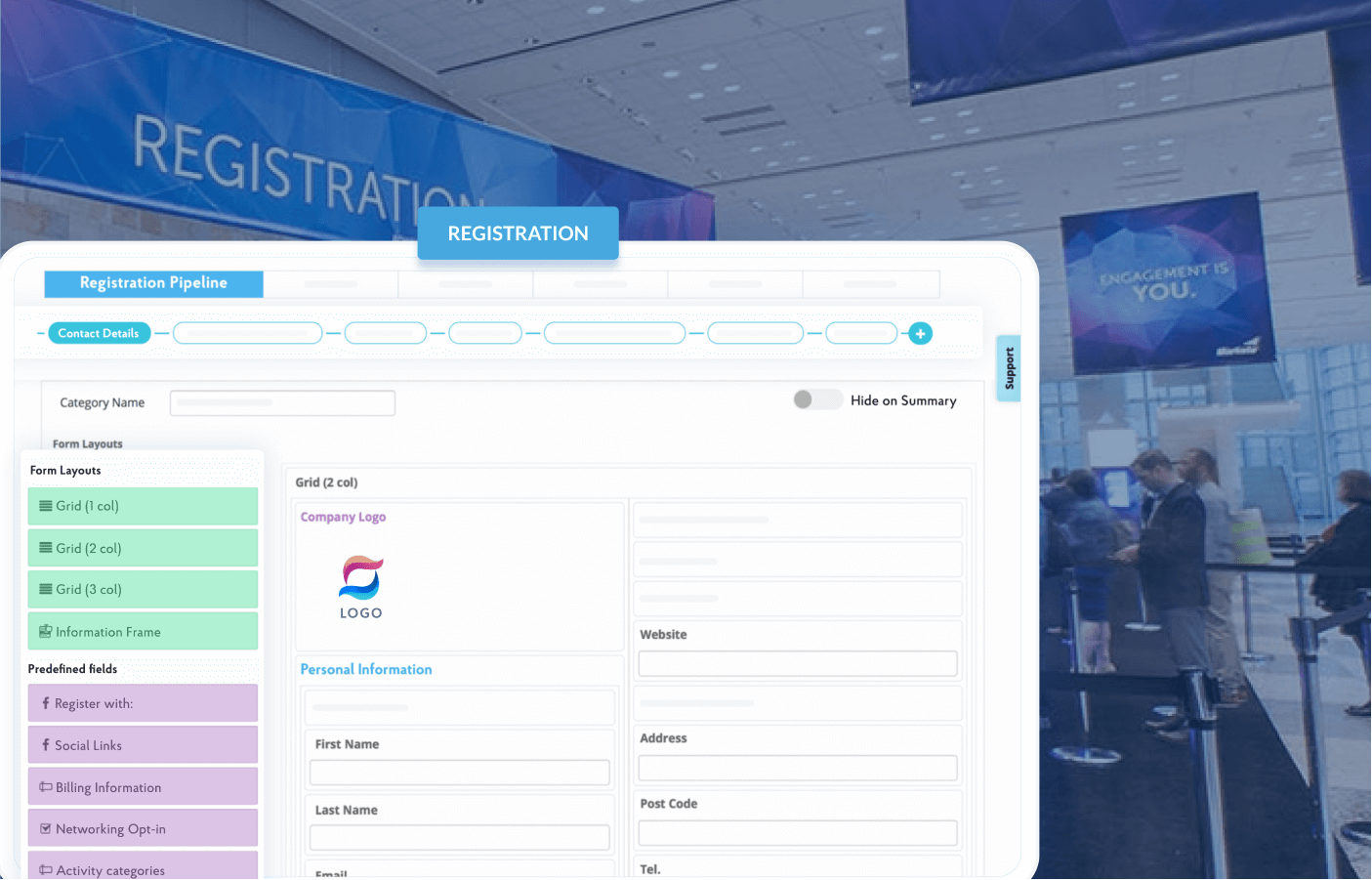
At their core, online event registration services function as specialized database management and transaction processing systems. Organizers configure an event profile, establish ticket tiers, and publish a web-based form that captures attendee information. When a user submits their details and completes payment, the platform instantly records the transaction, issues a unique confirmation credential—such as a barcode or QR code—and updates the available inventory in real time.
This immediate feedback loop relies on cloud-based infrastructure designed to handle traffic spikes. For instance, when high-demand concerts or corporate keynotes open registration, these platforms utilize content delivery networks (CDNs) and scalable database architecture to prevent downtime. Organizers no longer need to provision their own servers; instead, they lease software-as-a-service (SaaS) environments equipped with built-in security certificates, automated transactional emails, and responsive mobile layouts that adapt to any screen size.
Essential Features and Technical Capabilities
Selecting the right registration service requires balancing user experience against administrative complexity. Modern platforms offer a diverse toolkit designed to automate workflows and minimize manual data entry.
Custom Form Fields and Conditional Logic
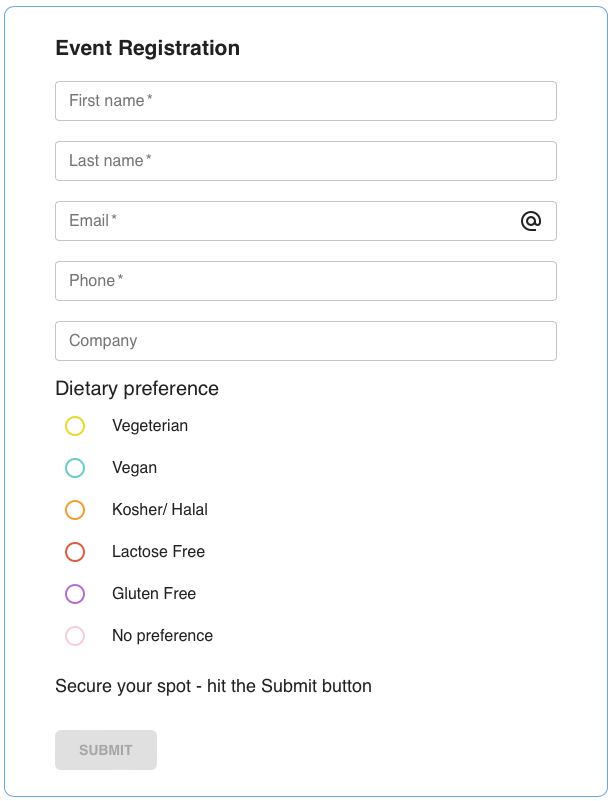
Basic registration requires only a name and email address, but professional events often demand detailed demographic information, dietary restrictions, session selections, and workshop preferences. Advanced platforms support conditional logic, meaning form fields dynamically appear or disappear based on prior user inputs. For example, selecting "VIP Pass" can instantly trigger a sub-menu asking for hotel accommodation preferences or company sponsorship levels, keeping the interface clean for standard attendees while gathering necessary data from elite participants.
Secure Payment Gateways and Financial Processing
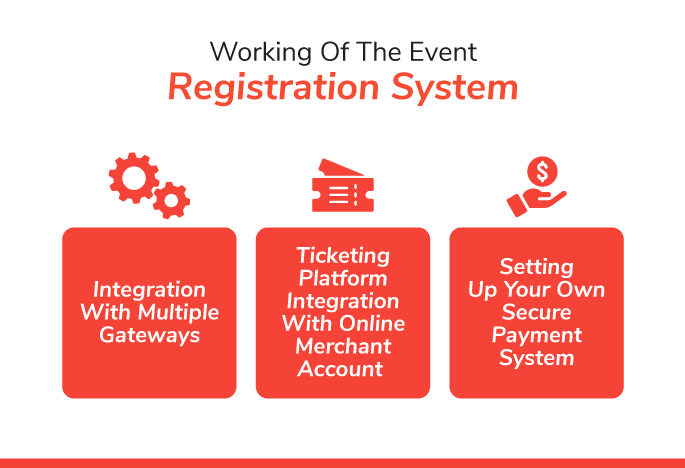
Monetizing an event securely is non-negotiable. Leading registration services integrate directly with established payment processors like Stripe, PayPal, and Authorize.Net. These integrations handle credit card tokenization, regional currency conversion, and automated tax calculations. Organizers must evaluate transaction fees closely, as platforms typically charge a flat percentage plus a per-ticket fee on top of the merchant processor's standard charges.
Access Control and Check-In Applications
The digital journey does not end at registration. On-site execution relies on companion mobile applications that turn tablets or smartphones into barcode scanners. These check-in apps sync with the cloud database in real time, preventing duplicate ticket usage, tracking peak arrival times, and providing instant attendance analytics as guests walk through the doors.
| Feature Category | Basic Functionality | Advanced Capabilities | Ideal Use Case |
|---|---|---|---|
| Form Builder | Standard fields (Name, Email) | Conditional logic, multi-page flows | Multi-track conferences, academic symposiums |
| Ticketing | Single flat-rate ticket price | Tiered pricing, promo codes, waitlists | Concerts, high-demand product launches |
| Payment Processing | Manual offline payments or basic PayPal | Multi-currency, automated tax, split payouts | International virtual summits, paid workshops |
| Check-In Tools | Printable attendee lists | Real-time QR scanning, badge printing | Trade shows, corporate galas |
Data Privacy, Security, and Compliance Standards
Because online registration services collect personally identifiable information (PII) and financial details, compliance with global data privacy regulations is paramount. Organizers and platform providers share the responsibility of safeguarding user data against unauthorized access or breaches.
Under frameworks like the European Union's General Data Protection Regulation (GDPR) and the California Consumer Privacy Act (CCPA), registrants must be given explicit notice of how their data will be used. They retain the right to request data deletion or export their information. Consequently, robust registration platforms feature built-in consent checkboxes, automated data retention schedules, and secure encryption protocols—such as Transport Layer Security (TLS) for data in transit and Advanced Encryption Standard (AES) for data at rest.
Furthermore, platforms processing credit card transactions must maintain Payment Card Industry Data Security Standard (PCI-DSS) compliance. Organizers should verify that a prospective service provider hosts its infrastructure on secure, certified cloud environments rather than storing raw financial data on local servers.
Comparing Hosted Registration Pages Versus Embedded Solutions
When deploying an event registration service, organizers generally choose between two distinct integration methods: standalone hosted landing pages or embedded widgets integrated directly into an existing website.
Hosted Registration Pages
- Pros: Rapid setup, zero coding required, optimized mobile responsiveness out of the box, and managed hosting provided entirely by the vendor.
- Cons: Branding is typically restricted to logo placement and color customization; traffic is directed to a third-party domain, which can disrupt brand continuity.
Embedded Widgets and APIs
- Pros: Keeps users on the organization's primary website, preserving domain authority and offering complete visual control over design elements.
- Cons: Requires technical web development resources to install and troubleshoot; potential conflicts with existing content management system (CMS) scripts.
Organizations with limited technical staff generally benefit from hosted pages, while enterprises with dedicated web teams often utilize application programming interfaces (APIs) and embedded widgets to maintain a seamless brand ecosystem.
Common Pitfalls in Event Registration Management
Even with sophisticated software, poor planning can lead to registration bottlenecks, data errors, and frustrated attendees. Avoiding these common mistakes ensures a smoother operational cycle.
- Overcomplicating the Registration Form: Demanding too much information upfront dramatically increases cart abandonment rates. Organizers should collect only essential data during initial checkout and gather secondary details via post-registration surveys.
- Failing Load Testing for High-Demand Launches: Assuming a server can handle high traffic without verification often results in website crashes during peak registration windows. Organizers should consult with their platform provider regarding expected concurrency limits.
- Neglecting Mobile Optimization: A significant percentage of attendees register via smartphones. If form buttons are too small or payment gateways fail to render on mobile browsers, conversions plummet.
- Ignoring Clear Refund Policies: Ambiguous cancellation terms generate high volumes of customer support inquiries and potential chargeback disputes. Clear terms should be embedded directly into the checkout confirmation flow.
Frequently Asked Questions
What are the typical costs associated with online event registration services?
Pricing models vary. Some platforms charge a flat monthly subscription fee, while others operate on a per-ticket commission model (e.g., a percentage of each sale plus a small fixed fee). Free events are often hosted at zero cost, though advanced features usually require paid tiers.
How do online registration services handle waitlists when an event sells out?
Advanced platforms automatically activate a waitlist feature once capacity is reached. When a registered attendee cancels their ticket, the system automatically notifies the next person in line, granting them a limited window to complete their registration and payment.
Can registration services integrate with customer relationship management (CRM) tools?
Yes. Most leading platforms offer native integrations or third-party connector tools (such as Zapier) to sync attendee data instantly with popular CRMs like Salesforce, HubSpot, or email marketing software like Mailchimp.
Are online registration services compliant with data privacy laws?
Reputable platforms adhere strictly to regulations like GDPR and CCPA by offering tools for data export, explicit consent management, and secure data storage. However, the event organizer remains legally responsible for how they use and store the collected data.
What should I do if a participant experiences a payment processing error?
First, verify that the payment gateway is operational via the platform's status page. Instruct the user to check their card details, ensure sufficient funds, or try an alternative payment method. If the issue persists, examine the platform's transaction logs to identify whether the decline originated from the user's bank or the gateway itself.
Strategic Next Actions for Event Organizers
To successfully implement an online registration service, begin by auditing your event's specific requirements—such as attendee volume, payment complexity, and data collection needs. Compare software vendors based on transaction fee structures, API flexibility, and customer support responsiveness. Run a test registration cycle with internal team members to verify form usability, confirmation email delivery, and mobile responsiveness before launching your public campaign.
Image Gallery