Understanding Passenger Seat Comfort Inside the ATR 72-600
The ATR 72-600 is a twin-engine turboprop aircraft designed for short-haul regional operations, typically featuring a 72-seat configuration. Passenger comfort in this aircraft is primarily defined by its narrow-body dimensions, a 2-2 s...
The ATR 72-600 is a twin-engine turboprop aircraft designed for short-haul regional operations, typically featuring a 72-seat configuration. Passenger comfort in this aircraft is primarily defined by its narrow-body dimensions, a 2-2 seating arrangement without middle seats, and the specific ergonomic standards implemented by ATR and individual airline operators during cabin customization.
Contents
The ATR 72-600, manufactured by Avions de Transport Régional, represents the latest iteration of the long-standing ATR 72 family. As a regional workhorse, its design prioritizes operational efficiency, short-runway performance, and fuel economy. However, because it is a turboprop aircraft with a fuselage narrower than typical jet-powered aircraft like the Boeing 737 or Airbus A320, passengers often have specific questions regarding seat comfort, legroom, and the cabin environment.
Cabin Dimensions and Layout
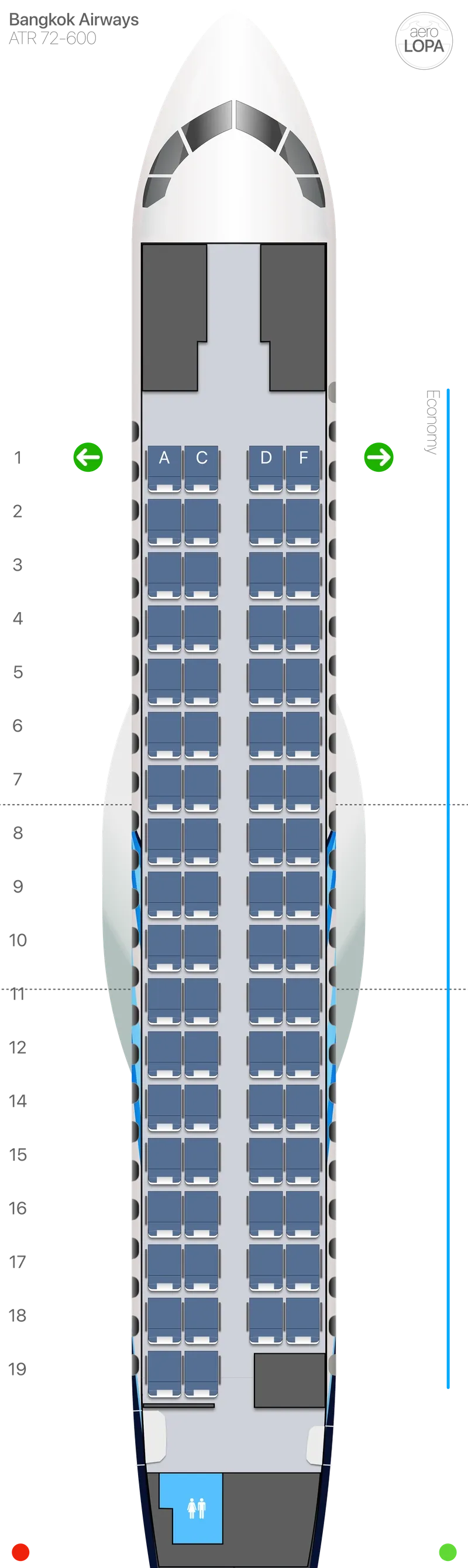
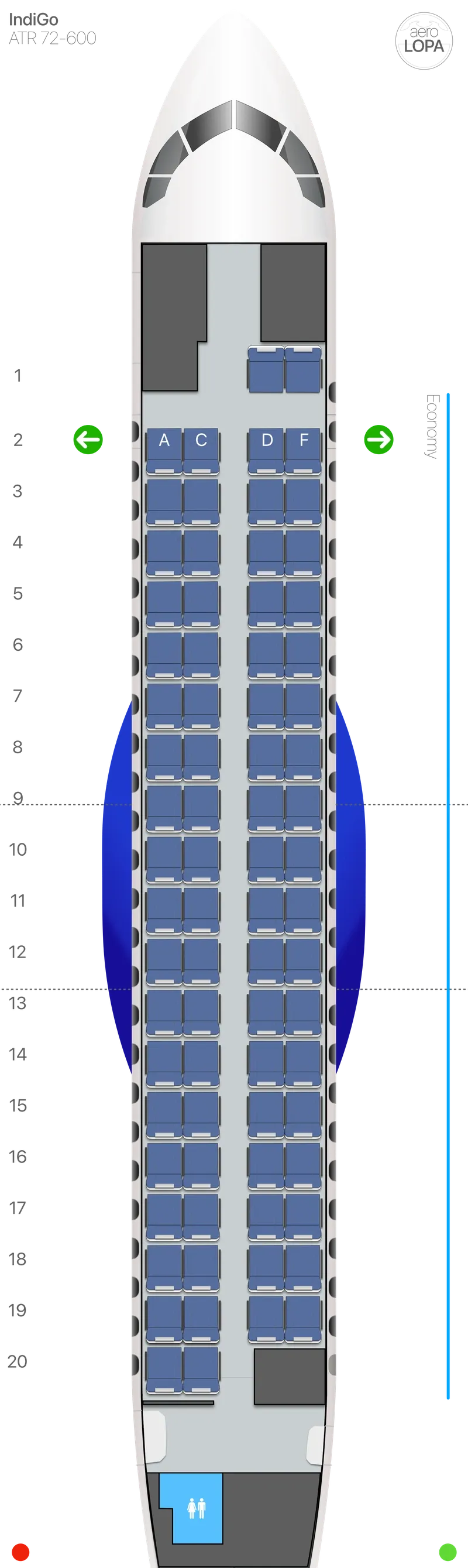
The ATR 72-600 features a fuselage width of approximately 2.57 meters (8.4 feet). In a standard 72-seat layout, the aircraft utilizes a 2-2 configuration. This is a significant advantage for many passengers, as it eliminates the dreaded middle seat, ensuring that every passenger has either a window or an aisle seat.
The interior height of the cabin is approximately 1.91 meters (6.3 feet), which allows most passengers to stand upright, though taller individuals may notice the slight curvature of the overhead bins encroaching into the headroom. The 2-2 layout facilitates faster boarding and deplaning compared to larger single-aisle jets, which contributes to the overall perception of a more efficient, albeit smaller, travel experience.
Seat Ergonomics and Specifications
When discussing "comfort" in the ATR 72-600, it is essential to distinguish between the manufacturer’s baseline specifications and the specific seats chosen by airlines. ATR provides cabin interiors, such as the "Armonia" cabin, which introduced features like slimmer, lighter seats to increase legroom and improve weight distribution.
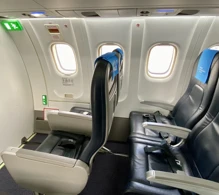
- Seat Pitch: This is the distance from one point on a seat to the same point on the seat behind it. On most ATR 72-600 operators, the pitch typically ranges from 29 to 31 inches. While this is standard for economy-class regional travel, it is less than what one might find on wide-body long-haul aircraft.
- Seat Width: The internal width of the seat is generally around 17 to 18 inches. Because of the narrower fuselage, the armrests are sometimes thinner than those found on larger aircraft, which is a design trade-off to maximize cabin space.
- Recline: Seats on regional turboprops often have a limited recline capability. This is intentional to ensure that the passenger behind does not have their personal space significantly compromised during short flights, which usually last less than two hours.
Factors Influencing the Passenger Experience
Several technical and operational factors influence how comfortable a passenger feels inside an ATR 72-600.
Cabin Noise and Vibration
As a turboprop aircraft, the ATR 72-600 produces a different noise profile than a jet engine. The propeller-driven engines generate a distinct low-frequency hum. While ATR has implemented sound-dampening technology in the -600 series to minimize interior decibel levels, passengers seated near the propellers (typically the mid-cabin section) will experience more vibration and noise than those in the front or rear.
Air Conditioning and Lighting
The -600 series features an updated environmental control system. The cabin is designed to maintain consistent temperatures, but due to the smaller volume of air compared to a larger jet, the system reacts quickly to changes. LED mood lighting is standard in the newer Armonia cabin configurations, which helps reduce the "cramped" feeling by providing a more expansive visual environment.
Overhead Storage
The overhead bins in the ATR 72-600 are designed for smaller carry-on items. Many airlines enforce strict carry-on size limits because standard-sized rolling suitcases often do not fit in these compartments. This often results in a "gate-check" procedure, where passengers leave larger bags on the tarmac to be loaded into the cargo hold. While this requires extra effort, it prevents the cabin from feeling overcrowded with bulky luggage.
Comparison of Regional Cabin Comfort
| Feature | ATR 72-600 | Typical Regional Jet (e.g., E175) |
|---|---|---|
| Seating Layout | 2-2 | 2-2 |
| Middle Seats | None | None |
| Propulsion | Turboprop | Turbofan |
| Noise Profile | Higher (Vibration-heavy) | Lower (Smoother) |
| Boarding/Deplaning | Very Fast | Fast |
| Cabin Feel | Intimate/Utility-focused | Modern/Jet-like |
Selecting the "Best" Seat
For travelers seeking the highest level of comfort on an ATR 72-600, seat selection is key:
- Front Row (Row 1): Often offers the most generous legroom due to the bulkhead, though you may not be able to store bags at your feet during takeoff and landing.
- Exit Rows: These seats provide significantly more legroom, which is the most sought-after comfort upgrade in a regional cabin. Note that these seats typically have fixed armrests and you must be willing to assist in an emergency.
- Avoid Mid-Cabin: If you are sensitive to noise, try to avoid seats directly adjacent to the propellers (rows 5 through 9, depending on the specific airline configuration). The aft (rear) cabin is generally quieter.
Practical Limitations and Recommendations
Passengers should be aware that the ATR 72-600 is optimized for regional routes. Expecting the amenities of a long-haul wide-body aircraft—such as personal entertainment screens, power outlets at every seat, or large tray tables—is generally unrealistic.
- Manage Expectations: Bring noise-canceling headphones to mitigate the ambient propeller noise.
- Pack Light: Adhere strictly to the carry-on baggage policies of your specific airline. If your bag is too large for the ATR cabin, be prepared to gate-check it.
- Hydration and Layers: Turboprop cabins can be sensitive to exterior temperature changes during the ascent and descent phases; dressing in layers is recommended.
If you are a frequent traveler on routes served by the ATR 72-600, consider joining a frequent flyer program that allows for priority boarding. Since overhead bin space is limited, being one of the first on the aircraft ensures your personal item is stowed conveniently, which significantly reduces the stress of a short-haul flight. Always check your specific airline’s seat map via their official website or mobile app before departure to ensure you choose the seat that best meets your personal preferences for legroom and cabin location.
Frequently Asked Questions
Are ATR 72-600 seats smaller than those on a Boeing 737? Yes, generally. While the seat width is comparable, the overall cabin environment is tighter. You will have more personal space laterally because there is no middle seat, but the legroom and seat thickness are typically less than that found on mainline jet aircraft.
Is it louder inside an ATR 72-600 than a regular jet? Yes. Even with modern soundproofing, the turboprop engines produce more low-frequency vibration and noise than turbofan jet engines. If you are sensitive to noise, bring high-quality earplugs or active noise-canceling headphones.
Can I store my carry-on bag in the overhead bins? It depends on the size of your bag. The overhead bins on an ATR 72-600 are significantly smaller than on a Boeing or Airbus jet. Most standard "carry-on" size bags will need to be gate-checked before boarding.
Does every seat have a window view? Because of the 2-2 configuration, you are guaranteed either a window or an aisle seat. There is no such thing as a "middle" seat, which is a major comfort benefit of the ATR 72-600 layout.
Do these seats have power outlets for charging devices? This depends entirely on the airline’s cabin outfitting. Some modern operators have retrofitted their ATR 72-600s with USB ports, but it is not a standard feature across all aircraft. Always verify your specific flight's amenities on your airline’s booking portal.
Image Gallery