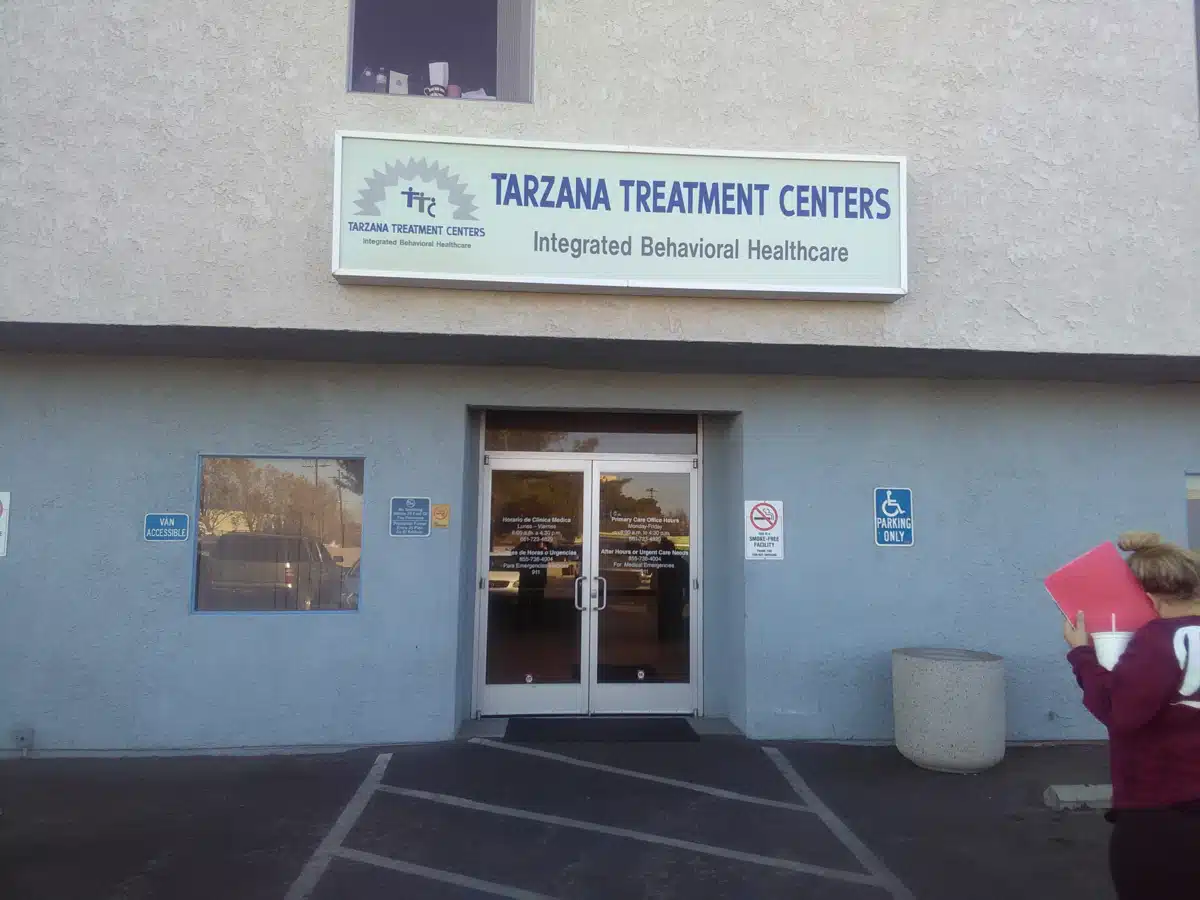
Tarzana Treatment Center Detox Explained: A Comprehensive Guide to Medical Withdrawal Management
Tarzana Treatment Centers (TTC) provides medically supervised detoxification services designed to stabilize individuals withdrawing from alcohol and drugs. By combining 24-hour medical monitoring with psychological support, the detox p...
Tarzana Treatment Centers (TTC) provides medically supervised detoxification services designed to stabilize individuals withdrawing from alcohol and drugs. By combining 24-hour medical monitoring with psychological support, the detox program ensures safety during the most physically demanding stage of recovery, serving as the essential first step before transitioning into long-term rehabilitation or outpatient care.
Contents
In 2026, navigating the complexities of addiction recovery requires a clear understanding of what medical stabilization entails. Tarzana Treatment Centers has long been a cornerstone of the Southern California recovery community, offering an integrated healthcare model that treats the whole person rather than just the addiction. This guide explains the clinical protocols, admission requirements, and the comprehensive care model utilized during the detox phase at TTC.
The Medical Necessity of Supervised Detoxification
Detoxification is the process by which the body clears itself of drugs and alcohol. While often viewed as a simple period of "waiting it out," medical detox at a facility like Tarzana Treatment Centers is a high-level clinical intervention. For many substances, the withdrawal process is not only uncomfortable but can be life-threatening.
Preventing Life-Threatening Complications
Alcohol and benzodiazepine withdrawal, in particular, carry the risk of grand mal seizures and Delirium Tremens (DTs). Without medical supervision, these conditions can lead to permanent neurological damage or death. At TTC, the detox protocol involves the use of medications that cross-tolerate with the substance of abuse, allowing for a gradual, controlled tapering that keeps the brain’s excitability within safe limits.
Improving Long-Term Outcomes
Research from the National Institute on Drug Abuse (NIDA) consistently shows that individuals who complete a formal medical detox are significantly more likely to transition into residential or outpatient treatment. The "cold turkey" approach often leads to immediate relapse because the physical cravings and pain of withdrawal become unbearable. Tarzana’s approach focuses on "comfort medications" and stabilization to ensure the patient is physically capable of participating in the next phase of therapy.
The TTC Detox Process: From Intake to Stabilization
The journey through detox at Tarzana Treatment Centers is structured into three distinct phases: Evaluation, Stabilization, and Fostering Entry into Treatment. Each phase is managed by a multidisciplinary team consisting of physicians, registered nurses, and certified substance use disorder (SUD) counselors.
1. Comprehensive Clinical Assessment
Upon arrival, a patient undergoes a thorough biopsychosocial assessment. This is not merely a formality; it determines the level of care required based on the American Society of Addiction Medicine (ASAM) criteria.
- Medical History: Reviewing past withdrawal experiences, existing chronic conditions (like diabetes or hypertension), and current physical health.
- Substance Profile: Determining the types of substances used, the frequency of use, and the duration of the addiction.
- Mental Health Screening: Identifying co-occurring disorders such as depression or PTSD that may complicate the withdrawal process.
2. Medical Stabilization
Once admitted, the patient enters the stabilization phase. This is the "active" part of detox where the body reacts to the absence of the substance. TTC staff utilize standardized tools to measure the severity of withdrawal:
- CIWA-Ar (Clinical Institute Withdrawal Assessment for Alcohol): A scale used to monitor nausea, tremors, sweating, and anxiety to determine the dosage of medications like benzodiazepines for alcohol withdrawal.
- COWS (Clinical Opiate Withdrawal Scale): Used to monitor opioid withdrawal symptoms like heart rate, pupil size, and bone/joint pain to guide the administration of medications like buprenorphine.
3. Integrated Care and Psychological Support
Unique to the Tarzana Treatment Centers model is the integration of primary care. Because TTC is a Federally Qualified Health Center (FQHC) look-alike, patients have access to medical doctors who can treat underlying infections, nutritional deficiencies, and other health issues that often accompany long-term substance abuse.
Substances Treated and Specific Detox Protocols
Not all detoxes are created equal. The clinical team at TTC tailors the pharmacological approach based on the specific substance being cleared from the system.
| Substance Class | Primary Risks During Detox | Clinical Intervention Protocol |
|---|---|---|
| Alcohol | Seizures, Hallucinations, DTs | Benzodiazepine taper, hydration, Vitamin B1 (Thiamine) |
| Opioids | Intense pain, vomiting, dehydration | Buprenorphine (Subutex), Clonidine, anti-emetics |
| Benzodiazepines | Rebound anxiety, seizures, psychosis | Long-acting benzodiazepine taper (e.g., Diazepam) |
| Stimulants | Severe depression, suicidal ideation | Sleep support, psychological monitoring, hydration |
Alcohol Detoxification
Alcohol withdrawal is one of the most dangerous. In 2026, TTC continues to use evidence-based "symptom-triggered" dosing. This means medications are given based on the patient's actual symptoms rather than a fixed schedule, which has been shown to reduce the total amount of medication needed and shorten the stay.
Opioid Withdrawal Management
With the continued prevalence of high-potency synthetic opioids like fentanyl, the detox process has become more complex. TTC utilizes Medication-Assisted Treatment (MAT) early in the process to block cravings and prevent the "precipitated withdrawal" that can occur if certain medications are administered too soon.
Levels of Care at Tarzana Treatment Centers
TTC offers various levels of withdrawal management depending on the severity of the addiction and the patient’s physical health. These levels are aligned with California's Department of Health Care Services (DHCS) standards.
Inpatient Medical Detox (Level 3.7 or 4.0)
This is the most intensive level of care. It involves 24-hour nursing and physician availability. It is reserved for those with a high risk of severe withdrawal or those with significant medical complications. Patients stay in a secure, clinical environment where their vitals are monitored around the clock.
Residential Detox (Level 3.2)
For individuals who are stable but still need a drug-free environment and 24-hour support, residential detox offers a less clinical, more home-like setting. While medical staff are still present, the focus begins to shift toward counseling and preparing for the transition to a long-term residential program.
Facilities and Locations
Tarzana Treatment Centers operates multiple sites across Southern California. While the flagship location is in Tarzana, they have significant operations in:
- Lancaster: Serving the Antelope Valley with comprehensive inpatient and outpatient services.
- Long Beach: Providing specialized care for diverse populations in the South Bay area.
- Northridge and Reseda: Offering various levels of outpatient and mental health support.
Each facility is accredited by The Joint Commission, ensuring that they meet rigorous national safety and quality-of-care standards. In 2026, these facilities remain upgraded with modern monitoring technology to ensure patient safety during the critical first 72 hours of detox.
Insurance, Costs, and Eligibility in 2026
One of the primary missions of Tarzana Treatment Centers is accessibility. As a non-profit organization, they accept a wide range of payment methods that many private facilities do not.
Medi-Cal and Public Assistance
TTC is a major provider for Medi-Cal recipients in Los Angeles County. Through the Drug Medi-Cal Organized Delivery System (DMC-ODS), eligible residents can often access detox services with little to no out-of-pocket cost.
Private Insurance
TTC is in-network with most major private insurance carriers, including Blue Cross, Blue Shield, Aetna, and Cigna. The intake department performs a "Verification of Benefits" (VOB) before admission to provide a clear picture of any co-pays or deductibles.
Uninsured Patients
For those without insurance, TTC offers a sliding fee scale based on income. As a community-oriented provider, they strive to ensure that no one is turned away due to a genuine inability to pay, though beds are subject to availability.
Transitioning After Detox: The Continuum of Care
Detox is not "treatment"—it is the preparation for treatment. TTC emphasizes the importance of the continuum of care. Once a patient is medically stable, the staff works aggressively to move them into the next phase:
- Residential Treatment: High-intensity therapy in a 24/7 supervised environment, usually lasting 30 to 90 days.
- Intensive Outpatient (IOP): Allowing the patient to live at home while attending several hours of therapy daily.
- Sober Living: Providing a stable, drug-free housing environment while the patient reintegrates into work or school.
Common Mistakes to Avoid During Detox
When seeking help at a center like Tarzana, patients and families should be aware of common pitfalls:
- Leaving Against Medical Advice (AMA): Many patients feel significantly better after 48 hours and believe they are "cured." However, the psychological cravings usually peak after the physical symptoms subside. Leaving early almost always results in relapse.
- Underreporting Use: It is vital to be honest with the medical staff about the quantity and type of substances used. Hiding a benzodiazepine habit while being treated for opioids can lead to untreated, dangerous seizures.
- Focusing Only on the Physical: Use the detox period to connect with a counselor. The biological clearing of the body is only 10% of the battle; the remaining 90% is addressing the underlying reasons for use.
Frequently Asked Questions
How long does the detox process take at Tarzana Treatment Centers?
The duration typically ranges from 3 to 7 days, though it can be longer for substances like methadone or long-acting benzodiazepines. The exact length is determined by the patient’s clinical progress and the severity of their withdrawal symptoms.
Can I have my phone during detox?
Generally, TTC maintains a restricted electronics policy during the initial detox phase. This is to help patients focus entirely on their recovery and to protect the privacy of other patients in the facility. Policy specifics may vary by location and level of care.
Are visitors allowed during the detox phase?
Visitation is usually restricted during the first few days of stabilization. This allows the medical team to monitor the patient without external stressors. Once stabilized and transitioned to residential care, family involvement and visitation are encouraged as part of the holistic recovery process.
Does Tarzana Treatment Centers treat mental health during detox?
Yes. TTC utilizes an integrated healthcare model. If a patient is struggling with a co-occurring disorder like bipolar disorder or severe depression, psychiatric staff can adjust or prescribe medications during the detox process to ensure emotional stability.
What should I pack for my stay?
Patients should bring a few changes of comfortable clothing, personal hygiene products (alcohol-free), and any currently prescribed non-narcotic medications in their original bottles. A detailed list is provided by the intake department during the pre-admission screening.
Recommendation for Next Actions
If you or a loved one is struggling with substance dependency, the first step is a professional screening. Contact the Tarzana Treatment Centers intake department to begin a Verification of Benefits (VOB). This will clarify your insurance coverage and help the staff determine which of their locations has an available bed that matches your clinical needs. Do not attempt to detox at home if you have a history of heavy alcohol use, opioid use, or seizures; seek professional medical stabilization to ensure a safe transition to sobriety.
Image Gallery