Is Lil Wayne a Blood? The Truth Behind the Hip-Hop Icon's Gang Affiliations
Lil Wayne is indeed widely associated with the Bloods street gang, a connection he has heavily documented through his lyrics, red attire, hand signs, and public persona throughout his legendary career. While the New Orleans-born rapper...
Lil Wayne is indeed widely associated with the Bloods street gang, a connection he has heavily documented through his lyrics, red attire, hand signs, and public persona throughout his legendary career. While the New Orleans-born rapper has never formally confirmed a specific, structured gang membership in legal proceedings, his public alignment with the Piru subset of the Bloods—particularly the Tree Top Pirus from Compton, California—is an established element of his cultural footprint.
Contents
The Roots of Lil Wayne’s Blood Affiliation
To understand Lil Wayne’s relationship with the Bloods, one must examine the cultural crossover between Southern hip-hop and West Coast gang culture during the late 1990s and 2000s. Born Dwayne Michael Carter Jr. in New Orleans, Louisiana, Lil Wayne grew up in the Hollygrove neighborhood. Early in his career with Cash Money Records, the stylistic influences of Los Angeles street culture began heavily infiltrating Southern rap music.
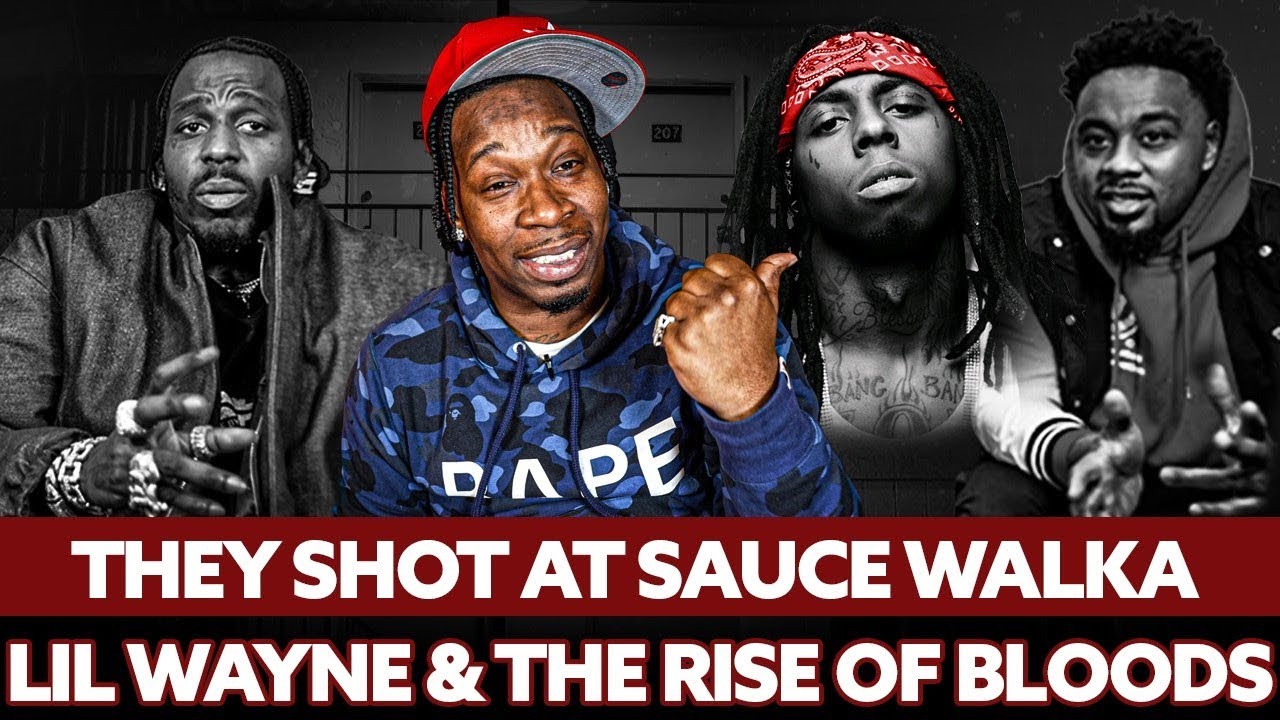
As Lil Wayne transitioned from a member of the Hot Boys into a dominant solo superstar, his aesthetic shifted. He famously adopted the red bandanas, red designer clothing, and specific vernacular associated with the Bloods. Rather than claiming a local New Orleans set, Wayne aligned himself prominently with West Coast factions, most notably the Tree Top Pirus. This connection was solidified through relationships with prominent West Coast figures and fellow artists who moved fluidly between the entertainment industry and street organizations.
Lyrical Evidence and Public Acknowledgments
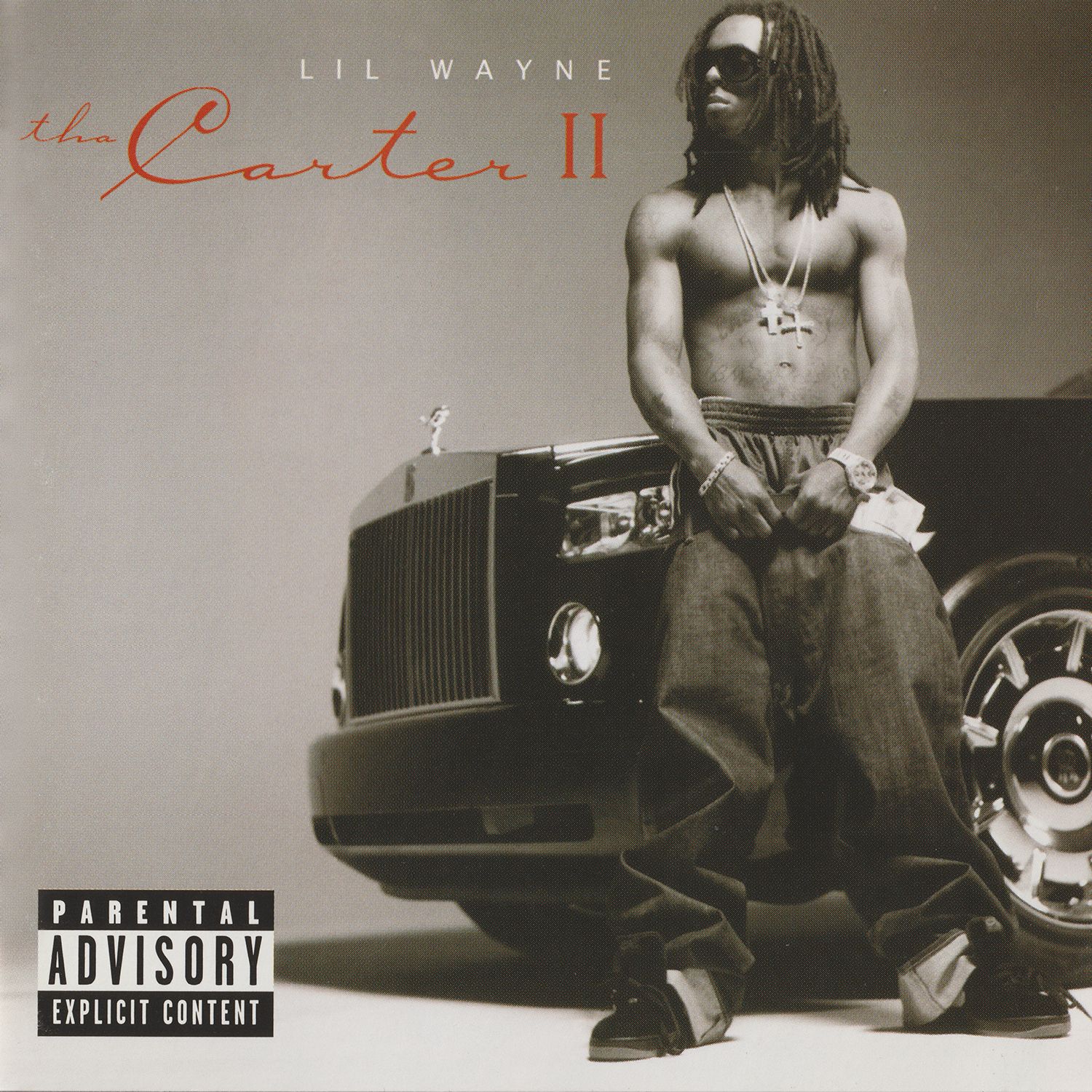
Throughout his extensive discography, Lil Wayne has referenced Blood culture on countless tracks. From his mixtapes during the mid-2000s peak of his career—such as Dedication 2 and Da Drought 3—to chart-topping studio albums like Tha Carter series, the rapper frequently utilizes color references, terminology, and specific gang identifiers.
- Color Coordination: Wayne routinely wore head-to-toe red designer outfits during red carpet appearances, award shows, and music video shoots.
- Vocal Outcries: Ad-libs such as "Soo-woop" and explicit shout-outs to Piru sets are embedded across his extensive catalog.
- Visual Motifs: Music videos from eras like Tha Carter III and Tha Carter IV prominently feature red flags, lighting, and collaborators displaying matching affiliations.
Despite these overt cultural displays, legal and public relations strategies from major music artists typically advise against formal admissions of criminal enterprise involvement, keeping Wayne's status strictly in the realm of cultural association and self-identification rather than documented criminal indictments related to gang leadership.
The Piru Connection and West Coast Influence
The specific subset most frequently linked to Lil Wayne is the Piru street gang, originating from Piru Street in Compton, California. Although Bloods generally encompass a massive coalition of independent sets, the Pirus maintain a distinct historical identity that predates some of the broader umbrella alliances.
Wayne’s adoption of Piru identity bridges a unique geographical gap. A southern artist embracing a California-rooted set demonstrated the nationalized reach of West Coast gang politics during the expansion of gangsta rap and internet-era hip-hop exchange. This alliance also manifested in his collaborative relationships with West Coast artists who shared similar cultural ties, cementing his credibility within circles that respected traditional street protocols.
Controversies and High-Profile Incidents
Lil Wayne’s association with gang culture has occasionally intersected with high-profile legal troubles and security concerns, though rarely resulting in direct racketeering charges related to gang activity.
| Incident / Event | Context and Details | Public Impact |
|---|---|---|
| Tour Bus Shooting (2015) | The tour bus carrying Lil Wayne was shot up in Atlanta, Georgia, following a performance. The incident was later linked to disputes involving rival factions and security logistics within the rap industry. | Highlighted the real-world dangers and security complexities surrounding high-profile artists with perceived street alignments. |
| Stadium Banter and Misinterpretations | Occasional onstage remarks or misconstrued gestures at sports events have sparked media speculation regarding his exact standing within specific sets. | Reinforced public curiosity regarding whether his affiliation is purely aesthetic or actively operational. |
| Firearms Possession Charges | Federal charges related to weapon possession (such as his 2020 Miami airport incident) brought intense legal scrutiny, though these centered on possession laws for convicted felons rather than gang conspiracy charges. | Demonstrated that federal and state scrutiny targeted his personal legal status regarding firearms rather than formal enterprise prosecution. |
Comparing Hip-Hop Gang Associations: Myth vs. Reality
In the ecosystem of modern commercial rap music, the line between authentic street affiliation and entertainment branding often blurs. The table below analyzes how Lil Wayne's situation compares to general industry standards regarding gang ties.
| Category | Lil Wayne's Status | General Industry Norm |
|---|---|---|
| Lyrical Content | Heavy, consistent references to red, Piru, and Blood culture. | Common across street-oriented rap subgenres for authenticity. |
| Visual Presentation | Decades of wearing red attire, bandanas, and flashing specific hand signs. | Utilized as a stylistic branding choice by numerous artists regardless of active street status. |
| Legal Indictments | No federal or state RICO indictments connecting him to organized gang leadership. | Contrast with modern RICO cases (e.g., Young Slime Life) where artists face direct enterprise charges. |
| Industry Peer Acceptance | Universally respected across all regional divides as an authentic cultural figure. | Varies heavily based on genuine neighborhood roots versus manufactured personas. |
Frequently Asked Questions
Is Lil Wayne an official member of the Bloods?
Lil Wayne has never been formally indicted or legally proven to be an active leader in the Bloods, though his lifelong cultural alignment, lyrical declarations, and red attire strongly link him to the Piru subset. He operates primarily as a legendary commercial recording artist whose aesthetic and personal ties heavily embrace Blood culture.
What subset of the Bloods does Lil Wayne represent?
Lil Wayne is most commonly associated with the Piru subset, specifically drawing inspiration and connections from West Coast sets like the Tree Top Pirus. His lyrics frequently reference Piru terminology and traditions.
Why does Lil Wayne wear red all the time?
Wearing red is the signature color of the Bloods and Piru street gangs. Lil Wayne adopted this color scheme as a core element of his personal wardrobe, stage presence, and brand identity throughout his decades-long career.
Has Lil Wayne ever faced legal trouble regarding gang activity?
While Lil Wayne has faced numerous high-profile legal battles—mostly related to weapon possession and security incidents—he has never faced major racketeering (RICO) charges or criminal indictments directly accusing him of managing a street gang enterprise.
How has Lil Wayne's affiliation impacted his career?
His authentic integration into street culture has earned him immense respect within the hip-hop community, contributing to his rugged credibility alongside his unmatched lyrical talent and prolific output. It positioned him as a bridge between Southern bounce music and West Coast street aesthetics.
Conclusion
Lil Wayne remains one of the most influential figures in hip-hop history, and his association with the Bloods—specifically the Piru sets—is an indelible part of his public identity. While the exact operational depth of his street involvement remains a subject of speculation and mystique, his total immersion in the culture, music, and visual language of the Bloods is unquestionable. As he continues his storied career in 2026, his legacy stands as a defining pillar of how regional street culture successfully shaped mainstream global music.
Image Gallery