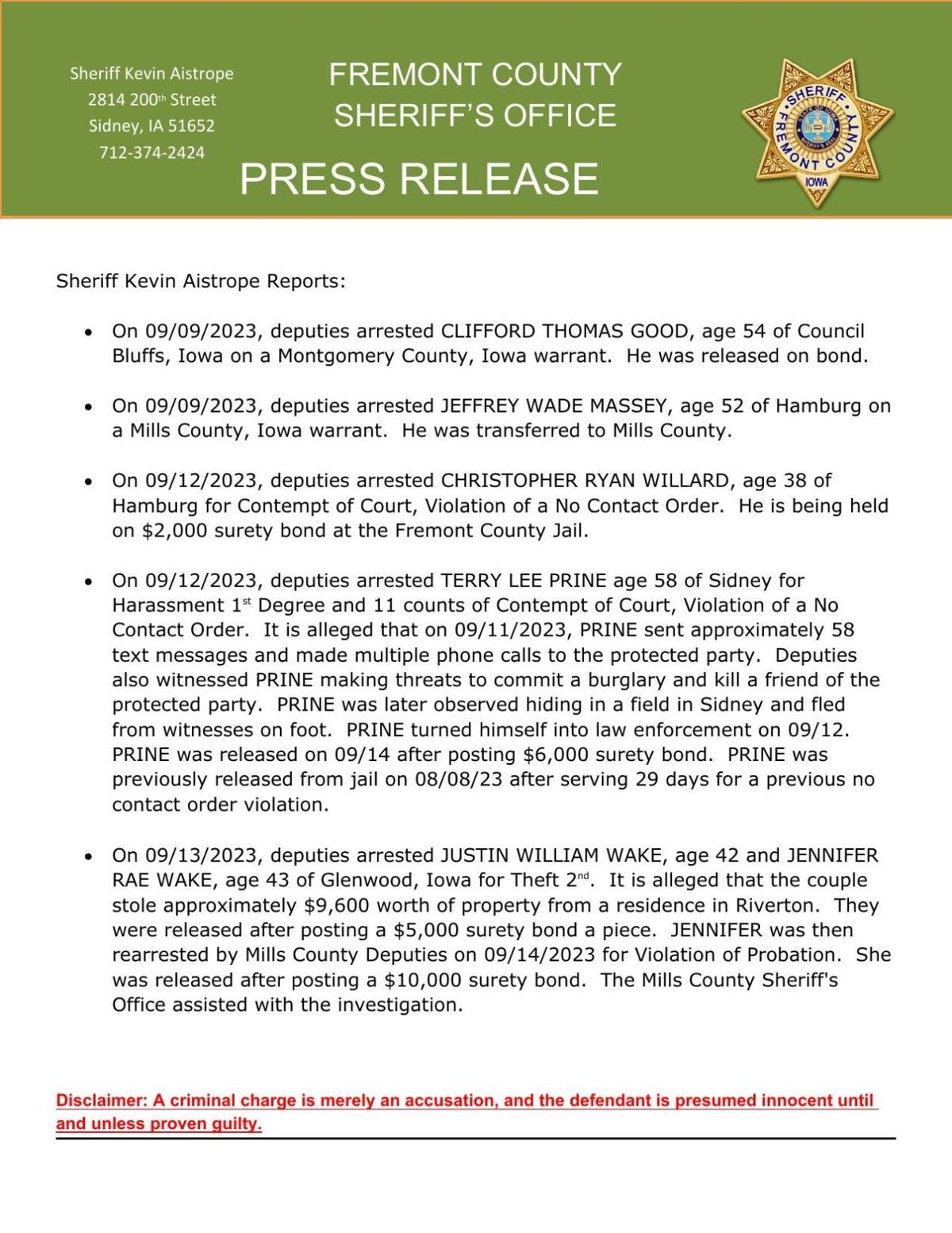
Finding Recent Arrests Near Me: Public Records, Jail Lookups, and Legal Search Guide 2026
Accessing recent arrest records near you requires navigating a fragmented landscape of local sheriff's departments, municipal police databases, and county jail inmate rosters. Because public record laws vary significantly by jurisdicti...
Accessing recent arrest records near you requires navigating a fragmented landscape of local sheriff's departments, municipal police databases, and county jail inmate rosters. Because public record laws vary significantly by jurisdiction, locating an individual who has been recently detained involves understanding official government portals, third-party aggregators, and the statutory limitations governing criminal history data in 2026.
Contents
Understanding the Public Nature of Arrest Records
Arrest records and booking logs are generally classified as public information under open records legislation, such as the Freedom of Information Act (FOIA) at the federal level and equivalent state-level sunshine laws. However, public availability does not mean instant nationwide visibility.
When a law enforcement agency takes an individual into custody, that agency generates a booking record. This record typically includes:
- Full legal name and known aliases
- Date and time of booking
- Specific charges filed by law enforcement
- Booking photograph (mugshot)
- Assigned tracking or booking number
- Current housing facility or jail location
- Bond or bail amount, if applicable
The dissemination of these records depends heavily on whether the arresting agency is a municipal police department, a county sheriff's office, or a state highway patrol unit. County jails are usually the central repository for individuals awaiting arraignment or trial, making the county sheriff's inmate locator the most direct starting point for a search.
How to Search County Jail Rosters and Sheriff Databases
The most accurate and timely method to find recent arrests is directly through official county government websites. Law enforcement agencies maintain real-time or daily-updated online inmate rosters.
Official Agency Verification Notice Always verify that you are accessing a legitimate government domain ending in .gov. Third-party commercial sites often mirror government data but may display outdated information or charge unnecessary fees for public records that are legally free to access.
Step-by-Step Local Jail Lookup Process
- Identify the Correct Jurisdiction: Determine the exact city, county, or township where the arrest likely occurred. If the arrest happened within city limits, the municipal police department may hold the initial report, but individuals are typically transferred to the county jail within 24 to 48 hours.
- Access the Sheriff's Inmate Locator: Navigate to the official website of the county sheriff's department. Look for sections labeled "Inmate Search," "Current Inmates," "Daily Bookings," or "Jail Records."
- Enter Search Parameters: Input the subject's legal first and last name. Some advanced search portals allow filtering by date of birth, booking date range, or booking number to narrow down common names.
- Review Booking Details: Examine the resulting records to confirm identity markers such as age, physical description, and arrest date. Note the booking number, as this is required for any communication, fund deposits, or legal inquiries regarding the inmate.
Comparing Official Government Sources vs. Third-Party Aggregators
When searching for legal records online, users often encounter a split between official government portals and commercial background check companies. Understanding the operational differences helps protect personal privacy and ensures data accuracy.
| Feature / Metric | Official County Sheriff Portals | Third-Party Aggregator Sites |
|---|---|---|
| Cost | 100% Free | Subscription-based or pay-per-report |
| Data Real-Time Accuracy | High (Updated multiple times daily) | Variable (Often delayed by weeks or months) |
| Legal Compliance | Compliant with local and state public records laws | Subject to Fair Credit Reporting Act (FCRA) rules if used for employment/housing |
| Mugshot Removal Policy | Maintained per statutory retention schedules | May charge "removal fees" or extortion fees |
| Search Scope | Localized to specific agency or county | Aggregates data across multiple states and jurisdictions |
Understanding Arrests Versus Convictions
A critical distinction in criminal justice data is the difference between an arrest and a conviction. An arrest record merely indicates that law enforcement officers had probable cause to take a person into custody. It does not establish guilt.
Under constitutional law, individuals remain innocent until proven guilty in a court of law. Relying on an arrest record alone can lead to severe misunderstandings, as many arrests do not result in formal criminal charges being filed by the district attorney or prosecutor. Furthermore, charges may be dropped, or the defendant may be acquitted at trial.
In many jurisdictions, individuals who have had their charges dismissed or who were acquitted can petition the court for record sealing or expungement. Once an expungement order is granted, the arrest record is removed from public view, meaning official law enforcement databases will no longer display the booking information.
Limitations, Privacy Laws, and State Regulations
The accessibility of recent arrest records has undergone significant regulatory scrutiny. Several states have enacted strict limitations on the online publication of mugshots and booking photos prior to a formal conviction.
- Mugshot Publication Restrictions: Numerous states prohibit commercial websites from charging fees to remove booking photos, and some bar law enforcement agencies from releasing mugshots to non-media entities unless the individual is a fugitive or poses an immediate threat to public safety.
- Juvenile Records: Records involving minors (individuals under the age of 18) are strictly confidential under federal and state law. They do not appear on public jail rosters and cannot be accessed without a specialized court order.
- Sealed and Expunged Files: Accessing a record that has been sealed by a judge is illegal for the general public. Employers, landlords, and background screening agencies are legally restricted from viewing or utilizing expunged arrest histories.
Frequently Asked Questions
What should I do if I cannot find someone on the county jail inmate roster?
If an individual does not appear on the local jail roster, they may have been recently released on bond, transferred to a different facility, or processed and released with a citation to appear in court at a later date. Contact the county jail booking desk directly via their non-emergency telephone number to confirm custody status.
Are arrest records completely free to view?
Yes. Official government databases, local sheriff's department websites, and municipal court records are public information and are free to search. Any website demanding payment to view a basic booking log or arrest sheet is a private commercial entity, not a government agency.
How long do arrest records stay online?
Official government agency retention schedules dictate how long records remain accessible on county portals, often ranging from several months to years depending on case disposition. Third-party aggregator sites operate independently and may retain data indefinitely unless forced to remove it by state legislation or formal takedown requests.
Can an employer refuse to hire me based on an arrest record?
In many jurisdictions, employment background checks are regulated by laws such as the Equal Employment Opportunity Commission (EEOC) guidelines and state-specific "Ban the Box" legislation. Generally, an employer cannot make adverse hiring decisions based solely on an arrest record that did not lead to a conviction, as arrests do not prove illegal conduct.
What is the difference between a warrant search and an arrest record?
An arrest record documents a past detention that has already occurred. An active warrant is a legal document issued by a judge authorizing law enforcement to arrest a specific individual and bring them before the court. Warrant information is often handled through separate court clerk databases rather than standard jail booking rosters.
Conclusion
Locating recent arrest records requires careful navigation of official government databases, adherence to legal definitions separating arrests from convictions, and an awareness of privacy regulations. By utilizing county sheriff portals and municipal court websites rather than commercial data brokers, you ensure access to the most accurate, up-to-date, and legally compliant public information available.
Image Gallery