Tdap Cost Guide 2026: Out-of-Pocket Prices With and Without Insurance
Without health insurance, the average Tdap vaccine cost ranges from $50 to $120 out-of-pocket at retail pharmacies and outpatient clinics. However, under the Affordable Care Act and updated Medicare Part D provisions, most insured indi...
Without health insurance, the average Tdap vaccine cost ranges from $50 to $120 out-of-pocket at retail pharmacies and outpatient clinics. However, under the Affordable Care Act and updated Medicare Part D provisions, most insured individuals can receive the Tdap immunization for $0 out-of-pocket when administered by an in-network provider or pharmacy.
Contents
Understanding the Tdap Vaccine and Clinical Guidelines
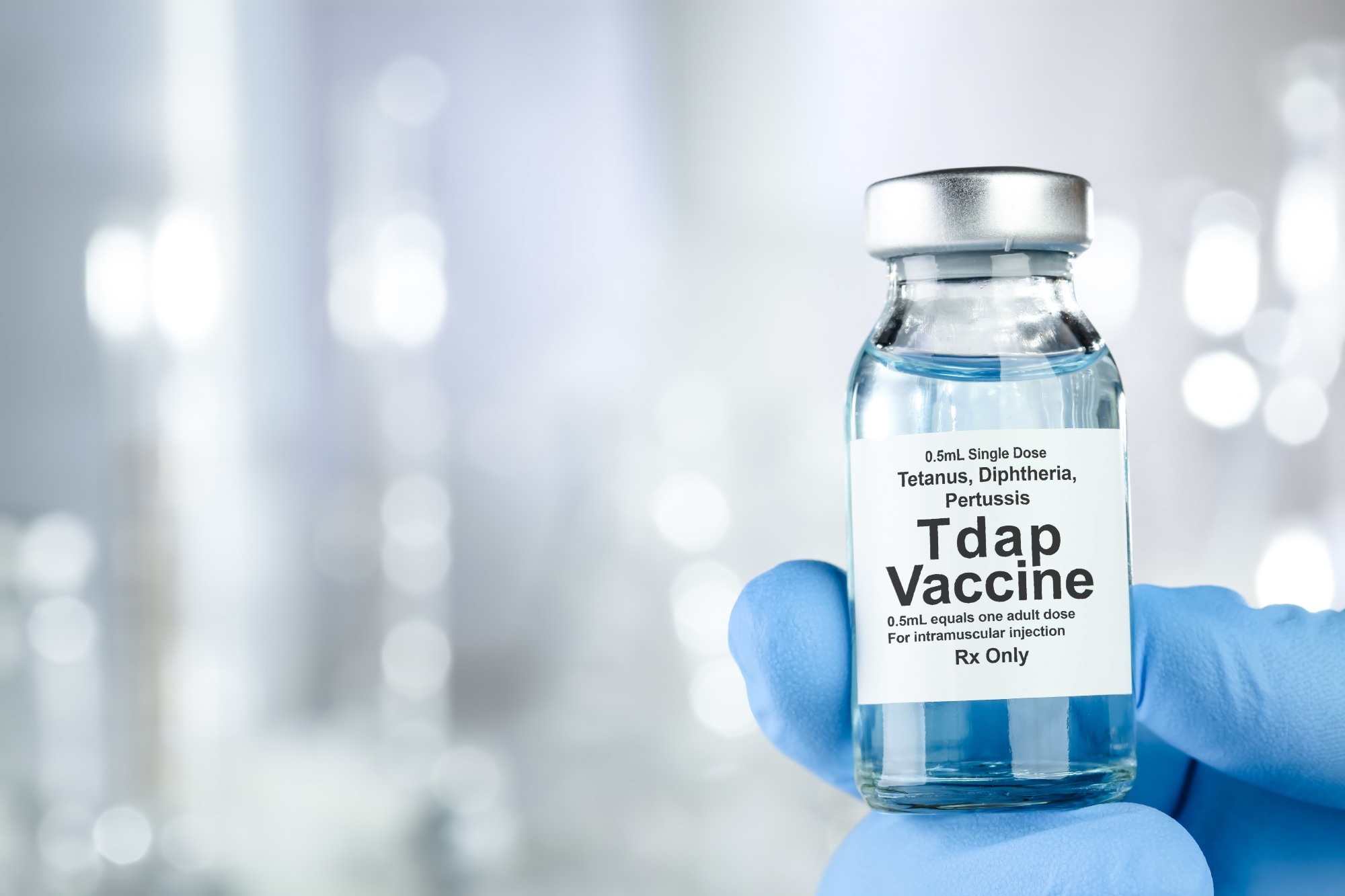
The Tdap vaccine protects against three serious bacterial diseases: tetanus, diphtheria, and acellular pertussis (whooping cough). It is distinct from the DTaP vaccine, which is formulated specifically for infants and children under seven years of age. Tdap contains reduced doses of diphtheria and pertussis proteins, making it safe and effective for adolescents and adults.
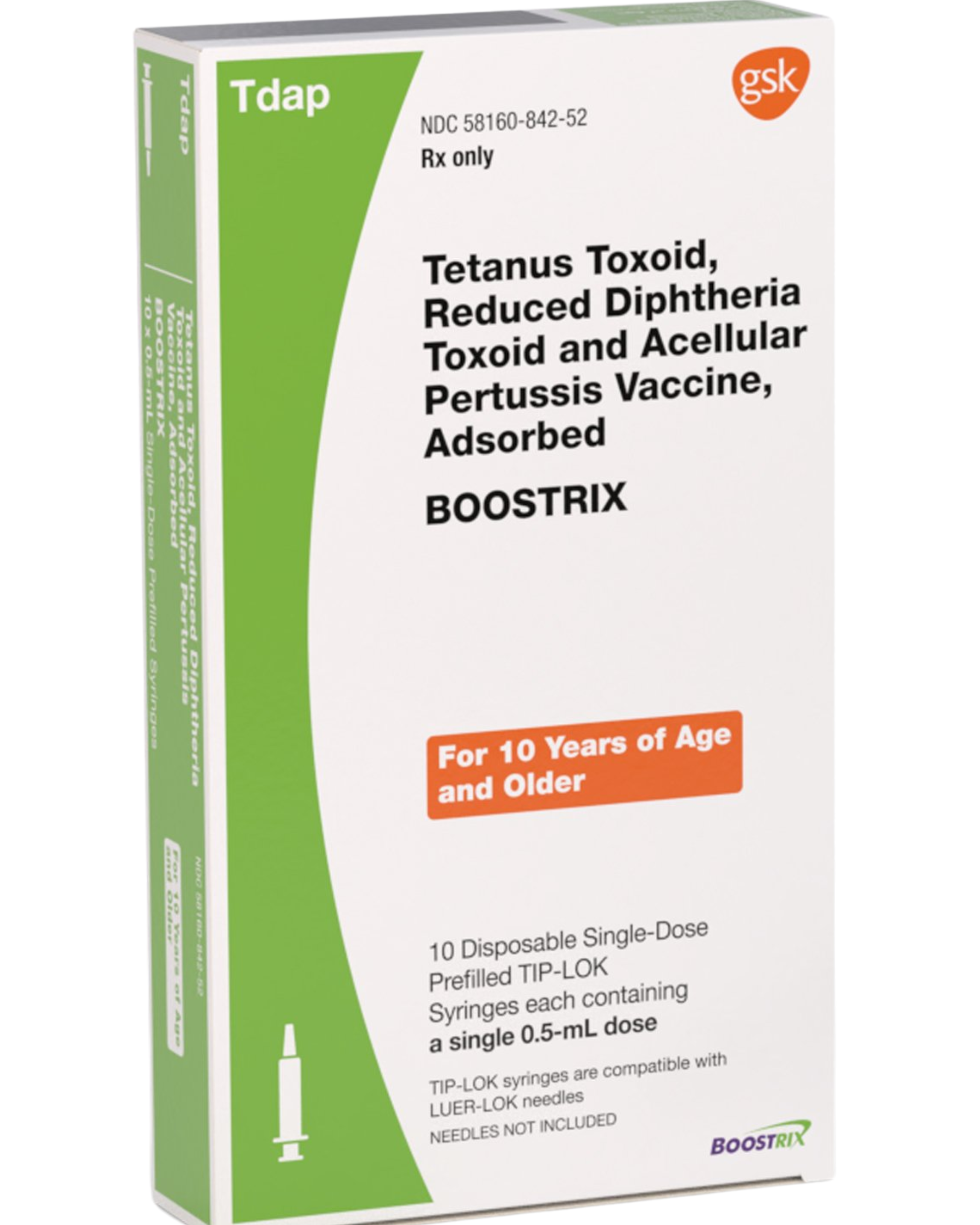
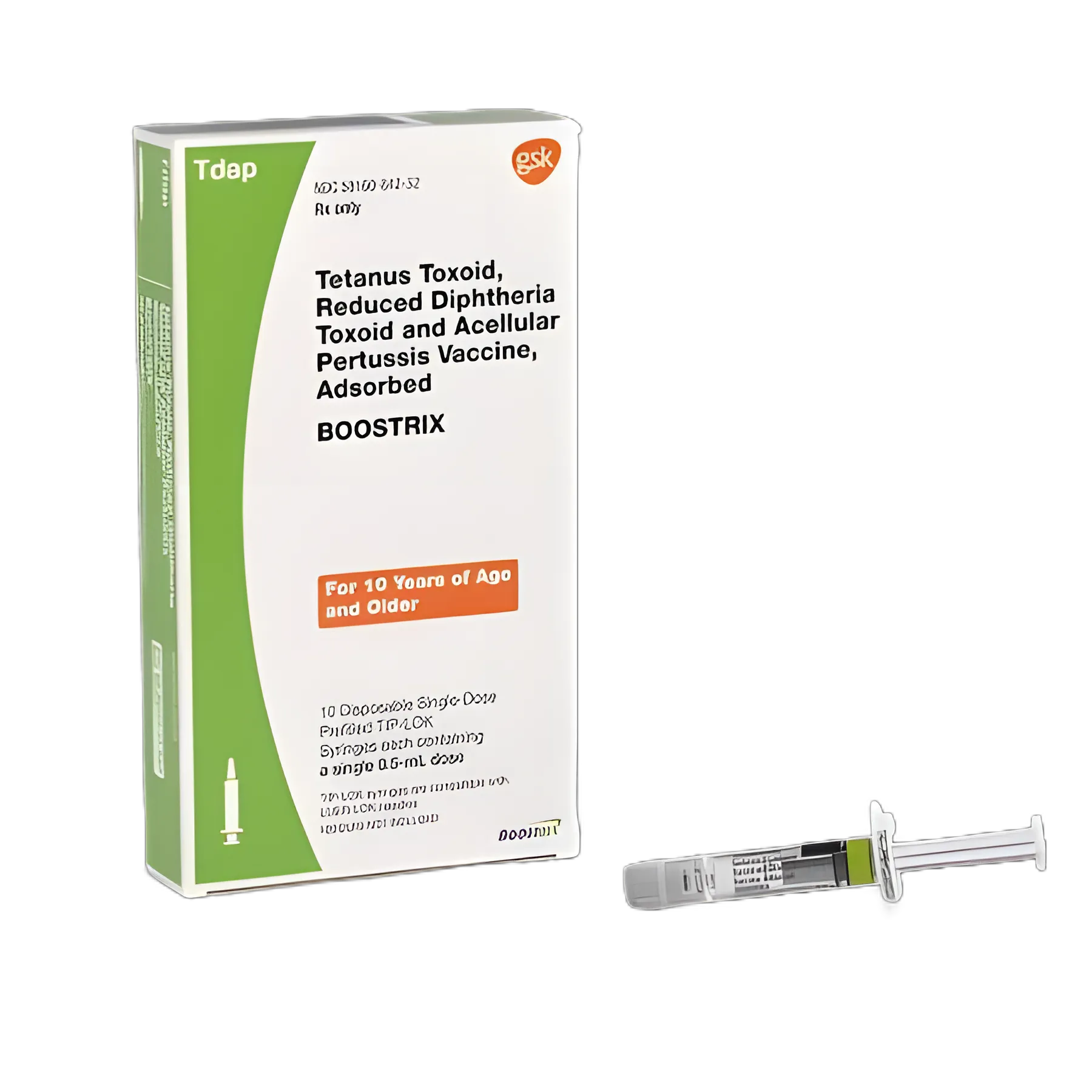
The two FDA-approved Tdap formulations available in the United States are Boostrix (manufactured by GlaxoSmithKline) and Adacel (manufactured by Sanofi Pasteur). Both vaccines serve the same clinical purpose, though exact formulation specifics and approved age thresholds vary slightly.
Note: Tdap should not be confused with the Td vaccine. Td protects only against tetanus and diphtheria and does not contain the acellular pertussis component critical for preventing whooping cough outbreaks around newborn infants.
The Centers for Disease Control and Prevention (CDC) Advisory Committee on Immunization Practices (ACIP) recommends Tdap vaccination for specific adult demographics according to established schedules:
- Pregnant Individuals: A dose of Tdap is recommended during every pregnancy, ideally between 27 and 36 weeks of gestation, to maximize maternal antibody transfer to the fetus.
- Adolescents: A single dose is routinely administered at age 11 or 12.
- Adults: All adults who have never received a Tdap booster should receive one immediately. Thereafter, a routine booster (either Tdap or Td) is recommended every 10 years.
- Infant Caregivers ("Cocooning"): Adults expecting close contact with infants under 12 months should receive a Tdap booster at least two weeks before coming into contact with the child.
- Wound Management: Adults presenting with severe, dirty wounds may require a tetanus booster if it has been five years or more since their last dose.
Tdap Vaccine Cost Breakdown Without Insurance
For individuals who are uninsured, underinsured, or receiving care out-of-network, the cash price of a Tdap shot depends heavily on the provider setting. The total cost usually comprises two elements: the retail price of the biological product itself and an administration fee charged by the clinical entity dispensing the shot.
Retail Pharmacy Cash Pricing
Major pharmacy chains typically offer the most accessible transparent pricing for cash-paying patients. In 2026, average self-pay retail prices across national pharmacy brands fall within predictable brackets:
- CVS Pharmacy: $65 to $85 (includes vaccine product and pharmacist administration).
- Walgreens: $70 to $90 total out-of-pocket.
- Walmart Pharmacy: $50 to $70 total out-of-pocket.
- Kroger Pharmacy: $55 to $75 total out-of-pocket.
- Rite Aid: $68 to $88 total out-of-pocket.
In most retail pharmacy settings, the administration fee is integrated into the upfront quoted price, preventing unexpected secondary bills.
Primary Care Physicians and Urgent Care Clinics
Obtaining a Tdap vaccine at a doctor's office or an urgent care clinic can significantly increase the total out-of-pocket cost for an uninsured patient.
- Primary Care Offices: In addition to the vaccine charge ($45 to $75), physician offices frequently bill a separate office visit fee ($100 to $250) and an immunization administration fee ($20 to $45). Uninsured patients seeking only a vaccine at a doctor's office may incur total bills ranging from $165 to $370.
- Urgent Care Centers: Urgent care facilities prioritize acute care. Receiving a Tdap vaccine following a puncture wound at an urgent care facility often triggers a evaluation and management (E/M) code fee alongside the procedure charge. Total cash costs in an urgent care environment frequently reach $200 to $450.
Comprehensive Tdap Cost Comparison Matrix
The table below outlines expected out-of-pocket costs for the Tdap vaccine across various healthcare settings and insurance scenarios.
| Provider / Coverage Scenario | Average Total Cost | Vaccine Product Fee | Administration / Visit Fee | Coverage Rules & Financial Notes |
|---|---|---|---|---|
| Private Insurance (In-Network) | $0 | Covered 100% | Covered 100% | Fully covered as preventative care under the ACA. |
| Medicare Part D (Prescription Plan) | $0 | Covered 100% | Covered 100% | Mandated $0 copay under the Inflation Reduction Act. |
| Medicare Part B (Routine Prevention) | NOT COVERED | Not Covered | Not Covered | Part B does NOT cover routine Tdap; claim will be denied. |
| Medicare Part B (Wound Care/Injury) | $0 to $30 | Covered (Part B) | Covered (Subject to deductible) | Covered under Part B only for acute trauma or dirty wounds. |
| Medicaid (Adult Expansion) | $0 to $5 | Covered 100% | Covered 100% | Minimal or zero copay depending on state regulations. |
| Retail Pharmacy (Uninsured Cash) | $50 – $90 | $40 – $60 | Included in total | Transparent bundled pricing at cash register. |
| Primary Care Office (Uninsured Cash) | $165 – $370 | $45 – $75 | $120 – $295 (Visit + Admin) | High out-of-pocket cost due to physician visit charges. |
| Urgent Care Clinic (Uninsured Cash) | $200 – $450 | $45 – $80 | $155 – $370 (Facility/E&M Fee) | Standard for acute wound care visits; non-wound cash visits are costly. |
| Vaccines for Children (VFC) | $0 – $25 | $0 (Federal stock) | $0 – $25 (Admin fee capped) | Eligible for uninsured/underinsured children under 19. |
| Community Health Center (FQHC) | $0 – $30 | Sliding scale | Sliding scale | Fees adjusted based on patient household income. |
Health Insurance Coverage Rules and Regulations
Health insurance mandates strictly govern how commercial payers and government programs process claims for the Tdap vaccine.
Commercial and Employer-Sponsored Health Plans
Under Section 2713 of the Patient Protection and Affordable Care Act (ACA), non-grandfathered private health insurance plans must cover ACIP-recommended preventative vaccines without cost-sharing. This means insured individuals pay:
- $0 Copayment
- $0 Coinsurance
- $0 Applied to Annual Deductible
To qualify for $0 coverage, the vaccine must be administered by an in-network provider or an in-network retail pharmacy. If an insured patient receives the vaccine from an out-of-network clinic, the insurer may deny the claim or apply out-of-network deductibles and coinsurance rates.
Medicare Coverage Rules (Part B vs. Part D)
Navigating Medicare coverage for the Tdap vaccine requires understanding the strict division between Medicare Part B (Medical Insurance) and Medicare Part D (Prescription Drug Coverage).
Important Medicare Distinction
Routine preventative Tdap immunizations are explicitly excluded from Medicare Part B coverage. Under federal guidelines established by the Inflation Reduction Act, all ACIP-recommended adult vaccines—including Tdap—are covered under Medicare Part D with a mandatory $0 out-of-pocket cost for beneficiaries.
If a beneficiary receives a routine Tdap shot at a physician's office that bills under Medicare Part B, the claim will be rejected, leaving the patient responsible for the full bill. To ensure $0 coverage, Medicare beneficiaries must receive their Tdap shot at a network pharmacy or ensure their physician's office bills through a dedicated Part D vaccine billing system (such as TransactRx).
The sole exception occurs when Tdap or Td is administered for acute wound management (e.g., stepping on a rusty nail). In wound treatment scenarios, Medicare Part B covers the shot as a therapeutic treatment rather than a preventative service.
Medicaid and State Health Programs
Medicaid coverage for adult vaccines varies slightly by state, though the American Rescue Plan Act mandated that Medicaid expansion programs cover all ACIP-recommended adult immunizations without cost-sharing. For eligible children under age 19, the federally funded Vaccines for Children (VFC) program guarantees access to Tdap at zero product cost.
How to Access Low-Cost or Free Tdap Vaccines
Uninsured or underinsured individuals have several options to reduce or eliminate the cost of a Tdap shot.
1. Prescription Discount Cards and Programs
Uninsured patients purchasing Tdap at retail pharmacies can use drug discount programs such as GoodRx, SingleCare, or RxSaver. These coupons often lower the retail price of Boostrix or Adacel from $80 down to $35–$55.
Patients should present the coupon code to the pharmacist prior to the vaccine being prepared. Pharmacists can apply the discount directly to the biological product and administrative pricing bundle.
2. Federally Qualified Health Centers (FQHCs)
Federally Qualified Health Centers receive federal funding under Section 330 of the Public Health Service Act to provide comprehensive primary care to underserved populations. FQHCs offer immunizations on a sliding fee scale tied directly to Federal Poverty Guidelines (FPG):
- Patients earning under 100% of the FPG typically pay a nominal fee ($0 to $10).
- Patients earning between 100% and 200% of the FPG pay discounted fee percentages.
To locate an FQHC, individuals can use the official Health Resources and Services Administration (HRSA) find-a-health-center tool.
3. Local County and City Health Departments
Local public health departments prioritize population health and pertussis outbreak control. Most county health clinics maintain supplies of adult vaccines provided through state public health grants.
Costs at public health departments generally range from $0 to $25, covering only a nominal administration fee. If a patient is unable to pay the administration fee, health departments frequently waive the fee entirely.
4. Vaccines for Children (VFC) Program
Children aged 18 and younger who are uninsured, Medicaid-eligible, American Indian, or Alaska Native can receive free Tdap doses through the VFC program. Parents may be charged a capped administration fee (typically $15 to $25 depending on state regulations), but the fee must be waived if the family cannot afford it.
Step-by-Step Guide to Minimizing Out-of-Pocket Tdap Expenses
Following a structured procedure ensures you do not incur unexpected medical bills when getting vaccinated.
Step 1: Verify Your Insurance Status and Network Rules
If you have commercial health insurance or a Medicare Part D plan, log into your insurer's member portal or call the customer service number on the back of your card. Confirm:
- Which local retail pharmacies are considered in-network for preventative care.
- Whether your policy requires preventative vaccines to be administered specifically by a pharmacist or a primary care physician.
Step 2: Select the Most Cost-Effective Administration Site
- If Insured: Choose an in-network retail pharmacy (e.g., CVS, Walgreens, Walmart) to ensure 100% coverage with $0 copay.
- If Uninsured: Avoid urgent care centers or doctor's offices unless necessary for acute wound treatment. Call your local county health department or search for an FQHC to request sliding-scale pricing.
Step 3: Compare Retail Cash Rates and Digital Coupons
If using a retail pharmacy without insurance, search discount aggregators (such as GoodRx or SingleCare) for "Tdap", "Boostrix", or "Adacel" in your postal code. Note which local pharmacy offers the lowest discounted price.
Step 4: Confirm Billing Specifics Prior to Administration
Before receiving the injection, confirm administrative details with the clinician:
- Ask the pharmacist or nurse: "Will there be any separate administration or visit fee billed today beyond the quoted cost?"
- If you are on Medicare, confirm: "Is this vaccine being billed electronically under Medicare Part D?"
Step 5: Retain Receipt and Itemized Documentation
Keep your physical receipt and documentation showing the National Drug Code (NDC) for the vaccine administered. If an insurance company incorrectly processes a preventative shot as a diagnostic expense, this documentation is necessary to file a formal billing dispute.
Strategic Analysis: Pharmacy vs. Physician Office vs. Urgent Care
Choosing where to receive your Tdap vaccine affects financial expense, administrative convenience, and clinical context.
Retail Pharmacies
- Pros: Transparent upfront pricing; no appointment required at most locations; direct $0 billing for commercial insurance and Medicare Part D; no separate office visit charges.
- Cons: Pharmacists may not administer shots to young children (age restrictions vary by state law, typically restricted to ages 3+ or 7+); lack of comprehensive physical exam.
Primary Care Physician (PCP) Offices
- Pros: Integrates vaccination history into complete medical records; allows comprehensive discussion of general health; suitable for infants and young children.
- Cons: Highest potential for unexpected out-of-pocket costs due to separate office visit codes and facility fees; requires scheduled appointments; risk of Medicare Part B denial for routine shots.
Urgent Care Centers
- Pros: Immediate availability for acute injuries (e.g., rusty nail punctures); open after hours and on weekends.
- Cons: Most expensive cash-pay route; high facility fees; often treats immunizations strictly under urgent E/M billing codes.
Common Financial Pitfalls and How to Avoid Them
Unintended medical costs during Tdap administration usually stem from coding errors or systemic misunderstandings of coverage policies.
Pitfall 1: Billing Routine Tdap Under Medicare Part B
A frequent error occurs when a Medicare beneficiary requests a Tdap booster during a routine annual wellness exam at a doctor's office. If the medical biller submits the vaccine charge under Medicare Part B, the claim will be denied automatically.
Remedy: Request that your physician's office bill the vaccine through an external Part D clearinghouse, or take a prescription for the vaccine to a retail pharmacy where Part D can be billed directly at the counter.
Pitfall 2: Combining Preventative Vaccination with Diagnostic Visits
If an insured patient visits a doctor primarily for a new medical symptom (e.g., chronic fatigue or joint pain) and receives a Tdap booster during the same encounter, the clinic will bill an E/M visit code alongside the preventative vaccine code. While the vaccine component remains $0 under ACA guidelines, the patient will be responsible for the copay or deductible associated with the diagnostic office visit.
Remedy: Schedule a dedicated nurse visit solely for immunization, or visit a retail pharmacy where no office visit evaluation code is generated.
Pitfall 3: Receiving Tdap at Out-of-Network Retail Pharmacies
Commercial health plans contract with specific pharmacy networks (e.g., CVS Caremark, Express Scripts, Walgreens Boots Alliance). Receiving a vaccine at a non-contracted pharmacy forfeits the ACA $0 preventative mandate, leaving the patient liable for out-of-network pricing.
Remedy: Check your insurer's online preferred provider directory before walking into a pharmacy.
Frequently Asked Questions
How much does a Tdap shot cost without insurance?
Without insurance, a Tdap vaccine typically costs between $50 and $90 at major retail pharmacies like Walmart, CVS, and Walgreens. If received at a primary care physician's office or urgent care clinic, additional office visit and administration fees can bring the total out-of-pocket cash cost to between $165 and $450.
Does Medicare cover the Tdap vaccine at 100%?
Yes, Medicare Part D covers the Tdap vaccine with a $0 out-of-pocket copay for all beneficiaries. However, routine Tdap is not covered under Medicare Part B. To receive it for $0, beneficiaries must have their shot administered at a network pharmacy or a medical office set up to bill Medicare Part D.
Is Tdap covered for free during pregnancy under health insurance?
Under the Affordable Care Act, all non-grandfathered private insurance plans and Medicaid expansion plans must cover the Tdap vaccine with $0 copay during every pregnancy when administered by an in-network provider. This ensures maternal protection and antibody transfer to the infant without financial barriers.
What is the difference between Tdap and DTaP, and do they cost the same?
DTaP contains higher doses of diphtheria and pertussis immunogens and is approved strictly for children under seven years old, whereas Tdap is a booster formulated for adolescents and adults. While retail cash prices for both vaccines are similar ($50 to $90), DTaP is almost universally covered for free for children through commercial insurance or the federal Vaccines for Children (VFC) program.
Can I use a GoodRx coupon for a Tdap vaccine at a pharmacy?
Yes, discount coupon programs like GoodRx and SingleCare can be used by uninsured cash-paying patients to lower the price of the Tdap vaccine at participating retail pharmacies. Using a coupon typically reduces the cash price to between $35 and $55, covering both the vaccine product and the pharmacy's administration fee.
How often do adults need a Tdap booster?
The CDC recommends that adults receive a single initial dose of Tdap if they have never had one, followed by a routine booster shot (either Tdap or Td) every 10 years. Pregnant individuals must receive a Tdap booster during the third trimester of every pregnancy regardless of when their last booster was administered.
Strategic Guidance and Conclusion
Navigating the cost of the Tdap vaccine requires aligning your insurance status with the appropriate administration site. For those with private commercial health insurance or Medicare Part D coverage, utilizing an in-network retail pharmacy guarantees full coverage with $0 out-of-pocket expense under modern healthcare guidelines.
For uninsured individuals, avoiding acute care facilities and utilizing community health resources—such as local health departments, FQHC sliding-scale clinics, or retail pharmacy discount coupons—provides the most direct path to obtaining protection against tetanus, diphtheria, and pertussis without incurring unnecessary financial burden. Prior to receiving your shot, confirm network inclusion and billing methods to ensure seamless administrative processing.
Image Gallery