What College Has the Best Veterinary Program?
Determining which college has the best veterinary program depends on whether you prioritize global research reputation, clinical specialization, or domestic licensing success. In 2026, the University of California, Davis (UC Davis) and...
Determining which college has the best veterinary program depends on whether you prioritize global research reputation, clinical specialization, or domestic licensing success. In 2026, the University of California, Davis (UC Davis) and the Royal Veterinary College (RVC) in London are the top-ranked institutions globally. Within the United States, Cornell University and Colorado State University consistently join UC Davis at the pinnacle of academic and clinical excellence.
Contents
Choosing a veterinary school is a monumental decision that involves weighing academic prestige against astronomical costs, specialized tracks, and geographic constraints. As the demand for veterinary professionals continues to surge in 2026, understanding the nuances of these top-tier programs is essential for any aspiring Doctor of Veterinary Medicine (DVM).
Defining the "Best" in Veterinary Education
To identify the premier veterinary program, one must look beyond simple popularity. The "best" school is typically measured by several critical metrics established by the American Veterinary Medical Association (AVMA) and international ranking bodies like QS World University Rankings.
NAVLE Pass Rates
The North American Veterinary Licensing Examination (NAVLE) is the ultimate benchmark for a program's efficacy. Schools that maintain a 95% or higher pass rate over a five-year average demonstrate that their curriculum effectively prepares students for real-world practice. In 2026, the Council on Education (COE) remains strict about these outcomes, often placing programs on probation if scores dip below specific thresholds.
Research Output and Funding
For students interested in specialized medicine, epidemiology, or "One Health" (the intersection of human, animal, and environmental health), research volume is key. Institutions like UC Davis and Cornell receive millions in NIH and USDA funding, providing students with opportunities to participate in cutting-edge genomic research or zoonotic disease tracking.
Clinical Facilities and Caseload
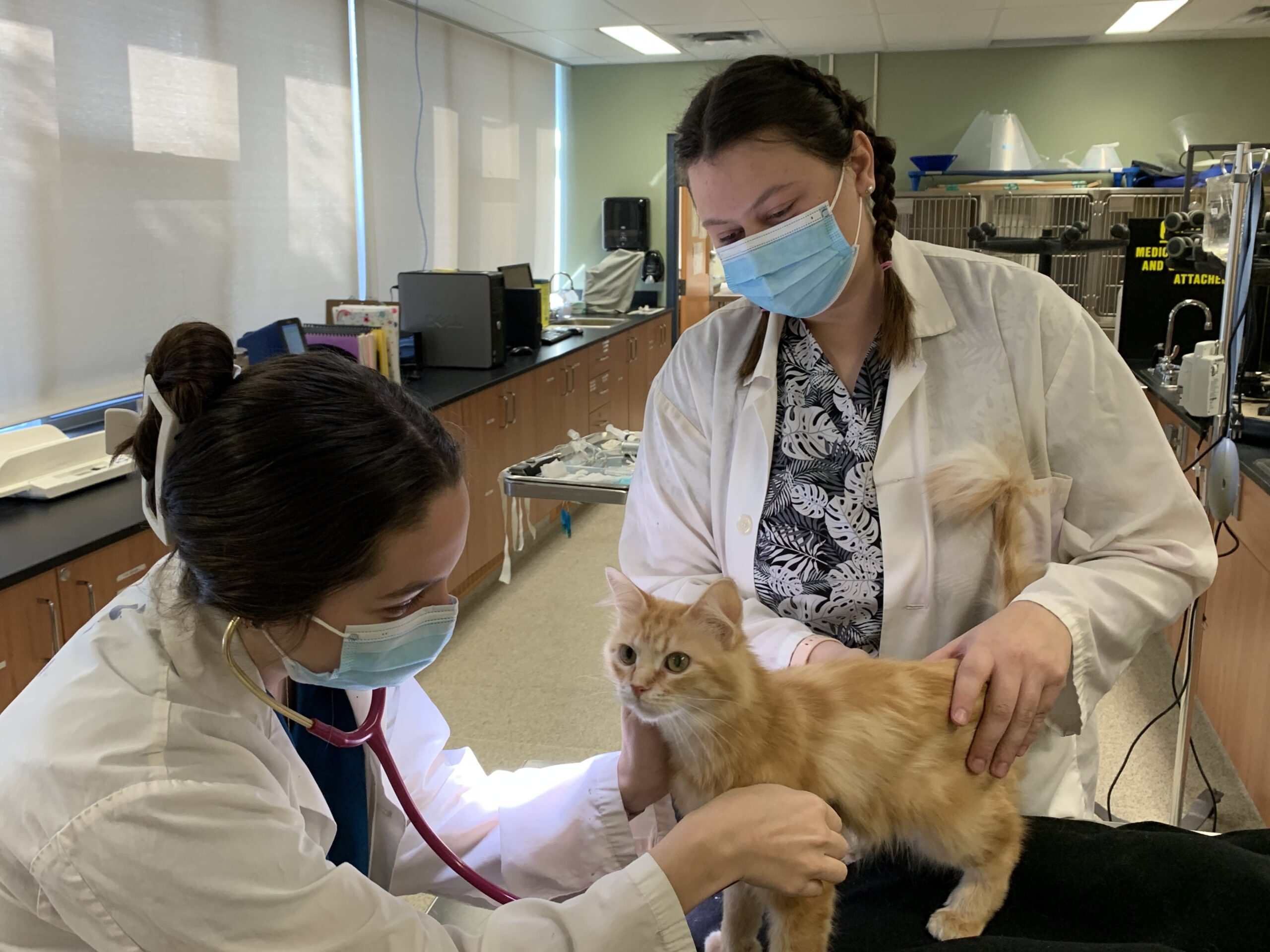
A top-tier program must have a high-volume teaching hospital. This ensures that during their clinical years, students encounter a diverse array of cases—from routine wellness checks to complex neurological surgeries. The presence of board-certified specialists in fields like oncology, cardiology, and ophthalmology is a hallmark of a leading institution.
The Global Leaders: UC Davis and the Royal Veterinary College
When looking at international rankings in 2026, two names consistently fight for the number one spot: the University of California, Davis, and the Royal Veterinary College.
University of California, Davis (UC Davis)
UC Davis is frequently cited as the best veterinary school in the United States and often the world. Its School of Veterinary Medicine is renowned for its massive scale and diversity of species.
- The Teaching Hospital: The William R. Pritchard Veterinary Medical Teaching Hospital treats over 50,000 animals annually.
- Specialization: It offers unparalleled depth in equine medicine and food animal health, making it a hub for the agricultural industry in California.
- Innovation: In 2026, UC Davis continues to lead in regenerative medicine, using stem cell therapies to treat chronic conditions in both small and large animals.
Royal Veterinary College (RVC), University of London
For students willing to look outside the U.S., the RVC in the United Kingdom is the gold standard. It is the oldest and largest veterinary school in the English-speaking world.
- Accreditation: Crucially, the RVC is accredited by the AVMA, meaning its graduates can practice in the U.S. and Canada without additional equivalency exams (aside from the NAVLE).
- Urban and Rural Campus: Students split their time between a vibrant London campus and a sprawling rural site in Hertfordshire, offering a comprehensive look at both companion animal and livestock medicine.
Top-Tier Domestic Programs in the United States
While UC Davis often takes the lead, several other American institutions offer programs that are arguably equal in quality, particularly in specific niches.
Cornell University (Ithaca, NY)
Cornell is the perennial "Ivy League" representative of veterinary medicine. It is famous for its "Problem-Based Learning" (PBL) curriculum, which encourages students to think like clinicians from day one. Cornell’s Animal Health Diagnostic Center is one of the most sophisticated in the world, playing a vital role in monitoring wildlife diseases and agricultural biosecurity.
Colorado State University (Fort Collins, CO)
Colorado State University (CSU) is a powerhouse for surgical training and oncology. The Flint Animal Cancer Center at CSU is world-renowned for its "comparative oncology" research, which studies naturally occurring cancers in pets to develop treatments that can eventually benefit humans. CSU is also a leader in veterinary sports medicine and rehabilitation.
North Carolina State University (Raleigh, NC)
NC State is widely regarded for its "value" and its focus on practical, hands-on experience. Located in the Research Triangle, students have unique access to biotechnology firms and pharmaceutical research. Their clinical simulation labs are among the most advanced as of 2026, allowing students to practice high-stakes procedures on high-fidelity models before entering the operating room.
Comparing the Top Veterinary Programs in 2026
The following table compares the top-ranked domestic programs based on criteria that matter most to prospective students.
| University | Location | Primary Strength | 2026 Est. Annual Tuition (Out-of-State) | NAVLE Pass Rate (Approx.) |
|---|---|---|---|---|
| UC Davis | Davis, CA | Research & Diversity of Species | $68,000 | 98% |
| Cornell University | Ithaca, NY | Diagnostics & Public Health | $65,000 | 97% |
| Colorado State | Fort Collins, CO | Oncology & Orthopedics | $63,000 | 96% |
| NC State | Raleigh, NC | Clinical Skills & Bio-Tech | $55,000 | 98% |
| Ohio State | Columbus, OH | Large Animal & Surgery | $78,000 | 95% |
| Univ. of Pennsylvania | Philadelphia, PA | Small Animal & Emergency | $75,000 | 94% |
Note: Tuition figures are estimates for the 2026 academic year and may vary based on residency status and institutional updates. Consult the AAVMC Cost Comparison Tool for the most current data.
Factors Beyond Rankings: Finding Your Best Fit
Rankings do not tell the whole story. A student interested in poultry medicine may find that Georgia or Mississippi State is "better" for them than an Ivy League school like PennVet.
Species Track vs. Generalist Curriculum
In 2026, many schools are moving toward a more tracked curriculum. If you know you want to work exclusively with cats and dogs, a program like the University of Pennsylvania—located in a dense urban environment with a massive companion animal caseload—might be superior to a rural, livestock-heavy program. Conversely, if you want to be an equine surgeon, Texas A&M or Kentucky (via their collaborations) offer specialized facilities that are hard to beat.
The Debt-to-Income Ratio
The veterinary profession is currently facing a debt crisis. In 2026, the average vet student graduates with over $180,000 in debt, while starting salaries for general practitioners often hover around $110,000–$130,000. Therefore, the "best" school might simply be the one where you are eligible for in-state tuition. The difference in total cost between an in-state program and an out-of-state private program can exceed $150,000 over four years.
New and Emerging Schools
To combat the national shortage of veterinarians, several new programs have opened or reached full accreditation by 2026. Schools like the University of Arizona and Long Island University use a "distributive clinical model." Instead of owning a massive teaching hospital, they send students to high-quality private practices for their rotations. While these schools may not appear at the top of "prestige" rankings yet, they often provide more real-world, "bread and butter" veterinary experience.
Admission Requirements for Top Programs
Getting into the "best" program requires more than just a high GPA. In 2026, the Association of American Veterinary Medical Colleges (AAVMC) emphasizes a holistic review process.
- Prerequisites: Most top schools require a heavy load of Upper-Division Biology, Organic Chemistry, Physics, and Genetics.
- Experience Hours: Successful applicants to schools like UC Davis often have 500 to 1,000 hours of diverse veterinary experience (e.g., small animal, large animal, and lab research).
- The GRE: By 2026, many top-tier schools have completely dropped the GRE requirement, focusing instead on Casper (situational judgment) tests and personal statements.
- Letters of Recommendation: You typically need at least one letter from a licensed veterinarian who has observed you in a clinical setting.
Frequently Asked Questions
Which veterinary school is the hardest to get into?
UC Davis and Cornell are statistically the most difficult, with acceptance rates often dipping below 5-10%. However, because most applicants apply to their in-state school, competition can be fierce at any state-funded institution where seats are limited for residents.
Is an Ivy League veterinary degree worth the cost?
A degree from Cornell or UPenn carries significant prestige, which can be helpful if you are pursuing a competitive residency or an academic career. However, for a general practitioner, a DVM from any AVMA-accredited school carries the same legal weight and ability to earn.
Can I practice in the U.S. if I go to a top school abroad?
Yes, as long as the school is AVMA-accredited. This includes institutions like the Royal Veterinary College (UK), University of Edinburgh (UK), University of Melbourne (Australia), and Utrecht University (Netherlands). You will still need to pass the NAVLE.
Are there "best" schools for specific animals like exotics?
Yes. The University of Florida and Louisiana State University are highly regarded for their zoo and exotic animal programs due to their partnerships with major zoos and wildlife centers.
What is the most important factor in choosing a vet school in 2026?
Cost and NAVLE pass rates should be your primary filters. After that, look for a school that offers a "track" or elective system that matches your intended career path (e.g., public health vs. private practice).
Practical Recommendation
If you are applying in 2026, your first priority should be your in-state veterinary school. The quality of education across all 30+ AVMA-accredited U.S. schools is exceptionally high, and the financial benefit of in-state tuition usually outweighs the prestige of a higher-ranked out-of-state school.
However, if you are aiming for a career in specialized surgery or high-level research, UC Davis, Cornell, and the Royal Veterinary College remain the definitive leaders. Before committing, visit the campuses, review their 2026 clinical rotation schedules, and use the AVMA's official accreditation reports to ensure the program's standing is secure.
Image Gallery