Finding Affordable Auto Insurance in Orangeburg, SC: A Practical Guide for 2026
Securing affordable auto insurance in Orangeburg, South Carolina, requires a strategic approach that balances state-mandated coverage requirements with individual risk factors. By understanding how South Carolina regulates insurance pr...
Securing affordable auto insurance in Orangeburg, South Carolina, requires a strategic approach that balances state-mandated coverage requirements with individual risk factors. By understanding how South Carolina regulates insurance pricing, maintaining a clean driving record, and utilizing targeted discounts, drivers in Orangeburg can effectively manage their premiums while remaining fully compliant with state law.
Contents
Understanding the South Carolina Auto Insurance Landscape
In South Carolina, auto insurance is heavily regulated by the South Carolina Department of Insurance (SCDOI). This regulatory environment ensures that insurers must file their rate structures with the state, preventing arbitrary pricing. However, companies still maintain significant flexibility to adjust premiums based on actuarial data, which includes your location, vehicle type, and historical driving performance.
Orangeburg, like many municipalities in the Palmetto State, presents unique variables for insurers. Factors such as local traffic density, historical accident rates within Orangeburg County, and the cost of vehicle repairs in the region influence how insurance companies calculate "territorial" risk. Because insurance is a competitive market, premiums can vary substantially between carriers for the exact same coverage profile. This variation is the primary reason why proactive comparison is the most effective tool for finding lower rates.
Minimum Coverage Requirements in South Carolina
Before seeking the lowest possible premium, you must ensure your policy meets the mandatory financial responsibility requirements established by the state. Driving without these minimums is a legal violation that leads to heavy fines and license suspension.
As of 2026, South Carolina requires all registered drivers to carry the following minimum liability limits:
- Bodily Injury Liability: $25,000 per person and $50,000 per accident.
- Property Damage Liability: $25,000 per accident.
- Uninsured Motorist Coverage (UM): Must match your liability limits.
While these are the state-mandated minimums, they are often insufficient to cover the actual costs of a serious accident, particularly given the rising cost of medical care and vehicle replacement in 2026. Opting only for the minimum coverage may save money on your monthly bill, but it exposes your personal assets to significant risk in the event of a lawsuit or a major collision.
Factors Influencing Your Insurance Premium
Insurance providers utilize complex algorithms to determine your risk profile. While you cannot change your age or the geographic location of your home in Orangeburg, you can manage several other high-impact variables that influence your final premium.
Your Driving History
Your motor vehicle record (MVR) is the most significant factor in your rate calculation. Moving violations, at-fault accidents, and license points are tracked by the South Carolina Department of Public Safety. A clean record over a three-to-five-year period is the strongest signal to an insurer that you are a low-risk driver, which directly translates to lower premiums.
Vehicle Characteristics
The make, model, and year of your vehicle affect your insurance cost. High-performance vehicles, models with expensive proprietary parts, and vehicles with high theft rates typically cost more to insure. Conversely, vehicles with high safety ratings and advanced driver-assistance systems (ADAS) often qualify for lower premiums because they are less likely to be involved in accidents or lead to severe injuries.
Credit-Based Insurance Scores
South Carolina law allows insurers to use credit-based insurance scores as a rating factor. While not a credit score in the traditional sense, this number is derived from your credit report and is statistically correlated with the likelihood of filing a claim. Maintaining a strong credit profile can often lead to more favorable rate tiers.
Comparison of Coverage Levels
Choosing the right policy requires balancing your budget with your tolerance for risk. The following table illustrates how different coverage levels typically align with financial protection needs.
| Coverage Type | Protection Scope | Financial Risk | Best For |
|---|---|---|---|
| Minimum Liability | Meets state law only | High personal asset risk | Older vehicles, low budget |
| Basic Full Coverage | Adds Collision/Comprehensive | Moderate risk | Newer vehicles, financed cars |
| High-Limit/Umbrella | Extensive medical/legal | Minimal personal risk | High-net-worth individuals |
Strategies for Reducing Your Auto Insurance Costs
To achieve lower rates in Orangeburg without sacrificing essential protection, you should employ a systematic approach to policy management.
Bundle Your Policies
Most insurers offer a "multi-policy" discount if you hold your homeowners or renters insurance with the same company that provides your auto coverage. This bundling can often result in a 10% to 20% discount on the total premium cost.
Opt for Higher Deductibles
If you have emergency savings, consider raising your deductible for comprehensive and collision coverage. A deductible is the amount you pay out-of-pocket before insurance kicks in. Increasing your deductible from $500 to $1,000 can result in an immediate reduction in your annual premium.
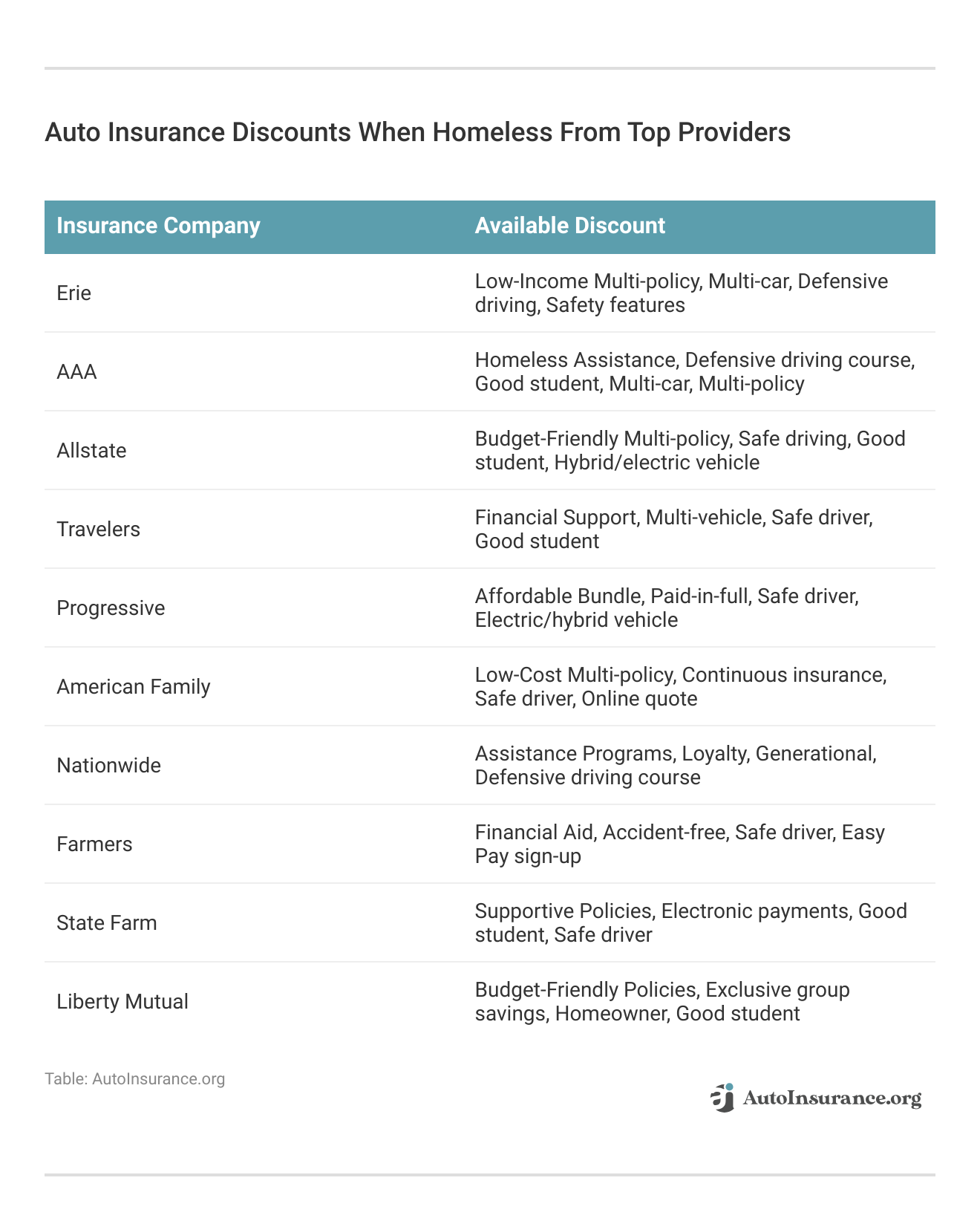
Inquire About Specific Discounts
Ask every potential insurer about specific discounts for which you might qualify. Common, yet often overlooked, discounts include:
- Safe Driver Discounts: Awarded for long periods without accidents or claims.
- Low Mileage Discounts: Applicable if you work from home or have a short commute within Orangeburg.
- Student/Education Discounts: Available for students with high grade-point averages.
- Safety Equipment Discounts: For vehicles equipped with factory-installed anti-theft or emergency braking systems.
Troubleshooting Common Policy Issues
If you find that your premiums have spiked despite no changes to your driving record, you should initiate a "policy audit." Begin by reviewing your Declarations Page—the summary document of your coverage—to ensure all your discounts are still active. Errors in personal data, such as an incorrect annual mileage estimate or missing information about a vehicle's safety features, are common and can be corrected by contacting your agent.
If your current provider remains expensive, do not be afraid to shop around. Insurance companies change their appetite for risk periodically. A company that was expensive for you three years ago may now have a more competitive rate for your demographic in the Orangeburg area due to new internal underwriting guidelines.
Frequently Asked Questions
Does my credit score affect my insurance rate in South Carolina?
Yes. South Carolina allows insurers to use credit-based insurance scores. These models analyze your credit history to predict the probability of future insurance claims. Improving your credit standing can often lead to lower insurance premiums over time.
How often should I compare insurance rates?
It is recommended to compare rates at least once every 12 months or whenever you experience a major life event, such as moving, getting married, or purchasing a new vehicle. Comparing regularly ensures you are not "loyal to a fault" with an insurer that has raised its rates beyond market value.
Can I get insurance in Orangeburg if I have a history of accidents?
Yes, you can still obtain insurance, but your premiums will be higher. If you have been labeled a "high-risk" driver, you may need to look for carriers that specialize in non-standard insurance, as they have different underwriting criteria than traditional, preferred-tier carriers.
What is the difference between collision and comprehensive coverage?
Collision covers damage to your car resulting from a crash with another vehicle or an object. Comprehensive covers "non-collision" events, such as theft, vandalism, fire, or damage caused by falling objects or hitting an animal. Both are optional unless your vehicle is financed or leased.
Next Steps for Your Auto Insurance
To secure the most competitive rate in Orangeburg, start by gathering your current policy documents and your vehicle identification number (VIN). Use this information to request quotes from at least three different insurers—a mix of large national carriers and local regional providers. Once you have these quotes, verify that the coverage limits are identical across all proposals to ensure an "apples-to-apples" comparison. Finally, commit to reviewing your policy annually to ensure your coverage continues to align with your financial needs and that you are benefiting from all available discounts.
Image Gallery