Is Waterpik Better Than Floss? A Data-Driven Comparison for 2026
The question of whether a Waterpik (water flosser) is better than traditional string floss depends largely on your specific oral health goals. While clinical studies frequently show that Waterpiks are more effective at reducing gingiva...
The question of whether a Waterpik (water flosser) is better than traditional string floss depends largely on your specific oral health goals. While clinical studies frequently show that Waterpiks are more effective at reducing gingival bleeding and inflammation, traditional string floss remains the superior tool for the physical scraping of stubborn plaque from extremely tight dental contacts.
Contents
Interdental cleaning is a non-negotiable pillar of oral hygiene. As we move through 2026, the technology behind oral irrigators has matured, offering more pressure control and portability than ever before. However, the fundamental biological challenge remains the same: removing the sticky biofilm (plaque) that accumulates between teeth where a toothbrush cannot reach. To decide which method is "better" for you, it is essential to understand the mechanical differences, the clinical evidence, and how different dental conditions—such as braces or implants—change the equation.
The Mechanics of Cleaning: Mechanical Friction vs. Hydrokinetic Energy
To understand the efficacy of these two tools, we must look at how they interact with dental biofilm. Plaque is not just "food stuck in teeth"; it is a complex community of bacteria held together by a sticky matrix of extracellular polysaccharides.
Traditional String Floss: The Mechanical Scraper
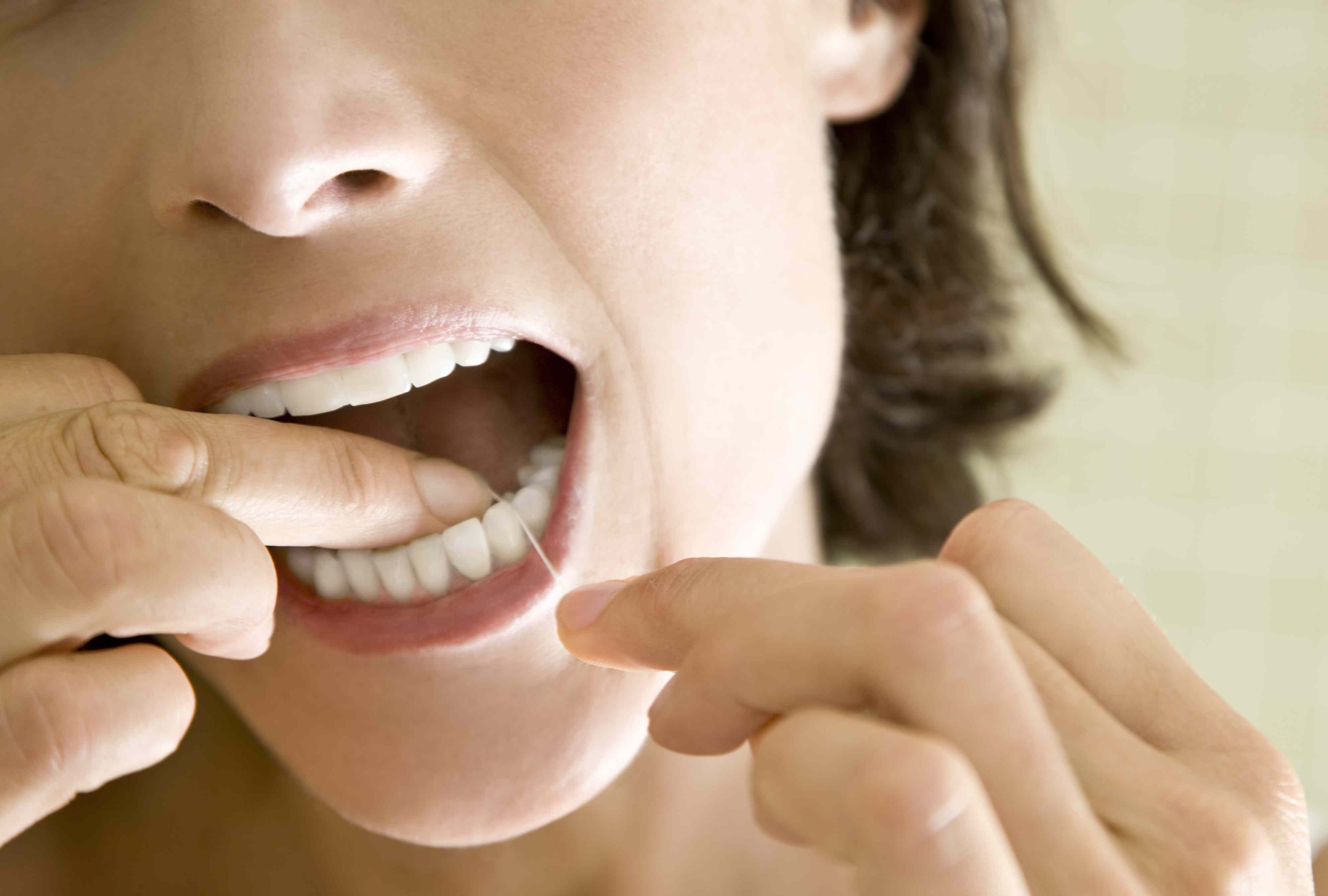
Traditional floss works through mechanical friction. When you slide the string between your teeth and wrap it in a "C" shape around the tooth, you are physically scraping the biofilm off the tooth surface. This tactile approach is highly effective for "breaking" the contact point between two teeth where they touch most tightly. Because you are physically touching the tooth, you have direct control over the pressure and the area being cleaned.
The Waterpik: Hydrokinetic Irrigation
A Waterpik, or oral irrigator, utilizes a combination of water pressure and pulsation. This creates "hydrokinetic energy"—two zones of water activity that work together. The first is the compression zone, where the water hits the tooth, and the second is the decompression zone, which flushes out the debris. This pulsating action is particularly effective at reaching subgingival areas (below the gumline) and into deep periodontal pockets that string floss simply cannot reach.
Clinical Evidence: What the Research Says in 2026
Decades of clinical trials have compared these two methods. The consensus among dental researchers generally favors the Waterpik for gum health, though with important nuances regarding plaque removal.
- Gingivitis and Bleeding: Numerous studies, including landmark research published in the Journal of Clinical Dentistry, have found that the Waterpik is significantly more effective than string floss at reducing gingival bleeding and inflammation. The pulsating water massages the gum tissue, increasing blood flow and flushing out the pro-inflammatory cytokines that cause gum disease.
- Plaque Removal: While some earlier studies suggested string floss was superior for plaque removal due to its scraping action, more recent data indicates that the Waterpik is at least as effective, if not more so, when used correctly. A study comparing the two found that the Waterpik removed 29% more plaque overall than string floss, likely because it is easier for the average user to operate effectively.
- User Compliance: One of the most significant factors in oral health is "compliance"—actually doing the task. Many patients find traditional flossing difficult, painful, or time-consuming. Survey data in 2026 suggests that users are more likely to stick to a routine with a water flosser because it is perceived as easier and less invasive.
Comparative Overview: Waterpik vs. String Floss
The following table breaks down the primary differences between the two methods based on current 2026 dental standards and product availability.
| Feature | Traditional String Floss | Waterpik (Water Flosser) |
|---|---|---|
| Primary Action | Mechanical scraping (Friction) | Pulsating irrigation (Hydrokinetics) |
| Gum Health | Good for removing debris | Superior for reducing inflammation |
| Reach | Limited to where the string can fit | Can reach deep into periodontal pockets |
| Ease of Use | High technical skill required | Low technical skill required |
| Portability | Excellent (pocket-sized) | Moderate (cordless models available) |
| Initial Cost | Very Low ($2–$5) | High ($40–$120) |
| Ongoing Cost | Continuous replacement needed | Low (electricity and water) |
| Best For | Tight tooth contacts | Braces, implants, and gum disease |
When the Waterpik is Clearly Superior
For certain dental profiles, the Waterpik is not just an alternative; it is the recommended primary method for interdental cleaning.
Braces and Orthodontic Appliances
Flossing with braces is notoriously difficult, requiring floss threaders and significant patience. Research consistently shows that the Waterpik, especially when used with a specialized "orthodontic tip," is up to three times as effective at removing plaque for orthodontic patients compared to string floss. It flushes debris from behind wires and around brackets that a string cannot easily navigate.
Dental Implants, Bridges, and Crowns
Implants require meticulous hygiene to prevent peri-implantitis (inflammation around the implant). Because an implant is not attached to the bone in the same way a natural tooth is, the tissue can be more sensitive. The Waterpik provides a gentle but thorough way to clean around the base of implants and under dental bridges without the risk of fraying string or causing trauma to the delicate attachment.
Periodontal Disease
If you have been diagnosed with gum disease, your "pockets" (the space between the tooth and gum) are likely deeper than the standard 1–3mm. String floss cannot reach the bottom of a 5mm or 6mm pocket. A Waterpik with a subgingival tip can deliver water or antimicrobial rinses deep into these pockets, disrupting the bacteria that cause disease progression.
The Limitations of the Waterpik
Despite its benefits, the Waterpik is not a perfect substitute in every scenario. The primary drawback is the lack of physical friction. In 2026, some dental professionals still refer to the Waterpik as "power washing" versus the "scrubbing" of string floss. If you have extremely sticky plaque or if your teeth are crowded so tightly that water cannot easily pass through, a Waterpik may leave behind a thin film of biofilm that only mechanical scraping can remove.
Furthermore, Waterpiks require a power source (either a battery or a wall outlet) and a water supply. They can be messy for beginners, often resulting in water splashing on the bathroom mirror or counter until the user masters the "closed-lip" technique.
Professional Guidance: How to Maximize Results
Many top periodontists in 2026 now recommend a "hybrid approach" rather than choosing one over the other. If your budget and time allow, using string floss to break the tight contacts followed by a Waterpik to flush out the loosened debris and irrigate the gums provides the most comprehensive cleaning possible.
Tips for Effective Waterpiking:
- Start Low: Begin at the lowest pressure setting and increase it as your gums become desensitized.
- Follow the Line: Trace the gumline, pausing briefly between each tooth.
- Lean Over the Sink: To avoid a mess, lean over the sink and keep your lips slightly closed, allowing the water to flow out of your mouth naturally.
- Empty the Reservoir: Always empty the water tank after use to prevent the growth of bacteria or mold inside the unit.
Frequently Asked Questions
Can a Waterpik replace flossing entirely?
For many people, yes. The American Dental Association (ADA) has awarded its Seal of Acceptance to several Waterpik models, confirming they are effective at removing plaque and preventing gingivitis. If you have healthy gums and find string flossing impossible to maintain, a Waterpik is a highly effective replacement. However, if you have very tight teeth, your dentist may still recommend traditional floss.
Does a Waterpik push bacteria deeper into the gums?
No. Clinical studies have shown that the pulsating action of a Waterpik actually flushes bacteria out of the periodontal pockets rather than pushing them in. The pressure is designed to be high enough to disrupt biofilm but low enough to be safe for the soft tissues.
Is it okay to put mouthwash in a Waterpik?
Yes, most Waterpik models allow for a mixture of water and mouthwash. This can be particularly beneficial for patients with gum disease who want to deliver an antimicrobial agent directly into the subgingival pockets. However, ensure you rinse the unit with plain water afterward to prevent the internal components from becoming clogged or damaged by the ingredients in the mouthwash.
Why do my gums bleed when I first use a Waterpik?
Bleeding is usually a sign of existing inflammation or gingivitis, not an injury from the Waterpik itself. If you haven't been flossing regularly, your gums may be sensitive. If you continue to use the Waterpik daily, the bleeding should subside within one to two weeks as your gum health improves. If it persists, consult your dentist.
Which is better for travel?
Traditional string floss is the winner for portability, as it fits in any pocket or travel kit. However, in 2026, there are many compact, cordless, and collapsible water flossers designed specifically for travel that can easily fit in a carry-on bag.
Final Recommendation: Which Should You Choose?
If you are a "flossing procrastinator" who finds string floss tedious, painful, or difficult, the Waterpik is the better choice for you. The best interdental cleaner is the one you will actually use every day, and the ease of use provided by a Waterpik significantly increases the likelihood of a consistent habit.
However, if you have very tight dental contacts and you are already a disciplined flosser, you may find that traditional string floss provides a "cleaner" feel through its mechanical scraping action. For those with braces, implants, or a history of gum disease, the Waterpik is considered the gold standard by most modern dental professionals for its ability to irrigate areas that strings simply cannot reach.
Image Gallery