Modern Military Drones: Strategic Capabilities and Operational Evolution
Modern military drones represent the convergence of high-end autonomous flight, advanced sensor integration, and artificial intelligence, functioning as essential components of contemporary defense architectures. These systems provide...
Modern military drones represent the convergence of high-end autonomous flight, advanced sensor integration, and artificial intelligence, functioning as essential components of contemporary defense architectures. These systems provide persistent intelligence, precision strike capabilities, and force multiplication across air, land, and sea domains, fundamentally altering how armed forces project power and maintain situational awareness in contested environments.
Contents
The Shift Toward Autonomous and Collaborative Systems
The architecture of modern military drones has evolved beyond simple remote-piloted aircraft. Current platforms increasingly emphasize "optionally piloted" features and high-level autonomy. This transition addresses the critical requirement for operations in environments where signal jamming or electromagnetic interference makes traditional constant-link control impossible.
Modern drones are increasingly defined by their ability to participate in Manned-Unmanned Teaming (MUM-T). In these configurations, a human pilot in a command aircraft or ground control station directs one or more uncrewed platforms, which handle high-risk tasks such as forward reconnaissance, electronic warfare, or acting as decoys to saturate enemy air defenses. By offloading these high-risk missions to uncrewed systems, military commanders minimize exposure to human personnel while maintaining control over the decision-making process.
Classification and Operational Domains
Military drones are categorized based on their mission profile, altitude, and range. Understanding these classifications is vital for recognizing the specific role a platform occupies within a broader theater of operations.
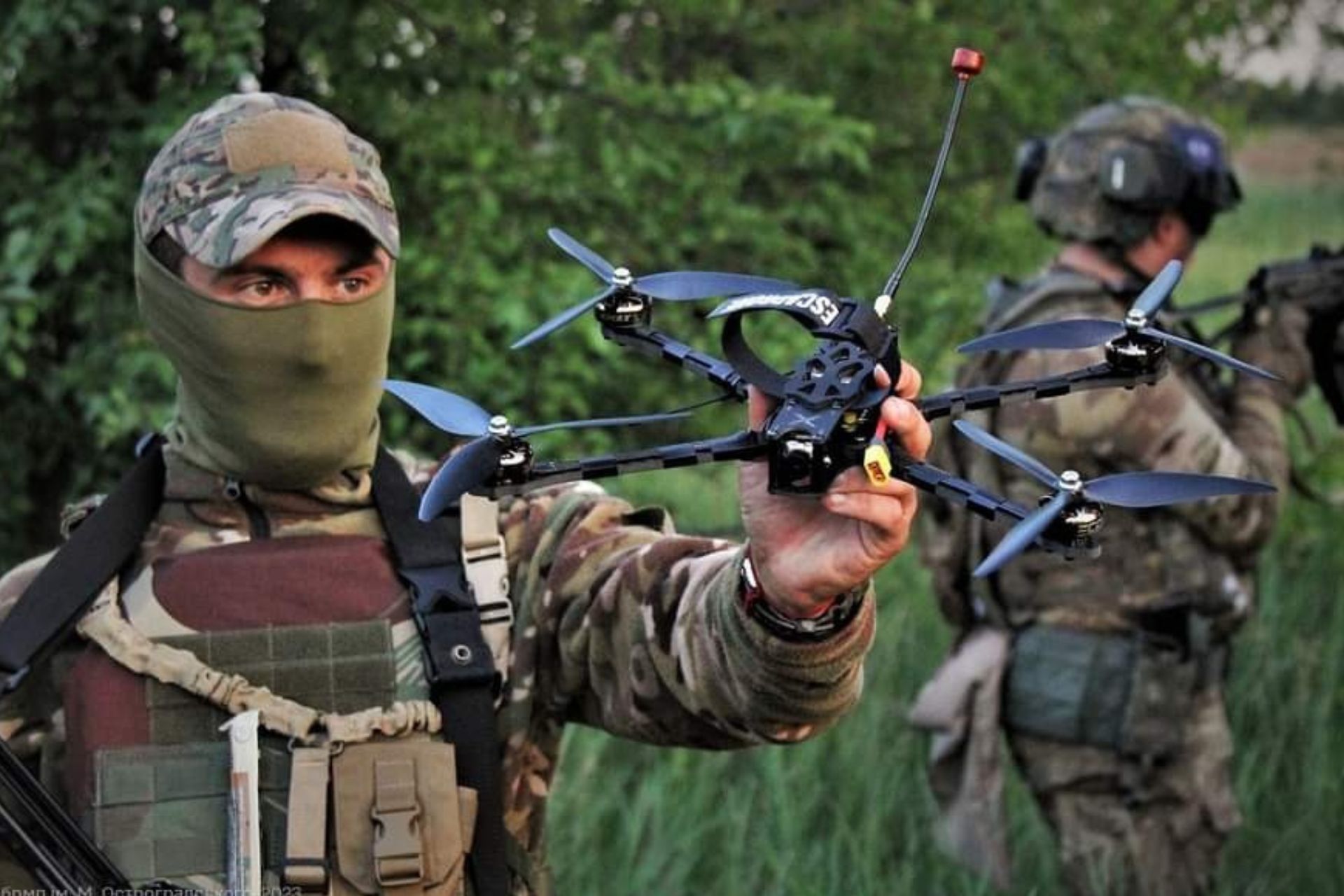
- Group 1 & 2 (Small/Tactical): These are man-portable or lightweight systems used for immediate tactical intelligence. They are often expendable and provide real-time battlefield views for small infantry units.
- Group 3 (Mid-sized): These drones, such as the ScanEagle, operate at medium altitudes and ranges. They are primary tools for intelligence, surveillance, and reconnaissance (ISR) and require minimal infrastructure to deploy.
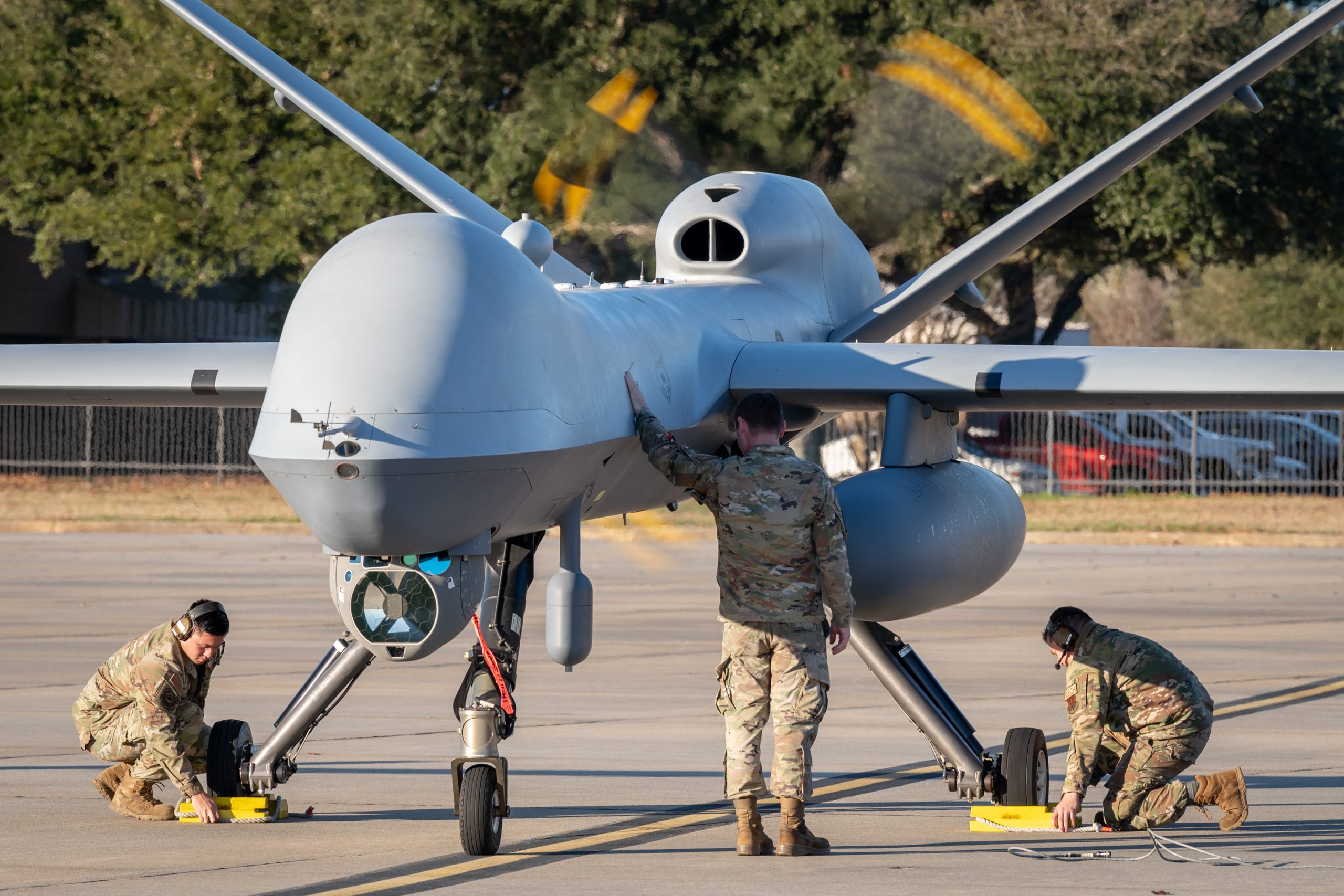
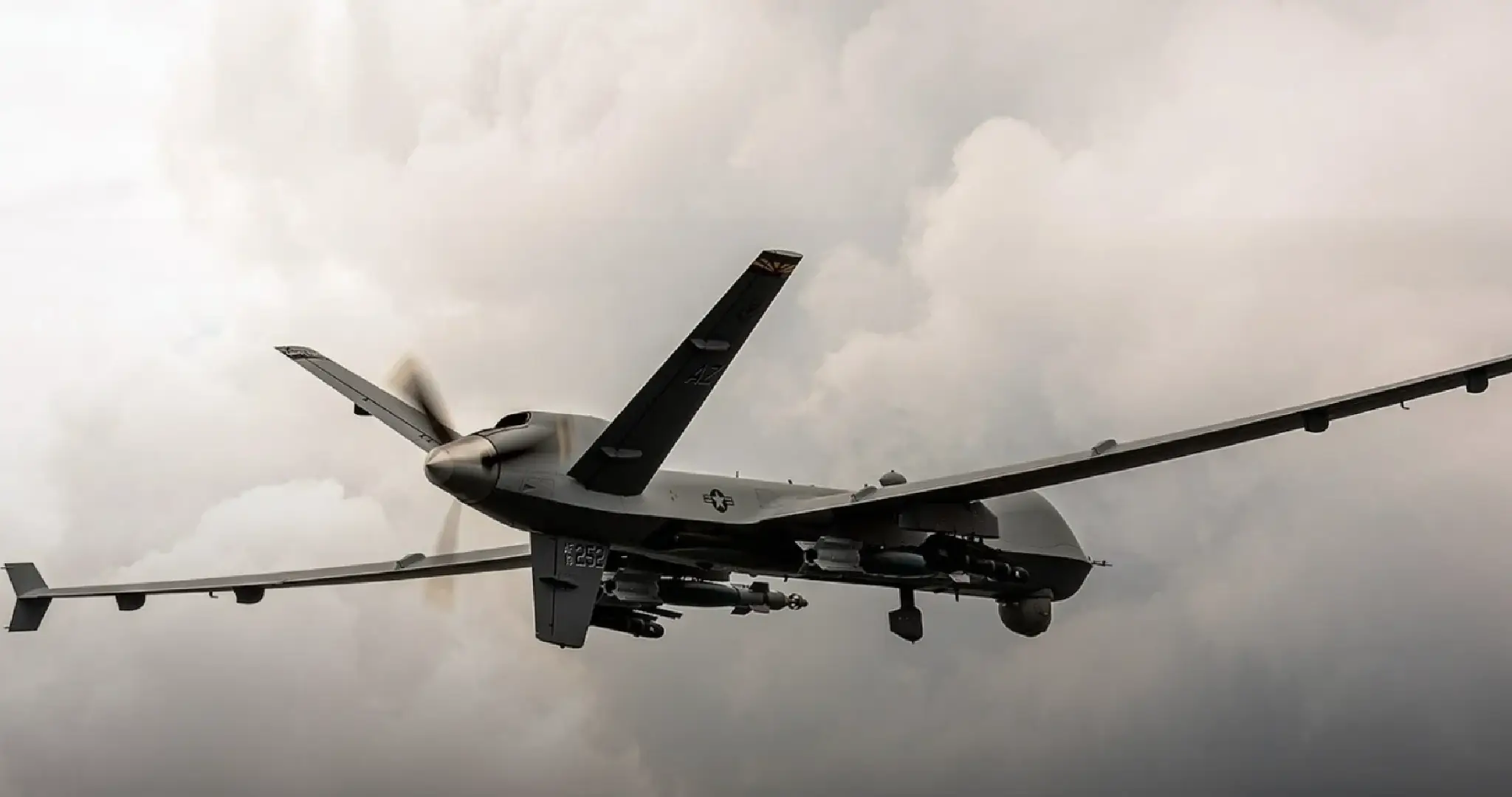
- Group 4 & 5 (MALE/HALE): Medium-Altitude Long-Endurance (MALE) and High-Altitude Long-Endurance (HALE) systems are the backbone of strategic operations. Examples include the MQ-9 Reaper or the RQ-4 Global Hawk. These systems are capable of staying aloft for over 24 hours, carrying advanced synthetic aperture radar, signals intelligence suites, and precision-guided munitions.
Table: Comparative Overview of Modern Drone Categories
| Category | Typical Weight | Typical Role | Key Operational Focus |
|---|---|---|---|
| Small Tactical | < 20 lbs | ISTAR | Real-time unit-level awareness |
| Mid-Range | 20–1,320 lbs | Tactical ISR | Persistent monitoring, relay |
| MALE | > 1,320 lbs | Strike & ISR | Long-endurance combat support |
| HALE | Heavy / Jet | Strategic Recon | Global reach, high-fidelity data |
Integration of Artificial Intelligence
The most significant technological leap in military drone development through 2026 is the integration of Edge AI. Unlike early systems that required operators to manually track and identify targets from low-latency video feeds, modern drones utilize onboard computer vision.
These systems can autonomously detect, classify, and track high-value targets—such as mobile missile launchers or infantry formations—without human intervention until the final decision to engage. This capability is essential for "latency-sensitive" missions where waiting for manual verification might allow a target to move out of range or evade detection. Furthermore, AI-driven navigation allows drones to operate in GPS-denied environments by using terrain-following sensors and inertial navigation systems that cross-reference visual data with pre-mapped topographical features.
Survivability in Contested Airspace
As air defense systems become more sophisticated, the survivability of large, slow-moving drones has become a primary design challenge. Designers now favor low-observable (stealth) configurations and high-speed delivery platforms.
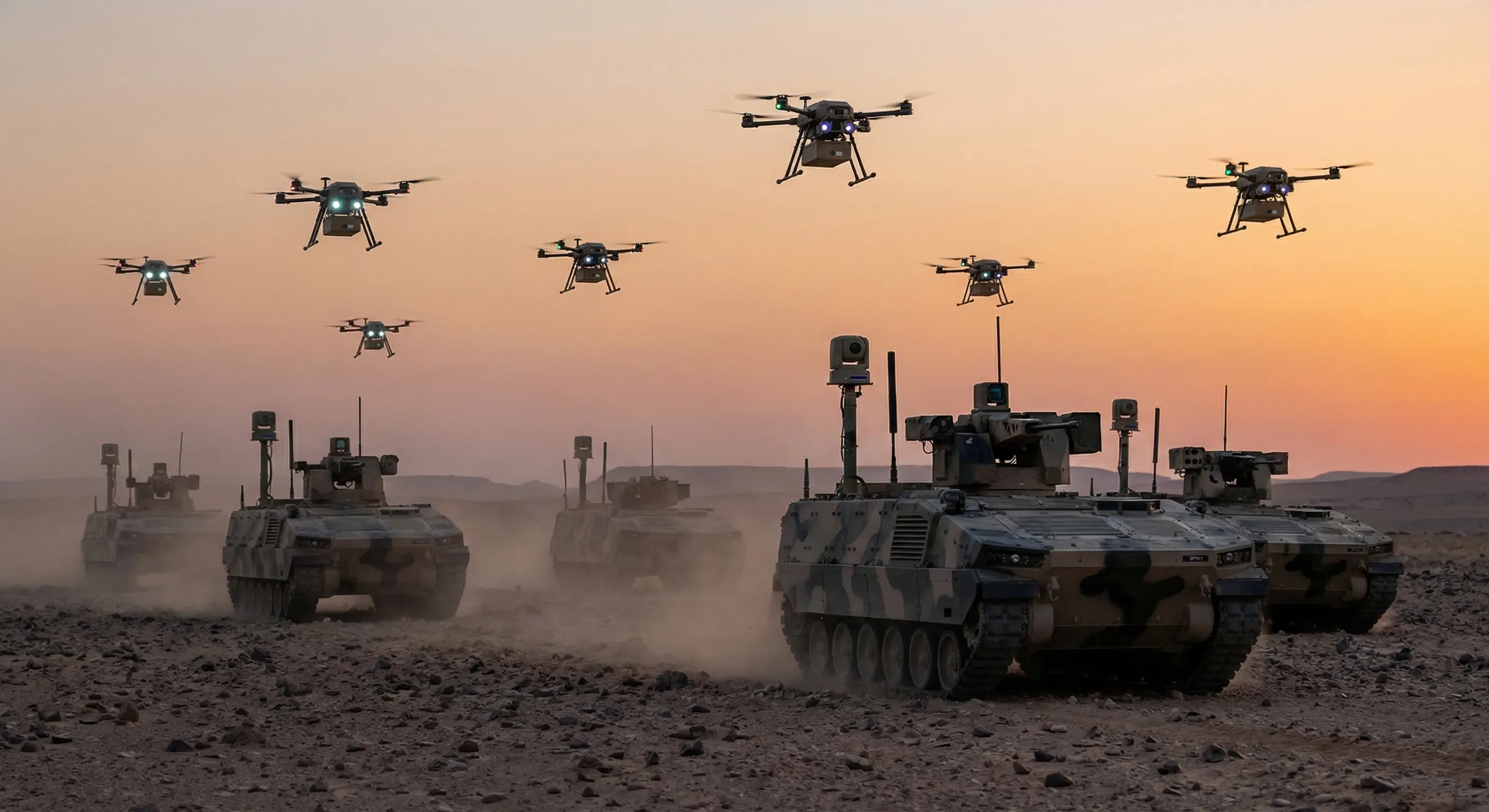
Modern concepts focus on "attritable" drones—platforms designed to be relatively inexpensive to manufacture, allowing commanders to accept higher loss rates in exchange for achieving mission objectives. This stands in contrast to legacy systems, which were often multi-million dollar assets that required absolute air superiority to operate safely. By deploying swarms of lower-cost, semi-autonomous drones, military forces can overwhelm enemy sensors through sheer saturation, ensuring that at least some units reach their intended targets even if others are intercepted.
Logistics and Operational Constraints
Operating modern military drones requires more than just the aircraft. A successful mission requires a complex logistical tail consisting of satellite data links, encrypted ground control stations, and specialized maintenance crews.
- Connectivity Requirements: While some drones operate autonomously, the majority rely on SATCOM (Satellite Communication) for long-range control. Ensuring these links remain secure against sophisticated electronic warfare is a major technical hurdle.
- Infrastructure: Even the smallest systems require secure facilities for battery maintenance, sensor calibration, and data downloading.
- Regulatory Compliance: Outside of active combat zones, military drones must navigate strict airspace management protocols to avoid interference with civil aviation. This requires advanced "Sense and Avoid" technologies that mimic human situational awareness.
Addressing Unresolved Operational Challenges
Despite rapid advancements, challenges persist. One of the most significant is the "data deluge." Modern sensor suites on drones collect petabytes of high-resolution video and imagery, far exceeding the capacity for human analysts to review. Consequently, the bottleneck in modern drone warfare is no longer data acquisition, but the automated processing and exploitation of that data.
Another unresolved area is the ethical and legal framework for autonomous engagement. While military doctrines emphasize the need for a "human in the loop," the speed at which modern engagements occur increasingly pushes these systems toward greater automation. Establishing robust "fail-safe" protocols that prevent unauthorized strikes or unintended civilian impact remains a primary area of focus for global military leadership.
Frequently Asked Questions
How do military drones function in environments without GPS? Modern drones utilize inertial navigation systems (INS) combined with terrain-referenced navigation (TRN). By using onboard sensors to scan the ground and matching that data against a stored digital map, the drone maintains position accuracy without relying on external satellite signals.
What is meant by an "attritable" drone? An attritable drone is a platform intentionally designed to be cost-effective enough that commanders can accept the risk of losing it during combat. They fill the gap between expensive, high-survivability aircraft and cheap, short-range commercial drones.
Can modern military drones be hacked? While military-grade encryption is robust, the threat of electronic hijacking or "spoofing" is a constant concern. Defense developers mitigate this by using frequency-hopping spread spectrum communications and hardened anti-jamming antennas to protect the command-and-control link.
How does AI change the role of the human operator? AI shifts the operator’s role from "pilot" to "mission commander." Instead of controlling flight surfaces, the human defines the mission parameters, sets the Rules of Engagement (ROE), and provides final authorization for strikes, while the AI manages the complexities of flight and data processing.
Are military drones capable of mid-air refueling? Yes, specifically in the larger MALE and HALE classes. Autonomous aerial refueling is a critical capability that extends the persistent range of drones, allowing them to remain over a theater of operations for days rather than hours, limited only by mechanical wear and tear.
Strategic Recommendation
Organizations evaluating the acquisition or integration of modern military drone technologies should prioritize systems with modular, open-architecture designs. As sensor and software capabilities evolve, the ability to rapidly "plug-and-play" updated processing units or payloads is more valuable than the airframe itself. Focus investment on platforms that support Manned-Unmanned Teaming and have demonstrated resilience against electronic warfare, as these features will determine operational longevity in the evolving 2026 threat landscape.
Image Gallery