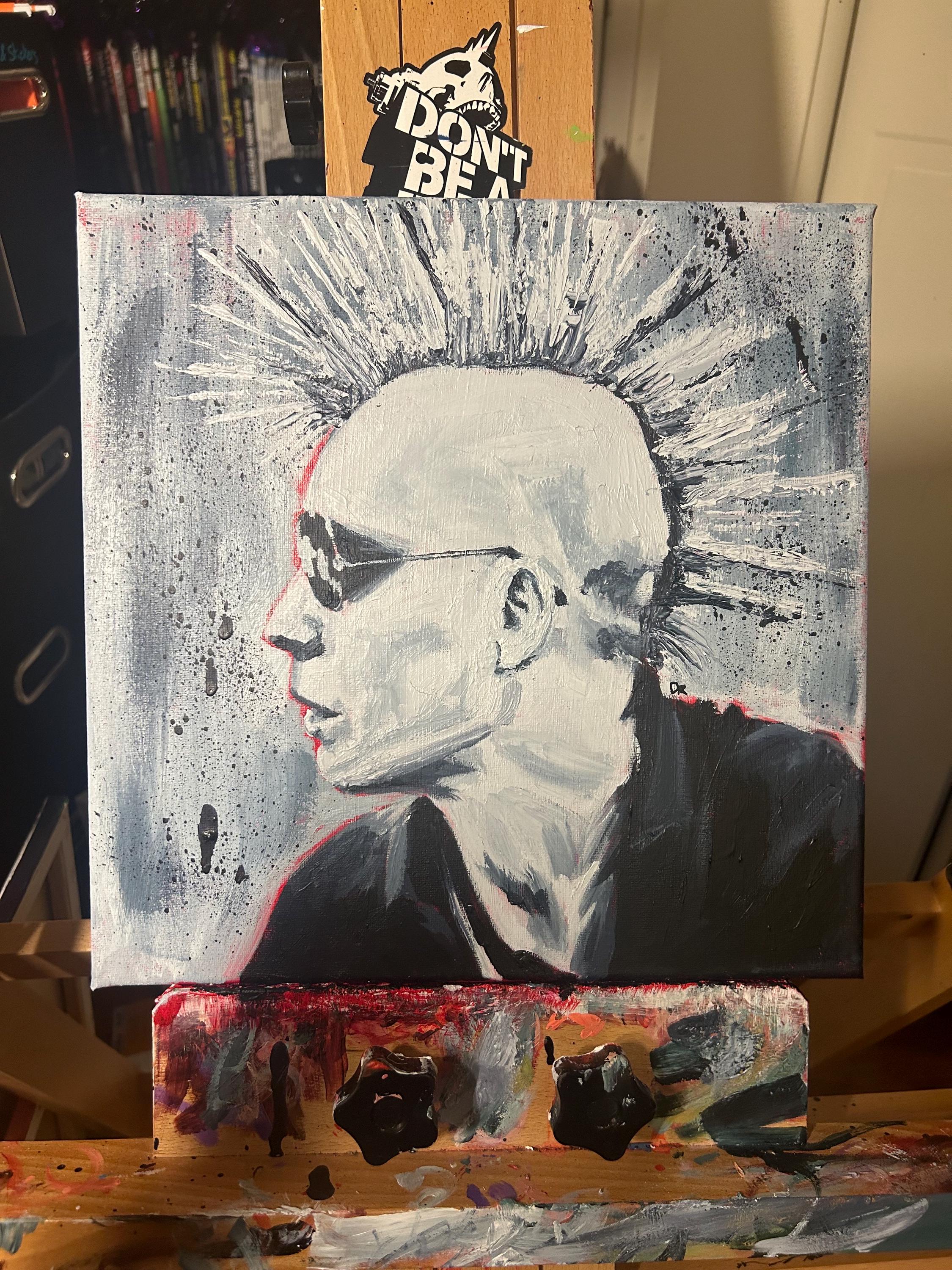
Sascha Konietzko Net Worth: An Analysis of the KMFDM Founder’s Career and Financial Profile
Sascha Konietzko, the driving force behind the industrial rock collective KMFDM, has established a multi-decade career that spans music production, composition, and independent label management. As of 2026, his net worth is estimated t...
Sascha Konietzko, the driving force behind the industrial rock collective KMFDM, has established a multi-decade career that spans music production, composition, and independent label management. As of 2026, his net worth is estimated to be in the range of $1 million to $3 million, a figure derived primarily from his prolific recording output, extensive touring history, and long-standing involvement in the independent music business.
Contents
The Foundation of a Musical Career
To understand the financial trajectory of Sascha Konietzko, one must first recognize the structure of the music industry in which he has operated since 1984. Born in Hamburg, Germany, Konietzko founded KMFDM (Kein Mehrheit Für Die Mitleid) as an art project before it evolved into a foundational act in the industrial metal genre. Unlike pop musicians who rely heavily on major label advances and radio play, Konietzko’s career has been defined by a "do-it-yourself" (DIY) ethos, which prioritizes artist autonomy and direct ownership of intellectual property.
The industrial music niche in the 1980s and 1990s was characterized by a dedicated, cult-like following. Because Konietzko functioned as both the primary songwriter and the production lead, he maintained a significant stake in his master recordings. Throughout the 1990s, when industrial rock reached its peak commercial visibility in the United States, KMFDM secured a consistent audience, facilitating steady revenue through physical media sales and ticket receipts.
Revenue Streams in the Industrial Genre
The net worth of a career musician like Konietzko is not typically inflated by massive corporate endorsements or celebrity marketing deals. Instead, it is built upon a mosaic of income sources that fluctuate based on cycle activity.
1. Intellectual Property and Royalties
As the primary creative lead, Konietzko earns ongoing royalties from the extensive KMFDM catalog. This includes compositions featured in films, television shows, and video games. In the mid-to-late 1990s, the licensing of tracks such as "Juke Joint Jezebel" and "Megalomaniac" helped sustain the project's financial independence. In 2026, revenue from streaming platforms—though often criticized for low per-stream payouts—provides a consistent, passive income stream that aggregates across a vast discography of over twenty studio albums.
2. Touring and Performance
Touring serves as the primary engine for most working musicians in the twenty-first century. Konietzko has been a consistent presence on the road for decades. Unlike stadium-level acts, KMFDM operates at a level that maximizes profitability by managing overhead costs effectively. By touring internationally, particularly in the United States and Europe, the project has successfully leveraged a loyal fan base to generate gate receipts, merchandise sales, and VIP experience revenue.
3. Label Management and Production
Konietzko’s financial profile is also bolstered by his work as a producer and his management of KMFDM’s independent record label operations. By retaining control over production, he avoids the substantial percentage of earnings that major labels typically extract from artists. This operational structure allowed him to survive industry downturns that crippled artists dependent on traditional record deal royalty structures.
Financial Comparison: Independent Industrial Musicians
When evaluating the financial status of figures like Sascha Konietzko, it is essential to distinguish between liquid assets and the value of a music catalog. The following table illustrates the typical financial factors affecting an independent musician of his standing.
| Revenue Component | Impact on Net Worth | Characteristics |
|---|---|---|
| Catalog Ownership | High | Long-term asset; generates consistent passive income. |
| Touring Income | Moderate | High gross, but high operational costs (travel, crew). |
| Merchandise Sales | High | Significantly higher profit margin than recorded music. |
| Production Work | Low-Moderate | Project-based income; adds to diversified revenue. |
| Licensing/Sync | Moderate | Irregular, but high-value individual payments. |
The Impact of Industry Evolution
The music industry has undergone radical shifts during Konietzko’s tenure, moving from physical CD sales to digital downloads, and finally to the streaming-dominated market of 2026. For an artist like Konietzko, this transition necessitated a shift in business strategy.
In the 1990s, KMFDM thrived on the high profit margins of compact discs. When the market shifted, Konietzko utilized the internet early on to foster direct-to-fan sales. By cutting out intermediaries, he ensured that a larger percentage of gross earnings remained within the project’s control. While his total net worth is modest compared to mainstream pop icons, his financial longevity is a testament to the sustainability of the independent artist model.
Professional and Legal Considerations
Financial estimations of public figures are inherently speculative and often omit private investments, property holdings, and business liabilities. In the case of independent musicians, "net worth" can be difficult to calculate because their income is often tied to LLCs or corporate entities used to manage touring and recording business.
It is important for readers to note that wealth in the entertainment industry is not liquid. An artist’s value is frequently locked within their music rights. Market fluctuations, changes in streaming royalty laws, and the rising costs of international touring are external factors that directly influence the financial security of artists in the independent sector. As a seasoned professional, Konietzko has navigated these variables by maintaining a leaner business operation and relying on a dedicated audience that supports both physical and digital releases.
Frequently Asked Questions
1. Does Sascha Konietzko own the rights to all KMFDM music? As the project’s founder and primary songwriter, Konietzko retains significant control over the KMFDM catalog. This ownership is a critical factor in his ability to monetize his music through licensing and streaming long after the initial release dates of his albums.
2. How does an industrial musician generate significant wealth? Wealth in this genre is typically generated through a combination of consistent global touring, the sale of high-margin merchandise, and the strategic licensing of music to other media. Independent artists who own their masters, like Konietzko, do not have to split their recording royalties with major labels, allowing for higher individual retention of income.
3. Is Sascha Konietzko’s net worth comparable to mainstream rock stars? No. Mainstream artists often benefit from massive corporate marketing budgets, multi-million dollar stadium tours, and diverse corporate sponsorships. Konietzko’s financial profile is that of a successful, long-term independent entrepreneur who has cultivated a stable, sustainable career rather than one based on short-term explosive growth.
4. How does the 2026 music market affect legacy artists like him? In 2026, the market favors artists who have an established brand and a loyal following. Because legacy artists like Konietzko have already done the heavy lifting of brand building, they are less vulnerable to the "discoverability" crisis facing newer, independent musicians. Streaming acts as a global discovery tool that keeps his catalog relevant to new listeners.
5. Are there risks to an artist’s net worth in this niche? Yes. The primary risks include the escalating costs of international touring (fuel, visas, venue insurance), changes in digital rights management, and the potential for a decline in the value of music catalogs if licensing trends shift away from industrial rock aesthetics.
Next Steps for Understanding Artist Finance
For those interested in the financial mechanics of the independent music industry, the best path forward is to examine the "Creator Economy" reports published by industry watchdogs like the RIAA or independent artist unions. Understanding how royalties are calculated—specifically the difference between mechanical royalties, performance royalties, and synchronization fees—provides a clearer picture of how a veteran musician like Sascha Konietzko maintains his financial position. By focusing on the business side of art, one can appreciate the logistical skill required to remain a working professional in the music industry for over four decades.
Image Gallery