Understanding the Jail Roster: Navigating Inmate Search Systems and Public Records in 2026
A jail roster is an official public directory maintained by local law enforcement agencies that lists individuals currently detained within a specific county, city, or municipal correctional facility. For those seeking information, the...
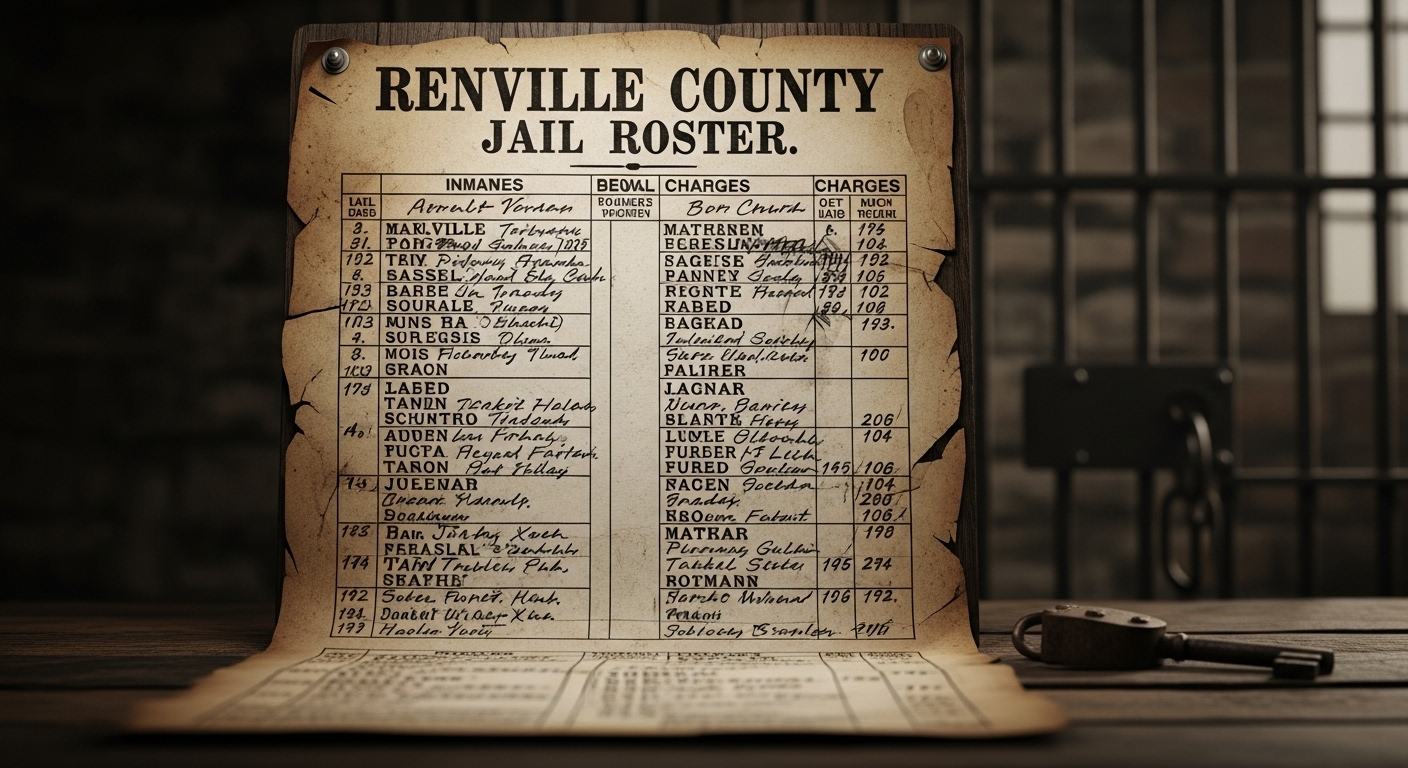
A jail roster is an official public directory maintained by local law enforcement agencies that lists individuals currently detained within a specific county, city, or municipal correctional facility. For those seeking information, these digital logs typically display booking numbers, charges, bond amounts, and upcoming court dates, functioning as the primary tool for tracking individuals through the pre-trial or short-term detention process.
Contents
Defining the Jail Roster and Public Access Standards
The jail roster operates as a transparent public ledger designed to provide accountability and visibility within the criminal justice system. Governed by state and federal freedom of information laws, local sheriff departments and city police agencies maintain these databases to keep communities informed about who is currently held within their facilities.
Access to these records has evolved significantly. While traditional booking logs required physical visits to a sheriff's office or calls to a records division, modern 2026 jail rosters are predominantly web-based interfaces. These platforms allow family members, legal counsel, and bail bondsmen to search for detainees using criteria such as first and last name, date of birth, or specific booking numbers.
Understanding the distinction between various detention facilities is essential for an effective search:
- County Jails: Generally house individuals awaiting trial, those serving misdemeanor sentences under one year, or individuals awaiting transfer to state prisons. Roster data is updated frequently, often multiple times a day.
- City Holding Facilities: Manage very short-term holds for individuals recently arrested within municipal limits before they are transferred to the main county jail. These facilities may not always maintain a public online roster.
- State and Federal Prisons: Handle long-term incarceration for convicted felons. These are entirely separate from local jail rosters and utilize distinct state Department of Corrections (DOC) or Federal Bureau of Prisons (BOP) search portals.
Core Elements Found on a Standard Inmate Roster
When examining a modern jail roster entry, users encounter a standardized set of administrative data fields. Each data point serves a specific function in tracking the detainee's legal and physical status within the correction facility.
| Data Field | Description and Purpose |
|---|---|
| Booking Number | A unique, system-generated tracking number assigned to the individual upon intake. This is the most reliable identifier for subsequent inquiries. |
| Full Legal Name & Aliases | The detainee's registered name, along with any known aliases or maiden names recorded by law enforcement during intake. |
| Physical Description | Basic biometric data including age, height, weight, hair color, eye color, and identifying marks such as tattoos or scars for verification. |
| Charges Filed | Specific statutory violations or criminal counts for which the individual was booked. This includes felony, misdemeanor, or municipal ordinance infractions. |
| Bond Status & Amount | The financial conditions set by the magistrate or judge for temporary release pending trial. This may list cash-only bonds, surety bonds, or "No Bond" statuses. |
| Housing Location | The specific cell block, tier, or pod within the facility where the inmate is currently assigned. |
| Next Court Date | The scheduled date, time, and courtroom for the detainee's upcoming judicial appearance or arraignment. |
Step-by-Step Guide to Searching a Jail Roster Effectively
Locating an individual on a municipal or county detention roster requires a methodical approach, especially when dealing with common names or recently processed arrests.
- Identify the Correct Jurisdiction: Determine the exact city or county where the arrest occurred. Searching a municipal police database will yield no results if the individual was processed directly into a regional county jail.
- Access the Official Portal: Navigate directly to the official website of the county sheriff's department or local correctional facility. Avoid third-party aggregator sites that may charge fees or display outdated cached data.
- Input Search Parameters: Enter the detainess full legal spelling. If the exact spelling is uncertain, utilize partial name searches or wildcard features if the interface permits. Entering the date of birth drastically narrows down common names.
- Analyze the Record Details: Review the booking timestamp. If an arrest occurred very recently (within the last two to four hours), the individual may still be going through booking, fingerprinting, and medical screening, meaning their record might not yet appear on the live roster.
- Note Tracking Identifiers: Record the booking number, current charges, and assigned bond conditions. This information is mandatory when interacting with jail administration, scheduling visitation, or working with a licensed bail bondsman.
Navigating Bond Options, Release Conditions, and Financial Requirements
Once an individual appears on the jail roster, understanding the associated financial and legal release mechanisms is the next logical step. Courts establish bond conditions to ensure the defendant returns for future court dates.
- Cash Bond: Requires the full bail amount to be paid directly to the court in cash or certified funds. This money is typically held until the conclusion of the case, minus administrative fees.
- Surety Bond: Involves contracting a licensed bail bondsman who charges a non-refundable percentage fee (typically ten percent) of the total bond amount to guarantee the full sum to the court.
- Property Bond: Allows defendants or their families to pledge real estate equity as collateral for release, requiring a formal property appraisal and lien placement by the court.
- Release on Recognizance (ROR): Permits the defendant to leave custody without financial payment, based solely on their written promise to appear at all future court proceedings, often evaluated during a pre-trial services interview.
Verification Warning: Never wire funds or provide credit card details to websites claiming to be official jail bond payment portals without independently verifying the URL and calling the sheriff's office directly to confirm authorized financial channels.
Comparing Official Jail Rosters Versus Third-Party Aggregate Sites
With numerous digital platforms indexing public records, users often choose between government-run databases and commercial background check sites. Understanding their operational differences helps protect personal privacy and ensures data accuracy.
| Feature / Metric | Official Sheriff/County Portals | Commercial Third-Party Aggregators |
|---|---|---|
| Data Accuracy | Real-time synchronization directly from law enforcement intake software. | Frequently delayed; relies on periodic web scraping of public logs. |
| Cost | 100% free public service provided by local government agencies. | Often requires monthly subscriptions, pay-per-search, or hidden upsells. |
| Update Frequency | Updated continuously as individuals are booked, transferred, or released. | Updated irregularly; may continue displaying expunged or outdated records. |
| Privacy Compliance | Adheres strictly to state public records laws and judicial sealing orders. | May retain negative history indefinitely for marketing or search engine indexing. |
| Customer Support | Direct access to jail records clerks and facility information desks. | Automated ticketing systems with little to no direct assistance for record errors. |
Troubleshooting Common Search Failures and Data Delays
Searching a jail roster can sometimes result in frustration when an expected name does not appear. Several procedural and technical factors account for these discrepancies.
- Intake Delays: The booking process involves comprehensive background checks, fingerprinting via automated fingerprint identification systems (AFIS), medical evaluations, and warrant clearances. This process can take anywhere from four to twelve hours, during which the individual is not yet logged onto the public roster.
- Name Variations: Law enforcement records systems are strict. If an individual used a nickname, had a hyphenated last name entered incorrectly, or if the searching party misspelled a surname, the database query will return zero results. Try searching by date of birth alone if the software allows.
- Juvenile Records: By federal and state privacy statutes, minors (individuals under eighteen years of age tried in juvenile court systems) are strictly protected. Their names and booking details will never appear on public jail rosters.
- Sealed or Expunged History: If a prior record or current booking is subject to a judicial protective order, court-ordered sealing, or expungement, it is scrubbed from public-facing databases immediately.
Frequently Asked Questions About Jail Rosters
How long does it take for an arrest to appear on a jail roster?
An arrest typically appears on a public jail roster within two to twelve hours after the individual arrives at the facility. This timeline depends on the completion of the intake, booking, and fingerprinting process by correctional staff.
Can I find out why someone was arrested using the jail roster?
Yes, modern online jail rosters display the specific criminal charges filed against the detainee, including statutory citations, whether the charge is a felony or misdemeanor, and the arresting agency.
What should I do if an inmate's bond amount says "No Bond"?
A "No Bond" status means the individual cannot bail out immediately because they must first see a judge for an arraignment, are being held on a parole violation, or have an out-of-county warrant hold. Legal counsel should be consulted immediately in these scenarios.
Are historical jail rosters archived online indefinitely?
Most county sheriff departments only maintain current, active inmates on their public web rosters. Once an inmate is released, transferred, or sentenced to prison, their record is generally removed from the live daily roster, though historical court records remain accessible through the county clerk.
How can I verify if a jail roster website is legitimate?
Legitimate jail rosters are always hosted on official government domains ending in ".gov" or secure county-managed portals linked directly from the official municipal or state law enforcement website.
Practical Recommendations for Families and Legal Advocates
Navigating the criminal justice system on behalf of a detained individual requires careful documentation and adherence to facility rules. Always keep a written log of booking numbers, dates of communication with jail staff, and receipts for any financial transactions related to bonds. When visiting an inmate, verify the facility's dress code, visitation hours, and identification requirements well in advance to prevent wasted trips. If legal defense is required, consult a qualified criminal defense attorney who practices within the specific county jurisdiction where the charges were filed to ensure proper representation at the initial arraignment.
Image Gallery