The Exact Height of Luc Longley: A Comprehensive Analysis of the NBA Legend’s Stature
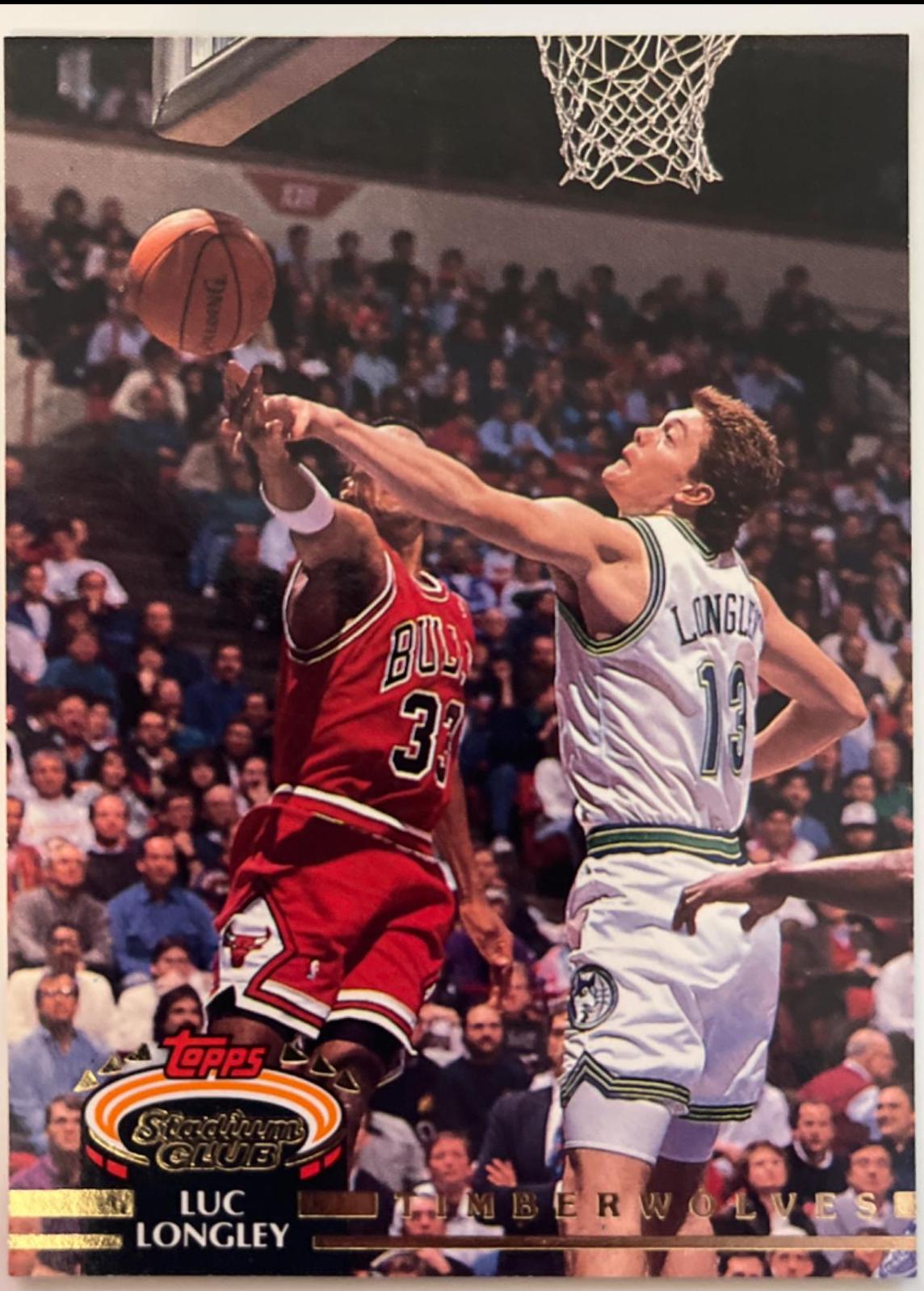
Luc Longley stands at an official height of 7 feet 2 inches (218 cm). Throughout his historic career as the first Australian to play in the NBA, this immense stature allowed him to serve as the defensive anchor and high-post facilitato...
Luc Longley stands at an official height of 7 feet 2 inches (218 cm). Throughout his historic career as the first Australian to play in the NBA, this immense stature allowed him to serve as the defensive anchor and high-post facilitator for the Chicago Bulls during their second "three-peat" championship run from 1996 to 1998.
Contents
Understanding the Measurement: 7’2” in Perspective
In the world of professional basketball, height is often a subject of scrutiny and occasional exaggeration. However, the exact height of Luc Longley has remained a consistent 7’2” (approximately 218.44 cm) across official NBA records and international scouting reports. To understand the gravity of this measurement, one must look at the physical landscape of the NBA in the 1990s.
During this era, the "true center" was the cornerstone of every elite franchise. Longley’s 7’2” frame, paired with a playing weight that fluctuated between 260 and 290 pounds, made him one of the most physically imposing individuals on the court. Unlike some modern "stretch fives" who may be tall but lean, Longley possessed the traditional bulk required to battle icons like Shaquille O'Neal, Patrick Ewing, and Hakeem Olajuwon in the paint.
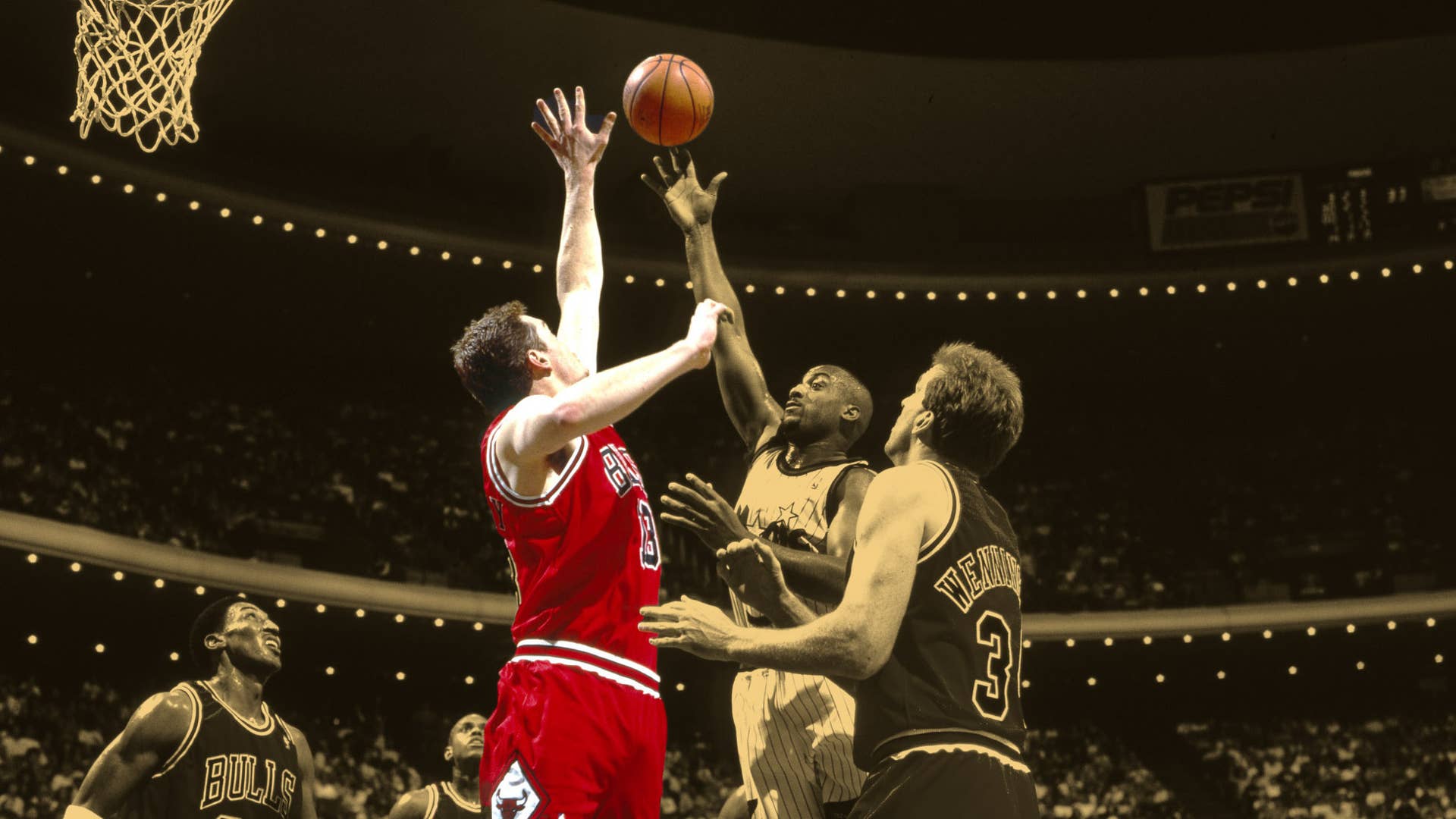
His height was not just a vertical advantage; it translated to a massive standing reach and a wingspan that effectively "shrank" the court for opposing guards. In the official NBA archives, Longley is consistently listed at this height, distinguishing him as one of the tallest players to ever wear a Chicago Bulls jersey, alongside other giants like Artis Gilmore and teammates like Bill Wennington.
Luc Longley’s Early Life and Growth in Australia
Born in Perth, Western Australia, Lucien James Longley was always destined for a life viewed from a higher vantage point. His father, Richard Longley, was himself a 6’10” basketball player who represented Australia, providing Luc with the genetic blueprint for his extraordinary height.
By the time Longley was a teenager, his rapid growth made him a standout prospect in the Australian Institute of Sport (AIS). His height was not merely a physical trait but a logistical challenge; in interviews, Longley has often recounted the difficulties of finding clothing and navigating a world designed for people a foot shorter than him. This early exposure to the advantages and physical demands of being 7’2” prepared him for the rigors of the American collegiate system.
When he moved to the United States to play for the University of New Mexico Lobos, his height became his calling card. In the Western Athletic Conference (WAC), very few players could match his size, allowing him to average significant double-doubles and catch the attention of NBA scouts. By the time of the 1991 NBA Draft, his 7’2” stature was a primary reason the Minnesota Timberwolves selected him with the 7th overall pick.
The Impact of 7’2” on the Chicago Bulls Dynasty
While his career began in Minnesota, Luc Longley is best remembered for his tenure with the Chicago Bulls. In 1994, he was traded to Chicago, where he would eventually become the starting center for the most famous team in basketball history.
In Phil Jackson’s "Triangle Offense," the center’s height is used as a focal point for passing and floor spacing. Longley’s 7’2” height gave him a line of sight over defenders that shorter players simply did not have. He could catch a pass at the high post and look over the top of the defense to find a cutting Michael Jordan or Scottie Pippen.
Defensive Presence and "The Wall"
Defensively, Longley’s role was often referred to as being "the wall." While he was not a high-flying shot-blocker in the vein of Dikembe Mutombo, his sheer verticality (the ability to jump straight up with arms extended) forced opponents to alter their shots. This was crucial during the Bulls' 1996-1998 championships. When facing a powerhouse like the Indiana Pacers or the Utah Jazz, Longley’s job was to occupy space and prevent easy access to the rim.
Comparing Longley to Other NBA Giants of the 1990s
To truly appreciate where Longley stood, it is helpful to compare his height and role with his contemporaries. The 1990s was the golden age of the "seven-footer."
| Player | Official Height | Team (Mid-90s) | Primary Role |
|---|---|---|---|
| Luc Longley | 7'2" (218 cm) | Chicago Bulls | Passing Center / Rim Protector |
| Shaquille O'Neal | 7'1" (216 cm) | Orlando Magic / LA Lakers | Power Finisher / Post Dominance |
| Rik Smits | 7'4" (224 cm) | Indiana Pacers | Offensive Specialist / Jump Shooter |
| Patrick Ewing | 7'0" (213 cm) | New York Knicks | Scoring Anchor / Defensive Leader |
| David Robinson | 7'1" (216 cm) | San Antonio Spurs | Athletic Defender / Scoring |
| Bill Wennington | 7'0" (213 cm) | Chicago Bulls | Bench Scorer / Mid-range Shooter |
As the table illustrates, Longley was actually taller than many of the league's most famous superstars, including Shaq and Patrick Ewing. While he may not have possessed their scoring volume, his 7’2” frame was a specific tactical tool that allowed the Bulls to match up against anyone in the league.
The Evolution of NBA Height Measurements
It is important to note that NBA height measurements have undergone changes in methodology since Longley retired in 2001. In 2019, the NBA mandated that all teams measure players without shoes. During Longley’s era, players were often measured in their playing shoes, which could add 1 to 1.5 inches to their standing height.
However, even by modern standards, Longley remains a legitimate 7’2” individual. Unlike some players who were "listed" at 7 feet but were actually 6’10” (a common practice in the 90s to boost a player's perceived intimidation factor), Longley’s height was never in question. In photographs standing alongside other verified giants, Longley’s crown consistently sits above the 7-foot mark. For instance, when standing next to the 7’0” Bill Wennington, Longley’s two-inch advantage is clearly visible.
Beyond the Height: Longley’s Skill Set and Legacy
Height alone does not make an NBA champion. Longley’s success was a result of how he utilized his 7’2” frame in conjunction with his high basketball IQ and "soft hands."
Passing and High-Post Play
One of the most underrated aspects of Longley’s game was his passing. Because he was 7’2”, he could hold the ball high above his head, keeping it away from smaller guards. From this position, he acted as a "point-center," directing the flow of the offense. His chemistry with Michael Jordan was particularly notable; Jordan often relied on Longley to set wide screens and deliver precise hand-off passes.
The Australian Pioneer
Longley’s height helped him pave the way for a generation of Australian basketballers. Before Longley, the NBA seemed out of reach for many players from the NBL (National Basketball League of Australia). His success proved that an Australian big man could not only play in the league but start on a championship-winning team. Today, the influx of Australian talent in the NBA can be traced directly back to the door that the 7’2” Perth native kicked open in 1991.
Physical Challenges of Being 7'2"
Maintaining a 7’2” body for a 10-year NBA career is a significant feat of endurance. The sheer force exerted on the joints of a man Longley's size is immense. Throughout his career, particularly during his later years with the Phoenix Suns and the New York Knicks, Longley battled chronic ankle and foot issues.
The biomechanics of a person standing 218 cm tall often lead to "overuse" injuries in the lower extremities. Longley’s ability to play over 560 regular-season games is a testament to his conditioning and the medical staff of the Chicago Bulls. Despite the physical toll, he remained a productive player until his retirement in 2001, finishing his career as a three-time champion and an icon of Australian sport.
FAQs About Luc Longley’s Height
Was Luc Longley the tallest player on the Chicago Bulls?
During his tenure, Luc Longley was indeed the tallest player on the active roster. While the Bulls had other seven-footers like Bill Wennington (7'0") and Joe Kleine (6'11"), Longley's 7'2" frame was the team's peak height. Historically, he is tied with Artis Gilmore as one of the tallest players to ever play for the franchise.
How does Luc Longley’s height compare to Andrew Bogut?
Andrew Bogut, another legendary Australian center, is listed at 7’0” (213 cm). This makes Luc Longley two inches taller than Bogut. While Bogut was a more prolific shot-blocker and was a #1 overall draft pick, Longley remains the tallest "elite" Australian center to have won multiple NBA championships.
Did Luc Longley’s height change over his career?
While players often experience a slight "shrinking" later in life due to spinal disc compression, Longley's official playing height remained 7'2" from his draft day in 1991 until his retirement in 2001. Current sightings of Longley in his mid-50s suggest he has maintained nearly all of his original stature.
How much did Luc Longley weigh at his height of 7’2”?
Longley typically weighed between 265 and 290 pounds (120–132 kg). This weight was essential for his role, as it allowed him to hold his ground in the low post against other heavy-weight centers of the era.
Final Thoughts for Sports Historians
When researching the exact height of Luc Longley, it is clear that 7 feet 2 inches is the definitive answer. This measurement is more than just a statistic; it was a fundamental component of the Chicago Bulls' defensive and offensive strategies during their most successful years. For fans of the "The Last Dance" era or those following the history of Australian basketball, Longley stands as a towering figure whose physical presence changed the trajectory of the sport in his home country.
If you are looking to further explore the physical stats of NBA legends, we recommend consulting Basketball-Reference for detailed game logs and historical measurement data. Understanding the "size" of the game in the 90s provides a deep appreciation for how players like Longley mastered their craft in an era of giants.
Image Gallery