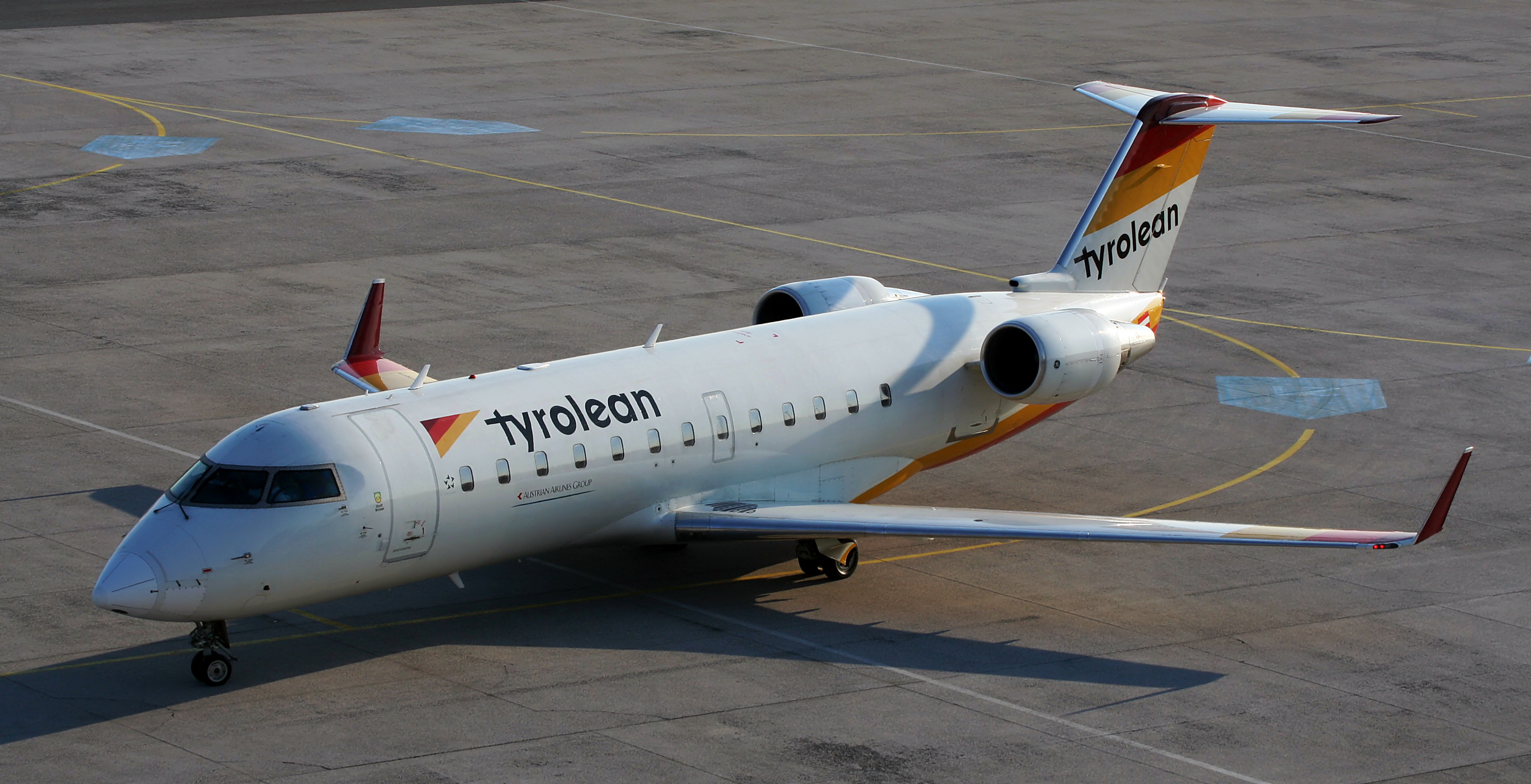
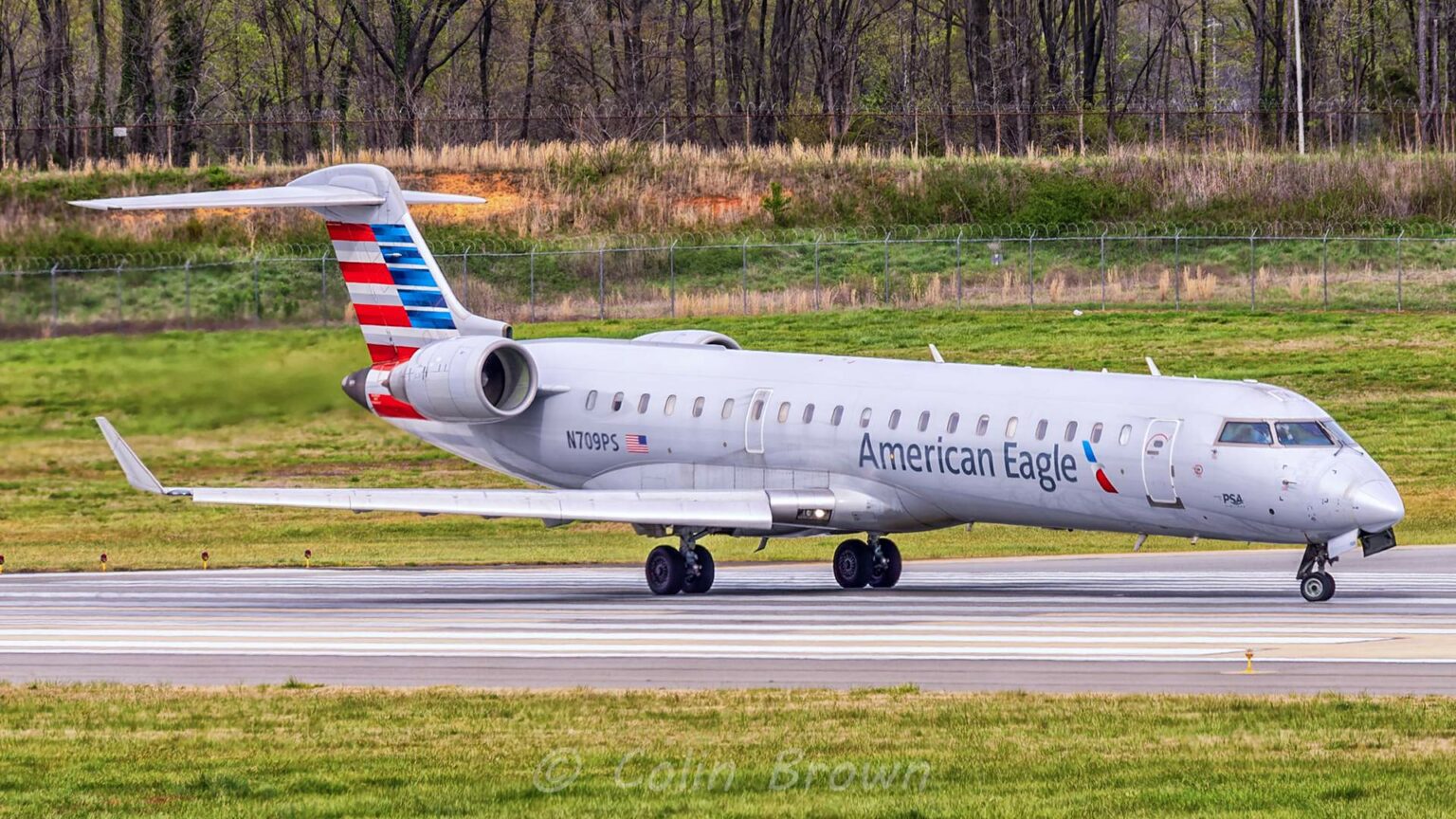
5 Surprising Facts About the Canadair CRJ 700
The Canadair CRJ 700, a derivative of the iconic CRJ 200, redefined regional aviation by bridging the gap between small commuter aircraft and mainline narrow-body jets. Often recognized for its distinct fuselage stretch and high-speed...
The Canadair CRJ 700, a derivative of the iconic CRJ 200, redefined regional aviation by bridging the gap between small commuter aircraft and mainline narrow-body jets. Often recognized for its distinct fuselage stretch and high-speed cruise performance, the CRJ 700 remains a cornerstone of regional airline fleets in 2026, offering unique engineering solutions to the challenges of short-haul hub-and-spoke operations.
Contents
The CRJ 700 was not merely an incremental upgrade of its predecessor; it was a comprehensive rethink of regional jet economics. By incorporating a new wing design, a lengthened fuselage, and increased engine thrust, Bombardier—which acquired the Canadair line—successfully created an aircraft that offered the efficiency of a regional jet with the operational flexibility of a mainline airliner. To understand this aircraft, one must look beyond its daily schedules and explore the engineering nuances that have cemented its role in the global aviation market.
1. The Engineering Logic Behind the Wing Design
Unlike many regional jets that simply added plug sections to an existing fuselage, the CRJ 700 features a clean-sheet wing design that differentiates it from the CRJ 100/200 family. This was a critical necessity; as the aircraft’s length and maximum takeoff weight (MTOW) increased, the original wing lacked the structural integrity and aerodynamic efficiency required to maintain competitive cruise speeds and takeoff performance.
The new wing design includes leading-edge slats, a significant departure from the fixed leading edges used on the CRJ 200. These slats allow the aircraft to operate at lower approach speeds, enabling it to utilize shorter runways that might otherwise be inaccessible to a jet of this capacity. Furthermore, the wing span was increased by several feet to accommodate a higher fuel capacity and to improve climb performance. For operators, this meant the ability to serve larger regional markets without compromising the fuel burn efficiency that makes the CRJ series profitable.
2. A Strategic Stretch of the Fuselage
The "700" in its name refers to its typical seating capacity, which often ranges from 66 to 78 passengers depending on the cabin configuration. To achieve this, the aircraft utilizes a fuselage stretch of approximately 17 feet compared to the CRJ 200. This modification, however, required more than just adding aluminum sections.
Engineers had to reinforce the entire airframe to handle the increased load and different stress distribution patterns. The resulting fuselage provides a distinct silhouette, characterized by its long, slender profile. This design is highly optimized for the passenger experience, balancing the need for overhead bin space with an aerodynamic shape that reduces drag at high altitudes. This stretch allowed legacy carriers to effectively phase out aging turboprop fleets while maintaining the ability to serve secondary cities that lacked the passenger volume to support full-sized Boeing 737s or Airbus A320s.
3. High-Speed Cruise Capabilities
One of the most surprising aspects of the CRJ 700 is its speed. In an era where regional turboprops were the standard for short-haul travel, the CRJ 700 introduced a cruise speed of Mach 0.825, effectively placing it in the same performance category as much larger mainline jets.
This capability is not merely for marketing; it offers a distinct operational advantage. By flying at higher speeds, the aircraft allows airlines to increase the number of daily cycles—the number of times an aircraft takes off and lands—which is the lifeblood of regional profitability. While fuel prices fluctuate in 2026, the efficiency of the General Electric CF34-8C5 engines allows the CRJ 700 to maintain these high speeds without the prohibitive fuel costs that would be associated with a less aerodynamically efficient airframe.
4. The Challenges of Cabin Ergonomics
While the CRJ 700 is a favorite among pilots and operational planners, it presents unique challenges for cabin ergonomics. Because the aircraft is built on a narrow fuselage cross-section, the interior space is more confined than that of modern clean-sheet regional jets like the Embraer E-Jets.
The low ceiling height—a byproduct of the aircraft’s origin as a modified business jet (the Challenger)—requires passengers to navigate the cabin with caution. However, this "business jet heritage" also contributes to a smoother, quieter ride in certain flight conditions. Bombardier addressed the limitations of the small cabin by focusing on clever storage solutions, such as the use of "tuxedo" style seats that maximize legroom and the implementation of customized overhead bin configurations. Understanding these cabin constraints is essential for passengers and airlines alike when planning long-duration regional flights.
5. The Versatility of the CF34-8C5 Engine
The heart of the CRJ 700 is the General Electric CF34-8C5 turbofan engine, an powerplant that has proven exceptionally reliable over decades of service. What makes this engine surprising is its high thrust-to-weight ratio, which gives the CRJ 700 its "hot and high" performance capabilities.
This means that the aircraft can perform successfully at airports with high elevations or high ambient temperatures—conditions that typically degrade the performance of jet engines. In regions such as the mountainous areas of the Western United States or the high-altitude airfields of South America, the CRJ 700 remains a preferred choice because it can maintain the required safety margins for takeoff and climb performance where other regional jets struggle.
Technical Specifications Comparison
| Feature | CRJ 200 | CRJ 700 |
|---|---|---|
| Typical Capacity | 50 Passengers | 66–78 Passengers |
| Max Cruise Speed | Mach 0.81 | Mach 0.825 |
| Wing Leading Edge | Fixed | Slats |
| Engine Type | CF34-3B1 | CF34-8C5 |
| Fuselage Length | 87 ft 10 in | 106 ft 1 in |
Frequently Asked Questions
Is the CRJ 700 still in production as of 2026? No, production of the CRJ series concluded in 2020. However, the aircraft remains a vital part of regional airline fleets worldwide due to its durability, ease of maintenance, and the robust supply chain for spare parts that continues to support existing operators.
How does the CRJ 700 compare to the Embraer E170? The CRJ 700 and Embraer E170 are direct competitors in the 70-seat market. The CRJ 700 generally excels in speed and operating costs on shorter routes, while the E170 is often noted for a wider fuselage and a more spacious cabin experience. The choice between them usually comes down to an airline's existing fleet commonality and regional route requirements.
Are there known maintenance issues with the CRJ 700? Like any aircraft in service for several decades, the CRJ 700 requires a rigorous inspection program. Common maintenance focuses include addressing structural fatigue in high-cycle environments, managing the health of the landing gear assemblies, and maintaining the engine bleed air systems. Airlines follow strict service bulletins provided by the manufacturer to ensure continued airworthiness.
Why is it called a "Regional Jet"? The term "regional jet" defines the aircraft’s intended mission: connecting smaller, secondary airports to major airline hubs. The CRJ 700 is sized specifically for these thinner routes that cannot sustain the capacity of a mainline narrow-body jet, providing frequency instead of raw volume.
What is the "hot and high" performance benefit? "Hot and high" refers to flying from airports that are at high altitudes or experience high temperatures. These conditions make the air less dense, which reduces engine power and aerodynamic lift. The CRJ 700’s powerful engines and high-lift wing configuration allow it to operate safely at these airports where other aircraft might be restricted to lower passenger loads.
Strategic Outlook
As we move through 2026, the Canadair CRJ 700 remains a masterclass in mid-tier regional aviation. It strikes a balance between the speed of a mainline jet and the agility required for regional network connectivity. For airlines, the aircraft’s longevity is a testament to its sound engineering, while for passengers, it continues to provide a vital link to the global air travel network. When traveling on a CRJ 700, recognize that you are flying on a platform designed to master the physics of the regional environment—a piece of history that remains as relevant today as when it first entered the skies.
Image Gallery