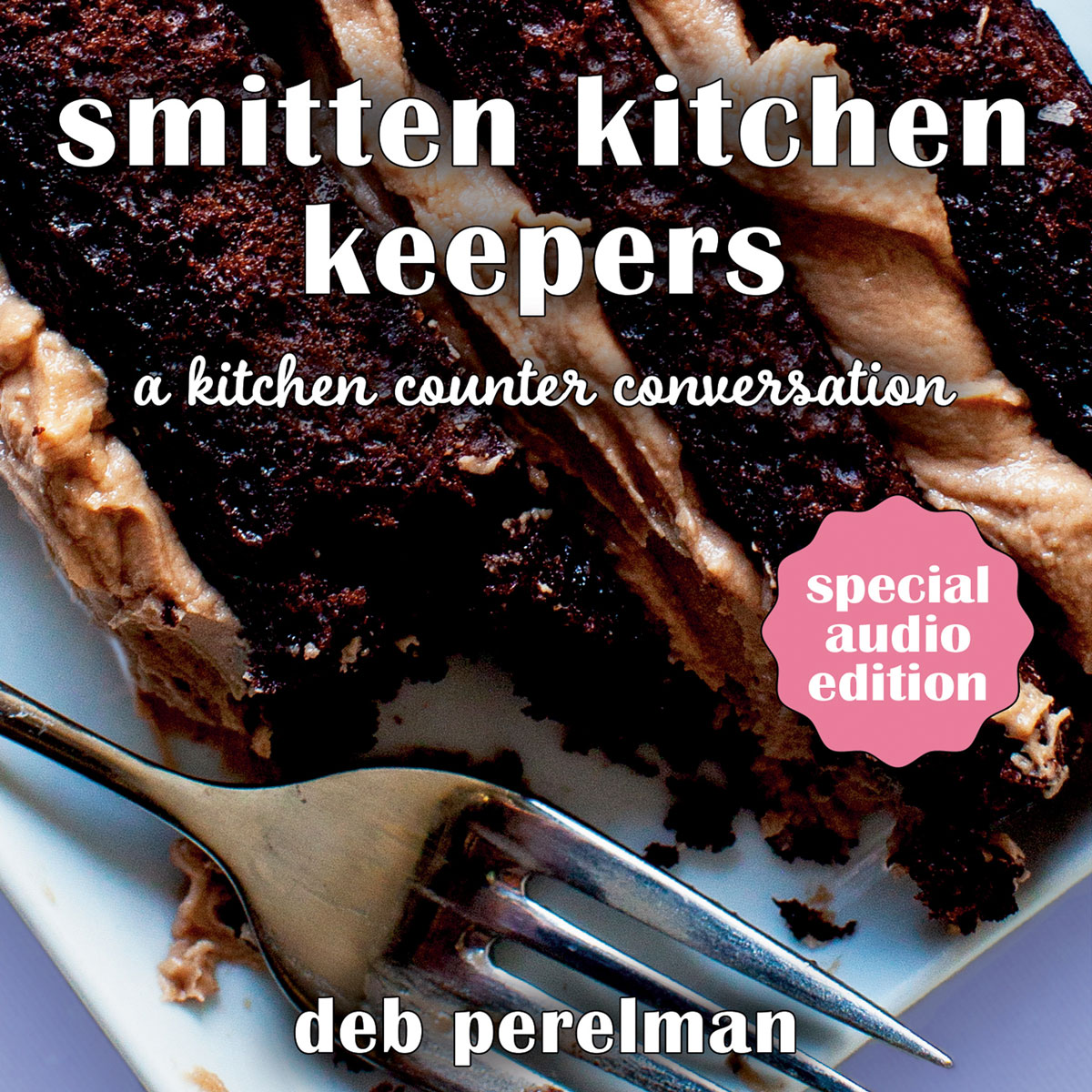
Why the Smitten Kitchen Approach Matters for Food Bloggers
The Smitten Kitchen approach matters for food bloggers because it prioritizes rigorous recipe testing, absolute reliability, realistic home-kitchen constraints, and a distinct, conversational voice over fleeting viral trends, heavy mon...
The Smitten Kitchen approach matters for food bloggers because it prioritizes rigorous recipe testing, absolute reliability, realistic home-kitchen constraints, and a distinct, conversational voice over fleeting viral trends, heavy monetization clutter, and bloated storytelling.
Contents
In the modern digital culinary space, food blogging has transformed from a niche hobby into a highly competitive, metrics-driven industry. Millions of creators compete for algorithm placement, search engine optimization (SEO) rankings, and brand sponsorships. Yet, amidst the endless sea of hyper-optimized recipe roundups, auto-playing video banners, and sprawling life stories before a list of ingredients, Deb Perelman’s Smitten Kitchen remains a gold standard of digital food publishing. Launched in 2006, the platform has endured because its core philosophy respects the home cook's time, intellect, and kitchen limitations. For contemporary food bloggers looking to build lasting authority, understanding and adopting this methodology is no longer just an aesthetic choice—it is a strategic necessity for long-term survival and audience trust.
The Evolution of the Digital Food Publishing Landscape
The ecosystem of online food publishing has experienced radical shifts since the mid-2000s. Early food blogs were personal online journals where home cooks documented their kitchen experiments with modest digital cameras and conversational prose. Over the past two decades, this landscape professionalized rapidly. Driven by programmatic advertising networks, social media platforms, and search engine algorithms, many blogs morphed into content mills designed to maximize page views and time-on-site metrics.
This industrialization of food content brought unintended consequences for user experience. Readers frequently encounter massive blocks of narrative filler—recounting childhood memories, road trips, or seasonal feelings—before reaching the actual recipe card. Furthermore, the pressure to publish daily content often led to a decline in rigorous recipe testing. When bloggers rely on unverified shortcuts or untested submissions to feed the content machine, the burden falls on the home cook, who wastes expensive ingredients on dishes that fail.
The Smitten Kitchen approach stands in direct opposition to this trend. By focusing on meticulous testing, clear instructions, and an uncompromising standard of execution, Perelman proved that a blog could scale successfully without compromising its core integrity or alienating its readership.
Core Pillars of the Smitten Kitchen Methodology
Adopting the Smitten Kitchen framework requires examining several distinct operational and creative pillars. These principles govern everything from how a recipe is developed to how it is presented on the screen.
Uncompromising Recipe Testing and Reliability
The foundational rule of the Smitten Kitchen approach is that a recipe must work every single time in an ordinary kitchen with standard equipment. Bloggers who follow this path do not publish theoretical concepts or first-draft ideas.
- Standard Home Equipment: Recipes are developed using standard ovens, basic bakeware, and accessible tools rather than commercial-grade kitchens.
- Ingredient Accessibility: Measurements are precise, and specialty ingredients are minimized or accompanied by accessible substitutions.
- Troubleshooting Preemption: Potential failure points are anticipated and addressed directly within the recipe text or headnotes.
The Value of Minimalist, Distraction-Free Design
User experience (UX) plays a massive role in reader retention. Many modern food sites bombard visitors with intrusive pop-ups, sticky video players, and cluttered sidebars that frustrate users trying to cook with flour-dusted hands.
The Smitten Kitchen approach champions clean, uncluttered digital architecture. The focus remains squarely on the typography, clear step-by-step instructions, and accurate photography that reflects the actual dish rather than an over-stylized, heavily photoshopped ideal. This respect for the reader's digital environment builds profound brand loyalty.
Authentic, Conversational Voice Without Filler
While narrative context is important, the execution matters immensely. The Smitten Kitchen writing style relies on dry wit, genuine self-awareness, and culinary curiosity rather than forced sentimentality or SEO-driven keyword stuffing.
When a blogger shares why a recipe was adapted, what went wrong during testing, or why a specific technique matters, it educates the reader. This transparent storytelling builds authority. Readers do not feel like they are reading a marketing brochure; they feel like they are getting advice from a knowledgeable, reliable friend.
Comparative Analysis: Traditional Content-Mill Blogs vs. The Smitten Kitchen Model
To understand why this approach yields sustainable results, it helps to compare the traditional high-volume publishing model with the integrity-first approach across key operational metrics.
| Feature / Metric | High-Volume Content-Mill Blogs | The Smitten Kitchen Approach |
|---|---|---|
| Publishing Frequency | High (Daily or multiple times per week) | Moderate (Thoughtful, periodic publishing) |
| Recipe Testing Depth | Minimal (Often single-pass or unverified) | Exhaustive (Multiple iterations until foolproof) |
| User Experience (UX) | Heavy ads, pop-ups, video banners, long narrative | Clean layout, minimal visual clutter, direct access |
| Monetization Focus | Aggressive programmatic ads and affiliate spam | Curated partnerships, cookbooks, reader support |
| Audience Trust | Transactional, transient, search-dependent | Highly loyal, recurring, direct-traffic heavy |
Practical Implementation for Contemporary Food Bloggers
Transitioning a food blog toward a more rigorous, reader-centric model requires deliberate adjustments to workflow and content strategy. Bloggers heavily reliant on short-term search traffic can pivot toward sustainable authority by implementing specific operational changes.
Redefining the Content Calendar
Quality must consistently outweigh quantity. Publishing two thoroughly tested, brilliantly photographed, and expertly written recipes a month yields better long-term engagement than pushing out four mediocre posts a week.
Blogners should allocate the majority of their time to the kitchen rather than the keyboard. Cooking a dish three or four times—tweaking hydration levels, adjusting baking temperatures, or altering acid balances—ensures that the final published post is bulletproof.
Streamlining the User Interface
Evaluating a blog's technical and visual layout is crucial. Creators should audit their sites for user friction points:
- Remove auto-playing videos that obscure recipe steps.
- Limit intrusive interstitial ads that load sluggishly on mobile devices.
- Ensure the recipe card is responsive, easy to print, and features clear unit toggles if applicable.
Elevating Photography and Visual Honesty
Food photography should celebrate the rustic reality of home cooking. While lighting and composition matter, over-styling creates a disconnect between the photo and the finished product. When a reader makes a dish and it looks remarkably similar to the blog's imagery, it reinforces trust in the creator's technical competence.
| Strategic Shift | Immediate Action | Long-Term Benefit |
|---|---|---|
| From Volume to Quality | Cut publishing schedule in half to double testing time. | Higher success rate for readers, fewer support emails/complaints. |
| UX Optimization | Audit mobile layout and remove disruptive ad units. | Lower bounce rates, higher return-visitor percentages. |
| Transparent Writing | Replace generic filler intros with technical insights. | Enhanced E-E-A-T (Experience, Expertise, Authoritativeness, Trustworthiness). |
Common Pitfalls and Limitations of the Model
While the Smitten Kitchen approach offers a clear roadmap for credibility, bloggers must navigate certain economic and operational realities before adopting it wholesale.
- Slower Initial Growth: Prioritizing rigorous testing and lower publishing frequencies can slow down the initial accumulation of organic search traffic, which often rewards high content volume in the early stages.
- Monetization Pressures: Relying less on aggressive programmatic ad networks may require diversification into cookbooks, membership models, or selective sponsorships to maintain revenue streams.
- Time Constraints: For solo bloggers managing photography, development, writing, and social media, exhaustive testing demands immense personal labor and time investment.
Despite these challenges, creators who weather the initial ramp-up period frequently find that an audience built on trust and reliability is far more resilient to algorithm shifts than one built on fleeting search trends.
Frequently Asked Questions
What is the primary lesson food bloggers can learn from Smitten Kitchen?
The most vital lesson is that absolute recipe reliability is the ultimate form of audience retention. When readers know a recipe will work without hidden errors, they return repeatedly and recommend the site to others.
Does following this approach mean eliminating personal stories from blog posts?
No. Personal stories are welcome when they directly illuminate the recipe, explain a technical challenge, or provide meaningful context. The key is avoiding irrelevant narrative filler designed solely to increase word count for search engines.
How many times should a recipe be tested before publishing?
While there is no strict rule, a recipe should be tested until every variable—oven temperature variations, ingredient brand differences, and measurement precision—is accounted for and resolved. For complex baking projects, this may require five or more iterations.
Can a food blog survive financially with a low-volume, high-integrity publishing schedule?
Yes. While programmatic ad revenue may grow more slowly, loyal audiences translate into higher direct traffic, successful cookbook sales, and high-value brand partnerships that value deep audience trust over raw impression numbers.
How do I balance SEO requirements with a clean, reader-friendly layout?
SEO is essential for discovery, but it should never compromise the user experience. Satisfy search intent with concise, informative headnotes and structured recipe data schema without burying the recipe beneath thousands of words of unrelated text.
Conclusion and Next Actions
For food bloggers operating in an increasingly saturated digital environment, mimicking the content-mill model offers diminishing returns. The Smitten Kitchen approach proves that longevity belongs to creators who treat their platforms as trusted culinary resources rather than mere impression factories.
To begin applying this philosophy today, conduct an honest audit of your last ten published recipes. Evaluate your testing rigor, review your site's mobile user experience, and prune unnecessary narrative filler from your recent posts. Commit to testing your next recipe multiple times before drafting a single word, and watch how elevated reliability transforms your reader engagement and long-term authority.
Image Gallery