Does Quest Take Walk Ins? Your 2026 Guide to Quest Diagnostics Visits
Quest Diagnostics does accept walk-in visits at the vast majority of its patient service centers, but scheduling an appointment online is strongly recommended to minimize wait times. While walk-ins are permitted, priority is routinely...
Quest Diagnostics does accept walk-in visits at the vast majority of its patient service centers, but scheduling an appointment online is strongly recommended to minimize wait times. While walk-ins are permitted, priority is routinely given to scheduled patients, meaning walk-in wait times can vary significantly depending on peak morning hours, location traffic, and staff availability.
Contents
Navigating clinical laboratory testing requires understanding operational protocols, preparation prerequisites, and insurance workflows. Whether you are managing routine wellness labs, specialized diagnostic panels, or physician-ordered testing, knowing how Quest Diagnostics manages its patient flow ensures an efficient visit.
Understanding Quest Diagnostics Walk-In Policies and Operational Flow
For patients wondering whether they can simply walk into a facility for blood draws or specimen drop-offs, the short answer is yes. Quest Diagnostics maintains an open-door policy for walk-in patients across most of its standard Patient Service Centers (PSCs). However, operational realities dictate that walk-ins navigate a dynamic queue management system.
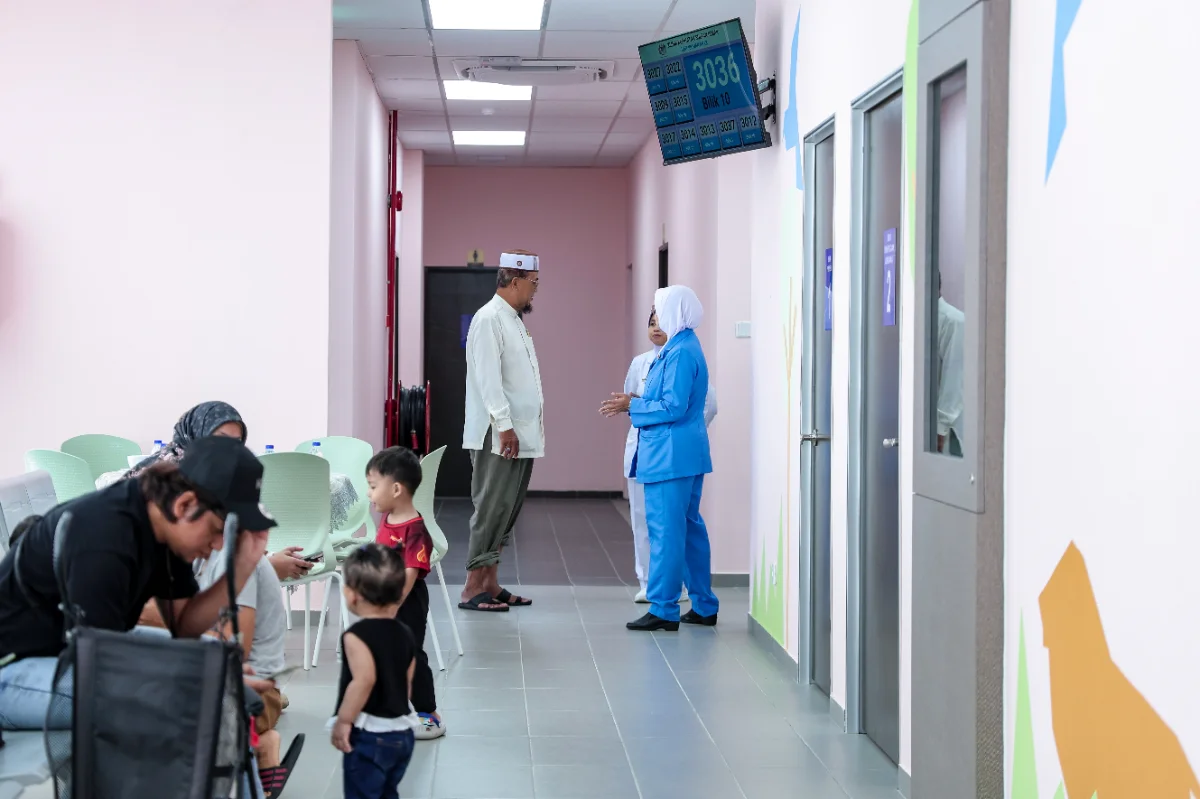
When you walk into a Quest location without an appointment, you are integrated into the daily schedule based on availability between booked appointments. During high-traffic windows—typically early morning hours when fasting patients arrive—wait times can extend from a few minutes to over an hour.
Key Factors Impacting Walk-In Availability
- Location Type: Standard retail-based sites, physician-embedded labs, and hospital-affiliated collection stations may operate under different scheduling restrictions.
- Test Complexity: Highly specialized tests requiring specific handling or extended processing times may necessitate an appointment or a specific facility equipped for that exact draw.
- Staffing Levels: Daily technician availability directly impacts how many walk-in slots can be accommodated alongside scheduled appointments.
- Peak Hours: Mornings, particularly between 7:00 AM and 10:00 AM, experience the highest volume of patients due to fasting requirements for metabolic panels and lipid profiles.
Operational Priority Notice Scheduled appointments always take precedence over walk-in arrivals. If a facility reaches maximum capacity for the day due to high appointment volume, walk-in registration may be temporarily paused to ensure all patients present are serviced before closing hours.
Appointment vs. Walk-In: A Direct Comparison
Choosing between booking an appointment and utilizing a walk-in depends on your schedule flexibility, urgency, and specific testing requirements. The following comparison breaks down the operational differences to help you decide the best approach.
| Feature / Metric | Scheduled Appointment | Walk-In Visit |
|---|---|---|
| Wait Time Priority | High (Served at or very near scheduled time) | Variable (Seated behind scheduled appointments) |
| Booking Requirement | Requires online registration or phone booking | None required |
| Flexibility | Fixed time slot; requires rescheduling if missed | Flexible timing within operating hours |
| Guaranteed Service | Yes, barring unforeseen facility emergencies | Subject to daily capacity limits |
| Best Suited For | Fasting labs, strict time windows, busy schedules | Urgent orders, flexible schedules, unplanned visits |
Essential Requirements Before Visiting a Quest Location
Regardless of whether you walk in or schedule an appointment in advance, arriving unprepared can result in a wasted trip or a delayed test. To ensure your visit is successful, you must bring specific documentation and adhere to clinical prerequisites.
Required Documentation
- Physician's Test Order: A physical prescription, electronic order (EHR), or requisition form from your healthcare provider detailing the exact diagnostic tests required.
- Valid Photo Identification: A government-issued ID (driver's license, passport, or state ID) to verify patient identity.
- Insurance Card: Current primary and secondary medical insurance cards if your testing is being billed through insurance rather than paid out-of-pocket.
- Form of Payment: A credit card, debit card, or acceptable payment method for copays, deductibles, or self-pay testing tiers.
Clinical Preparation Protocols
Certain diagnostic tests require strict patient preparation to yield clinically accurate results. Failure to follow these guidelines can lead to compromised specimens and the need for a blood draw repeat.
- Fasting Guidelines: Tests such as lipid panels, comprehensive metabolic panels, and glucose tolerance tests often require fasting for 8 to 12 hours. Water is typically permitted, but black coffee, tea, and food must be avoided.
- Medication Timing: Consult your prescribing physician regarding whether to take morning medications before your lab work, as some drugs interfere with specific assays.
- Hydration Status: Staying well-hydrated makes veins easier to locate and access, significantly streamlining the blood collection process for the phlebotomist.
Step-by-Step Guide to Your Quest Diagnostics Visit
If you decide to utilize a walk-in visit, understanding the onsite workflow prevents confusion and streamlines your time at the facility.
Step 1: Verify Location and Hours
Before leaving your home, use the official Quest Diagnostics locator tool online to confirm that your nearest Patient Service Center is open, accepts walk-ins, and handles the specific type of testing you require. Some specialized sites only process specific specimens.
Step 2: Check In Upon Arrival
When you enter the facility, locate the self-service kiosk or check-in desk. If using a digital kiosk, you will input your personal information, mobile phone number, and reason for visit. You will receive a ticket number or an SMS notification tracking your place in the queue.
Step 3: Monitor Queue Updates
Most modern Quest locations utilize text-alert systems that notify you when your turn is approaching. If you leave the waiting room to wait in your vehicle, ensure you remain within range to return promptly when called.
Step 4: Verification and Specimen Collection
When your number is called, enter the collection room. The phlebotomist will verify your identity, cross-reference your order with the physician's requisition, confirm any preparation requirements (such as fasting status), and perform the collection.
Step 5: Post-Collection and Results Access
Once the collection is complete, verify how and when you will receive your results. Registering for the online MyQuest patient portal allows you to view, download, and share your diagnostic results as soon as they are processed and released by the reviewing physician.
Common Mistakes to Avoid When Doing Walk-In Lab Work
Navigating clinical testing can present unexpected hurdles. Avoiding these frequent missteps ensures a smooth diagnostic experience.
- Forgetting the Physical or Electronic Requisition: Walking in without a doctor's order or an active electronic lab requisition means the facility cannot legally perform the blood draw. Always verify that your physician has successfully transmitted the order to Quest.
- Arriving Too Close to Closing Time: Walking in 15 minutes before a facility closes for lunch or end-of-day operations often results in rejection, as staff must process existing patients and safely manage daily specimen packaging.
- Ignoring Fasting Instructions: Showing up for a metabolic or lipid panel after eating a heavy breakfast invalidates the clinical utility of the test, requiring you to return another day.
- Assuming All Locations Offer Pediatric Draws: Not all Quest service centers are staffed with pediatric phlebotomists trained to draw blood on infants and young children. Always filter location search results for pediatric services if applicable.
Frequently Asked Questions About Quest Diagnostics Visits
Can I walk into any Quest Diagnostics location without an appointment?
Yes, the vast majority of Quest Patient Service centers accept walk-in patients. However, it is always wise to check online location details beforehand, as certain specialized sites operate exclusively by appointment or have limited walk-in capacity.
Are walk-in wait times long at Quest Diagnostics?
Wait times vary significantly depending on the time of day, location popularity, and volume of scheduled appointments. Peak wait times typically occur during early morning hours when fasting patients arrive, while mid-afternoon slots generally experience shorter queues.
Do I need a doctor's order for a walk-in lab test at Quest?
Yes, clinical diagnostic tests ordered through insurance require a physician's prescription or electronic requisition. Alternatively, you can utilize Quest's "Request A Test" program to purchase certain wellness and health screenings directly without a traditional doctor's visit, subject to state regulations.
What should I bring with me for a walk-in blood draw?
You must bring a government-issued photo ID, your insurance card, a physical or electronic copy of your physician's lab order, and a form of payment for any applicable copays, deductibles, or out-of-pocket costs.
Can children do walk-ins at Quest Diagnostics?
While children are welcome at many locations, specialized pediatric phlebotomy requires specific training and equipment. You should verify via the online location finder that your chosen facility explicitly supports pediatric blood draws before arriving as a walk-in.
How soon will my lab results be available after a walk-in visit?
Most standard routine test results are processed and made available within 1 to 3 business days. You can access your results securely online through the MyQuest portal or app as soon as your ordering physician releases them.
Streamline Your Diagnostic Testing Experience Today
Planning your visit strategically ensures your laboratory testing is completed with minimal friction. While walk-in availability offers maximum flexibility for unexpected schedules, taking a moment to verify location requirements, fasting protocols, and required documentation prevents unnecessary delays. Review your physician's orders, check local facility hours, and choose the appointment or walk-in approach that best fits your healthcare needs.
Image Gallery