A Clear Description of Life Insurance: How It Protects Your Financial Future in 2026
Life insurance is a legal contract between a policyholder and an insurance provider where the insurer guarantees a financial payout to designated beneficiaries upon the death of the insured individual. In exchange for this protection,...
Life insurance is a legal contract between a policyholder and an insurance provider where the insurer guarantees a financial payout to designated beneficiaries upon the death of the insured individual. In exchange for this protection, the policyholder pays regular premiums, ensuring that loved ones remain financially secure against lost income or debt.
Contents
Life insurance serves as a foundational pillar of modern financial planning. While the concept of a death benefit is straightforward, the nuances of policy types, underwriting procedures, and cash value accumulation require a deeper understanding to ensure the coverage matches your specific life stage and goals. As of 2026, the industry has evolved significantly, utilizing advanced data analytics to streamline applications and offering more flexible "hybrid" products that combine protection with living benefits.
Note: This article provides general information for educational purposes and does not constitute professional financial, legal, or tax advice. Regulations and policy features vary by jurisdiction; consult with a licensed advisor before making a purchase.
The Core Mechanics of a Life Insurance Contract
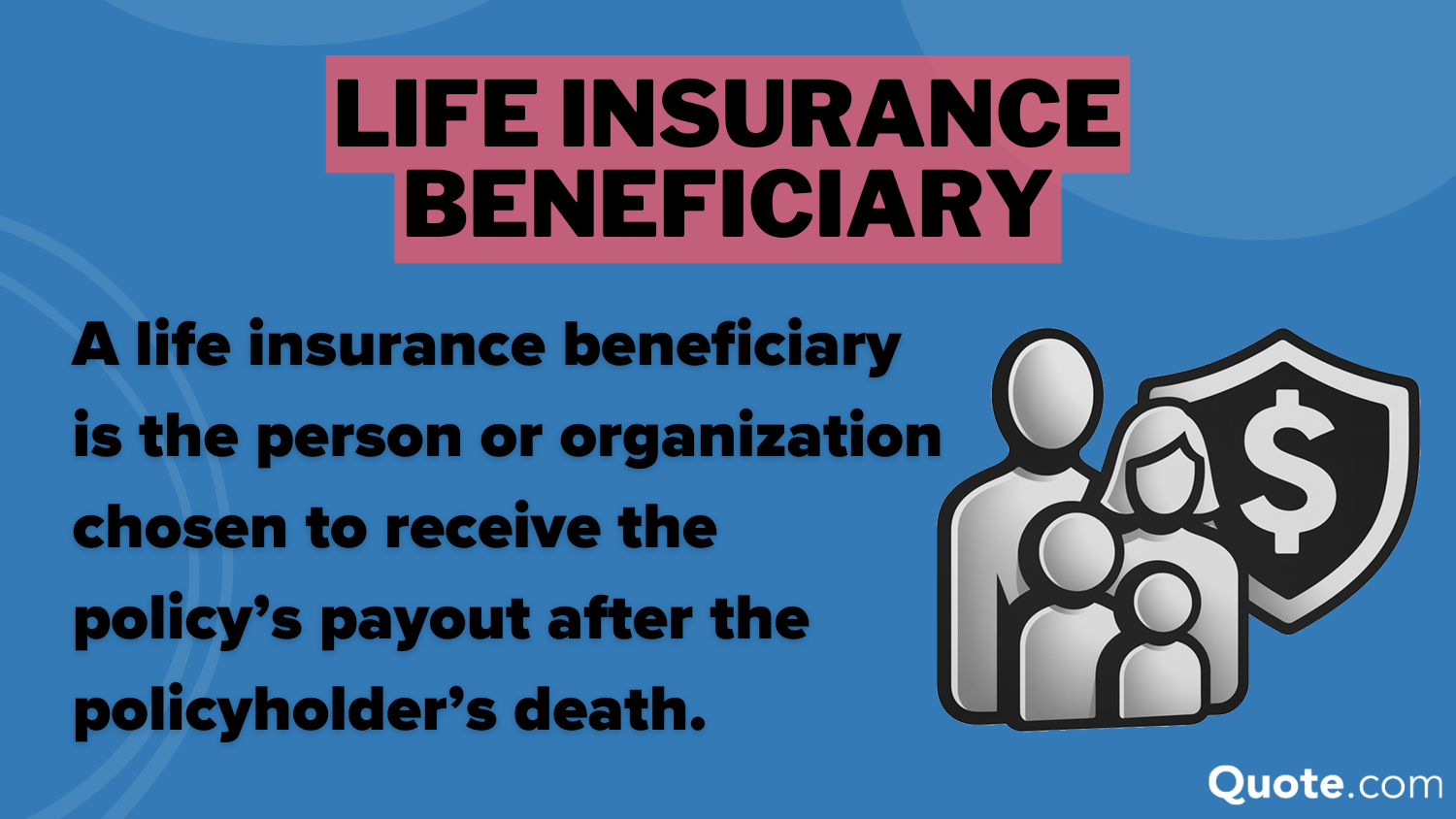
To understand life insurance, one must first identify the four primary parties involved in every contract. The Insurer is the company providing the coverage and bearing the financial risk. The Policyowner is the person who pays the premiums and holds the right to make changes to the policy. The Insured is the person whose life the policy covers—often the policyowner, but not always. Finally, the Beneficiary is the person or entity (such as a trust or charity) designated to receive the payout.
The agreement hinges on the "death benefit," which is the face amount of the policy. For example, if you purchase a $500,000 policy, that is the sum the insurer promises to pay. However, the contract is only valid if the policyowner adheres to the premium schedule. In 2026, most insurers offer flexible payment methods, including digital wallets and automated clearing house (ACH) transfers, but failure to pay within the "grace period" (typically 30 days) can lead to a policy lapse, terminating the coverage.
The underwriting process is how the insurer determines the cost of your premium. In the past, this almost always required a physical medical exam. In 2026, many companies utilize accelerated underwriting, which leverages your electronic health records, prescription history, and even lifestyle data to approve policies in hours rather than weeks. This shift has made life insurance more accessible, though those with complex medical histories may still undergo traditional medical scrutiny to secure the best rates.
Term Life Insurance: Pure Protection for a Set Period
Term life insurance is the simplest and most affordable form of coverage. It is designed to provide protection for a specific number of years—usually 10, 20, or 30. If the insured passes away during this "term," the death benefit is paid to the beneficiaries. If the insured outlives the term, the policy expires, and no money is returned unless the policy includes a "return of premium" rider.
This type of insurance is ideal for covering temporary financial obligations. For instance, parents often buy a 20-year term policy to cover the years until their children are financially independent and the mortgage is paid off. Because term insurance does not have a savings component or "cash value," 100% of the premium goes toward the cost of the insurance and administrative fees, which is why it offers the highest death benefit for the lowest cost.
In 2026, we see an increase in laddering strategies. Instead of one large policy, an individual might buy three smaller term policies with different expiration dates (e.g., 10, 20, and 30 years). This ensures that as financial responsibilities decrease over time—such as a mortgage being paid down—the total amount of insurance also decreases, saving the policyowner money on premiums over the long term.
Permanent Life Insurance: Lifelong Coverage and Cash Value
Permanent life insurance differs from term insurance because it does not expire as long as premiums are paid. It also includes a "living benefit" known as cash value. A portion of every premium payment is funneled into an internal account that grows over time, either at a fixed rate or based on market performance.
Whole Life Insurance
Whole life is the most traditional form of permanent coverage. It offers a guaranteed death benefit, fixed premiums that never increase, and a guaranteed rate of return on the cash value. Many whole life policies are "participating," meaning the insurer may pay out dividends to policyholders based on the company's annual profits. These dividends can be taken as cash, used to reduce premiums, or reinvested to increase the death benefit.
Universal Life Insurance
Universal life (UL) offers more flexibility than whole life. Policyowners can adjust their premium payments and even the death benefit amount as their financial situation changes. The cash value in a UL policy earns interest based on current market rates. In 2026, Indexed Universal Life (IUL) remains popular, as it links the cash value growth to a market index, such as the S&P 500, while providing a "floor" to protect against market losses. However, these policies are complex and require active management to ensure they do not become underfunded.
Comparing Policy Types
Choosing between term and permanent insurance depends on your budget and long-term financial objectives. The following table provides a direct comparison of the most common features.
| Feature | Term Life Insurance | Whole Life Insurance | Universal Life Insurance |
|---|---|---|---|
| Duration | Fixed period (10–30 years) | Entire lifetime | Entire lifetime |
| Premium Cost | Lowest | Highest | Moderate to High |
| Cash Value | None | Guaranteed growth | Variable growth |
| Flexibility | Low (fixed terms) | Low (fixed premiums) | High (adjustable premiums) |
| Main Purpose | Income replacement | Estate planning/Wealth | Flexible protection |
| 2026 Trend | Accelerated digital approval | Dividend-focused stability | Hybrid LTC riders |
Determining How Much Coverage You Need
A common mistake is selecting a coverage amount based on a "rule of thumb," such as ten times your annual salary. While this is a starting point, a clear description of life insurance for you must account for your specific liabilities. The DIME formula is a more comprehensive method used by financial planners in 2026:
- Debt: Total all your outstanding debts, excluding your mortgage. This includes credit cards, student loans, and personal loans.
- Income: Multiply your annual salary by the number of years your family would need support (e.g., until your youngest child reaches age 18 or 22).
- Mortgage: Calculate the remaining balance on your home loan to ensure your family can stay in their home.
- Education: Estimate the future cost of tuition and expenses for your children’s college or vocational training.
By adding these four categories together, you arrive at a much more accurate figure for your death benefit. Additionally, consider "final expenses," such as funeral and burial costs, which in 2026 can range from $10,000 to $20,000 depending on the region and services chosen.
The Role of Riders: Customizing Your Policy
Riders are optional add-ons that allow you to customize your coverage for an additional fee. They provide protection for specific scenarios that a standard policy might not cover.
- Accelerated Death Benefit Rider: This allows the insured to access a portion of the death benefit while still alive if they are diagnosed with a terminal illness. In 2026, this is often included in standard policies at no extra cost.
- Waiver of Premium: If the insured becomes totally disabled and unable to work, the insurance company waives the premium payments while keeping the policy in force.
- Long-Term Care (LTC) Rider: This is a major trend in 2026. It allows the policyholder to use the death benefit to pay for home health care or nursing home expenses if they can no longer perform daily activities.
- Child Term Rider: This provides a small amount of coverage for all children in the household, which can be converted into a permanent policy once they reach adulthood.
The Payout Process and Tax Implications
When the insured passes away, the beneficiaries must file a claim with the insurance company. This typically requires a death certificate and a completed claim form. Most claims are processed within 30 days.
One of the greatest advantages of life insurance is that the death benefit is generally income tax-free for the beneficiaries. According to the Internal Revenue Service (IRS), life insurance proceeds received because of the death of the insured person are not included in gross income and do not have to be reported. However, if the death benefit is paid out in installments rather than a lump sum, any interest earned on the principal amount is taxable.
Furthermore, if the policy is owned by the insured, the value of the death benefit may be included in their gross estate for federal estate tax purposes. In 2026, with shifting estate tax exemptions, high-net-worth individuals often use an Irrevocable Life Insurance Trust (ILIT) to own the policy, effectively removing the proceeds from their taxable estate.
Common Pitfalls to Avoid
Even with a clear description, it is easy to make mistakes when purchasing life insurance. One frequent error is waiting too long to buy. Premiums increase with age, and a sudden change in health can make coverage significantly more expensive or even unavailable.
Another pitfall is underestimating the value of a stay-at-home spouse. While they may not have a "salary" to replace, the cost of childcare, household management, and transportation that they provide is substantial. If a stay-at-home parent passes away, the surviving spouse may need a significant payout to cover these services.
Lastly, failing to review beneficiaries can lead to legal complications. Life events such as divorce, marriage, or the birth of a child should trigger a review of your policy. In 2026, insurance companies provide secure online portals to update beneficiaries instantly, yet many people leave outdated names on their contracts, leading to disputes during the claims process.
FAQ
What is the difference between term and whole life insurance?
Term life insurance provides coverage for a specific period (e.g., 20 years) and is much cheaper, but it has no value once the term ends. Whole life insurance covers you for your entire life and includes a cash value savings account, but the premiums are significantly higher.
Can I have more than one life insurance policy?
Yes, you can hold multiple policies from different companies. People often do this to "layer" coverage, such as having a large term policy for mortgage protection and a smaller whole life policy for funeral expenses. However, insurers will check your total coverage against your income to prevent "over-insurance."
What happens if I stop paying my premiums?
For term insurance, the policy will lapse after a grace period, and coverage will end. For permanent insurance, you may be able to use the accumulated cash value to pay the premiums, or you can surrender the policy for its current cash value, though this terminates the death benefit.
Is a medical exam always required in 2026?
No. Many insurers now offer "no-exam" or "accelerated" underwriting for healthy individuals up to certain coverage limits (often up to $2 million or $3 million). These policies use your digital data to assess risk. However, if the data suggests health issues, a medical exam may still be requested.
How do I choose a beneficiary?
A beneficiary can be any person, trust, or organization. Most people name a "primary" beneficiary (like a spouse) and a "contingent" beneficiary (like adult children) in case the primary beneficiary passes away first. It is generally advised not to name minor children directly; instead, name a trust or a guardian.
Next Steps for Securing Your Coverage
To move forward, begin by calculating your coverage needs using the DIME formula mentioned above. Once you have a target amount, gather quotes from at least three different highly-rated insurance companies. Look for "A" ratings from agencies like A.M. Best or Moody's to ensure the company is financially stable enough to pay out claims decades from now. If your needs are complex, such as for business succession or estate planning, consult with a certified financial planner to integrate your life insurance into your broader wealth strategy.
Image Gallery