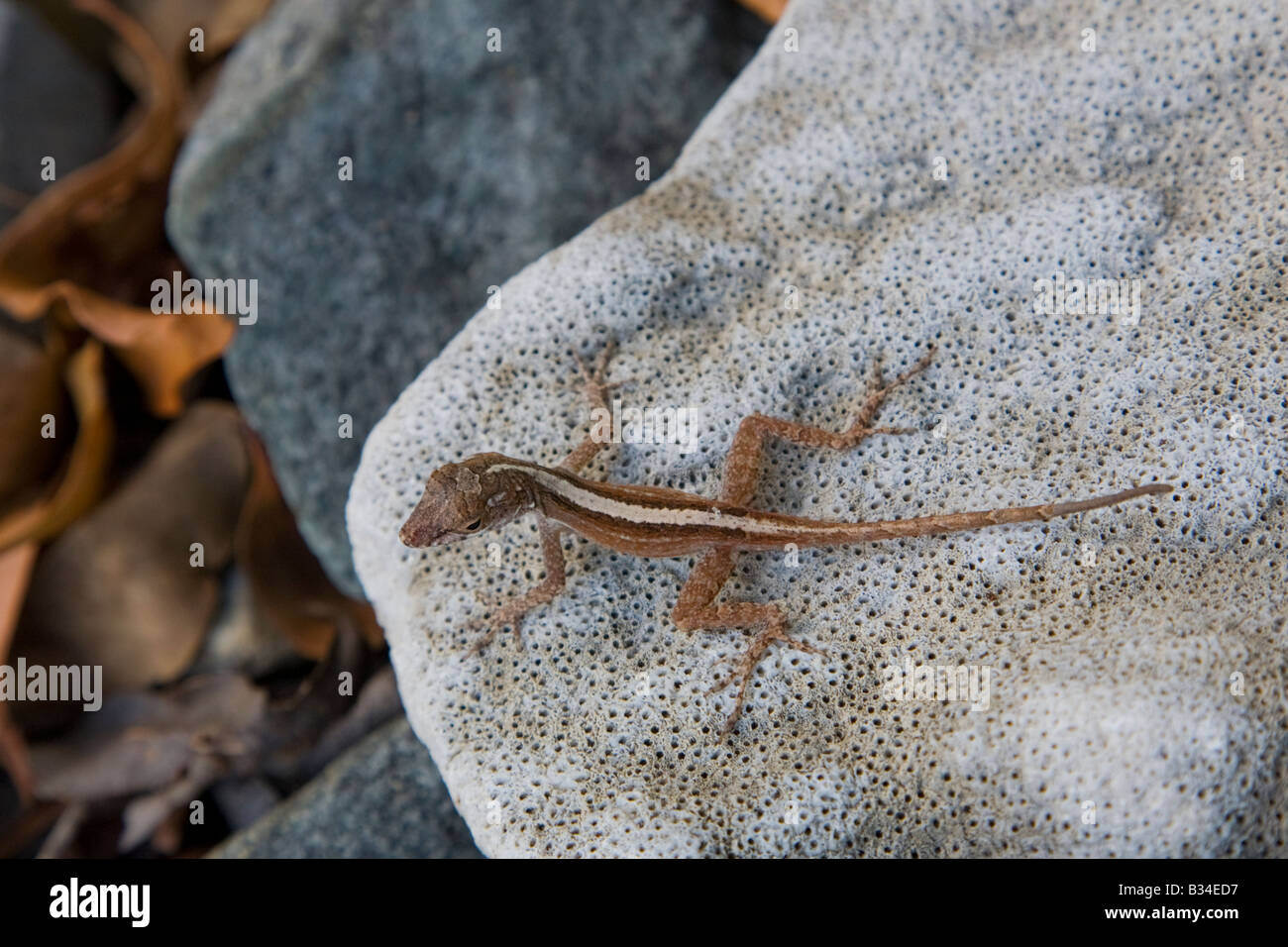
Understanding Island Geckos in the Caribbean: Biodiversity and Ecological Impact
Island geckos in the Caribbean represent a complex assembly of native and introduced lizard species that have thrived across the region’s diverse tropical ecosystems. These small, nocturnal or diurnal reptiles are characterized by thei...
Island geckos in the Caribbean represent a complex assembly of native and introduced lizard species that have thrived across the region’s diverse tropical ecosystems. These small, nocturnal or diurnal reptiles are characterized by their specialized toe pads, vocalizations, and remarkable adaptability, often serving as both key predators of insect populations and essential prey for larger endemic fauna. While many species are well-integrated into the natural environment, human-mediated movement has significantly altered the distribution of certain gecko populations, leading to both ecological successes and conservation challenges for native Caribbean herpetofauna.
Contents
Taxonomic Diversity and Distribution
The Caribbean archipelago is a global hotspot for herpetological diversity. Geckos in this region primarily belong to the family Gekkonidae and the family Sphaerodactylidae, the latter being particularly well-represented by the genus Sphaerodactylus—often called dwarf geckos. These tiny lizards exhibit extraordinary levels of island endemism, meaning many species are found on only a single island or a specific group of islands.
Conversely, the Caribbean has seen the introduction of widespread species such as the Common House Gecko (Hemidactylus frenatus) and the Tokay Gecko (Gekko gecko). These introduced species often thrive in human-modified environments, such as hotels, urban gardens, and residential zones. The distinction between these invasive colonizers and the delicate, endemic sphaerodactyls is vital for researchers and enthusiasts attempting to map the ecological health of specific islands.
Distinguishing Between Native and Introduced Species
Understanding the difference between native Caribbean geckos and introduced varieties is the first step toward effective observation and conservation. The following table provides a comparison of key characteristics for identifying common gecko groups found in the region.
| Feature | Endemic Dwarf Geckos (Sphaerodactylus) | Introduced House Geckos (Hemidactylus) |
|---|---|---|
| Size | Very small (usually < 4 cm) | Medium (up to 10–12 cm) |
| Activity | Often diurnal (day-active) | Strictly nocturnal (night-active) |
| Habitat | Forest floor, leaf litter, rotting logs | Walls, buildings, exterior lighting |
| Toe Pads | Reduced or absent (claws adapted for soil) | Well-developed (adhesive lamellae) |
| Distribution | Island-specific (high endemism) | Widespread across tropical regions |
Ecological Role and Niche Specialization
Geckos perform a critical function in the Caribbean food web. As insectivores, they exert top-down pressure on arthropod populations, including mosquitoes, moths, and agricultural pests. By controlling these populations, they provide a natural form of pest management that benefits both natural forest ecosystems and human horticultural efforts.
In terms of niche specialization, Caribbean geckos have evolved to exploit various vertical strata. Some species are strictly terrestrial, occupying the moist leaf litter of the rainforest, while others are arboreal or rupicolous (rock-dwelling). This partitioning allows multiple species to coexist on a single island without direct competition for resources. For example, in the Greater Antilles, the presence of various Sphaerodactylus species across different micro-habitats demonstrates a high level of evolutionary adaptation to local environmental pressures.
Conservation Status and Human Impact
The primary threat to native Caribbean geckos is habitat loss, driven by tourism development, agricultural expansion, and deforestation. Because many endemic species have extremely small range sizes, the destruction of a single valley or forest patch can lead to the localized extinction of a species that exists nowhere else on Earth.
Climate change also poses a nuanced risk to these reptiles. As island ecosystems experience shifting rainfall patterns and increased storm intensity, the fragile micro-climates that support specific gecko populations may disappear. Furthermore, invasive species—particularly house geckos and predatory mammals like cats and rats—pose a direct competitive and predatory threat. The house gecko, for instance, often outcompetes native species for structural habitats like walls and eaves, effectively pushing endemic populations back into less stable environments.
Research and Monitoring in 2026
As of 2026, scientific efforts across the Caribbean are increasingly focused on genomic studies and population monitoring. Researchers are utilizing environmental DNA (eDNA) sampling to detect the presence of rare, elusive species in dense vegetation without needing to capture individuals. This non-invasive technique is crucial for documenting biodiversity in protected areas and evaluating the success of restoration projects.
For those interested in identifying or protecting these animals, local conservation organizations provide the best source of verified information. Many island nations now maintain updated checklists of herpetofauna that distinguish between stable native populations and species of concern. Citizens and visitors are encouraged to prioritize the protection of leaf litter and native vegetation, as these are the primary habitats for the most threatened endemic gecko species.
Frequently Asked Questions
Are island geckos in the Caribbean dangerous to humans?
No, geckos in the Caribbean are not dangerous to humans. They are small, shy animals that pose no venomous or aggressive threat. They generally avoid contact with humans, preferring to remain hidden in vegetation or crevices.
How can I tell if a gecko in my hotel room is native?
Most geckos found inside buildings, especially near exterior lights, are introduced Hemidactylus species. Native dwarf geckos are rarely found indoors and prefer natural habitats like forest floors or tree trunks. If the gecko is translucent and actively hunts insects near a porch light at night, it is almost certainly an introduced species.
Do Caribbean geckos carry diseases?
While like many reptiles, geckos can carry Salmonella bacteria, this is only a risk if you handle them directly and then fail to wash your hands. Simply observing them in their natural environment poses no health risk to humans.
What should I do if I find an injured gecko?
If you find an injured animal, it is best to leave it in a shaded, secure spot where it can hide from predators. If you are in a protected area or a national park, you may contact the local environmental department, but in most cases, the animal is best left to recover naturally.
Why do some geckos make chirping sounds?
The chirping sound is a territorial call or a mating signal. Many species of geckos are vocal, especially at night. It is a sign of a healthy, active population in the immediate vicinity.
Recommendations for Observation
To enjoy the unique gecko life of the Caribbean responsibly, focus on respectful observation. If you are hiking in forested areas, move slowly and look closely at the ground cover—this is where the most fascinating, colorful, and unique dwarf geckos are found. Avoid using artificial lights at night in pristine habitats, as this disrupts the natural behavior of both the geckos and their prey. By respecting these small reptiles and their specific habitat requirements, visitors can contribute to the preservation of the Caribbean’s irreplaceable biological heritage.
Image Gallery