Choosing the Bellanca Super Viking: A Complete Pilot’s Guide to Performance, Maintenance, and Ownership
Choosing the Bellanca Super Viking for your next aircraft purchase offers a rare blend of true 160-knot cruise speeds, extraordinary roll authority, and unmatched value in the pre-owned high-performance single market. However, owning a...
Choosing the Bellanca Super Viking for your next aircraft purchase offers a rare blend of true 160-knot cruise speeds, extraordinary roll authority, and unmatched value in the pre-owned high-performance single market. However, owning a Super Viking requires understanding its unique wooden wing architecture, steel-tube fuselage construction, engine variations, and specific pre-purchase inspection points.
Contents
The Bellanca Super Viking Legacy: Airframe Architecture and Engineering
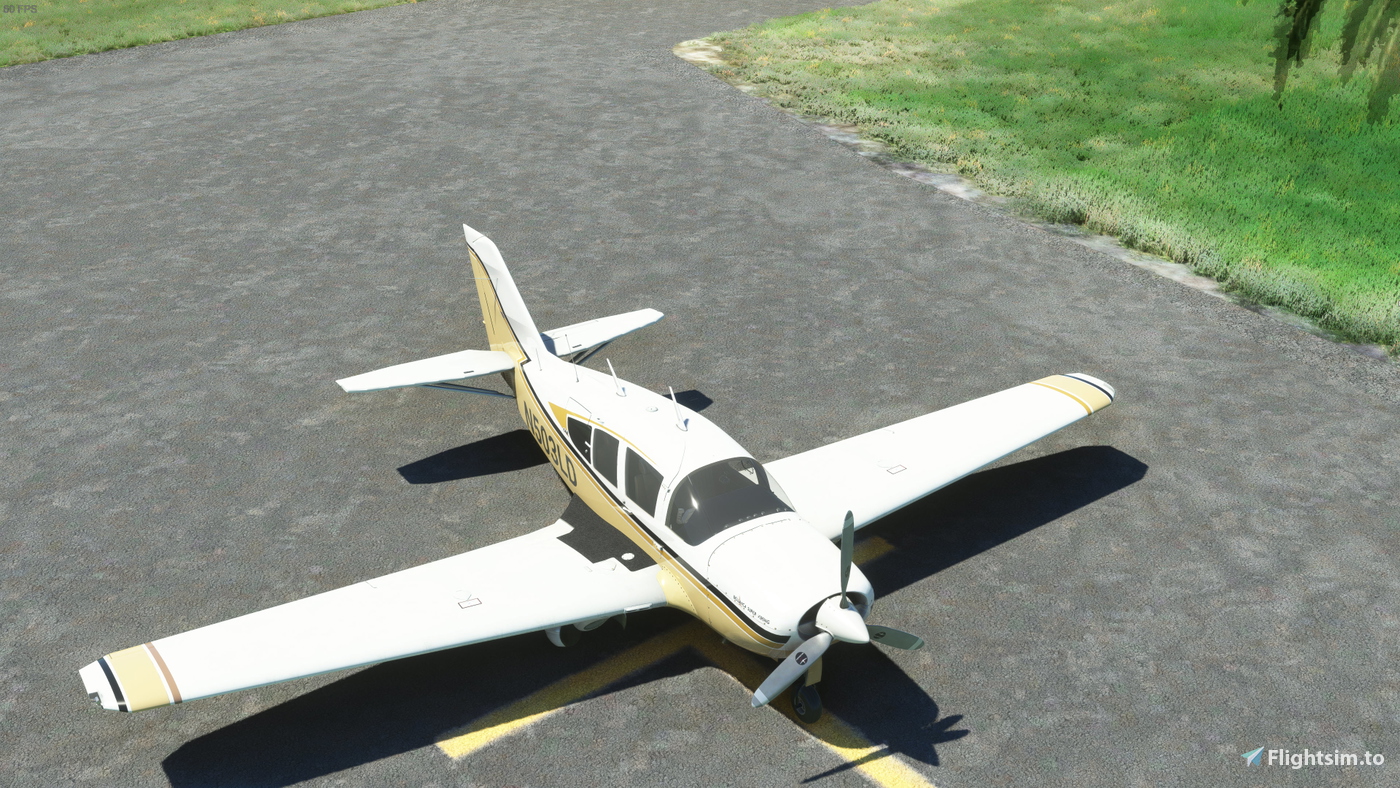
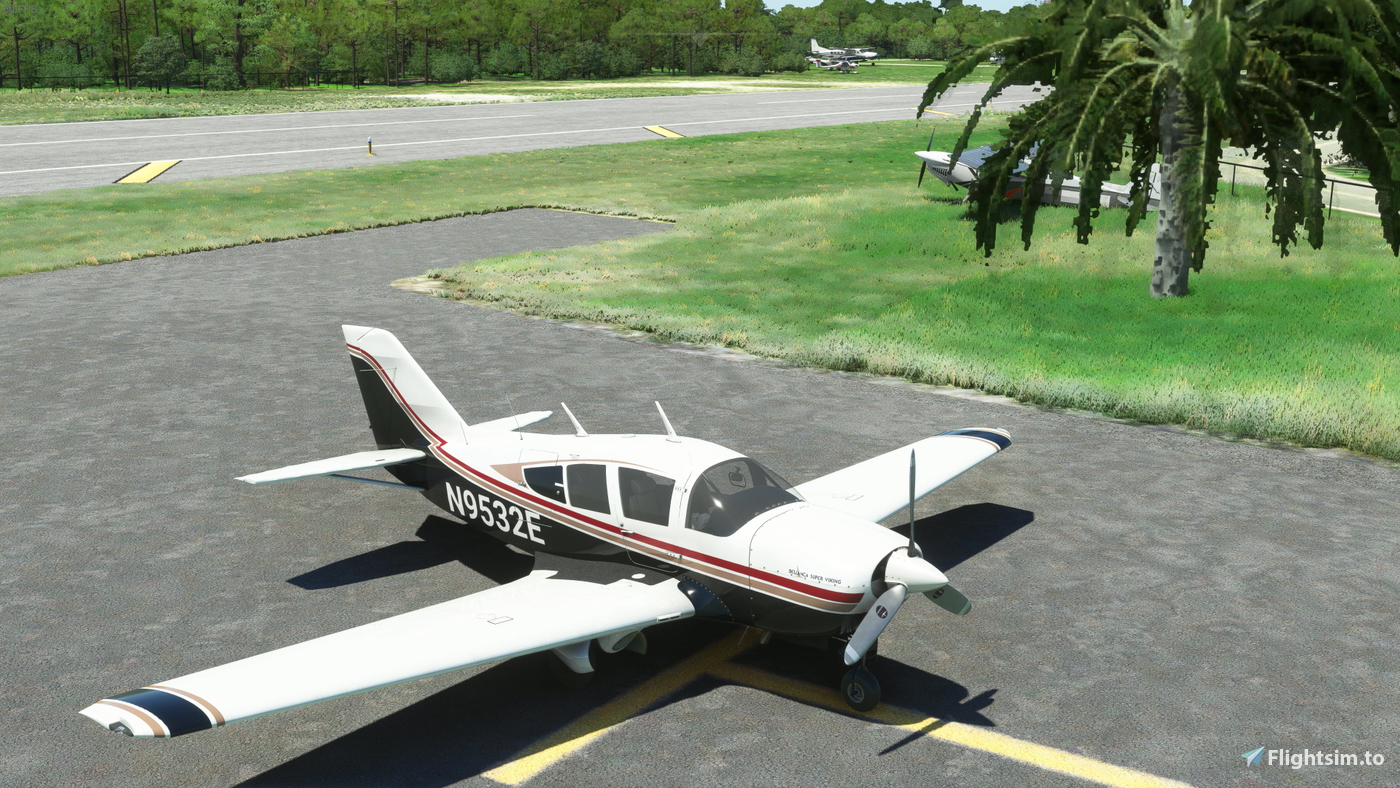
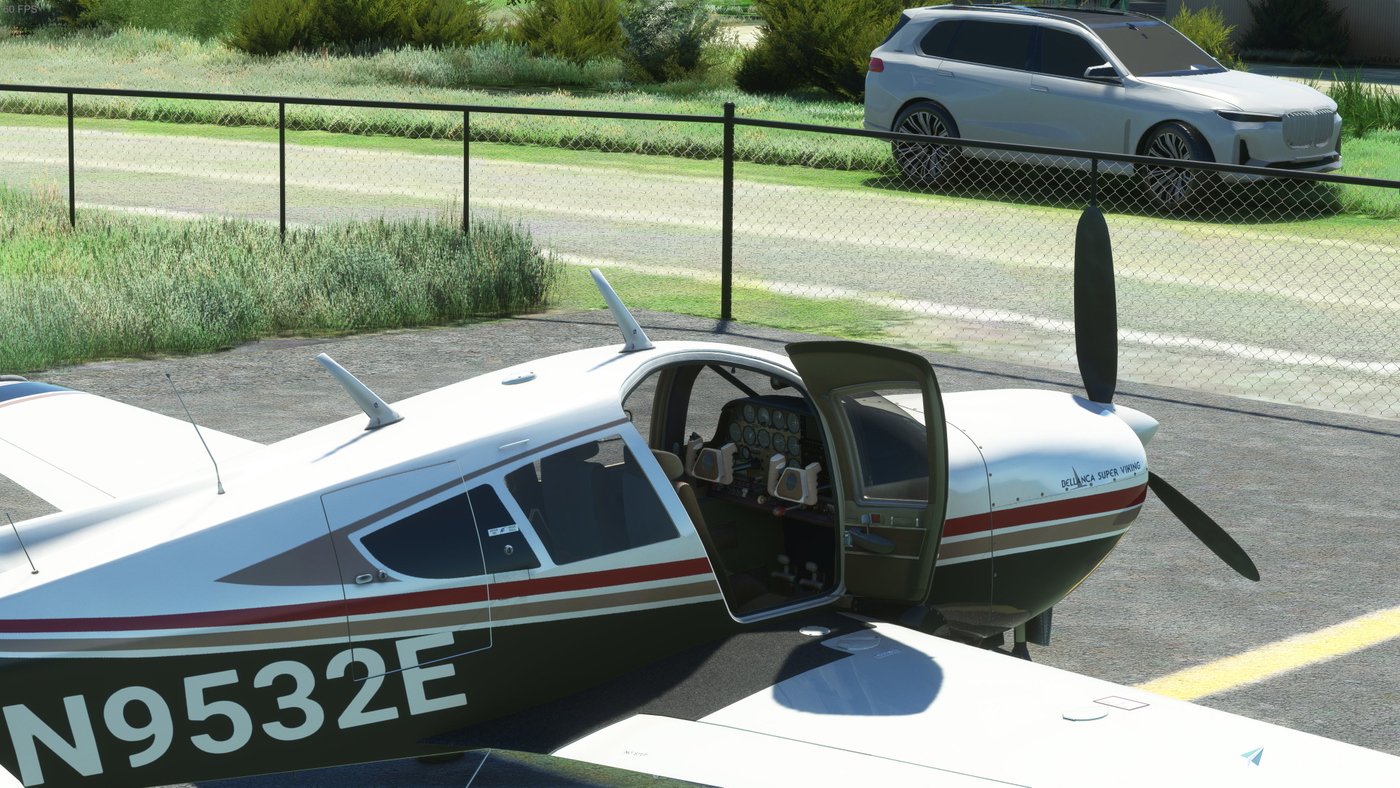
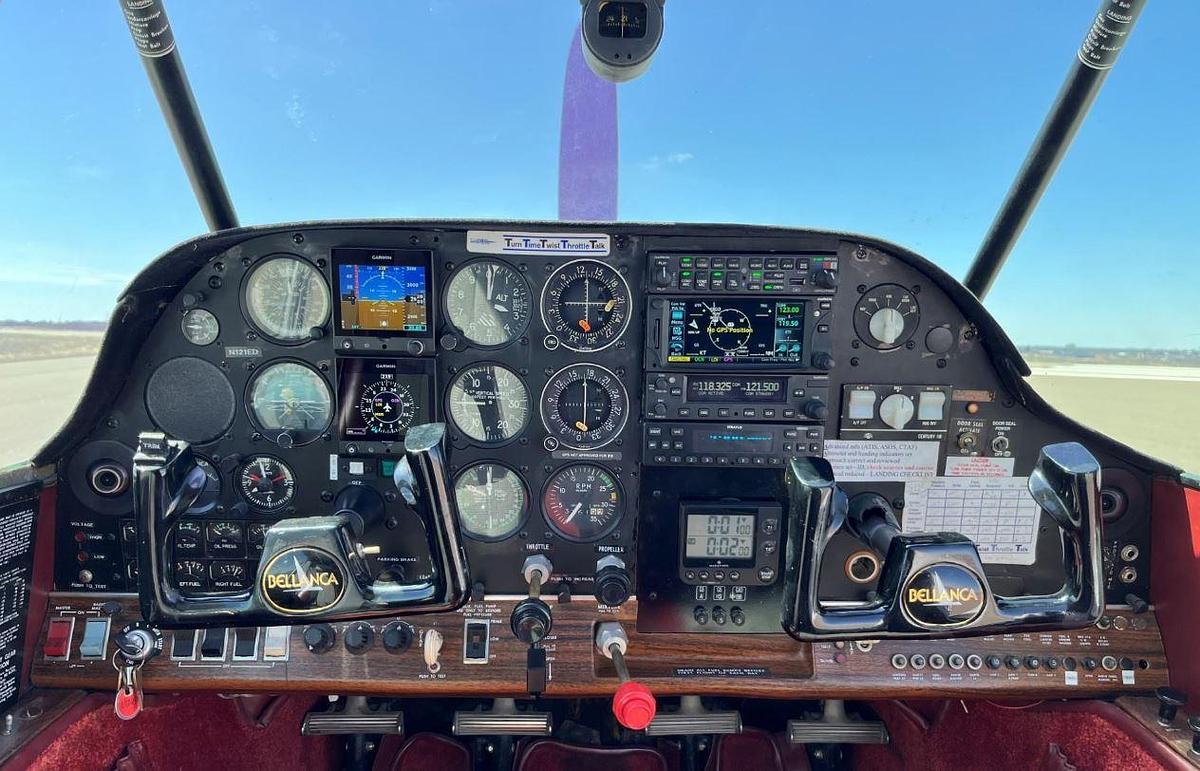
The Bellanca Super Viking (primarily designated as the 17-30 and 17-31 series) occupies a distinct niche in general aviation. While standard light aircraft from Beechcraft, Cessna, and Piper transitioned almost entirely to riveted aluminum skin in the mid-20th century, Bellanca maintained a hybrid design philosophy focused on structural rigidity, aerodynamic smoothness, and harmonized control feel.
The aircraft utilizes a welded 4130 chromoly steel-tube fuselage structure covered in fabric, paired with a fully wooden wing assembly. The wing is crafted from laminated Sitka spruce main spars, wooden ribs, and a mahogany plywood skin, wrapped in synthetic fabric (such as Ceconite or Dacron). This construction method yields an aerodynamically clean outer skin free of skin lap joints or exposed rivet heads, contributing directly to the aircraft's efficiency and handling characteristics.
Structural Advantages of Wood and Fabric
- Aerodynamic Smoothness: The absence of protruding fasteners or sheet-metal seams allows the airframe to maintain laminar flow across a broader portion of the wing chord.
- Flexural Fatigue Resistance: Wood does not suffer from classic metal fatigue in the same manner as aluminum alloys. A well-maintained wooden wing structure theoretically enjoys an infinite fatigue life, provided it remains free of moisture intrusion and fungal decay.
- Control Response: The stiffness of the box-spar wing design, combined with short-span, full-depth ailerons, delivers a roll rate that rivals aerobatic trainers, yielding precise control even in heavy turbulence.
Powerplant Options: Continental vs. Lycoming Engine Configurations
When evaluating a Bellanca Super Viking, pilots face a primary choice regarding engine configuration: the Continental IO-520 series (found on the 17-30A) or the Lycoming IO-540 series (found on the 17-31A and 17-31ATC). Both offer 300 horsepower in their naturally aspirated variants, but they introduce distinct operational and maintenance realities.
- Bellanca Super Viking Engine
- Continental IO-520 (Model 17-30A)
- Smooth operational feel
- Heavy aftermarket cylinder support
- Lycoming IO-540 (Model 17-31A)
- Robust top-end durability
- 2,000-hour TBO target
- Marginally higher empty weight
- Continental IO-520 (Model 17-30A)
Continental IO-520-K / TSIO-520-K
The Continental-powered Super Viking 17-30A represents the majority of the production run. The engine provides smooth operation and excellent mid-range torque. However, operators must monitor cylinder head temperatures (CHTs) closely, as the tight engine cowl requires attentive lean-of-peak (LOP) or rich-of-peak (ROP) engine management to prevent hot-spotting during high-density-altitude climbs.
Lycoming IO-540-K1E5
The Lycoming variant (17-31A) is favored by pilots who prefer the structural reputation and top-end durability of Lycoming cylinders. The Lycoming engine carries a 2,000-hour recommended Time Between Overhaul (TBO) in standard operations, compared to Continental's typical 1,700-hour TBO for the IO-520. However, the Lycoming configuration increases the empty weight on the nose slightly, requiring modest adjustments to trim and landing flare technique.
Performance and Operational Specifications
The Super Viking delivers true high-performance cross-country capabilities, bridging the gap between basic complex trainers and expensive light twins or pressurized singles.
| Specification Metric | Continental IO-520 (17-30A) | Lycoming IO-540 (17-31A) | Turbocharged TSIO-520 (17-30ATC) |
|---|---|---|---|
| Horsepower | 300 hp @ 2,850 RPM | 300 hp @ 2,700 RPM | 300 hp (Turbocharged) |
| 75% Power Cruise Speed | 158–165 KTAS | 160–168 KTAS | 175–185 KTAS (FL180) |
| Fuel Burn (75% ROP) | 15.5–16.8 GPH | 15.0–16.2 GPH | 17.5–19.0 GPH |
| Usable Fuel Capacity | 60 or 75 gal (usable) | 60 or 75 gal (usable) | 75 gal (usable) |
| Max Gross Weight | 3,325 lbs | 3,325 lbs | 3,325 lbs |
| Typical Empty Weight | 2,150–2,250 lbs | 2,180–2,280 lbs | 2,280–2,350 lbs |
| Useful Load | 1,075–1,175 lbs | 1,045–1,145 lbs | 975–1,045 lbs |
| Full-Fuel Payload (75 gal) | 625–725 lbs | 595–695 lbs | 525–595 lbs |
| Rate of Climb (Sea Level) | 1,100–1,210 fpm | 1,150–1,250 fpm | 1,100 fpm (Maintained to altitude) |
Handling Dynamics and Pilot Workload
Flying a Super Viking differs significantly from flying contemporary factory-built metal aircraft. The flight controls rely on direct push-pull rods and short cable runs, delivering crisp, instantaneous response.
Roll Authority and Pitch Stability
The aircraft's roll rate is notably higher than that of a Beechcraft Bonanza or Piper Arrow. Light control forces allow rapid bank angle changes, making the Super Viking a joy to fly manually. Pitch control is equally responsive, though it requires precise trim management during speed transitions. Because the horizontal stabilizer tilts for trim adjustment rather than relying on standard elevator trim tabs, elevator control pressures stay stable across different airspeed ranges.
Stalls and Slow-Flight Characteristics
In slow-flight conditions, the wing provides clear aerodynamic warning via mild airframe buffeting approximately 5 to 7 knots before the break. Stalls are straightforward, with minimal wing-drop tendencies if the ball remains centered. Recovery requires simple back-pressure relief and engine power application.
Gear and Flap System Operation
The Super Viking uses a high-pressure hydraulic system driven by an electrically powered pump to actuate the retractable landing gear and trailing-edge flaps.
- Gear Extension Speed ($V_{le}$): The maximum gear operating speed is relatively restrictive on older models (around 120 KIAS), requiring pilots to plan descents and manage airspeed carefully before entering the traffic pattern.
- Speed Brakes/Gear Deployment: Pilots often use the landing gear as a drag device when descending in busy airspace environments.
- Emergency Extension: The emergency gear extension relies on a manual hydraulic release valve that allows gravity and free-fall slipstream forces to lock the main and nose gear into place.
Structural Maintenance and Wood-Wing Care
The primary concern for any prospective Super Viking owner is the condition of the wooden wing assembly. While modern epoxy resins, micro-balloons, and synthetic fabrics make the wood structure robust, failure to keep moisture out can lead to rot, structural delamination, and expensive repairs.
- Critical Wood-Wing Maintenance Protocol
- Moisture Prevention
- Inspect wing drain holes
- Verify fuel cap rubber seals
- Seal exterior finish cracks
- Store in climate-controlled hangar when possible
- Structural Inspection
- Perform annual tap tests
- Check spar caps via inspection ports for delamination
- Verify structural adhesive integrity near gear wells
- Moisture Prevention
Inspecting for Rot and Delamination
Moisture usually enters the wing through cracked outer paint, compromised fuel cap seals, or clogged bottom-wing drain holes. Once trapped inside, moisture can break down the resorcinol glue bonds securing the mahogany plywood skin to the Sitka spruce ribs and spar caps.
- Tap Testing: Mechanics evaluate the wing skin using coin-tap tests. A solid, crisp ring indicates intact bond lines, whereas a dull thud signals skin delamination or softened wood underneath.
- Borescope Inspection: During annual inspections, mechanics insert borescopes through lower-wing access ports to view the condition of the front and rear spar webs, looking for dark discoloration, fungal growth, or varnish peeling.
- Adhesive Inspection: Older models built prior to mid-1975 require close verification of the glue lines. Resorcinol adhesive is brown or dark red; any evidence of white or clear glue lines warrants immediate structural review by a qualified technician familiar with Bellanca wood structures.
Fabric Care and Environmental Exposure
The fabric envelope protecting the wooden wing and steel-tube fuselage relies on a polyurethane or dope finishing coat to block ultraviolet (UV) radiation. If UV rays penetrate the topcoat, they degrade the underlying polyester fabric. Owners should store the aircraft in a hangar. Outside parking accelerates paint cracking, increasing the risk of moisture entering the internal wood structure.
Engine Options and Systems Troubleshooting
Maintaining a Super Viking involves managing both typical general-aviation systems and unique mechanical setups.
Fuel System Complexity
The Super Viking fuel system typically features three or five fuel tanks depending on whether auxiliary wing-tip tanks are installed.
- Main Tanks: Located in the outer wing panels.
- Auxiliary Tanks: Installed in the fuselage or inner wing sections.
- Fuel Selector Management: Pilots must actively manage the fuel selector valve during flight. Unbalancing the fuel load affects roll trim due to the long arm of the wing tanks. Furthermore, fuel selector O-rings require periodic replacement to prevent cross-feeding or air draw into the fuel lines.
Hydraulic Actuator Maintenance
The hydraulic power pack, situated under the pilot's seat or forward cabin floor, requires regular fluid-level checks and filter cleaning. Fluid leaks at the gear actuators can degrade nearby rubber hoses or soften structural finish coats. Mechanics must trace and fix hydraulic fluid dampness promptly.
Pre-Buy Inspection Checklist for Buyers
Purchasing a Bellanca Super Viking requires a thorough pre-purchase inspection by an A&P mechanic experienced with wood-and-fabric airframes. Standard metal-aircraft mechanics often lack the specialized tools and background needed to evaluate spruce spars or fabric tension properly.
- Pre-Purchase Inspection Checklist
- WING STRUCTURE: Perform coin-tap test across total wing area.
- SPARS: Inspect main spruce spar caps via borescope.
- STEEL FRAME: Check lower cabin tubes for internal moisture rot.
- HYDRAULICS: Verify gear cycle times and fluid leak history.
- LOGBOOKS: Check history for long periods of outdoor storage.
- ADS: Confirm compliance with all structural ADs.
Essential Checklist Items:
- Logbook History and Hangar Records: Verify where the aircraft spent its operational life. Airplanes hangared in dry, arid climates (such as the American Southwest) show significantly lower incidence of wood rot than those stored outdoors in humid regions.
- Tubing Integrity (Fuselage): Inspect the bottom chromoly steel frame tubes around the tailwheel/tailskid area and main cabin floorboards. Moisture accumulating in the lower fuselage fabric can rust steel tubes from the inside out.
- Airworthiness Directives (ADs): Ensure full compliance with active Airworthiness Directives. Essential ADs include wing inspection mandates, landing gear actuator pin checks, and fuel selector valve maintenance.
- Gear Retraction Test: Put the aircraft on jacks to perform a complete hydraulic gear retract and manual drop test. Gear cycle times must fall strictly within factory tolerances (typically under 9 seconds for extension).
- Control Cable Tension: Examine the elevator and rudder cable tension and check for pulley wear. Check for any binding in the control column or aileron interconnect push-pull rods.
Frequently Asked Questions
Is a wooden wing aircraft safe to fly in instrument meteorological conditions (IMC)?
Yes. The Super Viking's wooden wing structure is certified for normal category flight and is fully capable of flying in IMC and heavy turbulence. Wood provides excellent structural rigidity and flex fatigue resistance. Safety depends entirely on maintaining the outer fabric seal to keep moisture out of the internal wood structure.
How hard is it to find a mechanic to work on a Bellanca Super Viking?
While routine engine, avionics, and brake maintenance can be performed by any qualified A&P mechanic, specialized wood and fabric repairs require a mechanic certified in airframe structures with specific experience in wood-wing Bellancas. Many owners travel to dedicated Bellanca service facilities for annual inspections.
What is the typical insurance cost for a Super Viking compared to a Bonanza?
Insurance premiums for a Super Viking are generally comparable to complex, high-performance aircraft like a Beechcraft Bonanza V35 or Mooney M20. First-time retractable-gear pilots should expect requirements for 10 to 25 hours of dual instruction with a qualified CFI before receiving solo insurance coverage.
Can a Super Viking be parked outdoors full-time?
While possible with a high-quality, full-airframe canopy and wing cover, parking a Super Viking outdoors full-time is strongly discouraged. Exposure to rain, dew, and UV radiation degrades paint finishes, increases the risk of moisture entering the wood structure, and shortens fabric life. Hangar storage is essential for protecting the aircraft's long-term value.
What is the practical range of a Bellanca Super Viking on cross-country trips?
Equipped with standard 75-gallon usable fuel tanks, a naturally aspirated Super Viking consuming 15.5 GPH at a 160-knot cruise speed provides a non-stop range of approximately 600 to 650 nautical miles, while leaving a 45-minute fuel reserve.
Final Guidance and Recommendation
Choosing the Bellanca Super Viking offers an exceptional combination of speed, precise handling, and overall value. It matches or exceeds the cruise speeds of standard aluminum competitors while costing substantially less to buy.
However, buying a Super Viking requires a firm commitment to proper maintenance. Owners must prioritize hangar storage, ensure annual structural inspections of the spruce spars and mahogany skin, and work with mechanics experienced in wood-and-fabric airframes.
If you want a high-performance cross-country aircraft and are willing to take proper care of a wooden wing airframe, the Bellanca Super Viking remains one of the most rewarding ownership choices in general aviation.
Image Gallery