South Jamaica Queens and 50 Cent: The Roots, Rise, and Neighborhood Impact of Curtis Jackson
South Jamaica, Queens, serves as the defining geographic and cultural backdrop for the formative years of Curtis James Jackson III, globally recognized as the multi-platinum rap icon, entrepreneur, and media mogul 50 Cent. Long before...
South Jamaica, Queens, serves as the defining geographic and cultural backdrop for the formative years of Curtis James Jackson III, globally recognized as the multi-platinum rap icon, entrepreneur, and media mogul 50 Cent. Long before topping international music charts with his 2003 debut album Get Rich or Die Tryin', Jackson navigated the complex socioeconomic landscape of this working-class Southeast Queens neighborhood. Understanding the intersection of South Jamaica, Queens, and 50 Cent requires examining the local environment of the 1980s and 1990s, the emergence of his gritty lyrical style, his business acumen forged in the streets, and the lasting legacy he left on the community that raised him.
Contents
The Geography and Socioeconomic Reality of South Jamaica
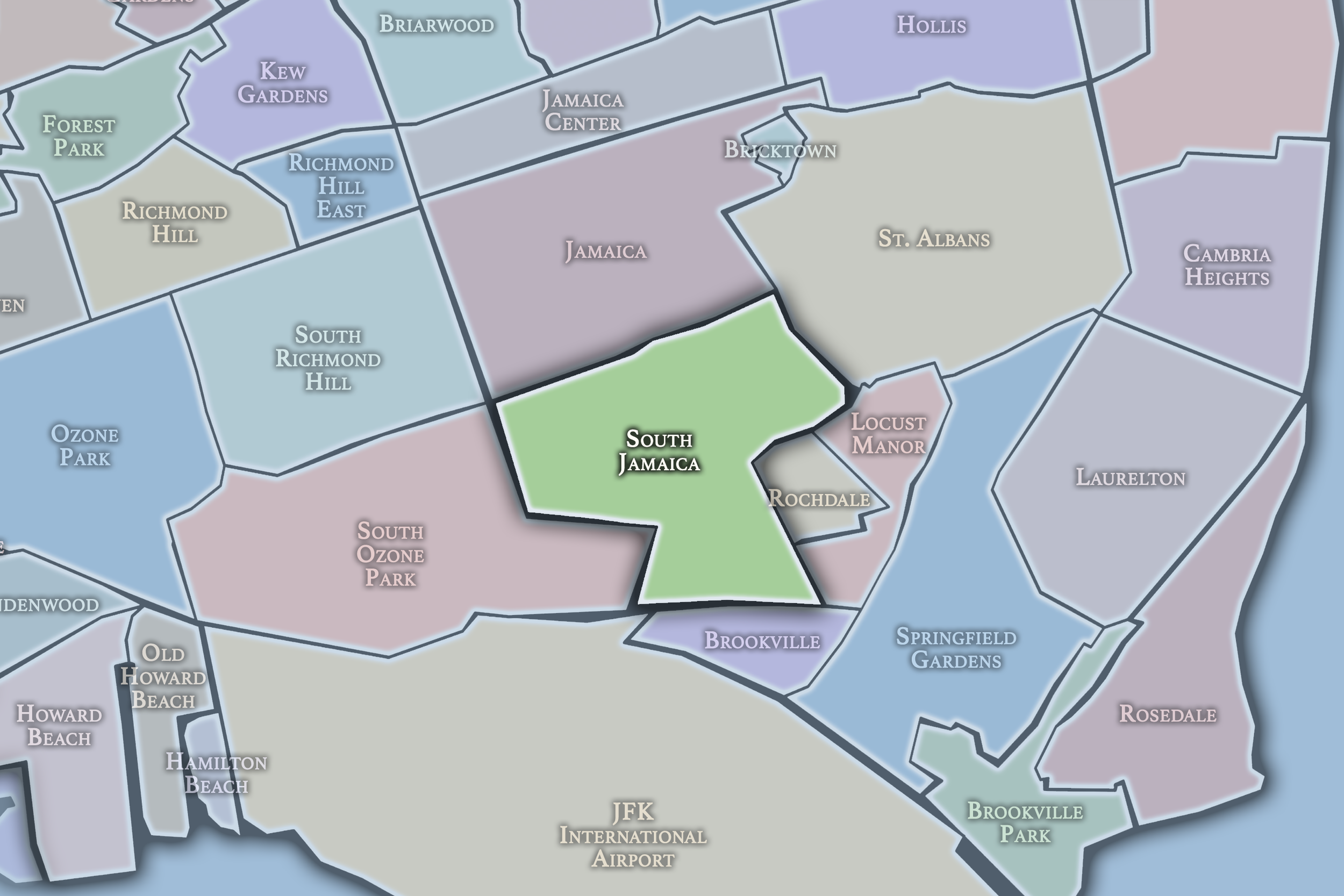
South Jamaica is a distinct residential neighborhood within the larger borough of Queens, New York City. Bounded roughly by Atlantic Avenue to the north, the Van Wyck Expressway to the west, Linden Boulevard to the south, and Springfield Boulevard or the Conduit to the east, the area shares close proximity to John F. Kennedy International Airport. During the 1970s and 1980s, much like other urban centers across America, South Jamaica experienced severe economic disinvestment, a diminishing manufacturing base, and the devastating arrival of the crack cocaine epidemic.
This environment created profound systemic challenges for its residents. Local infrastructure strained under underfunding, while poverty rates climbed. Yet, the neighborhood also cultivated a resilient community spirit, rich cultural traditions, and a deeply protective kinship among its residents. For a young Curtis Jackson—who was raised primarily by his mother, Sabrina Jackson, on 161st Street—the neighborhood functioned both as a tight-knit home and a high-stakes survival training ground. Following his mother's tragic passing when he was just eight years old, Jackson was raised by his grandparents alongside multiple aunts, uncles, and cousins in a crowded household that mirrored the broader communal reliance characteristic of South Jamaica during that era.
The Crucible of Mentorship and Street Life
Navigating South Jamaica as an adolescent meant confronting the stark economic realities of the underground economy. With limited formal employment options for young men in disinvested urban pockets, street entrepreneurship frequently served as an alternative path to financial independence. Jackson entered this world during his early teens, engaging in local narcotics distribution while simultaneously channeling his physical energy into boxing at the local South Jamaica Houses community spaces and nearby youth centers.
Despite the perils of street life, South Jamaica provided Jackson with a network of peers and older figures who shaped his survival instincts and creative voice. The neighborhood was a hotbed for early hip-hop culture, where block parties, local DJs, and breakdancing crews offered creative outlets for disillusioned youth. Jackson absorbed the cadence, attitudes, and unwritten rules of Southeast Queens street culture, which later became the raw material for his uncompromising lyrical delivery. His experiences on these blocks forged the protective armor and sharp competitive edge that would later define his professional demeanor in the corporate music industry.
Transition from South Jamaica to Hip-Hop Stardom
The leap from a local South Jamaica hustler to an internationally recognized recording artist was fraught with intense physical and professional obstacles. Jackson’s early affiliation with Jam Master Jay of Run-D.M.C., who established JMJ Records, provided his first formal entry into the professional recording studio. However, it was his independent hustle—epitomized by the 2002 mixtape Guess Who's Back?—that caught the attention of Eminem and Dr. Dre.
Even as his fame skyrocketed with the release of Get Rich or Die Tryin' under Interscope Records, Jackson maintained a complex relationship with South Jamaica. The neighborhood remained a touchstone in his music, referenced constantly in tracks like "Many Men (Wish Death)" and "In Da Club." The stark realism of South Jamaica gave his music an authentic edge that distinguished him from contemporaries who fabricated street credentials. His survival of a notorious 2000 shooting outside his grandmother's South Jamaica home—where he sustained nine gunshot wounds—became a defining piece of modern hip-hop lore, cementing his reputation as an artist forged in the literal and figurative fires of Queens.
Economic and Philanthropic Footprint in Queens
While 50 Cent expanded his empire into television production (notably creating the Power universe on Starz), executive producing, acting, and liquor branding, his connection to Queens remained a recurring theme in his public life, though often marked by complexity. In 2007, amidst his peak commercial success, Jackson famously put his multi-million-dollar Farmington, Connecticut mansion on the market while maintaining various real estate holdings and philanthropic efforts tied to New York.
Over the years, Jackson has periodically returned to Queens to invest in community initiatives, support local youth programs, and leverage his celebrity platform to draw attention to urban development issues. His trajectory from a public housing demographic in South Jamaica to a self-made multi-millionaire mirrors the classic American rags-to-riches narrative, yet it remains anchored in the specific political and economic history of outer-borough New York City.
Key Milestones: South Jamaica, Queens and 50 Cent
| Year / Era | Milestone / Event | Significance in Jackson's Career & Neighborhood History |
|---|---|---|
| 1975 | Birth of Curtis Jackson | Born in South Jamaica, Queens, where he spent his formative childhood years. |
| 1980s | Upbringing in South Jamaica | Navigated the height of the crack epidemic, losing his mother at age eight and being raised by his grandparents. |
| Late 1990s | Entry into Music & JMJ Records | Began honing his craft under the mentorship of Jam Master Jay, marking his professional transition into the hip-hop industry. |
| 2000 | Shooting on 161st Street | Survived an assassination attempt outside his South Jamaica home, a pivotal biographical turning point. |
| 2003 | Release of Get Rich or Die Tryin' | Propelled South Jamaica's gritty street narratives onto the global stage, debuting at number one on the Billboard 200. |
Frequently Asked Questions
What specific part of South Jamaica did 50 Cent grow up in?
Curtis Jackson grew up primarily around 161st Street and South Jamaica Avenue in Southeast Queens. He spent significant time within and around the local residential blocks, attending local schools and navigating the neighborhood's street culture before entering the commercial music industry.
How did growing up in South Jamaica influence 50 Cent’s music?
The socioeconomic hardships, crime rates, and survival pressures of South Jamaica during the 1980s and 1990s provided the thematic core for Jackson's lyrics. His songs frequently recount the dangers of the drug trade, neighborhood loyalties, and the resilience required to navigate poverty-stricken urban environments.
Did 50 Cent remain active in South Jamaica after achieving fame?
While Jackson relocated to various luxury properties as his wealth grew, including estates in Connecticut and later expansion to Texas, his foundational ties to South Jamaica remained a central part of his personal brand and public narrative. He has periodically engaged in local philanthropy and community outreach directed at supporting at-risk youth in Queens.
What cultural and historical significance does South Jamaica hold in hip-hop?
Beyond producing 50 Cent, South Jamaica and the broader Southeast Queens region have served as fertile ground for numerous legendary hip-hop figures, producers, and athletes. The area's unique blend of suburban-style housing developments and urban community structures created a distinct cultural identity reflected in East Coast rap history.
Where can visitors see landmarks related to 50 Cent in Queens?
While there are no official municipal monuments dedicated to Jackson in South Jamaica, fans frequently visit the general neighborhood landmarks mentioned in his early biographies and mixtapes, such as the streets surrounding 161st Street, though much of the area remains a standard residential neighborhood.
For those exploring the historical intersection of New York City hip-hop culture and urban geography, examining South Jamaica through the lens of Curtis Jackson's life offers a clear view of how systemic challenges and individual tenacity collided during one of the most vibrant eras in American music. Review local historical archives of Southeast Queens and early 2000s music documentaries for further primary source documentation regarding this era.
Image Gallery