Understanding Your Life and Health Insurance License Number: A Comprehensive Guide for 2026
A life and health insurance license number is a unique identification code issued by a state’s Department of Insurance (DOI) to individuals authorized to sell, solicit, or negotiate insurance products. This number serves as a regulator...
A life and health insurance license number is a unique identification code issued by a state’s Department of Insurance (DOI) to individuals authorized to sell, solicit, or negotiate insurance products. This number serves as a regulatory tool to verify an agent’s credentials, track professional history, ensure educational compliance, and protect consumers from unlicensed or fraudulent activities within the financial services industry.
Contents
The Dual Identity: State License Number vs. National Producer Number (NPN)
In the United States, an insurance professional typically manages two distinct identifiers. While the primary search often targets the "state license number," the modern regulatory landscape in 2026 relies heavily on the National Producer Number (NPN). Understanding the distinction between these two is the first step in managing professional credentials.
The state-issued insurance license number is specific to the jurisdiction where the agent is authorized to conduct business. For example, a resident agent in Texas will have a number issued by the Texas Department of Insurance (TDI). If that same agent applies for a non-resident license in Florida, they will receive a separate Florida license number.
Conversely, the NPN is a unique, persistent identifier assigned by the National Insurance Producer Registry (NIPR). The NPN is used to track an agent across all state jurisdictions and lines of authority (LOA). Unlike state license numbers, which can change if an agent moves or lets a license expire and later reinstates it, the NPN remains the same throughout an individual's entire career. In 2026, most insurance carriers and regulatory bodies prefer the NPN for "appointments"—the formal process by which a carrier authorizes an agent to sell their specific products.
How to Locate a Life and Health Insurance License Number
Whether you are an agent looking for your own credentials or a consumer seeking to verify a professional, there are several standardized ways to find this information.
1. The National Insurance Producer Registry (NIPR)
The NIPR is the most authoritative source for licensing data. Their "Producer Database" allows anyone to search for an agent’s status using a name and a state of residence. This portal provides the NPN, active state license numbers, and the specific lines of authority (e.g., Life, Accident & Health, Variable Life, or Long-Term Care).
2. State Department of Insurance (DOI) Portals
Every state maintains a public search tool, often called a "Licensee Search" or "Agent Lookup." These portals are essential because they provide the most granular local data, including the agent's business address, any history of disciplinary actions, and the exact expiration date of the state-specific license.
3. Physical or Digital License Certificates
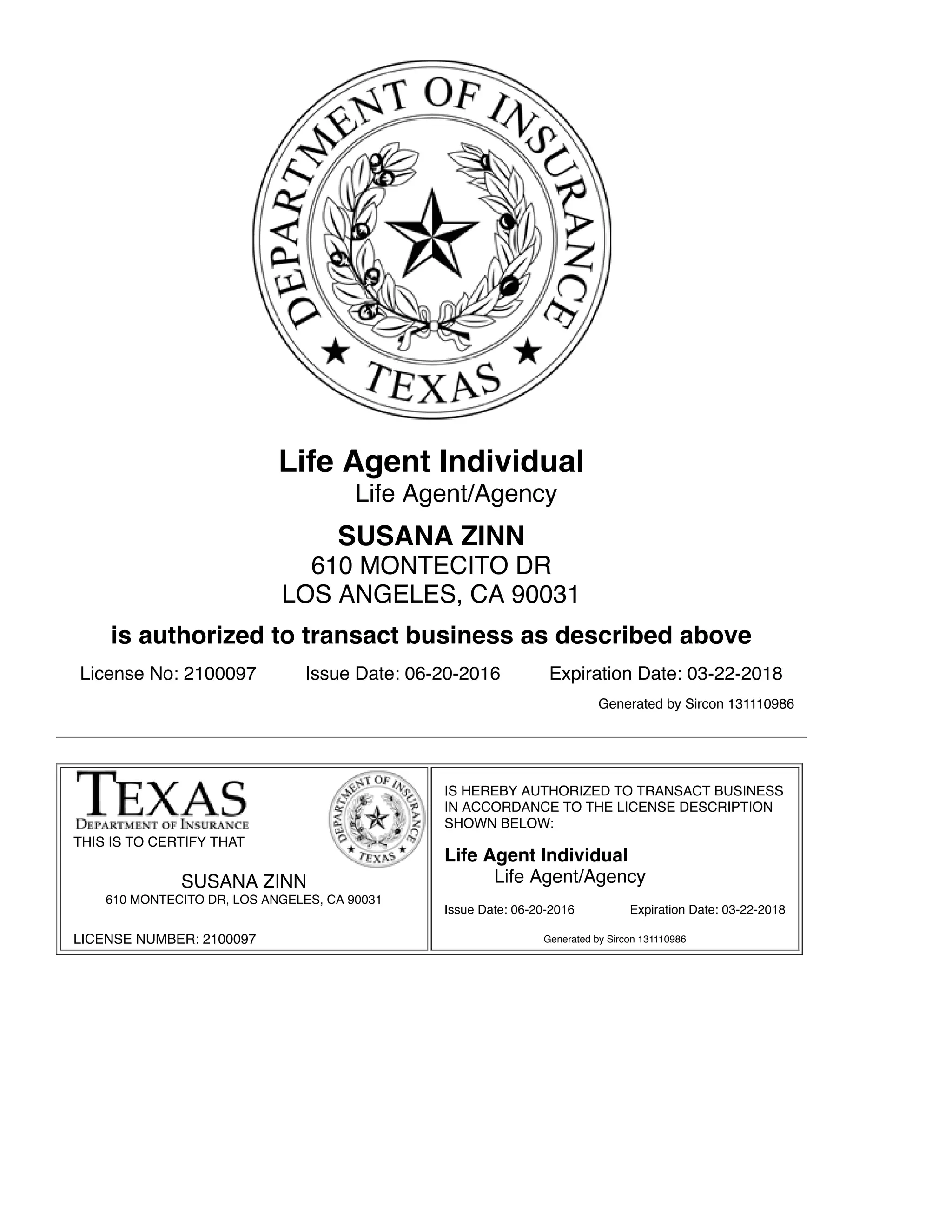
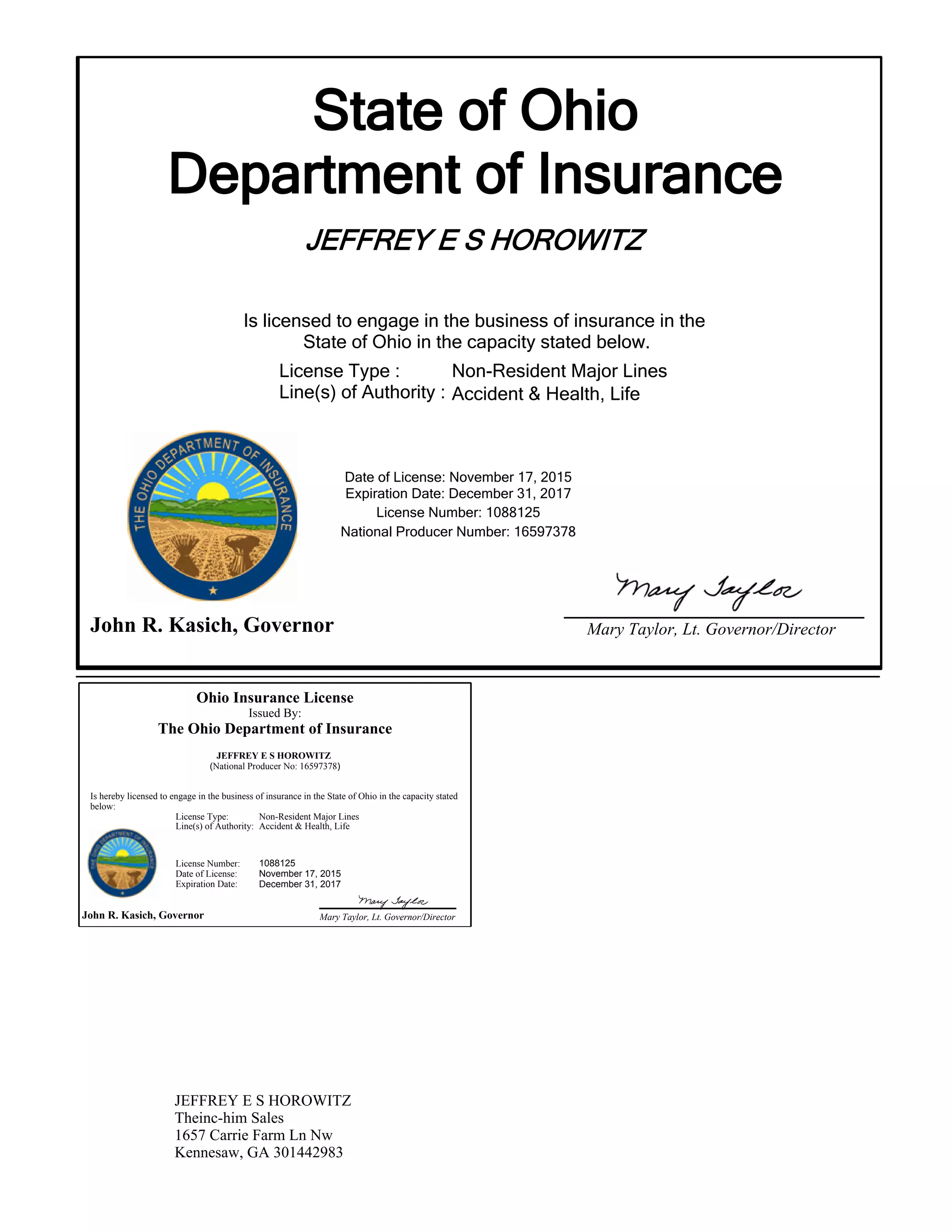
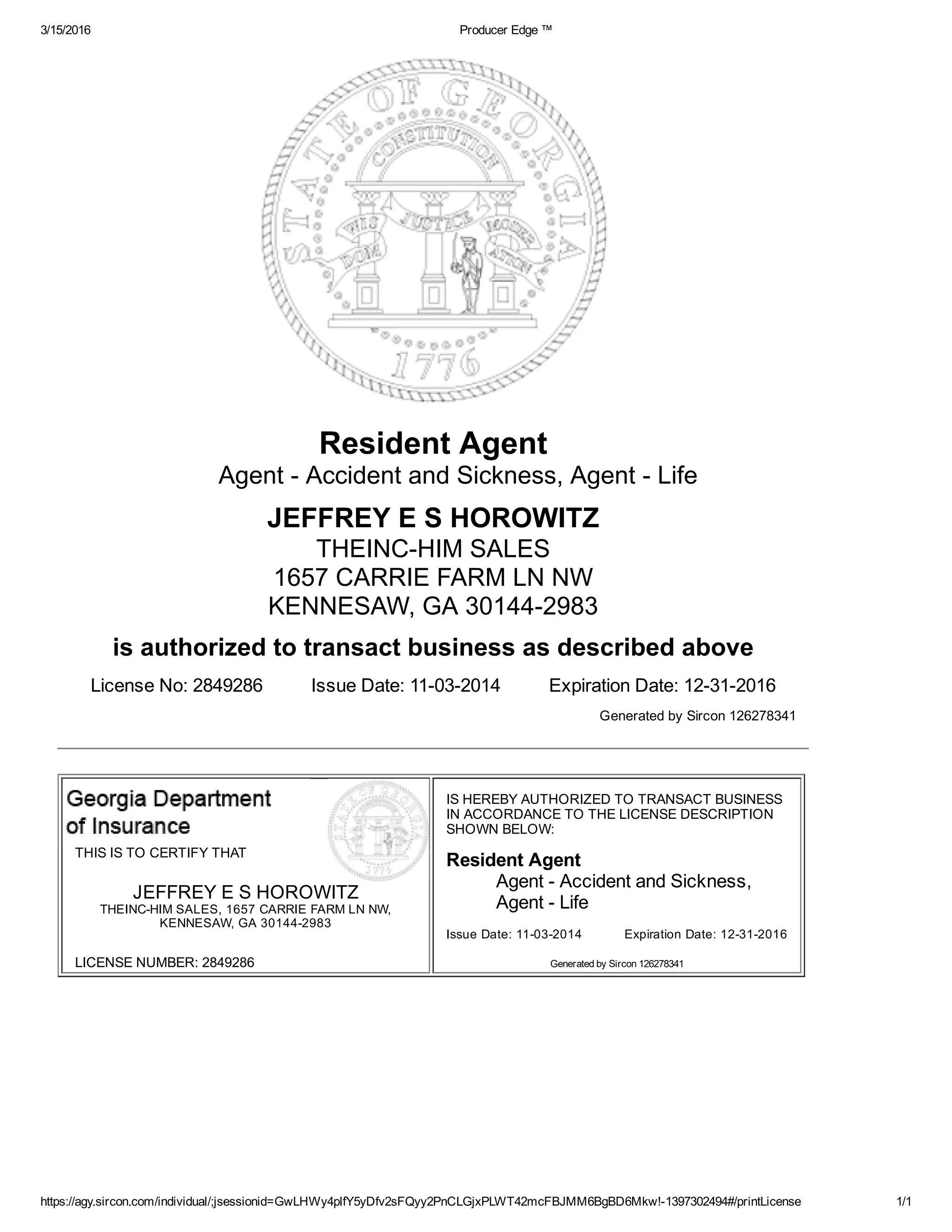
Upon passing the state exam and completing background checks, agents are issued a license certificate. By 2026, nearly all states have moved to digital-only certificates. Agents can download these PDFs from their state portal or the NIPR website. The license number is prominently displayed at the top or center of the document.
4. Insurance Carrier Appointment Lists
If an agent is currently working with a specific carrier (e.g., Aetna, New York Life, or UnitedHealthcare), their license number is recorded in the carrier's internal portal. Consumers can often find an agent’s license number listed on the agent’s official professional website or email signature, as many states legally require the disclosure of license numbers on all marketing materials.
The Process of Obtaining a Life and Health Insurance License Number
Acquiring a license number is a rigorous process designed to ensure that only qualified individuals handle sensitive financial and medical information. The "Life and Health" designation actually covers two distinct lines of authority that are frequently bundled together.
Prerequisites and Education
Before an applicant can receive a license number, they must complete pre-licensing education. As of 2026, most states require roughly 20 to 40 hours of study per line of authority. This coursework covers:
- Life Insurance: Term life, whole life, annuities, and tax implications.
- Health Insurance: Medical expense insurance, disability income, Medicare, and the Affordable Care Act (ACA) regulations.
- Ethics and Law: State-specific statutes, fiduciary duties, and consumer protection laws.
The Examination Phase
After completing education, the candidate must pass a proctored state exam administered by vendors like Prometric or Pearson VUE. These exams are notoriously difficult, often requiring a score of 70% or higher to pass. Only after the exam results are transmitted to the state can the applicant file a formal license application.
Background Checks and Fingerprinting
Integrity is a cornerstone of the insurance industry. Applicants must undergo a criminal background check, which usually involves submitting digital fingerprints. Any history of financial crimes, such as embezzlement or fraud, is usually grounds for an automatic denial of the license number.
| Feature | State License Number | National Producer Number (NPN) |
|---|---|---|
| Issuer | Individual State Dept. of Insurance | National Insurance Producer Registry (NIPR) |
| Portability | Non-portable; unique to each state | Fully portable across all 50 states |
| Purpose | Local regulatory compliance | National tracking and carrier appointments |
| Format | Varies (numeric or alphanumeric) | Usually a 7-10 digit numeric string |
| Public Access | Found on State DOI websites | Found on NIPR.com and NAIC tools |
| Update Frequency | Renewed every 2 years (typically) | Permanent for the individual's career |
Why the License Number is Critical for Compliance
For the insurance professional, the license number is more than just an ID; it is the "key" that unlocks the ability to earn a living.
Carrier Appointments
Holding a license number does not automatically mean an agent can sell insurance for a specific company. The agent must be "appointed" by the carrier. The carrier submits the agent’s license number to the state, effectively saying, "We vouch for this agent and authorize them to represent our products." Without this link, an agent cannot legally receive commissions.
Continuing Education (CE) Tracking
To maintain a license number in 2026, agents must complete Continuing Education credits every two years (the "renewal period"). The license number is the unique key used by CE providers to report completed hours to the state. If the required hours are not met by the expiration date, the license number is "lapsed" or "suspended," and all selling activities must cease immediately.
Consumer Transparency and Fraud Prevention
The National Association of Insurance Commissioners (NAIC) emphasizes that the license number is the consumer's first line of defense. By looking up a license number, a client can see if an agent has been "ordered to cease and desist" or if their license has been revoked in another state. This transparency prevents "rogue agents" from moving from state to state to escape their disciplinary history.
Common Issues with Insurance License Numbers
Managing a license number involves more than just passing an initial test. Several common hurdles can jeopardize an agent's standing.
- Failure to Notify of Address Changes: Most states require agents to update their business or residence address within 30 days. Failure to do so can lead to administrative fines or the suspension of the license number.
- Reciprocity Confusion: While most states have "reciprocal" agreements (meaning if you are licensed in your home state, you can easily get a license in another), the agent must still apply and pay the fee for each state. You cannot use a New York license number to sell a policy to a resident of New Jersey without a specific New Jersey non-resident license.
- Lapsed License Reinstatement: If an agent misses the renewal deadline, their license number becomes inactive. Depending on the state, there is usually a "grace period" (often 90 days) where the agent can pay a late fee. Beyond that, the agent may be required to re-take the state exam.
Frequently Asked Questions
Can I look up an insurance license number by name only?
Yes. Most state DOI websites and the NIPR "Producer Lookup" tool allow for searches based on the agent's first and last name. However, since many agents share common names, it is helpful to have the state of residence or the name of the agency they work for to narrow down the results.
Does a life and health license number expire?
Technically, the number itself stays the same, but the authority to use it expires. Most state licenses must be renewed every two years on the agent's birth month or the anniversary of the license issuance. This renewal requires a fee and proof of completed continuing education.
Is the license number the same for life insurance and health insurance?
In most jurisdictions, "Life" and "Health" (often called Accident and Sickness) are considered two different lines of authority. However, they are usually listed under a single license number on the certificate. You must ensure that both "Life" and "Health" are listed as "Active" on your state profile to sell both products.
What should I do if an agent refuses to provide their license number?
A refusal to provide a license number is a major red flag. Licensed professionals are generally required by law to provide this information upon request. If an agent refuses, you should contact your state's Department of Insurance to verify their status or report potential unauthorized activity.
Can one license number be used for a whole agency?
No. There is a distinction between an Individual License and a Business Entity License. While an agency has its own license number, every individual person "soliciting" insurance within that agency must also hold their own personal life and health insurance license number.
Practical Recommendation: Next Steps
If you are an aspiring agent, your first step is to visit the NIPR website to understand your specific state’s pre-licensing requirements for 2026. Ensure you register for a "Life, Accident, and Health" combined course to maximize your marketability.
If you are a consumer, always verify an agent’s license number through the NAIC Consumer Insurance Search Tool (CIS) before signing any application or transferring funds. Verifying that the license is "Active" and has no "Administrative Actions" is the most effective way to ensure your financial security.
Image Gallery