The Impact of Honey Badger F1 on Daniel Ricciardo
The "Honey Badger" moniker has profoundly shaped Daniel Ricciardo’s professional identity, marketing value, and fan connection throughout his Formula 1 career. Far beyond a simple nickname, it transformed his public persona into an agg...
The "Honey Badger" moniker has profoundly shaped Daniel Ricciardo’s professional identity, marketing value, and fan connection throughout his Formula 1 career. Far beyond a simple nickname, it transformed his public persona into an aggressive, fearless, yet charismatic brand that defined his legacy in motorsport.
Contents
Origins and Evolution of the Honey Badger Persona
The moniker did not originate within the sterile, corporate confines of a modern Formula 1 paddock; rather, it was born from a desire to encapsulate an uncompromising racing style. Daniel Ricciardo adopted the "Honey Badger" persona during his time at Red Bull Racing to contrast his notoriously friendly, smiling demeanor off the track with a ruthless, opportunistic approach inside the cockpit. In nature, the honey badger is known for its fearlessness, tenacity, and willingness to take on much larger predators. For Ricciardo, this served as a psychological mechanism and a public declaration: beneath the cheerful exterior lay a fierce competitor ready to lunge at any gap on the racetrack.
This duality became the cornerstone of his personal branding. While traditional Formula 1 drivers often cultivated either an icy, untouchable aura or a strictly professional corporate image, Ricciardo leaned heavily into his natural charisma while pairing it with an animalistic racing alter ego. This branding allowed him to maintain universal popularity even when executing high-risk overtaking maneuvers that occasionally ended in collisions. The nickname resonated deeply with global audiences who appreciated the juxtaposition of a relaxed paddock personality and an uncompromising, hard-charging driver under race conditions.
Career Milestones and On-Track Impact
The influence of the Honey Badger persona manifested clearly in Ricciardo's most celebrated on-track achievements. During his tenure at Red Bull Racing and subsequently at Renault, his reputation for late, opportunistic braking maneuvers became his trademark. Competitors learned that leaving the smallest window open on the inside of a corner invited a trademark Honey Badger lunge. This aggressive racecraft yielded remarkable victories, notably his stunning win at the 2018 Monaco Grand Prix, where he managed a severely crippled power unit to hold off Sebastian Vettel.
| Team / Era | Key Milestone / Achievement | Persona Manifestation |
|---|---|---|
| Red Bull Racing (2014–2018) | 7 Grand Prix wins, including Monaco 2018 | Relentless late-braking overtakes and aggressive racecraft |
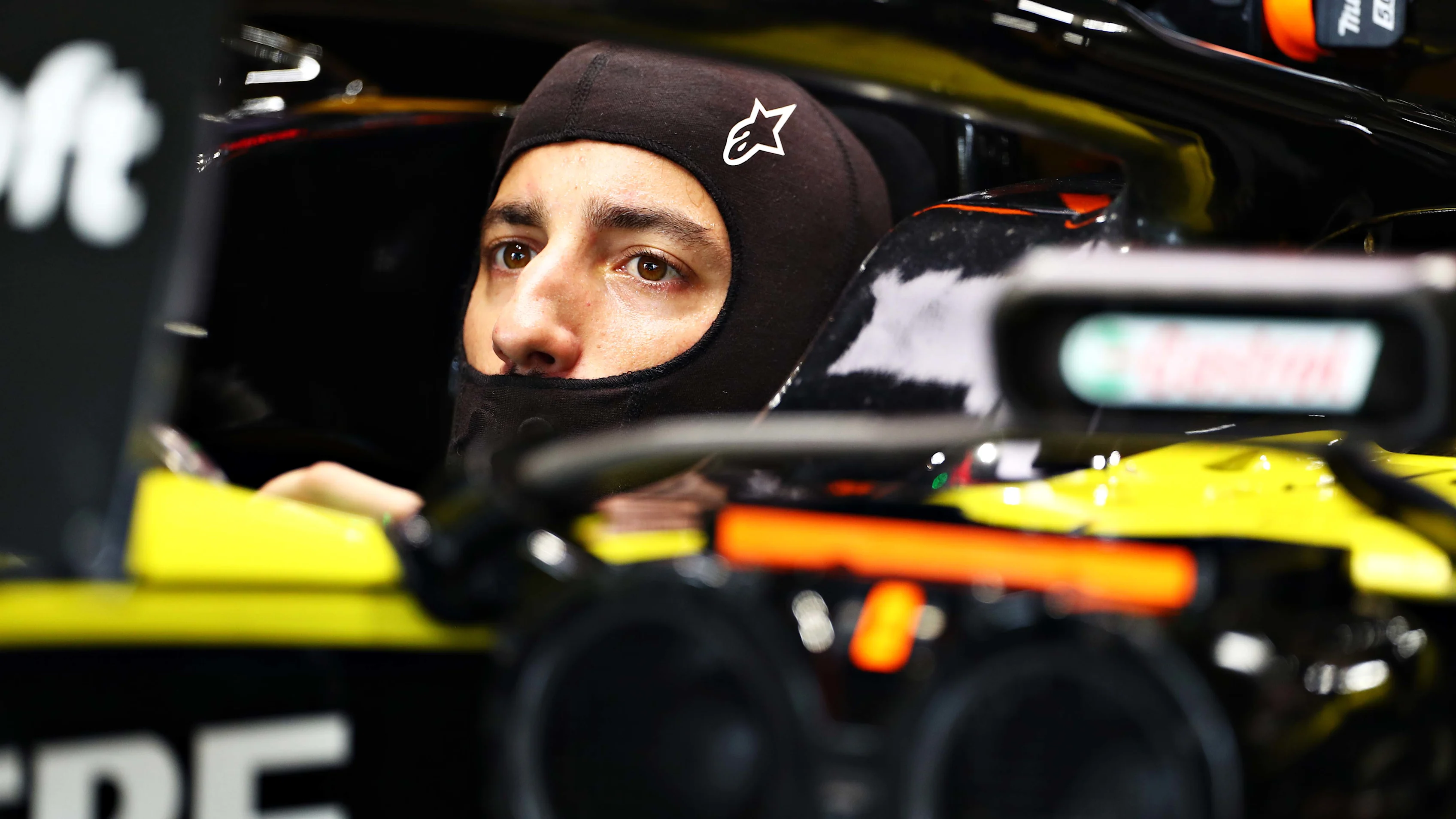
| Renault F1 Team (2019–2020) | 2 Podiums, establishing team turnaround | Leadership through resilience and high-risk strategy execution |
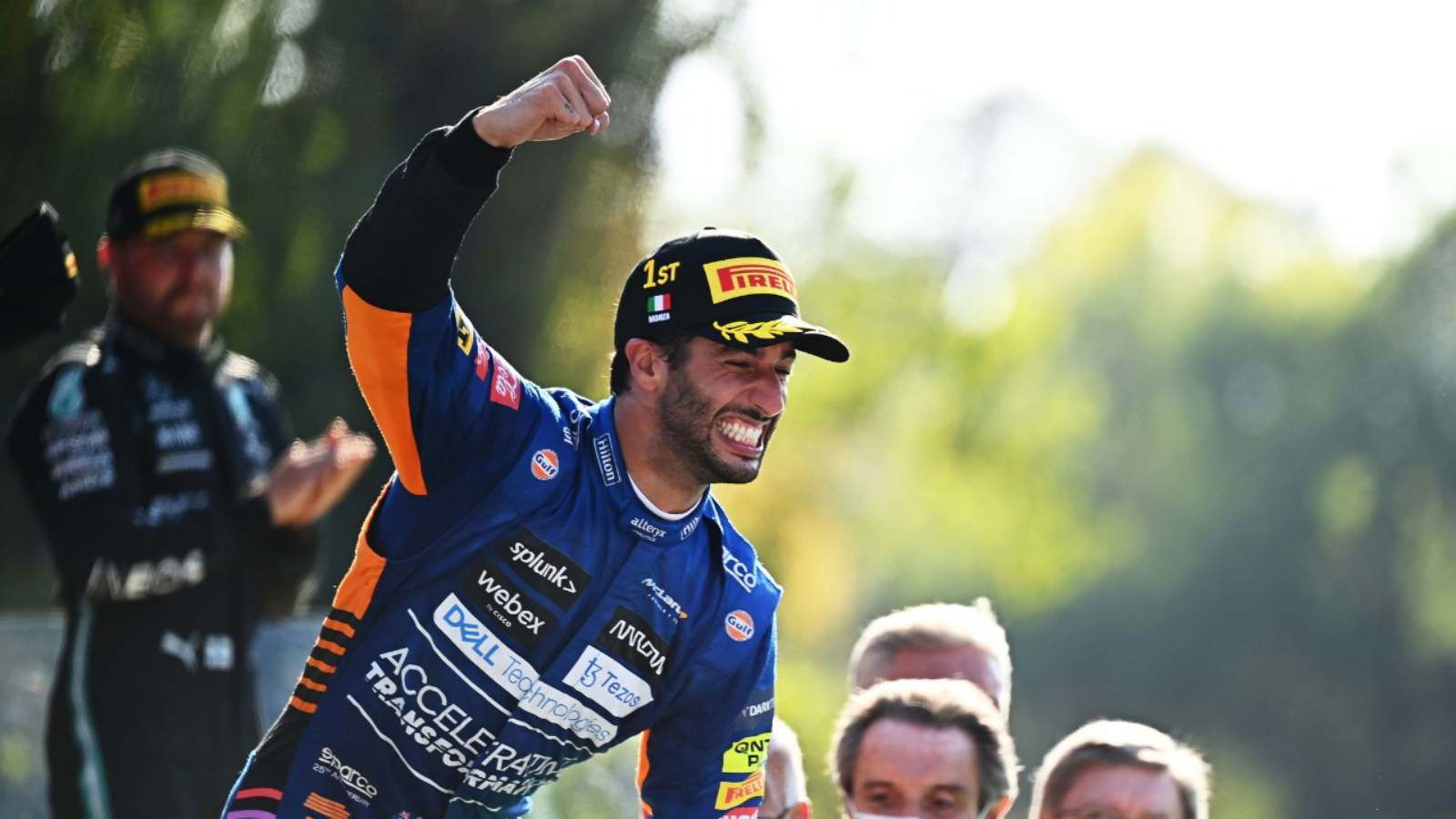
| McLaren F1 Team (2021–2022) | Monza Grand Prix victory (2021) | Overcoming severe technical adaptation through sheer tenacity |
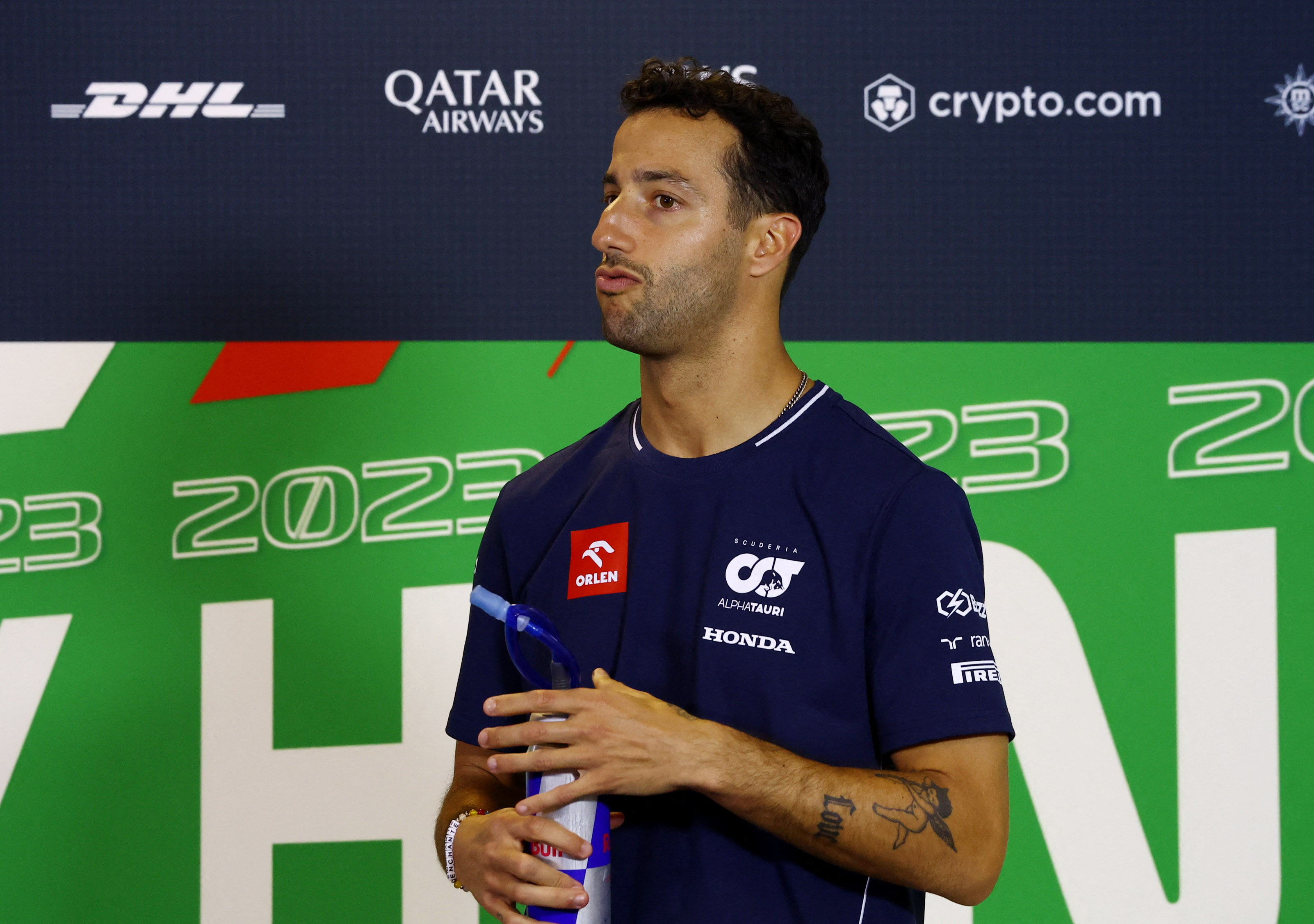
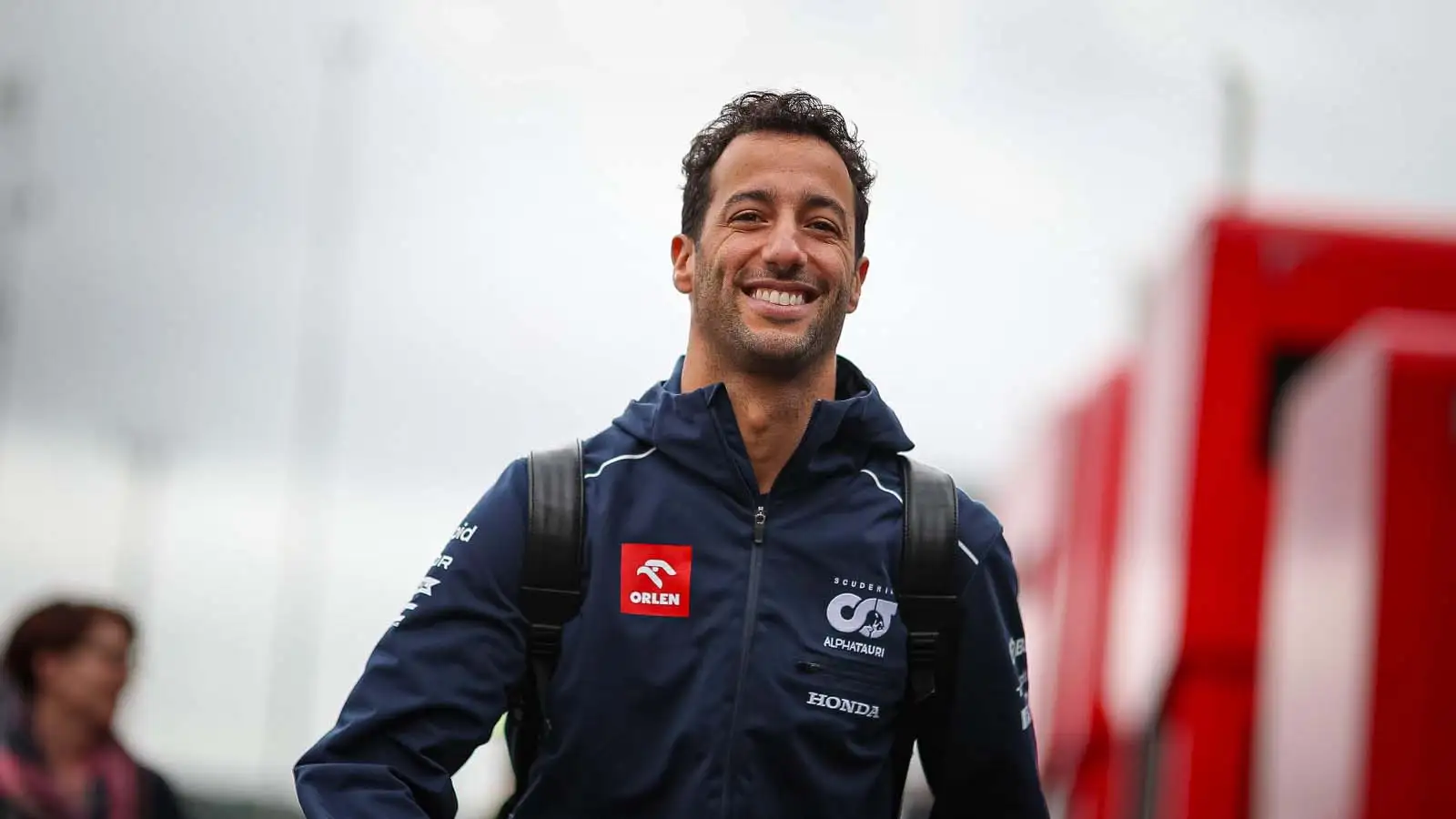
| Scuderia AlphaTauri / RB (2023–2024) | Mid-season comeback and veteran mentorship | Channeling historical grit to reclaim a competitive seat |
However, the relentless pursuit of this aggressive driving style also presented unique challenges. When Ricciardo transitioned to McLaren in 2021, he struggled immensely to adapt his signature late-braking technique to the aerodynamic and mechanical characteristics of the MCL35M chassis. The Honey Badger identity, which had previously thrived on adaptability and raw instinct, collided with a car that required a fundamentally different driving approach. This friction highlighted the psychological weight of maintaining a high-performance persona while battling machinery that refused to yield to traditional methods.
Commercial Value and Global Fan Engagement
Outside the cockpit, the impact of the Honey Badger brand on Ricciardo’s commercial viability cannot be overstated. Formula 1 drivers frequently struggle to break through into mainstream pop culture due to the technical nature of the sport and the heavy sponsorship obligations that mask individual personalities. Ricciardo bypassed these traditional barriers by fully integrating the Honey Badger aesthetic into his merchandise, helmet designs, and public appearances.
The branding created a distinct commercial ecosystem:
- Custom Merchandise: Honey Badger-themed caps, hoodies, and accessories became some of the best-selling apparel in the Formula 1 paddock, appealing to fans of all ages.
- Media Crossover: His infectious personality, amplified by the persona, made him a breakout star of Netflix’s Drive to Survive, expanding his fanbase exponentially in North America and beyond.
- Endorsement Power: Global brands sought partnerships not just with a race-winning driver, but with an engaging lifestyle personality whose marketability transcended race weekends.
This commercial strength insulated Ricciardo from the traditional volatility of driver markets. Even during periods of competitive struggle, his market value remained exceptionally high because his personal brand delivered unprecedented engagement for team sponsors and event organizers alike.
Psychological Dimensions and Self-Identity
The intersection of a public alter ego and a high-stakes athletic career creates complex psychological dynamics. For Ricciardo, the Honey Badger persona served as both armor and amplification. When facing intense media scrutiny or performance slumps, the persona provided a narrative framework of resilience—reminding fans and critics alike that the animal never backs down from a fight.
At the same time, maintaining this larger-than-life identity required careful emotional management. Formula 1 drivers operate under immense physical and mental pressure, and the expectation to constantly embody a fearless, smiling predator can become burdensome during prolonged periods of underperformance. Yet, Ricciardo managed to separate the performance pressure from his authentic self, using the Honey Badger as a conduit for his competitive fire while retaining his trademark sportsmanship and camaraderie within the paddock.
Frequently Asked Questions
Why is Daniel Ricciardo called the Honey Badger?
Daniel Ricciardo adopted the nickname because the honey badger is known as the world's most fearless animal. He felt this accurately reflected his aggressive, opportunistic racing style on the track, which sharply contrasted with his friendly, smiling demeanor off it.
How did the Honey Badger persona affect his driving style?
The persona directly influenced his willingness to attempt high-risk, late-braking overtaking maneuvers. It encouraged a proactive, attacking mindset on race days, leading to memorable victories where he capitalized on the smallest margins against championship contenders.
Did the Honey Badger brand help his career outside of racing?
Yes, the distinct branding significantly boosted his commercial value, merchandise sales, and mainstream media appeal. It helped him become one of the most recognizable faces in global motorsport and a central figure in expanding Formula 1's popularity in new markets.
Did the persona ever conflict with his career challenges?
While the persona symbolized resilience, it also created high expectations during difficult technical periods, such as his challenging stint at McLaren. However, it ultimately served as a psychological anchor that helped him maintain public support and navigate career transitions.
Conclusion and Legacy
The impact of the Honey Badger on Daniel Ricciardo’s career extends far beyond race statistics and podium finishes. It redefined how a modern racing driver can build a lasting cultural footprint through authenticity, aggressive talent, and memorable branding. By merging an elite competitive edge with an approachable, vibrant personality, Ricciardo ensured that the Honey Badger legacy remains permanently etched into the history of Formula 1.
Image Gallery