Understanding Business Mileage 2023: Principles and Compliance
Understanding business mileage 2023 refers to the specific Internal Revenue Service (IRS) standards and record-keeping requirements established for that tax year regarding the deduction of vehicle-related business expenses. Successfull...
Understanding business mileage 2023 refers to the specific Internal Revenue Service (IRS) standards and record-keeping requirements established for that tax year regarding the deduction of vehicle-related business expenses. Successfully navigating these rules involves maintaining precise documentation of distance, purpose, and dates to ensure compliance when filing corporate or individual tax returns for that historical period.
Contents
The Significance of the 2023 Tax Year Framework
When reviewing tax obligations or historical financial filings from 2023, it is essential to distinguish between the various standard mileage rates that applied during that specific calendar year. Unlike general business expense tracking, which remains consistent, the deductible amount for business mileage is subject to periodic adjustment by the IRS based on fuel costs and transportation inflation.
For the 2023 tax year, the IRS set the standard business mileage rate at 65.5 cents per mile. This rate was an increase from previous periods and was intended to reflect the rising costs of vehicle operation, including fuel, maintenance, insurance, and depreciation. Understanding this figure is the cornerstone of reconciling business travel expenses for that year. If you are currently auditing or amending returns for 2023, you must use this specific 65.5-cent multiplier rather than current-year rates to calculate the appropriate deduction.
Qualifying as Business Mileage
Not every mile driven in a personal or company-owned vehicle qualifies for a business tax deduction. To be eligible under the 2023 guidelines, the travel must be directly related to the taxpayer’s trade or business.
Common qualifying scenarios include:
- Client Meetings: Driving from your primary office to a client site for a scheduled meeting or presentation.
- Business Errands: Travel to bank branches for business deposits, post offices for shipping inventory, or supply stores for office materials.
- Job Sites: Travel between multiple worksites, such as a contractor visiting several construction locations throughout the day.
- Professional Development: Driving to attend industry-specific conferences, workshops, or seminars that are necessary for the maintenance or improvement of your professional skills.
It is equally important to note what does not qualify. Personal commuting—defined as the daily travel between your home and your principal place of business—is considered a non-deductible personal expense. Understanding this distinction is vital for avoiding audit flags. If a taxpayer works from home, the home office must meet specific IRS criteria (regular and exclusive use) to potentially classify travel to other locations as business-related rather than commuting.
Mandatory Documentation Requirements
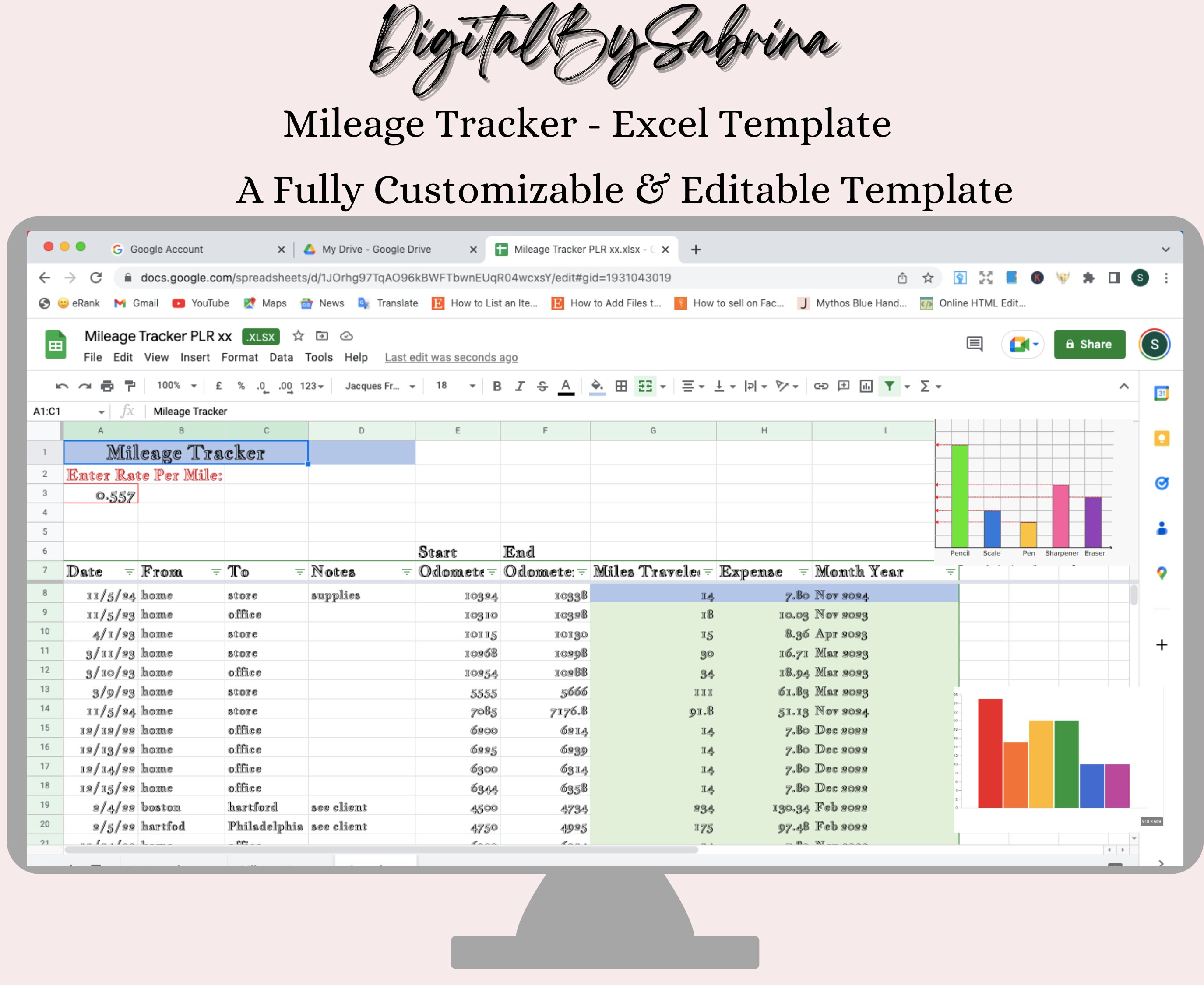
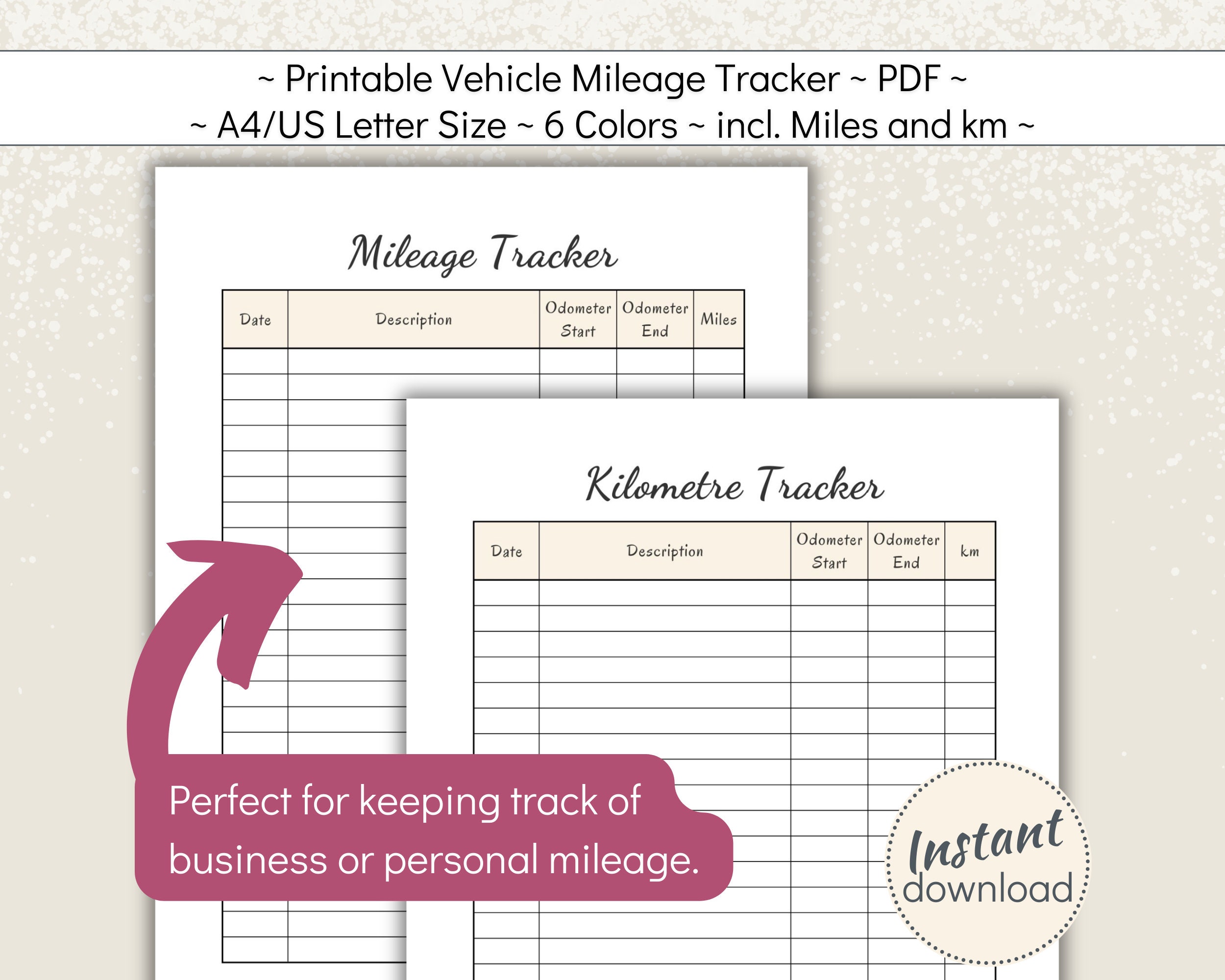
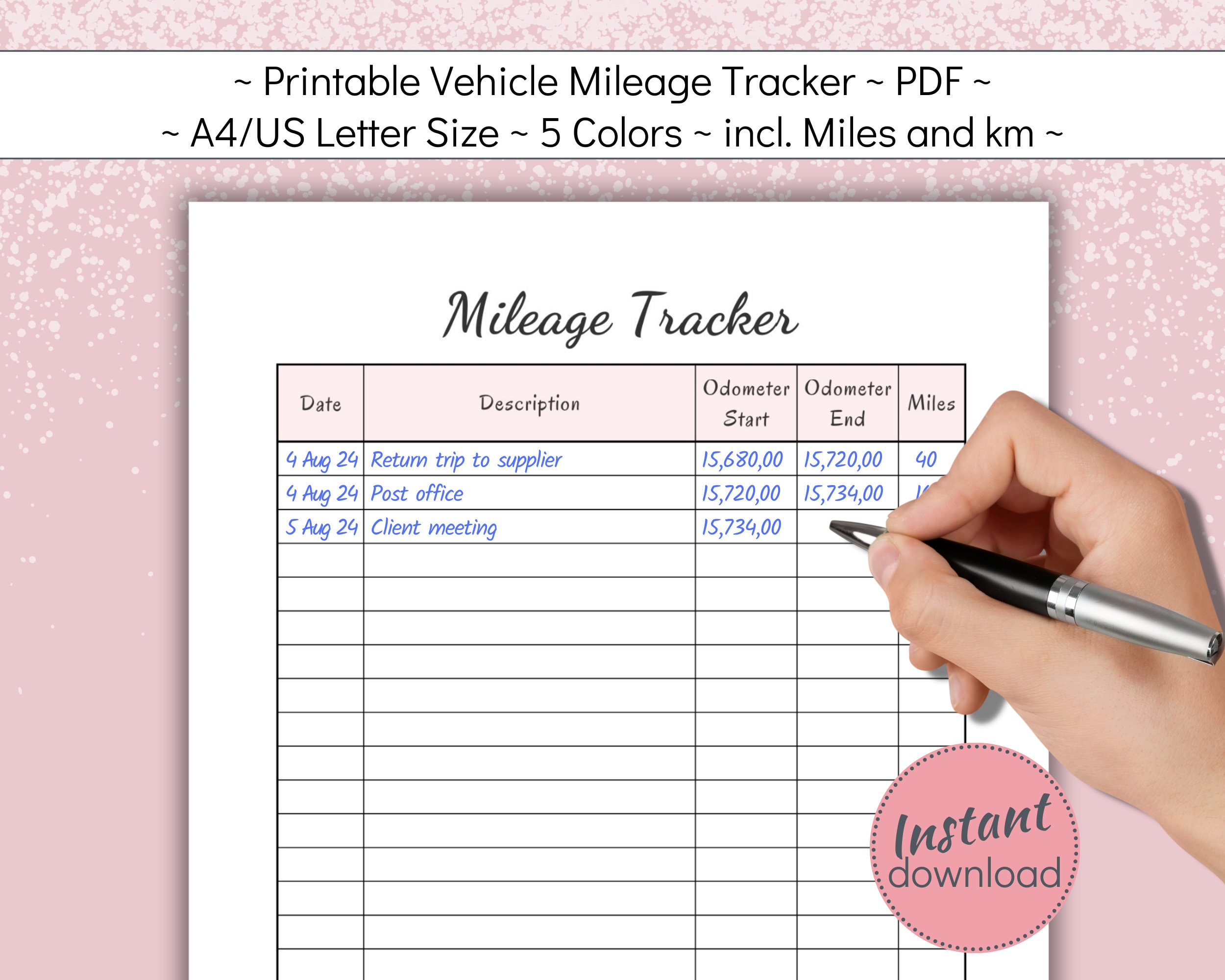
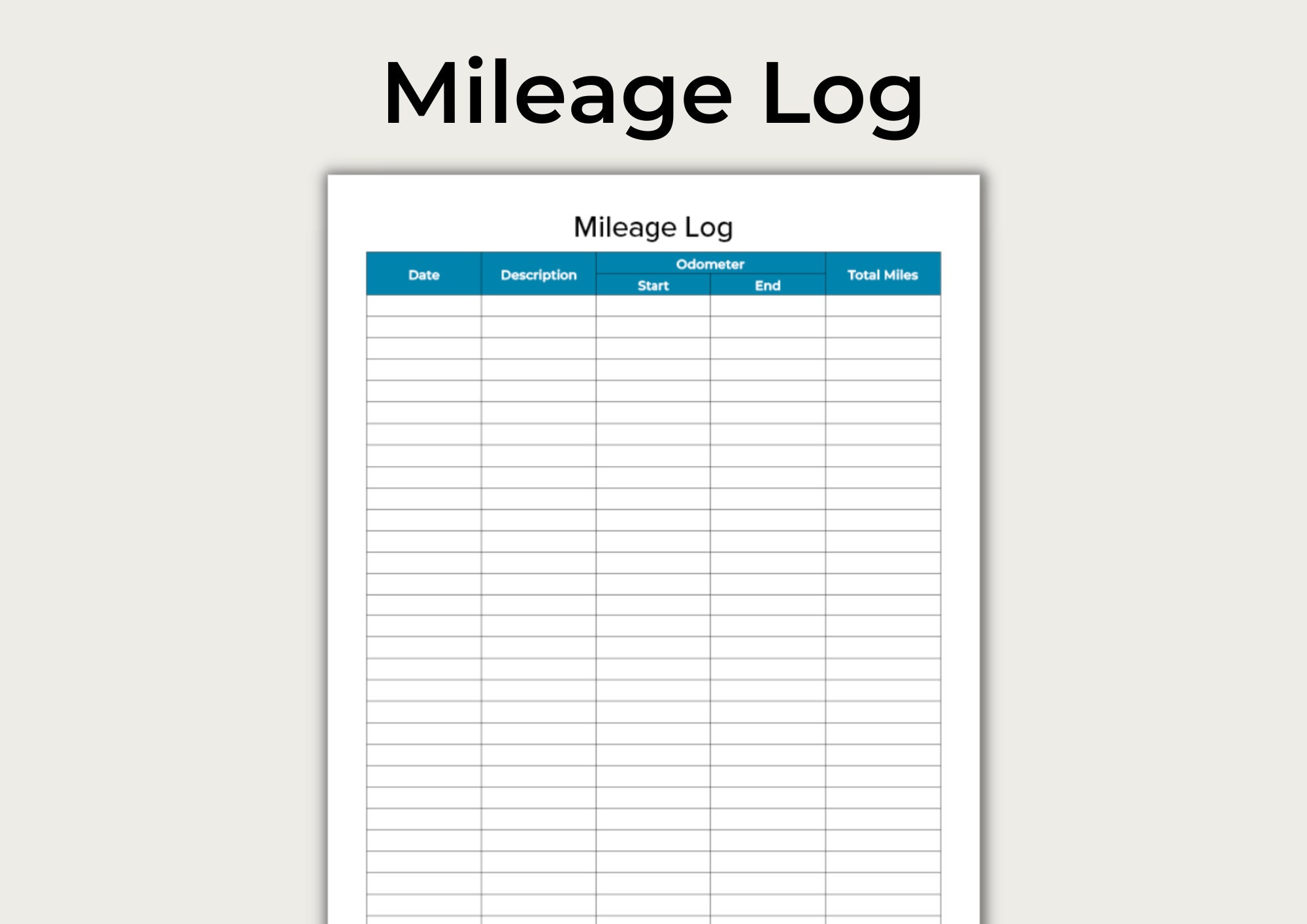
The IRS requires "contemporaneous" record-keeping, meaning the logs should be maintained at or near the time the driving occurred. Relying on memory or reconstructed logs at the end of the year is generally insufficient in the event of an audit.
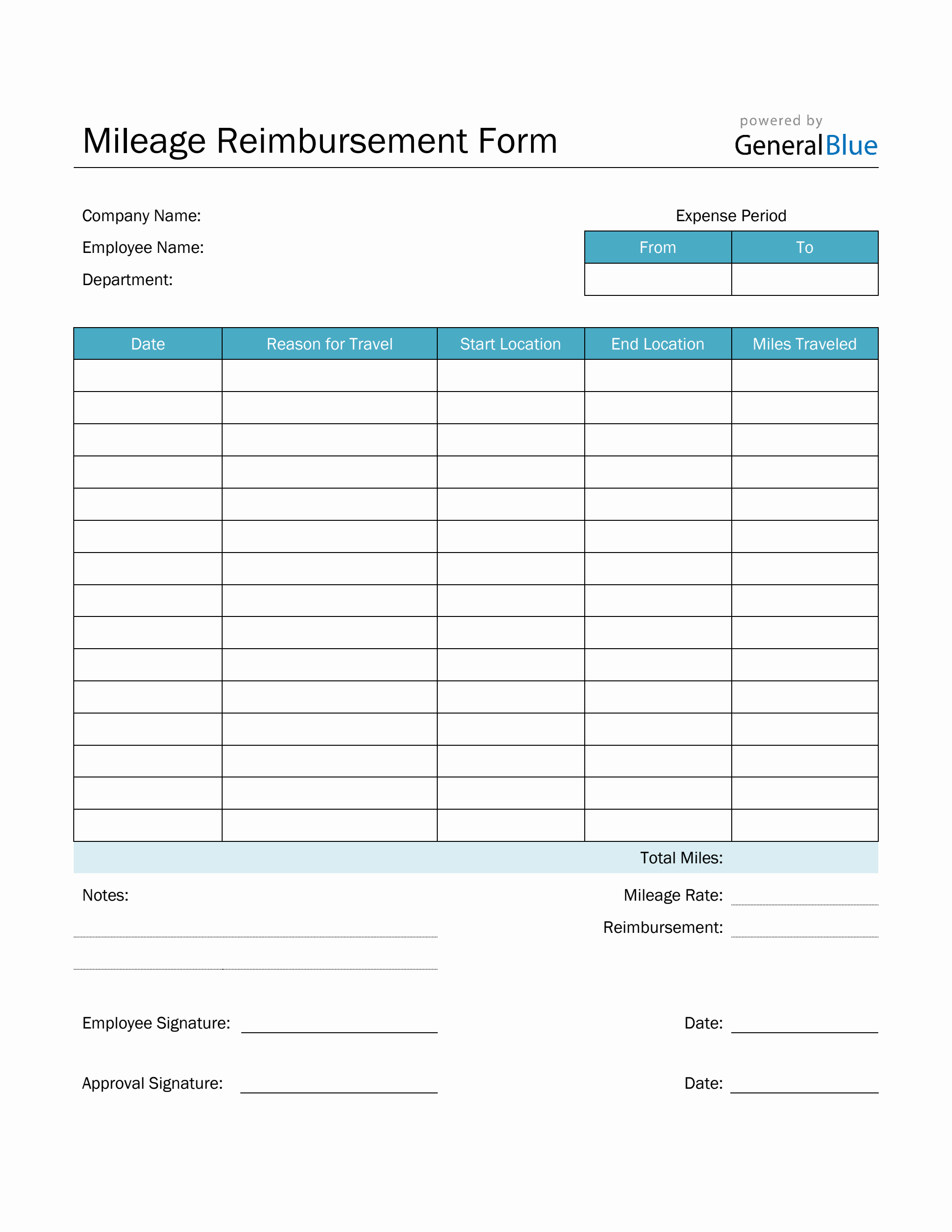
For every trip claimed as business mileage in 2023, you must be able to produce:
- Date: The exact day the trip took place.
- Mileage: The total number of business-related miles driven (odometer readings are the most reliable evidence).
- Destination: The specific address or location where the business activity occurred.
- Purpose: A concise description of the business reason for the trip (e.g., "Meeting with ABC Corp regarding contract renewal").
Failure to provide this level of detail can lead to the disallowance of the entire deduction. Many taxpayers use digital mileage tracking applications, which automate the recording of dates and distances using GPS data. However, even when using software, the user must manually input the "business purpose" for each trip, as automated tools cannot inherently know the intent behind a commute.
Comparing Methods: Standard Rate vs. Actual Expenses
Taxpayers have two primary methods for calculating vehicle deductions: the Standard Mileage Rate and the Actual Expenses Method. While the Standard Mileage Rate is the most common due to its simplicity, it is not always the most beneficial.
| Feature | Standard Mileage Rate | Actual Expenses Method |
|---|---|---|
| Complexity | Low (Multiplier-based) | High (Requires granular tracking) |
| Requirement | Total business miles | Gas, insurance, repairs, lease/depreciation |
| Eligibility | Must use in first year of use | Open to most business vehicles |
| Flexibility | Cannot switch easily | Can switch to standard in later years |
If you opt for the Standard Mileage Rate, you are essentially bundling the costs of gas, oil, tires, insurance, and registration into a single per-mile figure. If your vehicle has high operating costs or you drive fewer miles, the Actual Expenses Method might yield a higher deduction. However, the Actual Expenses Method requires meticulous tracking of every receipt and a percentage-of-use calculation based on total versus business miles.
Common Pitfalls and Troubleshooting
A frequent error in 2023 mileage reporting is the misclassification of commuting miles as business miles. Taxpayers often assume that if they stop for a business errand on the way to the office, the entire trip becomes deductible. Under IRS rules, only the deviation or the specific business-related portion of that trip typically qualifies, not the entirety of the commute.
Another common issue is the lack of verifiable logs. If your only evidence is a monthly total of miles without supporting trip details, the IRS may reject the claim. If you find your records for 2023 are incomplete, it is recommended that you consult a tax professional before attempting to file an amended return or reporting the deduction on a late return. They can help evaluate whether you have enough supplemental evidence—such as calendar entries, client invoices, or emails confirming meeting times—to provide a reasonable estimation of business usage.
Frequently Asked Questions
Can I claim mileage for my spouse if they drive me to business meetings? No. You can only deduct business mileage for a vehicle that you own or lease and operate yourself. The cost of hiring a driver or having a family member drive is generally considered a personal expense.
Do I need to track mileage if I use a company-provided car? Yes. Even with a company vehicle, you are generally required to report the portion of use that is personal versus business. This is often handled through a "fringe benefit" calculation or by tracking non-business use throughout the year.
Is there a limit on how many business miles I can claim? There is no absolute cap on the number of business miles you can claim, provided that the travel was necessary for your business and is fully documented. However, unusually high mileage relative to your industry or reported income may trigger a closer review by the IRS.
What happens if I forget to record a trip? If you have a gap in your logs, the deduction for those specific miles may be disallowed. While you can attempt to reconstruct the log using digital calendars, sent emails, and receipts, reconstructed records are viewed with higher skepticism than contemporaneous logs.
Can I deduct parking and tolls in addition to the 2023 mileage rate? Yes. The standard mileage rate is intended to cover the costs of operating the vehicle itself. Separate business-related costs, such as parking fees and tolls incurred during business travel, are fully deductible in addition to the standard mileage rate.
Recommendation
For those reconciling 2023 business mileage, prioritize the assembly of a contemporaneous log. If you are preparing to file or amend a return, compile your digital calendars, gas receipts, and any GPS-based travel logs into a single, chronological report. Ensure that every entry lists the date, the destination, the business purpose, and the total miles. If you were a sole proprietor or independent contractor in 2023, this information should be prepared alongside your Schedule C (Form 1040). Consult a certified tax professional to determine if you meet the specific vehicle eligibility requirements under the 2023 guidelines before finalizing your submission.
Disclaimer: This article is for informational purposes only and does not constitute formal tax or legal advice. Tax laws are subject to change and jurisdictional interpretation. Please consult with a qualified accountant or tax advisor regarding your specific financial situation and eligibility for deductions.
Image Gallery