Implementing Kids Pen Pals in Schools: A Guide for Educators
Establishing a pen pal program for students in schools provides a structured, high-engagement method for developing literacy, cross-cultural awareness, and social-emotional skills. By connecting classrooms through traditional correspon...
Establishing a pen pal program for students in schools provides a structured, high-engagement method for developing literacy, cross-cultural awareness, and social-emotional skills. By connecting classrooms through traditional correspondence, educators can bridge geographical divides and foster long-term student engagement. Success in these programs requires a clear pedagogical framework, strict adherence to student safety protocols, and proactive coordination with partner institutions to ensure that the exchange remains consistent and educationally relevant.
Contents
The Educational Value of Pen Pal Programs
Pen pal initiatives function as more than simple letter exchanges; they are functional literacy tools. When students write for a real-world audience rather than just for a teacher, their writing quality, vocabulary usage, and syntactic complexity often improve. This authentic communication creates a sense of purpose that encourages students to edit their work, practice handwriting or keyboarding skills, and develop their unique voice.
Beyond technical literacy, these programs are essential for social-emotional learning. By interacting with peers from different regions or cultures, students practice empathy and gain first-hand exposure to perspectives outside their own immediate environment. This experiential learning helps move history, geography, and social studies out of the textbook and into a personal, conversational context.
Prerequisites for School-Based Correspondence
Before launching a program, educators must verify that their district policies permit external communication. Many school districts have strict privacy regulations concerning the disclosure of student identity.
- Administrative Approval: Confirm with school leadership that external partnerships comply with the Family Educational Rights and Privacy Act (FERPA) in the United States or equivalent international data protection standards.
- Parental Consent: Obtain signed permission slips for all participating students. These documents must explicitly inform parents that student first names—and potentially locations—will be shared with a partner classroom.
- Logistics and Budget: Determine how correspondence will be managed. Traditional mail requires a budget for postage and stationery, while digital platforms—if used as a bridge—require device access and content filtering.
- Partner Compatibility: Select a partner classroom that aligns with your students’ age range and curricular goals. Attempting to match a primary school group with a secondary school group often leads to mismatched engagement levels and communication barriers.
Safety and Privacy Protocols
The physical or digital safety of students is the primary concern when managing pen pal programs. Never allow students to share home addresses, personal phone numbers, or social media handles. All correspondence must be filtered through the classroom teacher.
- The Teacher-Proxy Model: All letters (inbound and outbound) should be collected by the lead teacher. Teachers should review every piece of correspondence before it is distributed or sent out. This prevents inappropriate content and ensures that students do not share PII (Personally Identifiable Information).
- Anonymity Standards: Use only first names. For physical mail, all letters should be sent as a package from "Teacher Name, School Name, School Address" to the partner teacher, rather than individual students mailing letters independently.
- Digital Integrity: If using digital platforms to facilitate communication, ensure the platform is FERPA and COPPA (Children’s Online Privacy Protection Act) compliant. Avoid unvetted third-party apps that data-mine student interactions.
Comparing Communication Methods
Choosing the right medium for correspondence impacts the frequency and depth of student interactions.
| Method | Speed | Cost | Literacy Focus |
|---|---|---|---|
| Traditional Mail | Low (Weeks) | Moderate | Handwriting & Patience |
| Email/Digital | High (Days) | Low | Typing & Digital Literacy |
| Video Exchange | Instant | Low | Oral Communication |
| Hybrid | Variable | Low-Moderate | Comprehensive Skills |
Traditional mail offers the benefit of a "tangible experience," which often excites younger students. Conversely, digital exchanges allow for more frequent interaction, which can help sustain momentum throughout the school year.
Structuring the Classroom Routine
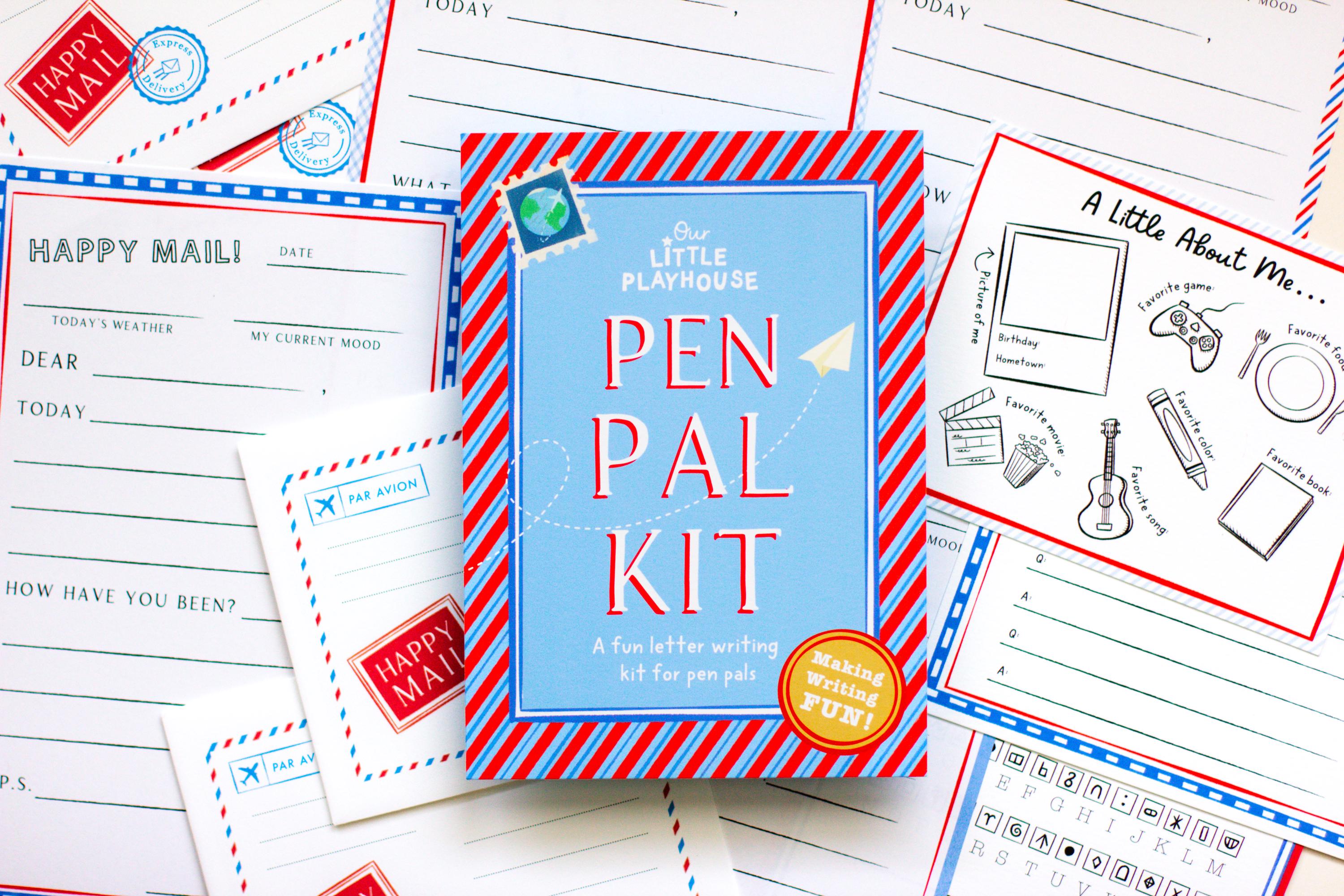
To prevent the project from becoming a burden, integrate it into existing language arts or social studies curricula. Rather than treating it as an "extra" activity, designate specific "Pen Pal Days" where students dedicate class time to drafting responses, revising based on teacher feedback, and discussing the contents of the letters received.
Drafting Content
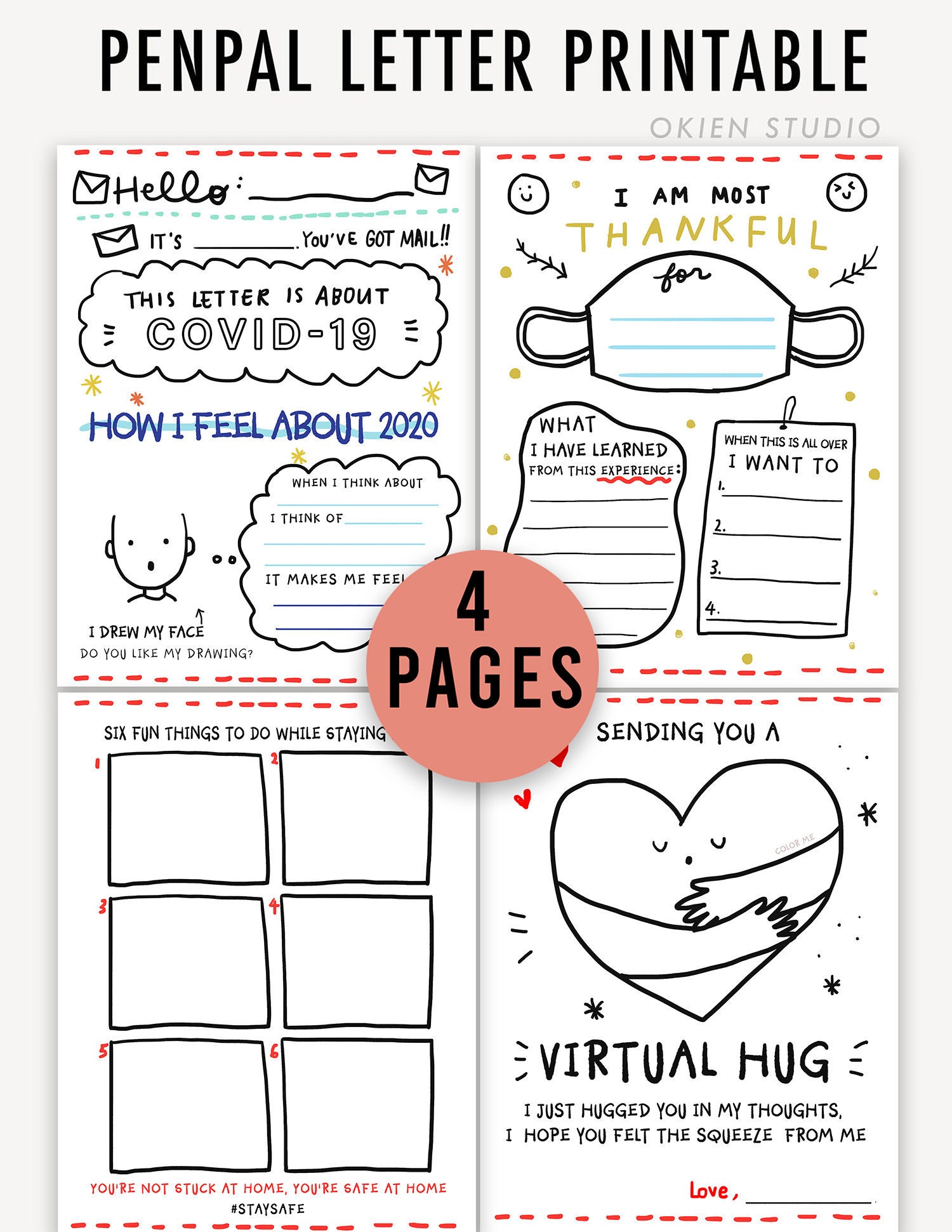
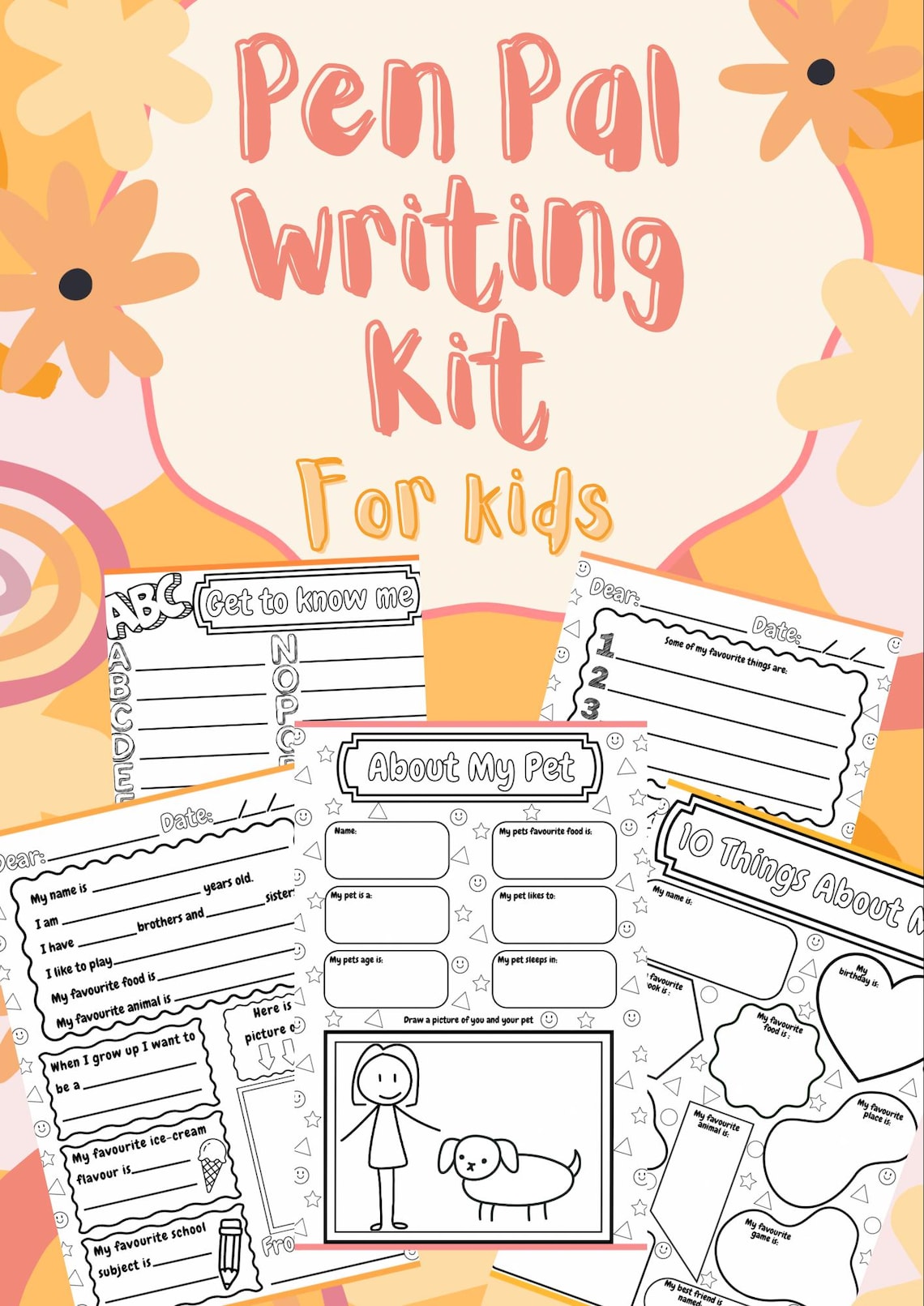
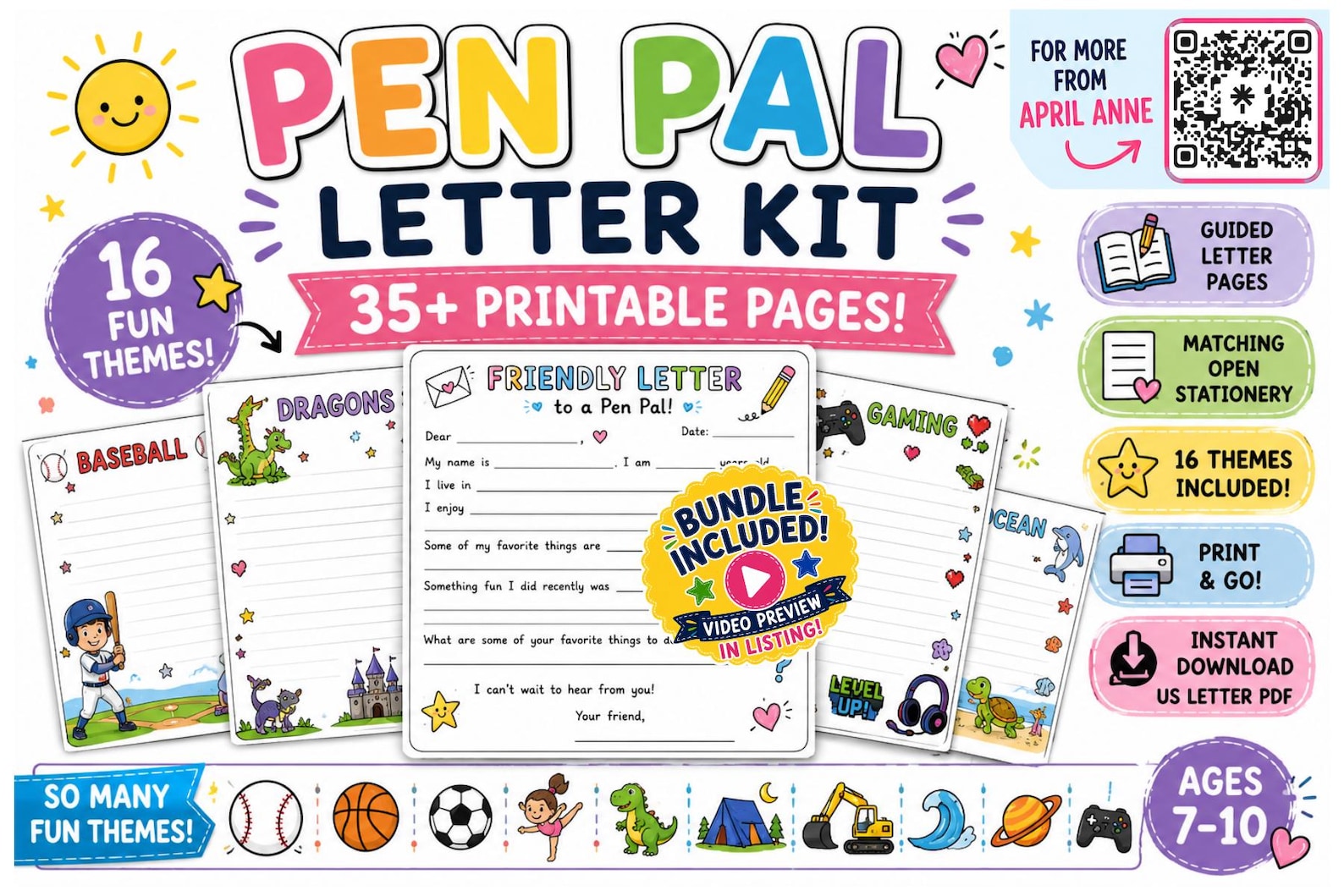
Guide students with prompts that ensure their letters are informative and engaging. Suggest topics such as local daily routines, favorite academic subjects, unique geographical features of their town, or school traditions. This structured approach helps students who may struggle with creative writing to formulate coherent, interesting thoughts.
Managing Expectations
The most common point of failure for school pen pal programs is the loss of momentum. If a partner classroom fails to reply, students become discouraged. Mitigate this by:
- Establishing a Timeline: Agree on a strict schedule with the partner teacher at the start of the year.
- Drafting Contingency Plans: Have alternative "classroom-to-classroom" activities ready if one school experiences a schedule disruption.
- Managing Delays: Explain to students that mail delivery or school schedules can fluctuate. Framing these delays as part of the "real-world" experience helps maintain patience.
Troubleshooting Common Operational Issues
Even with rigorous planning, challenges such as mismatched group sizes or communication gaps can occur. If a partner class has fewer students than yours, consider rotating students who write or allowing smaller groups to co-author letters.
If communication ceases entirely, attempt to reach the partner educator through an alternative, professional channel. If a connection cannot be re-established after a reasonable period, do not hesitate to seek a new partner. There are several professional networks and educator forums dedicated to pairing classrooms globally, such as the PenPal Schools platform or teacher-focused social media groups, where verifying the identity of the partner educator is much easier than seeking random international contacts.
Frequently Asked Questions
How do I verify the identity of a partner teacher? Verification is best achieved through professional school district directories. When connecting with teachers from other regions, ask them to provide their school email address (usually ending in .edu or a regional school domain). A quick search of the school’s official website can confirm the teacher’s employment.
Can we use pen pals to teach foreign languages? Yes. Biliteracy programs often use pen pals to provide students with authentic language practice. Ensure that you and your partner teacher have a clear agreement regarding which language will be used, or if you will alternate languages to benefit both sets of students.
What is the minimum recommended duration for a program? To see actual improvements in writing and cultural competence, a minimum of one full academic semester is recommended. A single-letter exchange is often insufficient for building the rapport necessary for sustained engagement.
How do we handle cultural misunderstandings? Treat these moments as "teachable opportunities." If a student writes something that reflects a cultural bias or misunderstanding, the reviewing teacher should use this as a private coaching moment to discuss broader cultural context and the importance of respectful, inclusive communication.
Next Actions for Educators
To begin your pen pal program in the 2026 academic year, start by drafting a clear set of objectives. Define whether the goal is to improve literacy, practice a foreign language, or expand cultural knowledge. Once the goal is set, consult your school administration regarding privacy guidelines, and then utilize established, reputable educational networks to find a partner classroom with a similar calendar. Securing a partner in the early weeks of the term is critical to ensure that your students can complete at least three to four meaningful exchanges before the academic year concludes.
Image Gallery