Finding the Best Auto Insurance Coverage in Georgia for 2026
The best auto insurance coverage in Georgia for 2026 balances the state’s mandatory liability requirements with comprehensive financial protections like Uninsured Motorist (UM) and higher liability limits (100/300/100). While Georgia l...
The best auto insurance coverage in Georgia for 2026 balances the state’s mandatory liability requirements with comprehensive financial protections like Uninsured Motorist (UM) and higher liability limits (100/300/100). While Georgia law requires minimum coverage, these levels are often insufficient. Top-rated providers currently include Auto-Owners, Georgia Farm Bureau, and State Farm.
Contents
Georgia’s Legal Requirements vs. Optimal Protection
Navigating the insurance landscape in Georgia requires an understanding of the gap between what the law demands and what a driver needs to remain financially secure. Georgia is an "at-fault" state, meaning the person responsible for an accident is liable for the damages. Consequently, your insurance policy is your primary shield against personal litigation and financial ruin.
The Georgia Minimum: 25/50/25
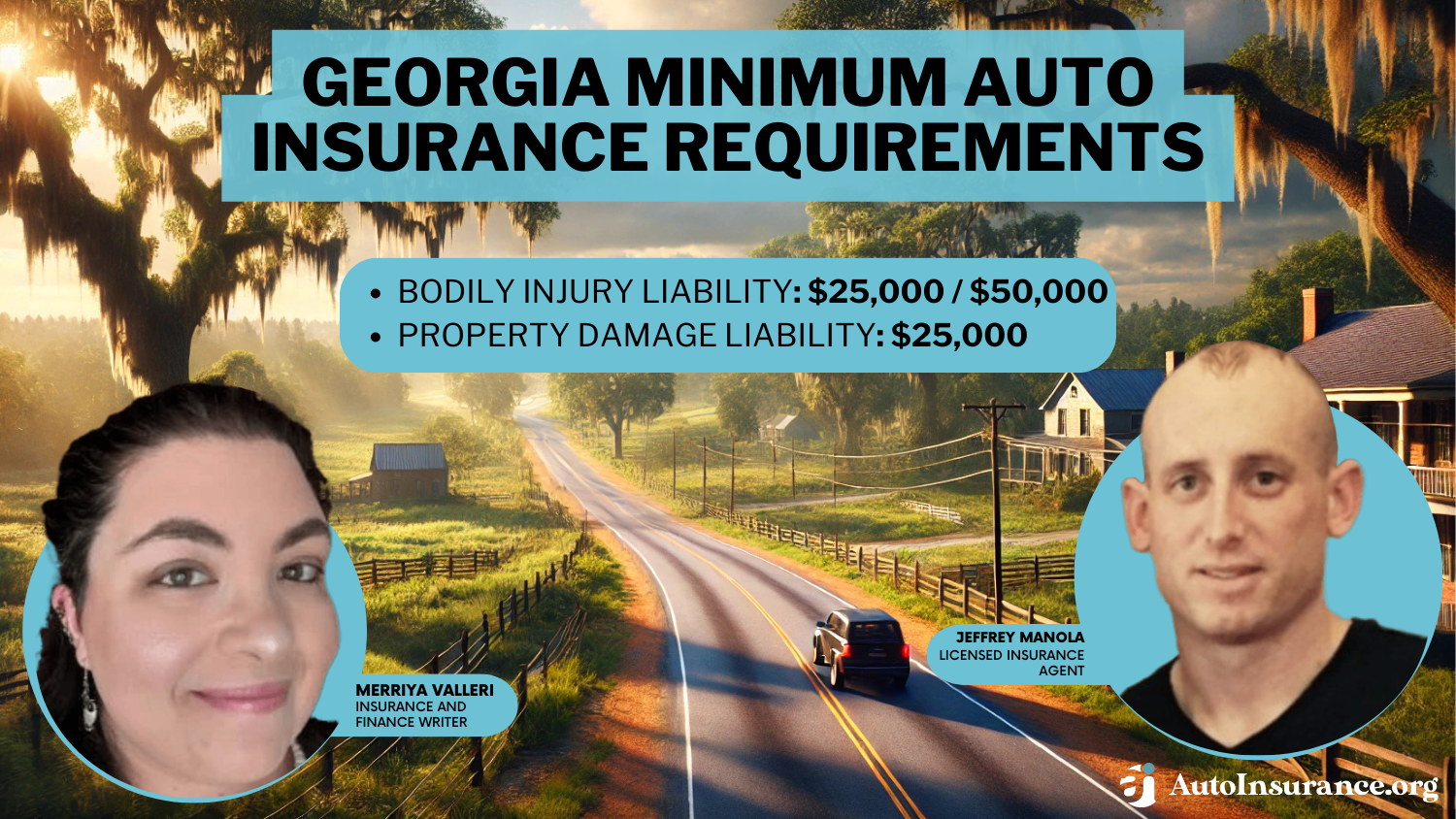
The Georgia Department of Insurance mandates that all drivers carry a minimum amount of liability coverage. As of 2026, these requirements remain:
- $25,000 Bodily Injury Liability per person: The maximum your policy pays for one individual’s medical bills in an accident you cause.
- $50,000 Bodily Injury Liability per accident: The total your policy pays for all injured parties in a single event.
- $25,000 Property Damage Liability: The maximum coverage for damage to another person's vehicle or property.
Why Minimums Are Insufficient in 2026
While these numbers might have seemed adequate a decade ago, the economic reality of 2026 makes them risky. The average price of a new vehicle in the United States now frequently exceeds $50,000. If you are found at fault in an accident that totals a modern electric vehicle or a luxury SUV, a $25,000 property damage limit leaves you personally responsible for the remaining balance.
Similarly, medical inflation has outpaced general economic growth. A single overnight stay in a Georgia trauma center can easily exceed $30,000. If multiple people are injured, the $50,000 "per accident" cap is exhausted almost instantly, allowing victims to pursue your personal assets, such as your home or future wages, to cover the difference.
The Recommended Standard: 100/300/100
For most Georgia drivers, insurance experts recommend "100/300/100" coverage. This provides $100,000 per person for bodily injury, $300,000 per accident, and $100,000 for property damage. This level of coverage provides a robust safety net that protects most middle-class assets and aligns with the requirements of many umbrella insurance policies.
Essential Coverage Types for Georgia Drivers
Beyond liability, a "best" policy in Georgia includes several optional coverages that address specific regional risks, such as high rates of uninsured drivers and frequent deer-related collisions in rural areas.
Uninsured and Underinsured Motorist (UM/UIM)
Georgia consistently ranks high for the percentage of uninsured drivers on the road. UM/UIM coverage is perhaps the most critical "optional" component of a Georgia policy. It protects you if you are hit by a driver who has no insurance or whose limits are too low to cover your damages.
In Georgia, you must choose between two types of UM coverage:
- Reduced/Difference in Limits: This coverage pays the difference between your UM limit and the at-fault driver’s liability limit. If they have $25k and you have $50k, your policy pays only the $25k difference.
- Added-On (New): This is the superior option. It adds your full UM limit on top of whatever the at-fault driver carries. If they have $25k and you have $50k, you have a total of $75k available for your recovery.
Collision and Comprehensive
While liability covers others, these cover your own vehicle. Collision coverage pays for damage to your car resulting from a crash with another vehicle or object, regardless of fault. Comprehensive coverage protects against "acts of God" and non-collision events common in Georgia, such as falling tree limbs during severe thunderstorms, hail damage, theft, and collisions with animals.
Given Georgia’s susceptibility to sudden weather shifts and suburban wildlife, comprehensive coverage is a vital investment for vehicles less than ten years old.
Medical Payments (MedPay)
MedPay in Georgia is a no-fault coverage that pays for medical or funeral expenses for you and your passengers. Unlike health insurance, MedPay typically has no deductible or co-pay. In Georgia, it can also cover you if you are injured as a pedestrian or a cyclist in a traffic incident. It serves as a crucial immediate-funding source while liability claims are being settled, which can often take months.
Leading Auto Insurance Providers in Georgia (2026)
Selecting the best insurer involves weighing premium costs against claims reputation and local presence. In 2026, the following companies distinguish themselves in the Georgia market.
| Provider | Best Known For | Typical Discounts | Claims Satisfaction |
|---|---|---|---|
| Auto-Owners | Customer Service | Multi-policy, Paid-in-Full, Life Insurance Bundle | Very High |
| Georgia Farm Bureau | Local Expertise | Membership-based, Safe Driver, Student | High |
| State Farm | Accessibility | Drive Safe & Save, Good Student, Steer Clear | High |
| Progressive | Competitive Tech | Snapshot (Telematics), Name Your Price Tool | Moderate |
| GEICO | Affordability | Military, Federal Employee, Multi-car | Moderate |
| USAA | Military Families | Military installation, Safe Driver, Family | Excellent |
Auto-Owners Insurance
Auto-Owners is a perennial favorite for drivers who value a personalized experience. They operate exclusively through independent agents, meaning you have a local advocate to help navigate claims. In Georgia’s complex regulatory environment, having an agent who understands local "Diminished Value" laws (explained below) is a significant advantage.
Georgia Farm Bureau
For those residing outside the immediate Atlanta metro area, the Georgia Farm Bureau offers deeply competitive rates. Because they are a member-based organization focused on Georgia residents, their risk pools are often more stable than national carriers. They are particularly strong in providing combined home and auto packages for suburban and rural property owners.
State Farm
With the largest network of captive agents in Georgia, State Farm is the "boots on the ground" leader. Their "Drive Safe & Save" telematics program has become highly sophisticated by 2026, offering significant discounts for drivers who avoid peak Atlanta traffic hours and practice safe braking habits.
The "Diminished Value" Factor in Georgia
Georgia is unique in the United States due to the legal precedent set by Mabry v. State Farm. It is one of the few states where insurance companies are legally required to compensate policyholders for First-Party Diminished Value.
When a vehicle is involved in an accident, its resale value drops even after it is perfectly repaired because it now has an accident history (often visible on reports like CARFAX). In Georgia, your own insurance company (or the at-fault party's) must pay you for this loss in value. The "best" auto insurance coverage in Georgia is one provided by a company that handles Diminished Value claims transparently rather than forcing the policyholder into a protracted legal battle. When comparing policies in 2026, ask agents how their company calculates the "17c Formula"—the standard but often contested method for determining these payments.
Factors Influencing Georgia Premiums in 2026
Where you live in the "Empire State of the South" dictates your premium more than almost any other factor.
- The Atlanta Metro Effect: Drivers in Fulton, DeKalb, Gwinnett, and Cobb counties consistently pay 20% to 40% more than those in rural South Georgia. This is due to higher traffic density, increased accident frequency, and higher rates of vehicle theft.
- Credit-Based Insurance Scores: Georgia allows insurers to use your credit history as a primary factor in setting rates. In 2026, maintaining a high credit score is as important for your insurance premium as a clean driving record.
- Climate Risks: Increasing instances of "supercell" storms and localized flooding in North Georgia have led to rising comprehensive premiums across the state.
How to Optimize Your Georgia Policy for 2026
To secure the best coverage without overpaying, follow these strategic steps:
- Audit Your UM Selection: Ensure you have "Added-On" Uninsured Motorist coverage. Many budget-tier policies default to "Reduced," which can leave you short-changed after a major accident.
- Leverage Telematics: If you have a short commute or work from home, programs like Progressive’s Snapshot or State Farm’s Drive Safe & Save can reduce premiums by up to 30%.
- Bundle Home and Auto: In Georgia, the bundling discount is particularly aggressive. Insurers prefer "stable" clients who own property, often offering 15-25% off both premiums.
- Review Your Deductible: Moving from a $500 to a $1,000 deductible can significantly lower your monthly payment. However, ensure you have that $1,000 readily available in an emergency fund.
- Check for "Accident Forgiveness": Given the congestion on Georgia’s I-285 and I-75, even the best drivers are at risk. Accident forgiveness prevents your rates from skyrocketing after your first minor at-fault incident.
Frequently Asked Questions
Is Georgia a "No-Fault" state?
No, Georgia is an "at-fault" state. This means the person who caused the accident is responsible for the damages. However, Georgia does allow for "comparative negligence," meaning if you are 20% at fault, your recovery amount may be reduced by 20%. Because of this "at-fault" system, having high liability limits is essential to protect your assets from lawsuits.
What is the average cost of car insurance in Georgia in 2026?
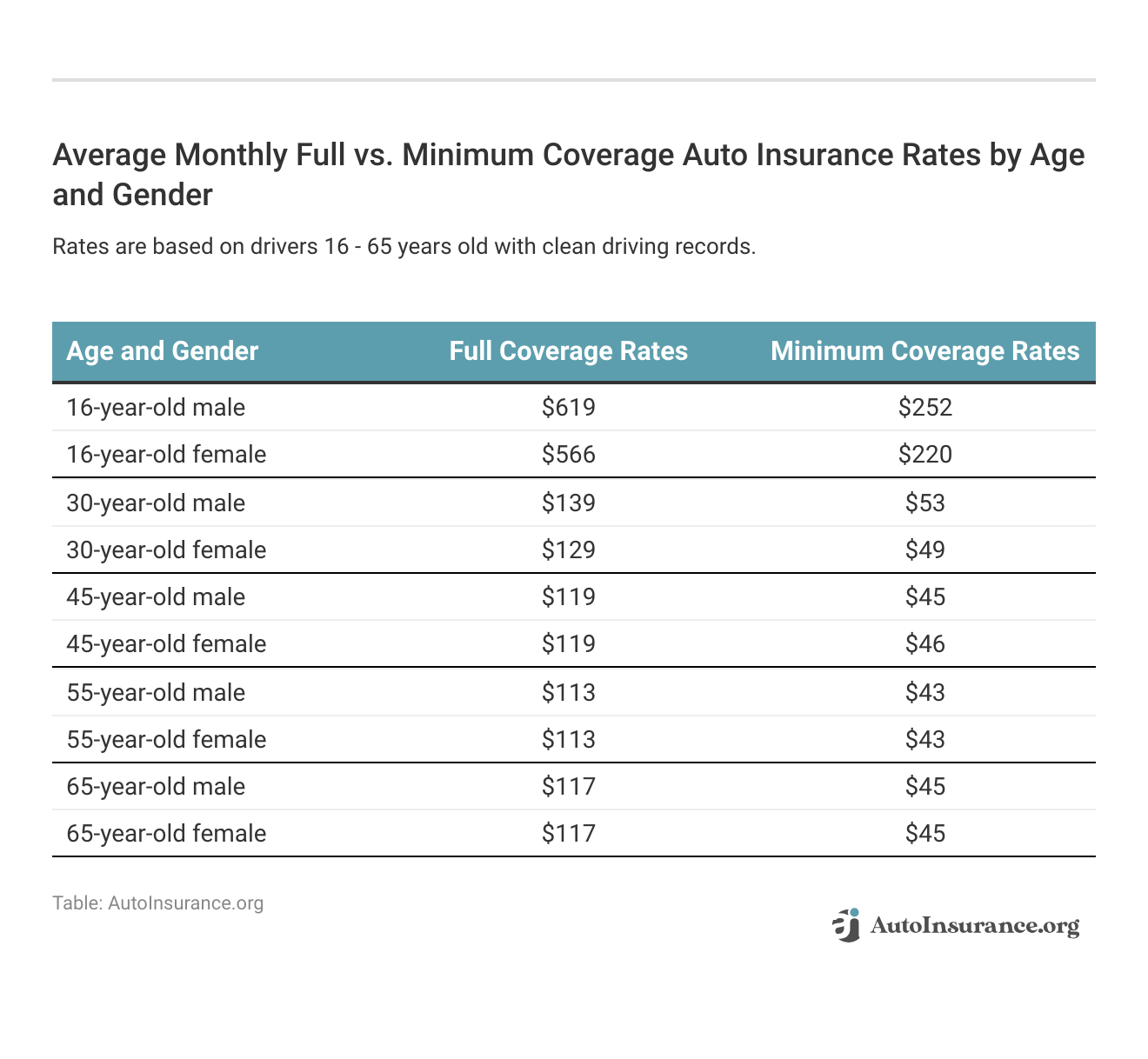
While costs vary wildly by ZIP code, the average Georgia driver in 2026 pays approximately $2,100 to $2,600 per year for full coverage. Atlanta residents should expect to pay on the higher end of that spectrum, while residents in cities like Valdosta or Athens may see rates significantly lower.
Do I need to report a Diminished Value claim myself?
Yes, while insurers are legally required to pay it in Georgia, they may not always volunteer the maximum amount. After your car is repaired, you should formally request a Diminished Value assessment. Many Georgians use independent appraisers to ensure they are receiving a fair settlement based on the Mabry ruling.
Does Georgia require insurance for electric vehicles (EVs) to be different?
The legal requirements are the same, but the "best" coverage for an EV in Georgia usually includes higher property damage limits. Since EVs are more expensive to repair and total, and Georgia’s minimum $25,000 limit is easily surpassed in an EV-related collision, higher limits are a technical necessity for EV owners.
Can I drive in Georgia with out-of-state insurance?
If you are a visitor, your out-of-state policy is generally valid. However, if you move to Georgia, you must register your vehicle and obtain a Georgia-specific insurance policy within 30 days. Georgia's electronic verification system (GEICS) monitors insurance status in real-time; failing to update your policy can lead to immediate registration suspension.
Recommendation for Next Actions
To secure the best auto insurance coverage in Georgia for 2026, begin by requesting quotes for 100/300/100 liability limits with Added-On Uninsured Motorist coverage. Do not settle for the state minimums if you own a home or have significant savings. Contact a local independent agent who can compare rates from regional carriers like Auto-Owners and Georgia Farm Bureau alongside national giants. This "hyper-local" approach ensures you are protected by Georgia's specific laws, including Diminished Value protections, while finding the most competitive rate for your specific ZIP code.
Image Gallery