How to Choose a Sciatica Oil for Effective Topical Pain Relief
Choosing the best sciatica oil involves identifying formulations that combine anti-inflammatory, analgesic, and antispasmodic botanical extracts with high-absorption carrier oils. The right choice depends on whether your main symptom i...
Choosing the best sciatica oil involves identifying formulations that combine anti-inflammatory, analgesic, and antispasmodic botanical extracts with high-absorption carrier oils. The right choice depends on whether your main symptom is sharp nerve radiation, deep gluteal muscle spasms, or localized lumbar stiffness. Prioritize pure, third-party tested ingredients that offer targeted relief without skin irritation.
Contents
Sciatica occurs when the sciatic nerve—the longest nerve in the human body—becomes compressed, irritated, or inflamed. This condition typically originates in the lower lumbar spine or sacral region, radiating pain downward through the buttocks, thighs, and calves. While topical remedies cannot alter underlying structural issues like herniated discs or spinal stenosis, high-quality topical oils can deliver meaningful symptomatic relief by calming surrounding tissue inflammation, relaxing compensatory muscle guarding, and altering local pain signaling.
Selecting an effective oil requires understanding active botanical ingredients, carrier vehicle mechanics, safety parameters, and realistic performance expectations.
Understanding Sciatica and How Topical Oils Work
Topical application for sciatica works primarily on the neuromuscular tissue surrounding the path of the sciatic nerve. When the sciatic nerve sends distress signals to the brain, adjacent muscles in the lower back, piriformis, and hamstrings frequently contract in a defensive reaction known as muscle guarding. This secondary muscle tightness creates a painful feedback loop by exerting additional pressure on the already sensitive nerve.
Topical oils interact with this system through several distinct physiological mechanisms:
- Counterirritation and Gate Control: Compounds such as menthol (found in peppermint oil) and methyl salicylate (found in wintergreen) activate thermal and cutaneous sensory receptors (TRPM8 and TRPV1). By flooding the nervous system with harmless temperature stimuli, these ingredients help block or tone down pain signals traveling along the sciatic nerve—a process explained by the Gate Control Theory of Pain published in NCBI.
- Localized Vasodilation: Warming oils stimulate microcirculation in skin and underlying muscle layers. Improved blood flow brings fresh oxygen and nutrients to hyper-contracted muscles while facilitating the clearance of metabolic waste products like lactic acid.
- Direct Anti-inflammatory Action: Specific lipid-soluble plant compounds penetrate the stratum corneum (the outer skin barrier) to inhibit inflammatory enzymes such as cyclooxygenase (COX-2) and 5-lipoxygenase (5-LOX) within localized subcutaneous tissues.
- Transdermal Transport: Base or carrier oils act as lipid vehicles. Because human skin cells are enveloped in lipid membranes, plant-based fatty acids carry active lipophilic compounds deeper into cutaneous and sub-dermal layers than water-based creams can achieve.
Types of Topical Oils for Sciatica Relief
Navigating the market requires distinguishing between raw essential oils, carrier bases, and pre-formulated commercial blends. Using these terms accurately ensures safe preparation and realistic expectations.
- Sciatica Topical Oils
- Pure Essential Oils (Concentrated botanicals; must be diluted)
- Mentholated / Cooling (Peppermint, Eucalyptus)
- Anti-inflammatory (Frankincense, Turmeric)
- Antispasmodic / Soothing (Lavender, Chamomile)
- Carrier & Macerated Oils (Base vehicles & herbal extracts)
- Deep Absorbing (Jojoba, Sweet Almond, Rosehip)
- Infused / Macerated (Arnica, St. John's Wort)
- Pre-Formulated Blends (Ready-to-use topical remedies)
- Essential Oil & Herbal Massages
- Cannabinoid-Infused (CBD / CBG topical oils)
- Pure Essential Oils (Concentrated botanicals; must be diluted)
1. Essential Oils (Concentrated Extracts)
Essential oils are highly concentrated volatile compounds distilled from leaves, bark, roots, or flowers. They contain the primary therapeutic molecules responsible for cooling, warming, or soothing sensations. Because of their potency, pure essential oils must never be applied directly to the skin for sciatica relief; doing so risks severe chemical irritation, contact dermatitis, or sensitization. They must always be diluted into a carrier oil vehicle.
2. Carrier and Macerated Oils
Carrier oils are cold-pressed vegetable, nut, or seed oils that dilute essential oils and facilitate their transdermal delivery. Some carrier oils also possess inherent therapeutic properties. Macerated (or infused) oils are created by soaking whole medicinal plants in a neutral base oil over several weeks to extract fat-soluble constituents. For nerve discomfort, infused oils like St. John’s Wort (Hypericum perforatum) and Arnica (Arnica montana) serve as both carrier vehicles and active therapeutic agents.
3. Pre-Formulated Commercial Blends
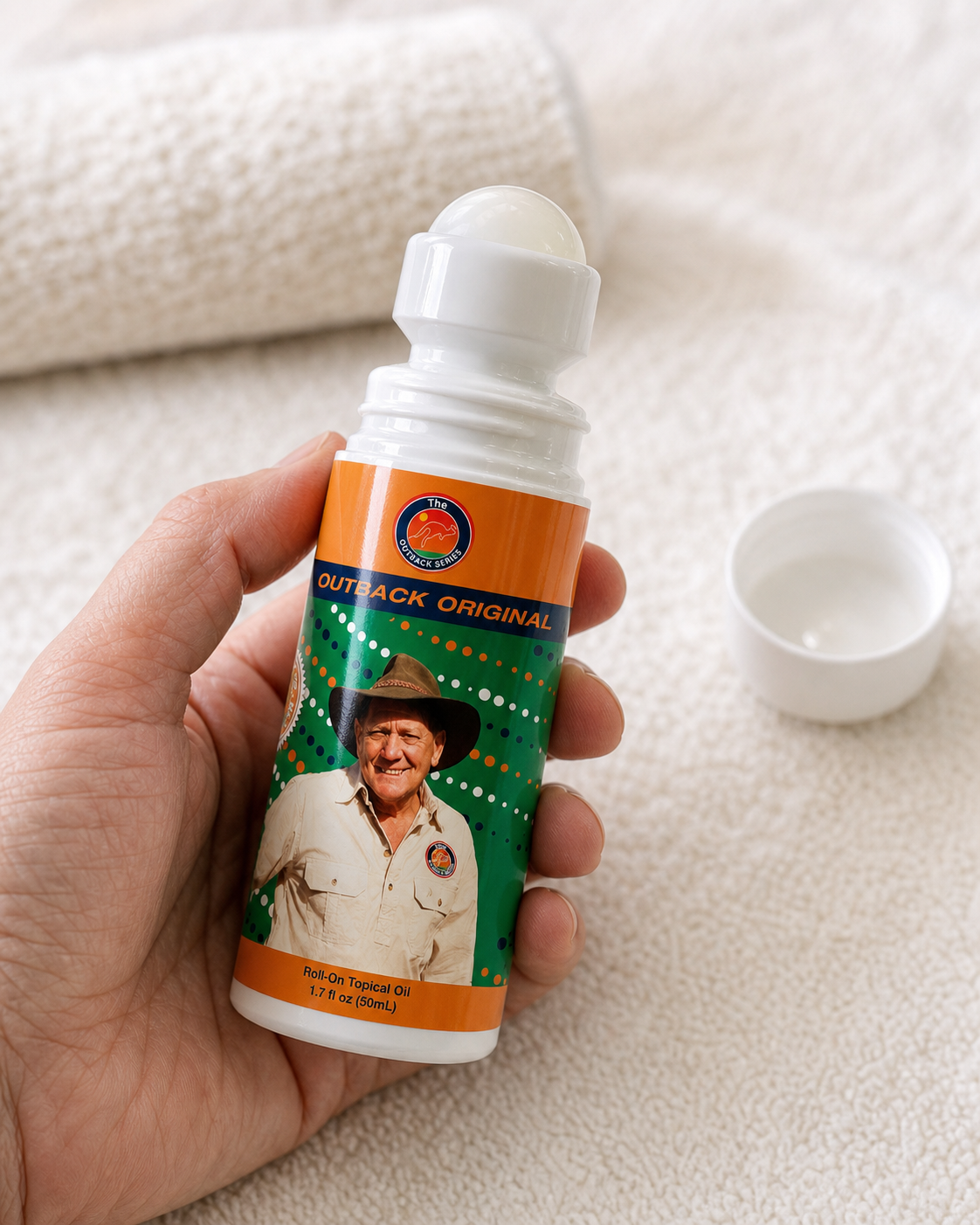
Pre-formulated products combine essential oils, active botanicals, and carrier bases into ready-to-use topical treatments. These products often include standardized concentrations of natural analgesics, such as camphor, menthol, or phytocannabinoids like full-spectrum Cannabidiol (CBD). Pre-blended products offer convenience and consistent dosage, making them ideal for users who prefer not to mix their own oils.
Key Ingredients to Look for in Sciatica Oils
When evaluating ingredient labels, look for compounds supported by traditional botanical use and contemporary clinical research. An effective sciatica oil blend usually combines ingredients across three functional categories: analgesics, anti-inflammatories, and muscle relaxants.
Analgesic and Thermal Distractors
- Peppermint (Mentha piperita): High in natural L-menthol, peppermint oil produces a cooling sensation that calms acute flare-ups and dampens surface pain sensations along the nerve path.
- Wintergreen (Gaultheria procumbens): Contains high concentrations of natural methyl salicylate, a compound structurally similar to aspirin. It creates a warming counterirritant effect that alleviates deep, aching muscular discomfort.
- Eucalyptus (Eucalyptus globulus): Rich in 1,8-cineole (eucalyptol), eucalyptus provides a dual cooling and warming sensation while promoting peripheral vasodilation.
Anti-Inflammatory Agents
- Arnica (Arnica montana): Macerated arnica oil contains sesquiterpene lactones (such as helenalin), which decrease localized edema and tissue swelling around inflamed lower back joints and gluteal trigger points.
- Frankincense (Boswellia serrata): Boswellic acids in frankincense help inhibit pro-inflammatory cytokines, making it useful for chronic inflammatory discomfort in the lumbar and sacral regions.
- Turmeric (Curcuma longa): Contains lipid-soluble curcuminoids that combat oxidative stress and tissue inflammation when absorbed through the skin.
Antispasmodic and Nerve-Calming Botanicals
- St. John’s Wort (Hypericum perforatum): Recognizable by its rich red hue when infused, this oil has a long history in Western herbalism for soothing irritated peripheral nerves and localized neuralgias.
- Lavender (Lavandula angustifolia): Rich in linalool and linalyl acetate, lavender relaxes tense, guarding muscles surrounding the lower spine and pelvis.
- Roman or German Chamomile (Matricaria recutita): Contains chamazulene and bisabolol, which provide mild nerve-soothing and anti-spasmodic effects for tight piriformis muscles.
Sciatica Oil Selection Matrix
Use the matrix below to compare key ingredients, their primary physiological mechanisms, ideal use cases, and safety precautions.
| Ingredient / Oil Type | Primary Mechanism | Best For | Application & Safety Considerations |
|---|---|---|---|
| Peppermint Oil | Sensory counterirritation (TRPM8 receptor activation) | Acute, sharp, shooting nerve sensations | Dilute to 1–2%; avoid near eyes, broken skin, or sensitive membranes. |
| Arnica Infused Oil | Inhibits tissue edema and inflammatory cascade | Deep ache, tissue swelling, and muscular bruising | Apply externally only; do not use on open wounds or abraded skin. |
| St. John's Wort Oil | Traditional nerve-soothing lipophilic extraction | Burning, tingling, and chronic localized neuralgia | May cause photosensitivity; avoid direct sunlight exposure on treated skin. |
| Wintergreen Oil | High methyl salicylate content (natural NSAID-like action) | Deep, chronic lower back stiffness and muscle tension | Dilute below 2%; avoid if taking blood thinners or allergic to aspirin. |
| Frankincense Oil | 5-LOX inflammatory enzyme inhibition | Joint-related lumbar inflammation and stiffness | Well-tolerated; dilute to 2–3% in a skin-friendly carrier oil. |
| CBD / Cannabinoid Oil | Endocannabinoid system receptor interaction (CB2) | Generalized neuromuscular discomfort and tension | Verify third-party Certificate of Analysis (COA) for purity and THC limits. |
| Jojoba / Sweet Almond | Transdermal lipid transport & skin hydration | Universal carrier vehicle for essential oil blends | Non-comedogenic; check for nut allergies when using sweet almond oil. |
Step-by-Step Guide: How to Choose a Sciatica Oil
Selecting the best topical formulation requires matching the product's properties to your specific symptoms, health profile, and quality standards.
- Step 1: Map Symptoms
- Step 2: Check Active Ingredients
- Step 3: Choose Carrier Base
- Step 4: Verify Quality & Safety
Step 1: Map Your Specific Symptoms
Sciatica manifests differently depending on where the nerve is irritated:
- For Sharp, Shooting, or Burning Pain: Prioritize formulations containing cooling analgesics like peppermint or nerve-focused botanicals like St. John's Wort.
- For Deep Aches and Muscle Tightness: Choose warming blends with wintergreen, ginger, or eucalyptus to relax tight gluteal and piriformis muscles.
- For Chronic Low Back Stiffness: Select rich anti-inflammatory bases featuring arnica, frankincense, or CBD.
Step 2: Evaluate Ingredient Purity and Standardization
Check product labels carefully to ensure you are buying high-quality, therapeutic-grade oils:
- Botanical Names: Look for precise botanical names (e.g., Lavandula angustifolia rather than generic "lavender fragrance").
- Synthetic Additives: Avoid products containing mineral oil, petrolatum, parabens, artificial fragrances, or synthetic colorants, which can clog pores and cause skin irritation.
- Essential Oil Testing: For pure essential oils, look for brands that publish GC/MS (Gas Chromatography-Mass Spectrometry) test results to verify chemical composition and purity.
Step 3: Assess the Carrier Vehicle
The base oil determines how quickly the product absorbs and how smoothly it glides over the skin:
- Fast Absorbing (Low Greasiness): Jojoba oil, rosehip oil, and grapeseed oil absorb quickly without leaving a heavy residue, making them convenient for daily daytime use under clothing.
- Medium-to-Heavy Absorption (Ideal for Massage): Sweet almond oil, sesame oil, and olive oil provide prolonged surface glide, making them ideal for targeted massage along the lower back and legs.
Step 4: Verify Third-Party Testing and COAs
If you choose a pre-formulated oil containing hemp-derived CBD or herbal extracts, verify its quality by checking for a batch-specific Certificate of Analysis (COA) from an accredited laboratory. The COA should confirm:
- Exact cannabinoid or active constituent concentrations.
- Undetectable levels of heavy metals, pesticides, residual solvents, and mold.
- Verification of legal compliance regarding trace THC content (where applicable).
Safe Application Techniques and Best Practices
Applying topical oils correctly helps maximize their benefits while minimizing the risk of skin irritation or adverse reactions.
1. Perform a Patch Test
Before applying any new oil blend to your back or leg, perform a simple patch test:
- Apply 3–5 drops of the diluted blend to a small area of skin on your inner forearm.
- Cover the area loosely with a bandage and wait 24 hours.
- Check for signs of redness, itching, burning, or hives. If irritation occurs, wash the area thoroughly with soap and water and discontinue use.
2. Standard Dilution Ratios
If you are formulating your own massage blend at home, use these standard dilution guidelines to ensure safety:
- 1% Dilution (Sensitive Skin / Daily Use): 6 drops of essential oil per 1 oz (30 ml) of carrier oil.
- 2% Dilution (Standard Adult Body Use): 12 drops of essential oil per 1 oz (30 ml) of carrier oil.
- 3–5% Dilution (Localized Acute Application): 18 to 30 drops of essential oil per 1 oz (30 ml) of carrier oil. Do not use high dilutions over large areas of the body.
3. Target the Correct Anatomy
To get the most benefit from topical application, focus on key muscular trigger points rather than simply rubbing oil where the pain feels worst:
- Lumbar Spine (L4-S1) (Lower Back)
- Gluteal Region / Piriformis (Buttock Area)
- Posterior Thigh / Hamstring (Back of Thigh)
- Calf / Outer Foot (Lower Leg)
- Lumbar Spine and Sacrum: Gently smooth the oil over the muscles on either side of the lower spine (the erector spinae). Do not press hard on inflamed spinal vertebrae.
- Gluteals and Piriformis: Apply firm, deep pressure using your palm or thumbs in the center of the buttock area. Relaxing a tight piriformis muscle can help reduce secondary pressure on the sciatic nerve.
- Posterior Thigh and Calf: Work the oil down the back of the leg using upward massage strokes to encourage venous return and ease muscle tightness along the nerve path.
Safety Precautions, Contraindications, and Limitations
While topical oils are generally safe for external use, certain health conditions require extra caution:
- Pregnancy and Breastfeeding: Sciatica is common during pregnancy due to postural shifts and hormonal changes. However, essential oils such as wintergreen, clary sage, and rosemary should be avoided during pregnancy. Always consult an obstetrician before using active topical oils.
- Blood Thinners and Aspirin Sensitivities: Wintergreen oil contains methyl salicylate, which can absorb systemically and interact with anticoagulant medications like warfarin. Avoid wintergreen if you take blood thinners or have an aspirin allergy.
- Photosensitivity: Citrus essential oils (such as bergamot, lemon, or grapefruit) and St. John's Wort oil can increase skin sensitivity to sunlight. Avoid exposing treated skin to direct sunlight or UV rays for at least 12 hours after application.
- Broken or Inflamed Skin: Never apply essential oils to open wounds, rashes, eczema flare-ups, or skin affected by conditions like shingles.
When Topical Oils Are Not Enough: Recognizing Red Flags
Topical oils are designed to support comfort, not cure structural spine conditions. Sciatica caused by large disc herniations, severe spinal stenosis, or spondylolisthesis often requires medical evaluation.
Consult a healthcare provider immediately if you experience any of the following symptoms:
- Sudden Loss of Bowel or Bladder Control: A symptom of Cauda Equina Syndrome, a medical emergency requiring urgent surgical intervention, as noted by the American Association of Neurological Surgeons.
- Progressive Neurological Weakness: Difficulty lifting the front of your foot (foot drop), or progressive weakness when standing or walking.
- Saddle Anesthesia: Numbness or loss of sensation in the groin, buttocks, or inner thighs.
- Unrelenting Pain at Night: Severe pain that wakes you up and does not improve with change of position, rest, or cold/heat therapy.
- Fever or Unexplained Weight Loss: Pain accompanied by systemic symptoms that may indicate an infection or underlying systemic issue.
Frequently Asked Questions
Can essential oils cure a herniated disc causing sciatica?
No. Essential oils cannot alter spinal anatomy, reduce a herniated disc, or decompress a pinched nerve root. They work by soothing surrounding muscle tension, calming tissue inflammation, and reducing pain perception. Use topical oils as a complementary comfort measure alongside physical therapy, exercise, and medical care.
How often should I apply sciatica oil?
You can safely apply diluted topical oils 2 to 4 times daily. For best results, apply the oil after a warm bath or shower when your pores are open and your muscles are relaxed. Consistent application over several days helps maintain comfort during acute flare-ups.
Is warming or cooling oil better for sciatica?
It depends on the stage of your discomfort. Cooling oils containing menthol or peppermint work best for sharp, burning, or acute pain flare-ups by numbing sensitive nerves. Warming oils containing wintergreen, ginger, or black pepper are ideal for chronic aches and tight muscles, as they boost local circulation and relax deep spasms.
Can I mix my own sciatica oil at home?
Yes. Creating your own blend allows you to customize the ingredients and control dilution levels. Start with 1 ounce (30 ml) of a base carrier oil, such as jojoba or arnica-infused oil. Add 12 to 15 total drops of your chosen essential oils (e.g., 6 drops of peppermint, 4 drops of frankincense, and 4 drops of lavender) to create a safe 2% concentration.
Practical Recommendation for Choosing Your Sciatica Oil
If you are dealing with acute, shooting nerve pain, choose a formula with peppermint or menthol in a base of arnica-infused oil to provide fast cooling relief while easing surrounding tissue inflammation. If your symptoms involve chronic lower back stiffness and deep gluteal tightness, opt for a warming blend containing wintergreen, frankincense, or full-spectrum CBD in a deeply absorbing carrier oil like jojoba.
Always review product ingredients for purity, check for third-party lab testing, and perform a 24-hour patch test before full application. Integrate topical oils into a broader recovery plan that includes gentle movement, low-impact stretching, and guidance from your healthcare provider.
Image Gallery