Why the ICE Officer Uniform Matters for Public Safety
The Immigration and Customs Enforcement (ICE) officer uniform serves as a vital tool for public safety by ensuring immediate visual identification, establishing professional accountability, and maintaining operational security. Standar...
The Immigration and Customs Enforcement (ICE) officer uniform serves as a vital tool for public safety by ensuring immediate visual identification, establishing professional accountability, and maintaining operational security. Standardized apparel differentiates law enforcement personnel from civilians and private security, which is essential for establishing situational clarity and public trust during complex encounters.
Contents
The Role of Uniforms in Law Enforcement Legitimacy
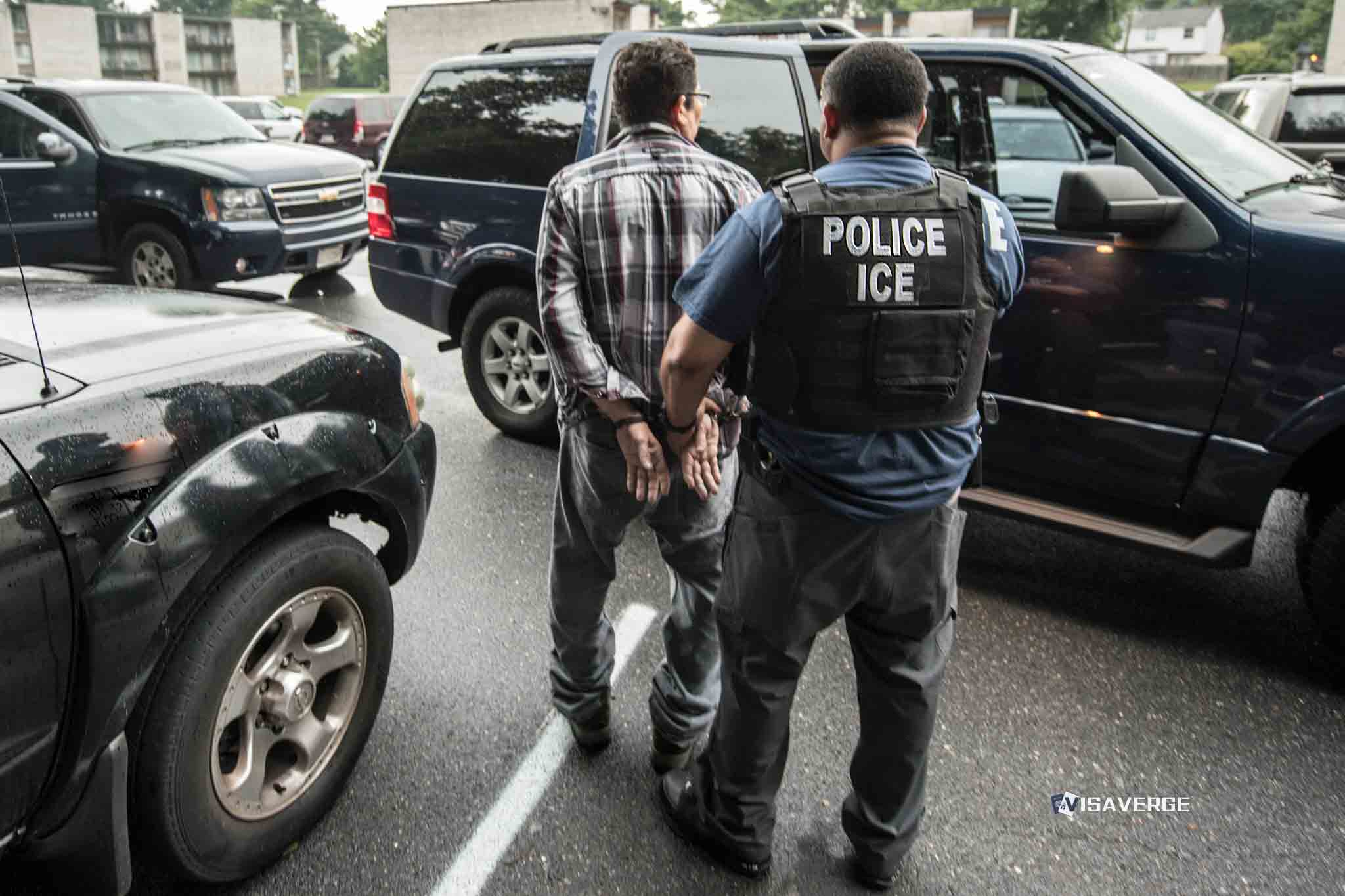
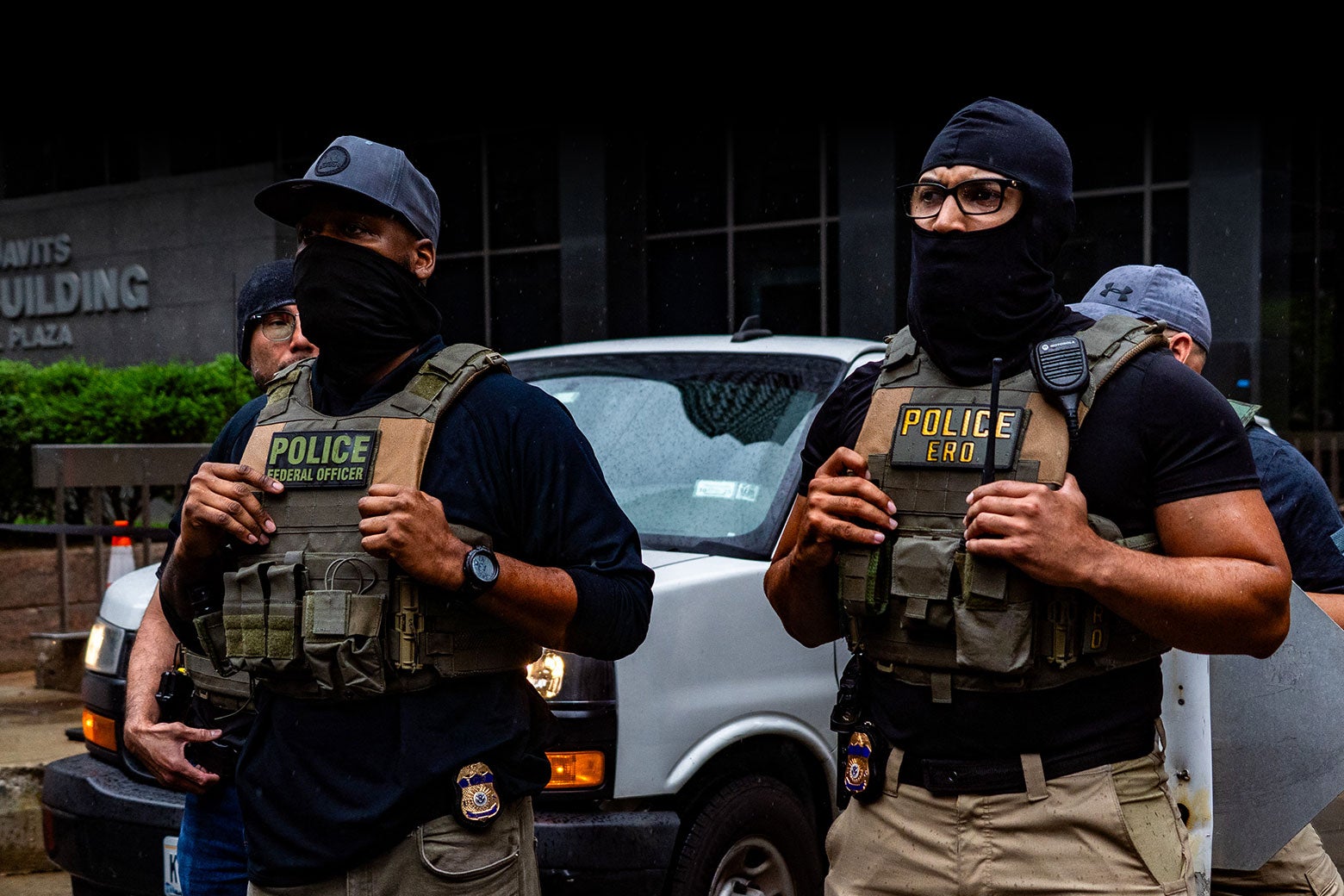
Uniforms function as a universal language in public safety. In the context of federal law enforcement, the ICE uniform is designed to project authority and institutional transparency. When an officer is in full uniform, the immediate recognition of their status helps mitigate confusion during high-stress interactions. For a member of the public, the presence of official insignia, badges, and the specific cut of the uniform provides a clear signal that the individual is acting under the authority of the United States Department of Homeland Security (DHS).
This clarity is not merely aesthetic; it is a critical safety feature. In environments where ICE officers conduct enforcement operations, the ability to distinguish between federal law enforcement and other parties—such as local police, private security, or members of the public—is paramount. A distinct uniform reduces the likelihood of civilian interference, accidental obstruction, and misidentification by other law enforcement agencies responding to a scene.
Components and Technical Specifications
The ICE uniform is standardized to meet the rigorous demands of federal field work. Unlike civilian clothing, these garments are engineered for durability, utility, and tactical utility. As of 2026, the standard-issue uniform components are selected for their performance in diverse climates, ranging from the high humidity of coastal regions to the harsh, dry conditions of the borderlands.
- Duty Shirts and Trousers: These items are constructed from high-tensile, rip-stop fabrics treated with moisture-wicking and flame-resistant properties. The design prioritizes ease of movement, allowing officers to maintain agility during physical tasks.
- Identification Patches and Badges: The integration of clearly visible agency identifiers is a non-negotiable standard. These markings allow the public and other law enforcement entities to verify the officer’s identity instantly.
- Duty Belts and Modular Equipment: The uniform is configured to support the carry of standardized protective and enforcement equipment. The placement of tools on the duty belt is standardized across the agency, ensuring that officers can access essential resources instinctively without looking down, which keeps their focus on the immediate environment.
- Protective Footwear: Officers are issued specialized tactical boots that provide ankle support and traction, reducing the risk of injury during operations on uneven or hazardous terrain.
Enhancing Public Transparency and Accountability
Transparency is a cornerstone of effective public safety. The uniform serves as the physical anchor for an officer’s accountability. Because the uniform features visible badges and unique identification numbers, it ensures that every action taken by an officer can be linked to their professional status. This accountability loop is essential for maintaining the public’s confidence in federal law enforcement operations.
When an officer is clearly identified, it creates a bridge for communication. Individuals interacting with ICE agents can verify the legitimacy of the request, which helps resolve misunderstandings before they escalate into conflicts. In 2026, the use of body-worn cameras is often integrated into the uniform setup, further augmenting the transparency provided by the standardized dress. The camera, when mounted on a uniform, provides an objective record of the encounter, protecting both the officer and the public.
Comparison of Uniform Functions in Public Safety
The following table outlines how standardized uniforms contribute to safety objectives in various dimensions of federal field operations.
| Function | Contribution to Public Safety | Operational Benefit |
|---|---|---|
| Visual Identification | Prevents misidentification of officers. | Improves clarity during multi-agency scenes. |
| Institutional Branding | Establishes the authority of the DHS. | Promotes cooperation and compliance. |
| Tactical Utility | Houses essential safety equipment. | Enhances officer response time. |
| Standardized Markings | Allows for public verification. | Increases accountability and oversight. |
Operational Security and De-escalation
Beyond the psychological effect on the public, the uniform plays a strategic role in operational security (OPSEC). A uniform that is instantly recognizable as federal enforcement can, in certain situations, act as a deterrent to criminal activity. By clearly communicating that a federal authority is present, the uniform can de-escalate potential aggression.
Furthermore, the uniformity of appearance among a team creates a sense of cohesion. When a team of officers is unified in their attire, it minimizes individual "target profiles." In a tactical environment, the lack of distinction between officers helps the team move as a cohesive unit, which is safer for both the team and those they are interacting with. It ensures that the focus remains on the mission rather than on individual differences.
Challenges in Maintaining Uniform Standards
Maintaining the integrity of the uniform is an ongoing logistics effort. Equipment must be regularly inspected for wear and tear. A damaged or poorly maintained uniform can degrade an officer’s professional appearance and potentially impact their ability to perform safely. For example, a worn-out duty belt may fail to secure vital equipment, while faded identification patches might hinder the officer’s ability to be recognized during low-light conditions.
In 2026, the agency continues to invest in maintenance protocols that require officers to replace gear at specified intervals. This focus on "mission-readiness" is part of a broader strategy to ensure that safety tools, including the uniform, are always in peak condition.
Frequently Asked Questions
Why are ICE officer uniforms visually distinct from other police agencies? The visual distinction is designed to prevent confusion between local law enforcement, which operates under state or municipal authority, and ICE, which operates under federal authority. This distinction clarifies jurisdiction and ensures the public knows which level of government is conducting the operation.
Does the uniform design affect the officer’s performance in the field? Yes. The uniform is designed for tactical performance. Every pocket, seam, and attachment point is engineered to ensure that an officer can retrieve equipment quickly. The fabric choices are made to support physical performance in various temperatures and environments.
How does the uniform contribute to de-escalation? A professional, standardized uniform communicates that the encounter is an official government function rather than a personal one. This helps depersonalize the interaction, which can help individuals remain calm during legal proceedings or questioning.
Are there different types of ICE uniforms for different duties? Yes. While there is a standard service uniform, officers may wear specialized attire depending on their specific assignment, such as tactical gear for enforcement operations or business-professional attire for administrative or investigative functions. The core identifying insignia remains consistent across these variations.
Can a civilian verify an ICE officer's identity via their uniform? Yes. The uniform, combined with the official badge and, in many cases, a secondary identification card, allows a person to verify that the officer is a legitimate federal employee. If someone has concerns about the identity of an officer, they are encouraged to follow established agency protocols for verification.
Practical Next Actions
For those interacting with ICE officers, the best practice is to remain calm and observe the officer's credentials. If you are ever in a situation where an officer's authority is unclear, you are within your rights to request to see their official credentials, which are typically displayed on their person or provided upon request. Always prioritize safety during any law enforcement interaction, keep your hands visible, and follow the officer's instructions.
Image Gallery