Understanding Safety Insurance Claims: A Comprehensive Guide to Protecting Assets and Securing Payouts
Navigating safety insurance claims requires a clear understanding of policy provisions, timely documentation, and regulatory compliance to ensure financial recovery after an unexpected incident. Whether dealing with workplace injuries,...
Navigating safety insurance claims requires a clear understanding of policy provisions, timely documentation, and regulatory compliance to ensure financial recovery after an unexpected incident. Whether dealing with workplace injuries, commercial liability, or property hazards, policyholders must follow a structured procedure to substantiate losses, prevent claim denials, and secure appropriate payouts under the terms of their coverage.
Contents
The Fundamentals of Safety Insurance Policies
Safety insurance is a specialized category of coverage designed to mitigate financial risks associated with accidents, injuries, property damage, and operational hazards. Unlike standard casualty or health policies, safety-oriented insurance often integrates risk management requirements, safety protocols, and compliance mandates directly into the underwriting agreement. Insurers evaluate how policyholders manage workplace safety or property security before determining premium structures and coverage limits.
At its core, a safety insurance claim is a formal request made by a policyholder to an insurance provider for compensation or coverage of losses specified under the policy terms. These claims typically arise from unexpected events that cause physical harm, operational disruption, or structural damage. Understanding the boundaries of your policy—including deductibles, coverage caps, and exclusions—is the foundational step in managing any claim effectively.
Key Types of Safety Insurance Coverage
Policyholders generally encounter several distinct forms of safety-related insurance, each governed by specific legal frameworks and claims procedures:
- Workers' Compensation: Designed to cover medical expenses and wage replacement for employees injured on the job. These claims are generally "no-fault," meaning benefits are provided regardless of who caused the workplace accident, provided it occurred within the scope of employment.
- Commercial General Liability (CGL): Protects businesses against third-party claims involving bodily injury, property damage, or advertising injury occurring on business premises or resulting from operations.
- Property and Casualty Insurance: Covers physical damage to buildings, equipment, and inventory caused by fire, natural disasters, or other covered perils, often requiring strict adherence to building safety codes.
- Product Liability Insurance: Covers injuries or damages caused by defective products distributed into the marketplace, necessitating rigorous safety testing and quality control documentation.
Prerequisites and Immediate Actions After an Incident
The window immediately following an accident or safety failure is critical. Failing to take correct actions can jeopardize the validity of a claim. Policyholders must balance emergency response with meticulous evidence collection.
1. Prioritize Immediate Safety and Medical Care
The paramount priority following any safety incident is mitigating further harm. For workplace injuries or public accidents, summon emergency medical services immediately. Ensuring that injured parties receive prompt medical evaluation is not only a moral and legal imperative but also establishes an official medical record, which serves as primary evidence in injury claims.
2. Secure the Scene and Preserve Evidence
To prevent the spoliation of evidence, the incident scene should be secured without disturbing physical elements unless necessary to prevent further danger.
- Take high-resolution photographs and videos of the hazard, equipment involved, and the surrounding environment from multiple angles.
- Identify and secure contact information for all witnesses present at the scene.
- Retain any defective products, broken machinery components, or damaged structural materials for forensic inspection by insurance adjusters or independent safety experts.
3. Review Policy Notification Deadlines
Most insurance contracts contain strict notification clauses requiring policyholders to report incidents "promptly" or within a specified timeframe (e.g., 24 to 72 hours). Delaying notification can give insurers grounds to deny coverage based on late reporting prejudice, making it essential to consult the policy declaration page immediately following an event.
Step-by-Step Guide to Filing a Safety Insurance Claim
Filing a safety insurance claim demands accuracy, completeness, and adherence to formal administrative procedures. A structured approach minimizes processing delays and reduces the likelihood of disputes.
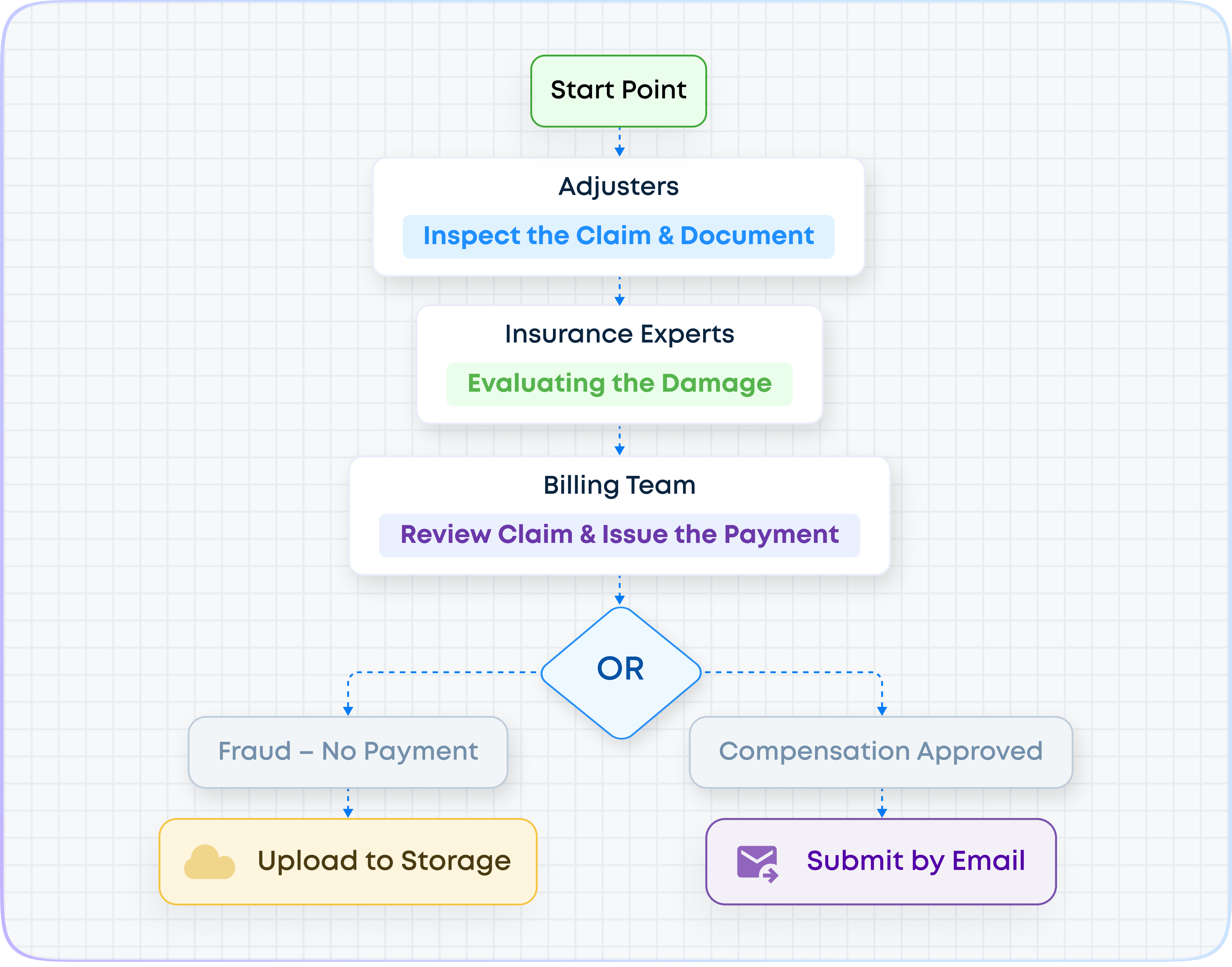
- Incident Occurs
- Immediate Medical Care & Scene Security
- Internal Incident Investigation & Documentation
- Formal Claim Submission to Insurer
- Adjuster Investigation & Evaluation
- Settlement Offer or Dispute Resolution
Step 1: Complete Internal Incident Reports
Before or concurrently with notifying the insurance carrier, complete a detailed internal incident report. Document the exact date, time, location, individuals involved, and a factual narrative of how the event unfolded. Avoid assigning speculation or admitting liability in written reports; stick strictly to observable facts.
Step 2: Submit the Notice of Loss
Contact your insurance agent or corporate risk management department to initiate the formal claim. Provide the policy number, basic details of the incident, and preliminary documentation. The insurer will assign a claims adjuster to investigate the matter.
Step 3: Cooperate with the Insurance Adjuster
The insurance adjuster will investigate the claim by reviewing documentation, interviewing witnesses, and potentially inspecting the site or examining medical records. Policyholders are contractually obligated to cooperate fully with this investigation. Provide requested records promptly, but ensure that all submitted materials are accurate and verifiable.
Step 4: Review the Settlement Determination
Once the investigation concludes, the insurer will issue a determination: approving the claim in full, offering a partial settlement, or issuing a formal denial. Carefully review the settlement breakdown against your policy limits and actual incurred costs before signing any release forms.
Comparison of Common Safety Insurance Claims
Different insurance lines require distinct documentation standards and follow unique adjudication paths. The table below outlines key operational differences across major safety insurance categories.
| Claim Type | Primary Beneficiary | Core Documentation Required | Typical Resolution Timeline | Common Challenge |
|---|---|---|---|---|
| Workers' Compensation | Injured Employees | First Report of Injury (FROI), medical provider notes, wage statements | 2 to 6 weeks | Disputed origin of injury or pre-existing conditions |
| Commercial Liability | Third Parties | Incident report, witness statements, maintenance logs, visual evidence | 1 to 6 months | Determining comparative fault and liability limits |
| Property & Casualty | Business/Property Owner | Repair estimates, inventory lists, architectural assessments, proof of loss | 30 to 90 days | Disagreements over property valuation and depreciation |
| Product Liability | Consumers/Third Parties | Product batch data, testing records, purchase receipts, expert forensic reports | Several months to years | Complex multi-party litigation and causation proof |
Common Pitfalls and Troubleshooting Claim Denials
Insurance claims are occasionally delayed or denied. Understanding common pitfalls helps policyholders avoid costly mistakes and effectively challenge unfavorable decisions.
Failing to Maintain Compliance Records
Insurers frequently deny safety claims if they discover that the policyholder failed to comply with statutory safety regulations, Occupational Safety and Health Administration (OSHA) standards, or specific policy warranties (such as maintaining functional fire suppression systems). Maintaining rigorous, up-to-date compliance logs is vital defense against denial.
Incomplete Documentation
Submitting vague medical bills, undocumented repair estimates, or missing incident reports gives adjusters grounds to withhold payouts. Ensure every dollar claimed is backed by verifiable invoices, receipts, or certified professional estimates.
Disputing a Claim Denial
If an insurance carrier denies a safety claim, policyholders have recourse options:
- Request a Detailed Explanation: Demand a written explanation citing the specific policy exclusion or lack of evidence used to justify the denial.
- Internal Appeal: Submit additional evidence, expert testimony, or corrected documentation through the insurer’s formal internal appeal process.
- Regulatory Mediation: File a complaint with your state’s department of insurance if you believe the carrier is acting in bad faith or violating insurance statutes.
- Legal Counsel: Consult an insurance coverage attorney to evaluate potential breach of contract claims.
Disclaimer: The information provided in this article is for educational and informational purposes only and does not constitute legal, financial, or professional insurance advice. Policy language, statutory regulations, and jurisdictional limits vary significantly. Consult a licensed insurance professional or legal advisor for guidance tailored to your specific situation.
Frequently Asked Questions
What should I do immediately after a workplace safety incident occurs?
Prioritize emergency medical care for any injured individuals and secure the scene to prevent further accidents. Document the area with photographs, collect witness contact information, and notify your internal safety officer and insurance carrier according to your policy's reporting timelines.
Why do insurance companies deny safety insurance claims?
Insurers typically deny claims due to late reporting, lack of sufficient evidence, policy exclusions, pre-existing conditions (in injury cases), or failure to comply with mandated safety regulations and maintenance protocols outlined in the insurance contract.
Can I appeal a denied safety insurance claim?
Yes. You can request a formal written explanation of the denial, gather supplementary evidence or expert testimony, and utilize the insurer's internal appeal process. If unresolved, you may pursue state insurance department mediation or legal representation.
How do safety records affect my insurance premiums?
Insurance underwriters review historical loss runs and safety performance metrics when setting premiums. Businesses with frequent safety violations or high claim frequencies face higher risk classifications and increased premium costs, whereas proactive safety management can lower rates.
What is the difference between workers' compensation and commercial liability claims?
Workers' compensation is a no-fault system covering employees for injuries sustained during the course of employment, regardless of fault. Commercial liability claims involve third parties (such as customers or visitors) who sustain injury or property damage due to alleged negligence on your premises or operations.
Image Gallery