Comprehensive Guide to LCSW License Lookup in 2026
An LCSW license lookup is the official process of verifying the active credential status, disciplinary history, and board standing of a Licensed Clinical Social Worker through state regulatory databases. This essential verification pro...
An LCSW license lookup is the official process of verifying the active credential status, disciplinary history, and board standing of a Licensed Clinical Social Worker through state regulatory databases. This essential verification protects consumers, confirms legal authorization to practice mental health therapy, and ensures compliance with healthcare credentialing standards.
Contents
Understanding the Role and Credentials of a Licensed Clinical Social Worker
A Licensed Clinical Social Worker (LCSW) represents the highest tier of professional practice within the social work profession. Unlike general social workers who may focus on case management, resource coordination, or macro-level policy, an LCSW holds a specialized master's degree in social work (MSW), has completed thousands of hours of supervised clinical experience, and has passed rigorous national licensing examinations administered by the Association of Social Work Boards (ASBW).
The journey from a graduate student to an independent practitioner requires navigating a multi-tiered regulatory framework. Most states require candidates to first register as an Associate Clinical Social Worker (often styled as ASW, LMSW, or LISW-A depending on the jurisdiction) before they can begin accumulating the required 3,000 hours of post-degree supervised psychotherapy experience. During this supervisory phase, the practitioner must also pass the ASWB Clinical Level Examination. Once these benchmarks are met, the licensing board grants the independent LCSW credential, allowing the clinician to diagnose mental disorders, provide psychotherapy independently, and bill insurance panels directly.
Understanding this structural hierarchy matters when conducting an LCSW license lookup. Healthcare consumers and human resources departments must verify that the practitioner holds an independent clinical license rather than a provisional or associate credential that requires continuous supervision.
Why Performing an LCSW License Lookup is Essential
Verifying mental health credentials protects vulnerable populations and maintains the integrity of the healthcare system. Whether you are an individual seeking therapy, a hospital administrator credentialing new medical staff, or an insurance network manager onboarding a behavioral health provider, verification is a non-negotiable step.
The primary reasons to conduct a license verification include:
- Regulatory Compliance: Healthcare facilities, group practices, and telehealth platforms face severe legal and financial liabilities if they allow unverified or expired practitioners to provide clinical services.
- Consumer Safety: A formal lookup reveals whether a therapist's license is active, expired, suspended, or revoked due to ethical violations, malpractice, or criminal convictions.
- Insurance Reimbursement Validation: Payer organizations require active license verification before processing claims or issuing provider network contracts.
- Scope of Practice Confirmation: Verification confirms that the provider is legally authorized to diagnose and treat mental health conditions independently within their specific jurisdiction.
Step-by-Step Guide to Conducting an LCSW License Lookup
Most state licensing boards maintain online verification portals, often referred to as license verification systems or public search databases. While the user interface varies by state, the core workflow remains consistent across jurisdictions.
Step 1: Identify the Correct State Regulatory Board
Licensing authority in the United States is decentralized, meaning each state operates its own independent Board of Behavioral Sciences, Board of Social Work Examiners, or combined mental health licensing board. You must query the board of the specific state where the provider physically delivers services.
Step 2: Access the Official State Verification Portal
Navigate directly to the official government website of the state's licensing board. Avoid third-party directory sites, as they may contain outdated records, delayed disciplinary updates, or inaccurate data profiles.
Step 3: Input Search Parameters
Enter the provider's details into the search fields. To ensure accuracy, follow these data entry best practices:
- Enter the exact legal first and last name as registered with the board.
- If searching by license number, ensure you include any necessary prefixes or suffixes.
- If search results yield common names, utilize secondary identifiers such as city, county, or zip code to isolate the correct profile.
Step 4: Review Detailed License Status Indicators
Once the profile appears, examine the core data fields carefully. Look beyond a simple "Active" status and analyze the historical record.
| Data Field | What to Look For | Significance |
|---|---|---|
| License Status | Active, Current, Expired, Revoked, Suspended | Determines if the provider is legally permitted to practice. |
| Issue Date | Original date of licensure | Indicates the longevity and baseline experience of the clinician. |
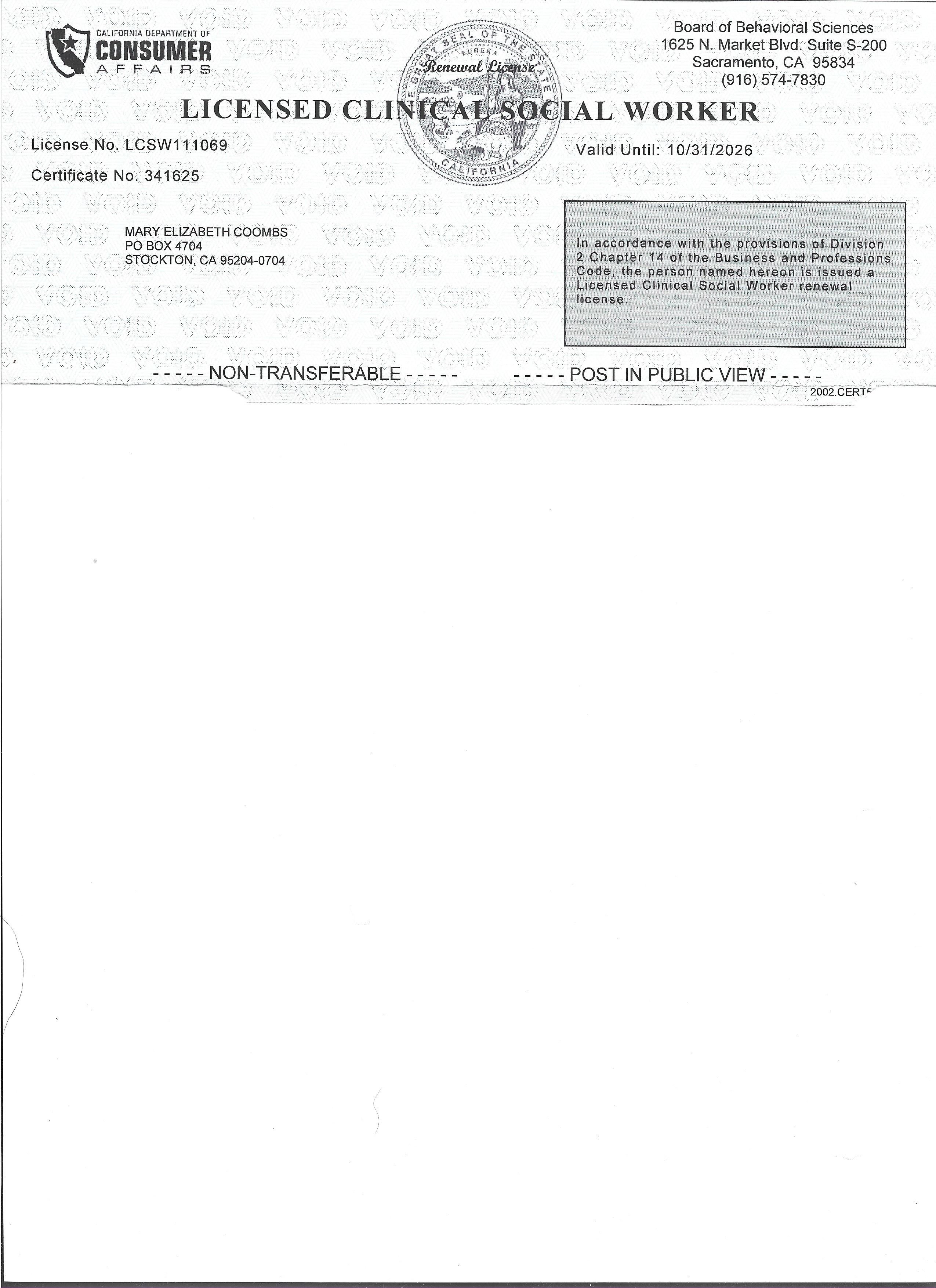
| Expiration Date | Current renewal deadline | Ensures the license has not lapsed due to missed continuing education requirements. |
| Public Disciplinary Actions | Formal reprimands, probations, or restrictions | Highlights past ethical violations, malpractice, or board sanctions. |
| Specialty Certifications | Additional credentials (e.g., BCD, DCSW) | Reflects advanced training in specific therapeutic modalities. |
Interpreting License Statuses and Disciplinary Actions
When reviewing the output of an LCSW license lookup, encountering unfamiliar terminology can create confusion. State boards use standardized legal definitions to categorize practitioner standing.
An "Active" or "Current" status means the clinician has met all ongoing educational, financial, and ethical requirements mandated by the state. Conversely, an "Expired" status indicates that the renewal window passed without the practitioner submitting the necessary documentation or fees. Practicing therapy with an expired license is illegal and constitutes professional misconduct.
Disciplinary actions appear as formal board orders attached to the licensee's public profile. These range from administrative fines for minor paperwork errors to severe sanctions such as license suspension or permanent revocation. Common triggers for disciplinary action include boundary violations, insurance fraud, substance abuse impairing practice, and gross negligence in patient care. If a disciplinary action is present, the portal usually provides downloadable PDF documents detailing the exact findings of fact and legal conclusions reached by the board.
Interstate Practice and the Social Work Licensure Compact
The landscape of mental health delivery has evolved rapidly with the growth of telehealth. Clients frequently seek care across state lines, and clinicians often attempt to practice in multiple jurisdictions. Understanding jurisdictional limits is vital when performing a lookup.
The Social Work Licensure Compact represents a major legislative milestone designed to facilitate multistep practice and streamline interstate mobility for clinical social workers. Similar to nurse and physician licensure compacts, this framework allows eligible LCSWs to practice across member states through a privilege to practice model, provided they hold a qualifying encumbrance-free license in their home state.
Multistate Verification Requirements When conducting a lookup for a clinician practicing via telehealth across state lines, verify that the provider holds either a direct license in your state of residence or a valid compact privilege recognized by your state regulatory board. Relying solely on a home-state license without compact authorization violates local state laws.
Common Pitfalls to Avoid During License Verification
Navigating state databases requires vigilance to prevent administrative errors or mistaken identity. Review these common pitfalls to ensure accurate verification results:
- Relying on Third-Party Directories: Commercial therapist directories often scrape data infrequently, leading to false assumptions about an active license status. Always use state-level
.govportals. - Confusing Associate Status with Full Licensure: An associate clinician (e.g., ASW) is legally required to practice under the direct supervision of a licensed supervisor. Accepting an associate as an independent practitioner violates state scope-of-practice laws.
- Overlooking Name Changes: Clinicians who marry or divorce may practice under a maiden name while their license remains under a married name, or vice versa. If an initial search fails, check alternative name variations or search by license number directly.
- Ignoring Renewal Cycles: A license might show as active today, but if the expiration date falls within the current week, the provider may lose their standing imminently if continuing education units (CEUs) are not filed on time.
Frequently Asked Questions
What is an LCSW license lookup?
An LCSW license lookup is an official online verification process used to check the active credential status, expiration date, and disciplinary history of a Licensed Clinical Social Worker through state regulatory boards. This search ensures the practitioner is legally authorized to provide mental health therapy.
Where can I verify an LCSW license?
You can verify an LCSW license by visiting the official website of the state department of health, board of behavioral sciences, or board of social work examiners where the clinician practices. Official state-managed databases provide the most accurate, real-time records available.
What should I do if a therapist's license is expired?
If a therapist's license is expired, they are legally prohibited from practicing psychotherapy until the credential is formally renewed by the state board. You should immediately pause clinical engagements and request clarification or proof of reinstatement from the provider.
Can I look up an LCSW license from another state?
Yes, you can look up an LCSW license from another state by accessing that specific state's online verification portal. Each state maintains an independent licensing board with its own searchable public database.
What constitutes a public disciplinary action on a social worker's record?
Public disciplinary actions include formal board sanctions such as license suspensions, probations, public reprimands, or mandatory remediation resulting from ethical violations, negligence, or legal infractions. These documents are generally viewable as public records directly on the state board's verification page.
How often do LCSWs need to renew their licenses?
Most state licensing boards require LCSWs to renew their licenses every one to two years, contingent upon the completion of a mandated number of continuing education hours (CEUs) in ethics, clinical practice, and relevant mental health topics.
Professional Recommendation
Always perform an independent, primary-source license lookup directly on the official state board website before initiating therapeutic services, finalizing employment contracts, or submitting insurance credentialing packets. Relying on self-reported credentials or secondary directories introduces significant legal, ethical, and financial risks. Keep digital or printed records of the verification timestamp to document your due diligence in maintaining clinical compliance.
Image Gallery