Art Metals in Modern Design: Aesthetic Evolution and Material Performance
Art metals in modern design bridge the gap between industrial utility and sculptural expression, utilizing traditional fabrication techniques and advanced metallurgical science to shape contemporary interiors, architecture, and functio...
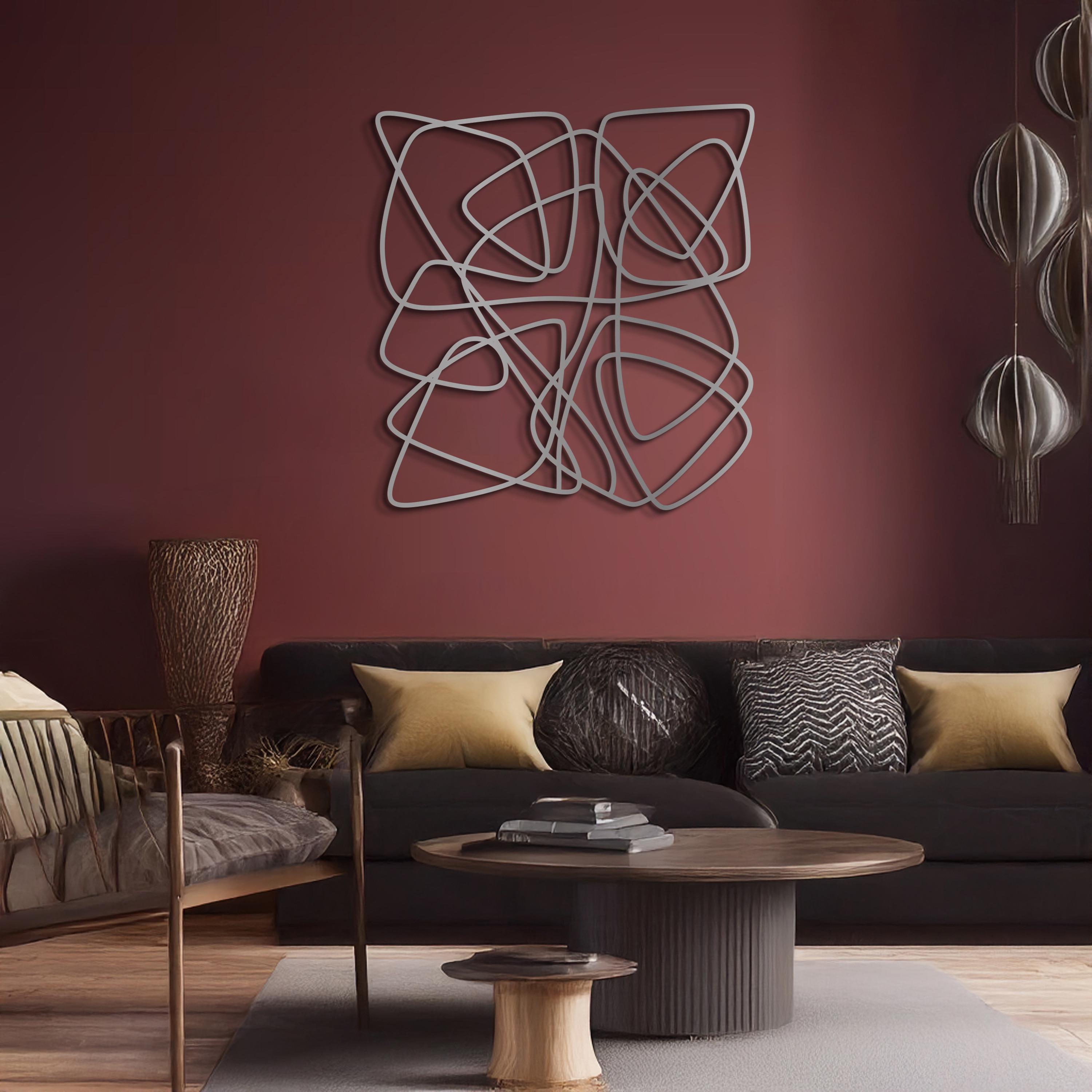
Art metals in modern design bridge the gap between industrial utility and sculptural expression, utilizing traditional fabrication techniques and advanced metallurgical science to shape contemporary interiors, architecture, and functional objects. By leveraging the unique patinas, structural strengths, and tactile properties of materials like bronze, brass, copper, and blackened steel, designers elevate raw metalwork into focal points of spatial composition.
Contents
The Evolution of Metalwork in Contemporary Interiors and Architecture
The integration of metallic elements has transformed significantly over the past century. Moving away from the uniform, highly polished chrome of mid-century industrialism and the ornate cast-iron flourishes of the Victorian era, modern design favors a more nuanced approach. Contemporary architecture and interior design celebrate the organic imperfections of metals, emphasizing authentic textures, hand-forged details, and living finishes that evolve over time.
This shift reflects a broader cultural movement toward tactile authenticity and sustainability. Designers increasingly specify metals that can be recycled indefinitely without losing their structural integrity. Furthermore, advancements in computer-aided manufacturing (CAM) and waterjet cutting allow for intricate, custom perforations and geometries that were previously impossible to achieve by hand. This blend of digital precision and artisanal craftsmanship defines the cutting edge of contemporary metal design.
Core Characteristics of Primary Art Metals Used Today
Different metals offer distinct visual and mechanical properties that dictate their application in modern spaces. Selecting the appropriate alloy requires balancing aesthetic goals with structural requirements and environmental exposure.
Bronze and Brass: Warmth and Patination
Copper alloys such as bronze and brass introduce warmth and luxury to minimalist or industrial interiors. Brass, an alloy of copper and zinc, is prized for its bright, golden hue and excellent machinability, making it a favorite for hardware, light fixtures, and inlay details. Bronze, primarily an alloy of copper and tin, offers higher corrosion resistance and a deeper, more muted earthy tone.
Both metals develop a patina—a surface layer of oxidation—when exposed to air and human touch. In modern design, this living finish is viewed as a feature rather than a defect. Designers often use unlacquered brass and bronze to allow the material to record the history of its environment, darkening and developing high-wear highlights over years of use.
Copper: Conductivity and Antimicrobial Elegance
Pure copper is celebrated for its distinctive salmon-pink color and high thermal and electrical conductivity. In architectural applications, copper cladding and roofing are chosen for their ultimate longevity; over decades, copper transitions from bright metallic to rich brown, and eventually to the iconic sea-green verdigris patina. Inside the home, copper is frequently specified for kitchen countertops, prep sinks, and range hoods due to its natural antimicrobial properties, which actively inhibit bacterial growth on its surface.
Blackened and Corten Steel: Industrial Strength and Structural Contrast
While ferrous metals like standard carbon steel require protection against rust, architectural designers frequently harness the raw power of specialized steel alloys.
- Blackened Steel: Treated through a chemical blackening process or hot-oil application, this material yields a deep, charcoal-matte finish that absorbs light rather than reflecting it. It is commonly used for bespoke staircases, fireplace surrounds, and structural shelving.
- Corten Steel (Weathering Steel): Engineered to form a stable, rust-like appearance after several years of atmospheric exposure, Corten eliminates the need for painting. It provides a striking, organic rust contrast in modern landscape architecture and exterior cladding.
| Metal Type | Primary Color / Appearance | Best Suited Applications | Maintenance & Finish Behavior |
|---|---|---|---|
| Architectural Bronze | Deep golden brown to rich dark amber | Entry doors, monumental hardware, sculptural facades | Develops a living patina; requires periodic cleaning. |
| Unlacquered Brass | Bright yellow-gold | Cabinet pulls, plumbing fixtures, decorative inlays | Darkens and spots organically with handling and humidity. |
| Pure Copper | Salmon-pink to reddish-brown | Range hoods, accent walls, external cladding | Evolves from shiny to brown, finishing in a green verdigris. |
| Blackened Steel | Charcoal grey to deep matte black | Fireplace surrounds, room dividers, custom furniture frames | Sealed with wax or oil; sensitive to prolonged moisture. |
| Corten Steel | Orange-brown to dark textured rust | Outdoor sculptures, retaining walls, facade panels | Forms a protective rust layer; stable outdoors. |
Fabrication Techniques: Merging Tradition with Technology
The execution of art metals in modern design relies on a symbiotic relationship between ancient hand-working methods and modern digital fabrication. Understanding these techniques helps designers specify appropriate fabricators and predict manufacturing limitations.
Hand-Hammering and Casting
Traditional techniques such as sand casting, lost-wax casting, and hand-hammering provide objects with a human scale and organic texture. Hand-hammered metal surfaces diffuse light unevenly, creating soft, shimmering reflections that machine-rolled sheets cannot replicate. Cast bronze and brass components are frequently utilized for bespoke furniture legs, decorative hardware, and sculptural door pulls, offering substantial weight and tactile depth.
Laser Cutting and CNC Bending
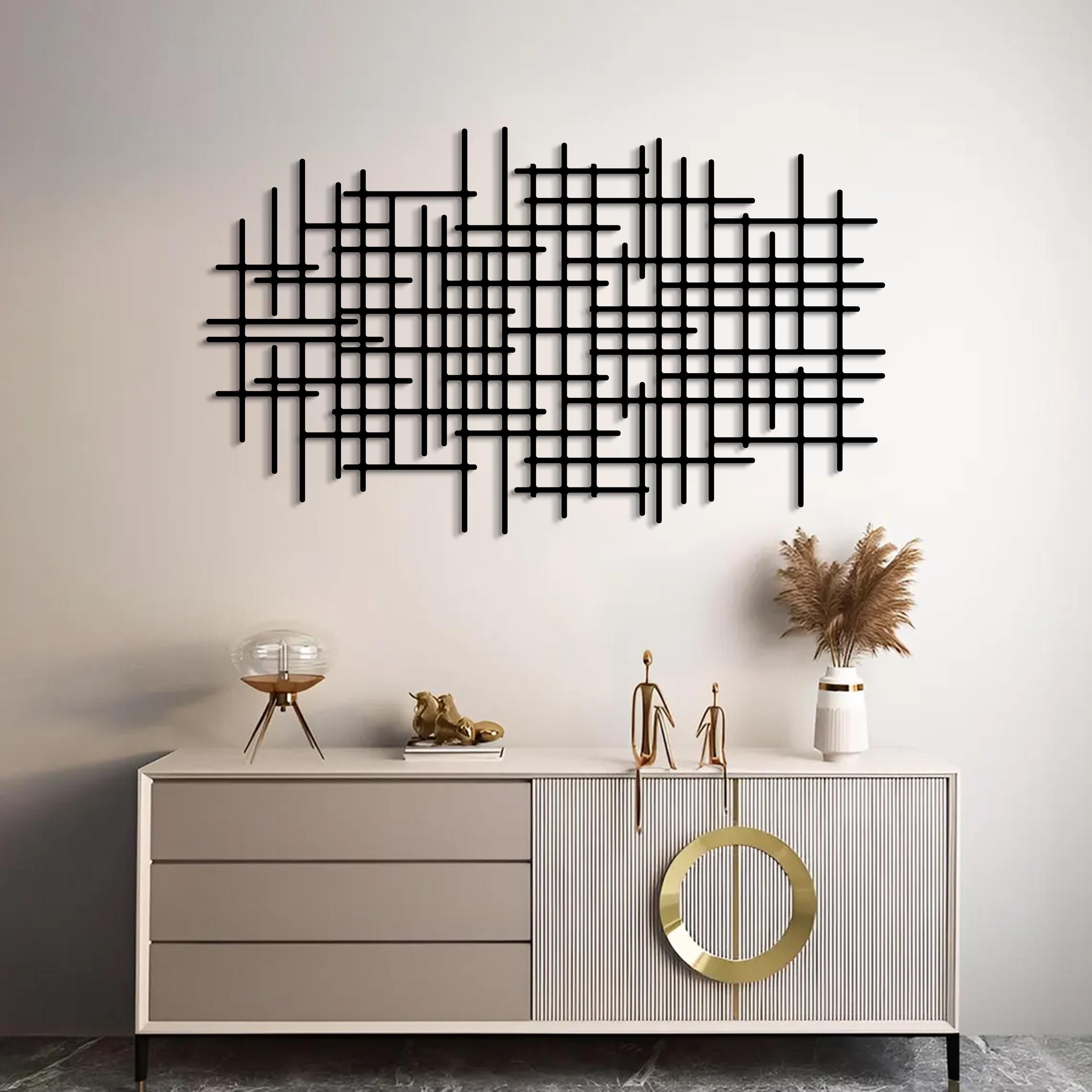
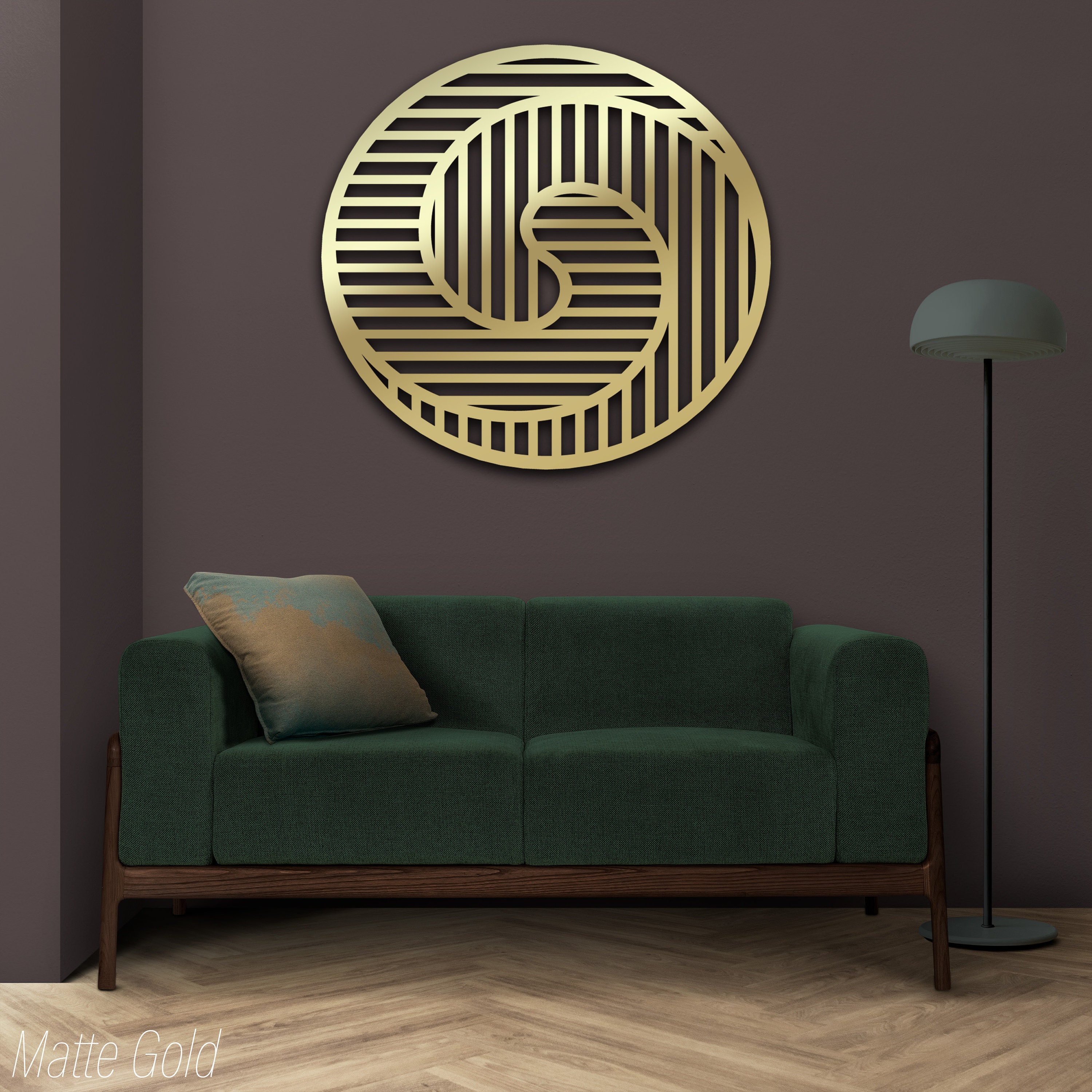
For precise architectural installations, computer numerical control (CNC) plasma and fiber laser cutting allow for micro-tolerances when cutting intricate panels, screens, and grates. These computerized methods ensure that repeating geometric patterns align perfectly across large expanses of metal cladding or interior space dividers. Following cutting, CNC press brakes execute clean, uniform bends, minimizing structural weaknesses and joints.
Practical Considerations: Cost, Durability, and Maintenance
Integrating art metals into a residential or commercial project requires careful planning regarding budget, structural load, and ongoing upkeep.
Cost Factors
Art metals represent a significant investment within any design budget. Pure copper, architectural bronze, and custom-blackened steel command premium material and labor costs compared to standard drywall, wood, or painted composites. Furthermore, heavy metal elements often require specialized structural engineering to support their weight—particularly in the case of massive cast-bronze doors or thick steel stair stringers.
Maintenance Regimens
The maintenance required for art metals depends entirely on whether a living finish or a preserved finish is specified.
- Living Finishes: Require gentle cleaning with mild soap and water. Abrasive cleaners and harsh chemical solvents strip the developing patina and should be strictly avoided.
- Sealed/Lacquered Finishes: Coated with a protective polyurethane or lacquer to freeze the metal in its current state. While protected against fingerprints and oxidation, these finishes can scratch and require professional stripping and resealing if the protective layer is compromised.
Frequently Asked Questions
What is the difference between a living finish and a lacquered metal finish?
A living finish is left unprotected, allowing oxygen, moisture, and oils from human touch to interact with the metal, causing it to naturally change color and patina over time. A lacquered finish is sealed with a clear protective coating that blocks environmental exposure, locking in the metal's exact appearance at the time of manufacturing.
Can art metals be used in exterior architectural applications?
Yes, but alloy selection is critical. Marine-grade bronze, stainless steel, and weathering (Corten) steel perform exceptionally well outdoors because they form protective outer layers that resist deep structural corrosion. Untreated brass and standard carbon steel will degrade rapidly and bleed rust stains onto surrounding masonry unless heavily sealed.
How do I clean and maintain unlacquered brass hardware?
Unlacquered brass should be wiped down periodically with a soft cloth dampened in warm water and mild, pH-neutral soap. Avoid commercial brass polishes if you want the metal to develop a natural, aged patina. If you prefer to keep it bright, specialized non-abrasive metal cleaners can be applied sparingly.
Is structural engineering required when installing art metal features?
Yes, for heavy installations such as solid bronze doors, thick steel staircases, or expansive metal wall cladding. Metals possess a high density and weight-to-volume ratio, meaning walls and floors must often be reinforced with hidden structural steel or timber backing to support the load safely.
Next Actions and Project Implementation
When incorporating art metals into your next modern design project, begin by consulting with local architectural blacksmiths and metal fabricators early in the schematic design phase. Request physical material samples to observe how the specific alloy reacts to your project's natural and artificial lighting conditions. By balancing material integrity, fabrication precision, and maintenance expectations, you can successfully harness the enduring beauty of art metals in contemporary spaces.
Image Gallery