The Unraveling of a Legacy: Why Lindsey Buckingham Was Fired from Fleetwood Mac
Lindsey Buckingham was fired from Fleetwood Mac in early 2018 primarily due to deep-seated interpersonal conflicts with bandmate Stevie Nicks, which culminated in an impasse over touring commitments. The dismissal followed a disagreeme...
Lindsey Buckingham was fired from Fleetwood Mac in early 2018 primarily due to deep-seated interpersonal conflicts with bandmate Stevie Nicks, which culminated in an impasse over touring commitments. The dismissal followed a disagreement regarding the band's schedule and Buckingham’s insistence on pursuing solo projects, leading to a permanent breakdown in professional communication and trust.
Contents
The Context of the 2018 Departure
To understand the circumstances of Lindsey Buckingham’s exit, one must look at the unique, volatile chemistry that defined Fleetwood Mac for over four decades. The band has historically functioned as a complex ecosystem of personal relationships, professional ambitions, and creative tension. By early 2018, the group—composed of Mick Fleetwood, John McVie, Christine McVie, Stevie Nicks, and Buckingham—was preparing for a massive world tour.
The catalyst for the firing was not a single, isolated event, but rather a culmination of years of friction. In early 2018, Buckingham requested that the band postpone the start of the tour to allow him to finish and promote his solo work. For the other members, who had spent months planning logistics, finances, and venue availability, this request was perceived as an ultimatum that prioritized his individual career over the collective commitment of the group.
Interpersonal Conflict and the Role of Stevie Nicks
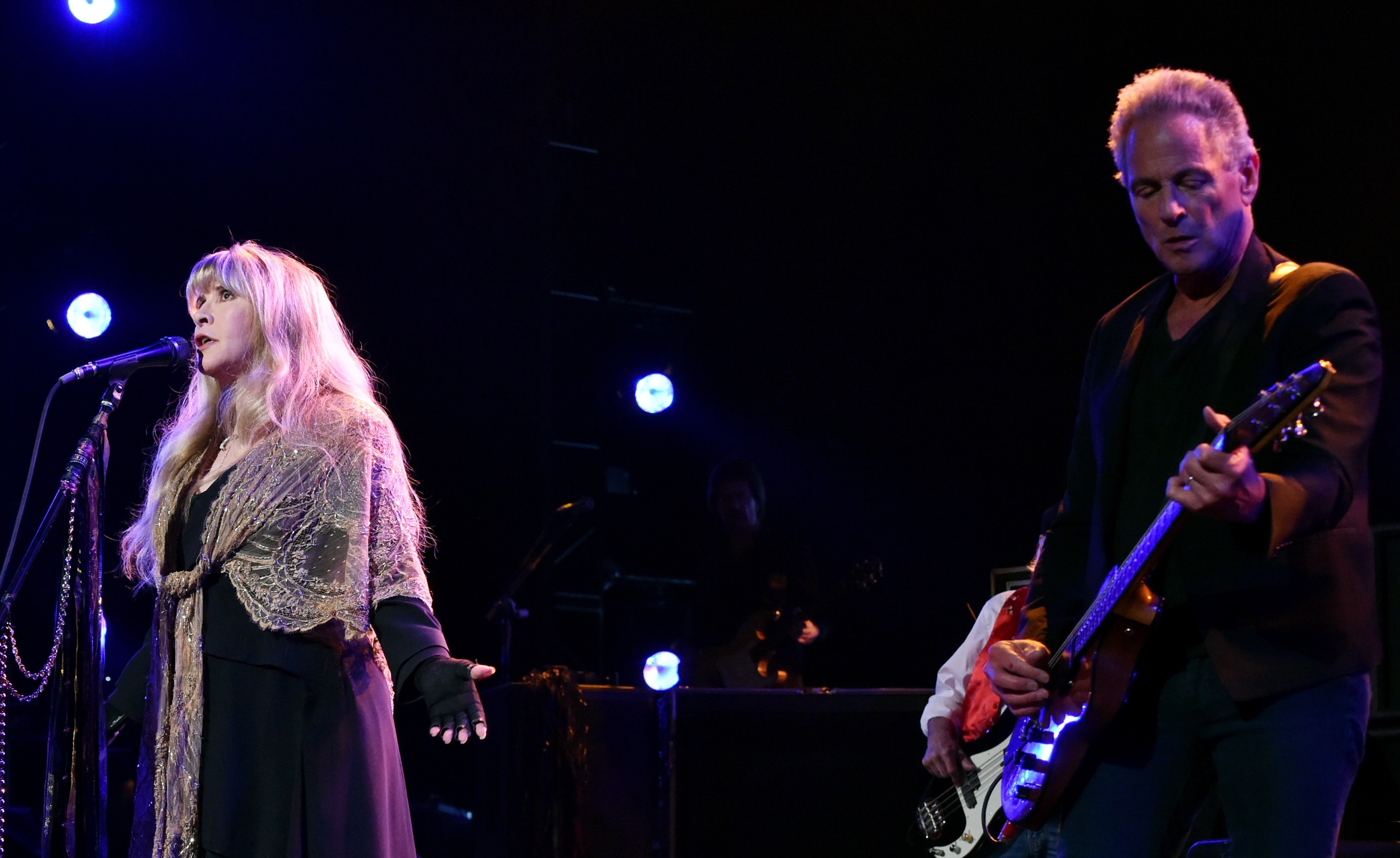
The tension between Lindsey Buckingham and Stevie Nicks is widely considered the most significant factor in his departure. Having joined the band together in 1975, their relationship shifted from romantic partners to colleagues, often enduring periods of intense public and private friction.
Following the band’s successful 2014–2015 tour, the interpersonal dynamic remained strained. During the lead-up to the 2018 tour, reports emerged that Nicks had expressed a refusal to work with Buckingham further. While Fleetwood Mac has always been known for its ability to sublimate personal conflict into musical performance, the 2018 situation reached a point where the majority of the band felt the professional damage was irreparable. Mick Fleetwood ultimately acknowledged that the band reached a point where it could no longer function with Buckingham’s presence, prioritizing the cohesion of the remaining members.
The Legal and Professional Fallout
Following his dismissal, Buckingham sought legal counsel to address what he characterized as a breach of his agreement with the band. He filed a lawsuit against Fleetwood Mac in October 2018, alleging that he had been forced out of the group and denied his share of the revenue from the upcoming tour.
The lawsuit was eventually settled out of court. This period was marked by public exchanges, with Buckingham frequently appearing in media interviews to provide his perspective on the events, while the band maintained a more guarded stance. For the fans, the change signaled the end of the "classic" lineup that had sustained the band’s global popularity since the mid-1970s.
Comparison of Personnel Changes in Fleetwood Mac History
Fleetwood Mac has a long, well-documented history of personnel shifts, dating back to its formation in 1967. However, the 2018 firing of Buckingham was unique in its suddenness and its connection to the core creative partnership that defined their most commercially successful era.
| Era | Key Departure/Change | Primary Reason |
|---|---|---|
| 1970 | Peter Green | Mental health and lifestyle shifts |
| 1974 | Bob Welch | Internal exhaustion and creative tension |
| 1987 | Lindsey Buckingham (First Exit) | Resistance to touring after Tango in the Night |
| 1995 | Christine McVie (Hiatus) | Desire to retire from touring |
| 2018 | Lindsey Buckingham (Second Exit) | Irreconcilable interpersonal conflict and scheduling impasse |
The Impact on the Band’s Creative Direction
The departure of Buckingham necessitated a shift in the band’s live performance strategy. To continue the 2018–2019 tour, Fleetwood Mac recruited Mike Campbell of Tom Petty and the Heartbreakers and Neil Finn of Crowded House. This maneuver allowed the band to maintain its tour schedule and fulfill contractual obligations.
For the audience, the change was jarring. Buckingham was not only a lead guitarist but a primary songwriter and musical architect of the band’s sound. The inclusion of Campbell and Finn provided a different, arguably more communal, energy to the performances, but it fundamentally altered the sonic landscape that fans had associated with the band for decades.
Frequently Asked Questions
Was Lindsey Buckingham fired because of his performance on stage? No. His departure was strictly an administrative and interpersonal matter related to touring schedules and band dynamics. There is no evidence suggesting his musical competence or performance quality were factors in the decision to part ways.
Did Stevie Nicks have the power to fire him? While Fleetwood Mac operates as a collective, the decision was described by band members as a group choice made under extreme pressure. Stevie Nicks’ stance was a primary driver, but the final decision to move forward without him was supported by the remaining members to ensure the viability of the tour.
Has there been any possibility of a reunion since 2018? Following the death of Christine McVie in 2022, the members of Fleetwood Mac have largely suggested that the band, in its traditional form, has reached its conclusion. While personal reconciliations have occurred privately, a professional reunion involving Buckingham remains purely speculative.
Did Buckingham’s solo career cause the conflict? It was the timing of his solo career that caused the conflict. His insistence on pushing back the start date of the Fleetwood Mac tour to accommodate his own promotional schedule created a logistical impasse that the rest of the band was unwilling to accept.
Moving Forward
For followers of rock history, the 2018 firing serves as a definitive case study in the lifecycle of legacy bands. It highlights how, even after decades of success, the fundamental human elements of trust, communication, and shared sacrifice remain the pillars upon which such institutions rest. As of 2026, the legacy of the band continues to be celebrated through their extensive back catalog, despite the closure of this final, contentious chapter. For those seeking the most accurate understanding of the split, it is best to view it as the final unraveling of a long-frayed partnership rather than a reaction to a single, sudden provocation.
Image Gallery