Understanding IAA Life Insurance: A Comprehensive Overview of Policies, Coverage, and Options
IAA life insurance encompasses specialized coverage options designed to provide financial security, estate planning support, and risk management for individuals and families. Navigating these policies requires a clear understanding of...
IAA life insurance encompasses specialized coverage options designed to provide financial security, estate planning support, and risk management for individuals and families. Navigating these policies requires a clear understanding of coverage types, underwriting requirements, premium structures, and long-term financial implications.
Contents
What Is IAA Life Insurance?
Insurance products and risk protection strategies associated with the IAA framework typically cater to distinct segments of the financial services market. While major commercial entities use acronyms like IAA for institutional or association-based programs (such as the Independent Accountants' Association or similar professional bodies offering group benefits), understanding life insurance within these specialized ecosystems requires evaluating how group risk pools differ from individual retail policies.
In general, life insurance provides a legally binding contract between a policyholder and an insurer. The insurer promises to pay a designated beneficiary a sum of money (the death benefit) upon the death of the insured person, in exchange for regular premium payments. When integrated into association structures or specialized corporate programs, these offerings often aim to bundle coverage, offer simplified underwriting, or provide group-rated premiums that might otherwise be difficult to secure individually.
Evaluating any specialized life insurance framework requires examining the underlying carrier stability, the specific policy provisions, and whether the product serves as temporary income replacement or a permanent asset-building vehicle.
Core Types of Life Insurance Policies Available
Life insurance products generally fall into two primary categories: temporary protection and permanent coverage. Each serves a distinct financial purpose and comes with specific structural mechanics.
Term Life Insurance
Term life insurance provides coverage for a specified period, such as 10, 20, or 30 years. If the insured passes away during the active term, the beneficiary receives the income-tax-free death benefit.
- Affordability: Term policies typically offer the highest death benefit for the lowest initial premium cost, making them ideal for income replacement during peak earning and child-rearing years.
- Simplicity: These policies do not accumulate cash value. Once the term expires, coverage ceases unless renewed at a significantly higher rate or converted to a permanent policy.
Permanent Life Insurance
Permanent life insurance is designed to last the entire lifetime of the insured, provided premiums are maintained. These policies feature a cash-value component that grows on a tax-deferred basis alongside the permanent death benefit.
- Whole Life: Offers fixed premiums, guaranteed death benefits, and a guaranteed rate of cash-value growth.
- Universal Life: Provides greater flexibility, allowing policyholders to adjust their premium payments and death benefits within certain contract limits, tied to fluctuating interest crediting rates.
| Policy Type | Coverage Duration | Cash Value Component | Premium Stability | Primary Use Case |
|---|---|---|---|---|
| Term Life | Fixed period (10–30 years) | None | Level for the term; rises upon renewal | Temporary income replacement, debt coverage |
| Whole Life | Lifetime | Yes (Guaranteed) | Fixed and permanent | Estate planning, lifelong final expenses |
| Universal Life | Lifetime | Yes (Flexible) | Adjustable within limits | Flexible long-term accumulation and protection |
Underwriting and Eligibility Requirements
Securing life insurance coverage through specialized or association-backed programs involves a formal underwriting process. Insurers evaluate risk to determine premium tiers, policy eligibility, and overall insurability.
The Medical and Financial Evaluation
Underwriters analyze several distinct factors to assess life expectancy and financial risk:
- Medical History: Past illnesses, surgical procedures, current prescriptions, and family medical history.
- Lifestyle Factors: Tobacco use, participation in hazardous sports or hobbies, and driving records.
- Financial Underwriting: For high-value policies, applicants must demonstrate an insurable interest and justify the requested death benefit amount relative to their current income, net worth, or outstanding financial liabilities.
Group vs. Individual Underwriting
Association or group-sponsored life insurance programs often streamline this process. They may offer guaranteed issue or simplified issue underwriting up to certain dollar thresholds. While this reduces the need for invasive medical examinations, it often results in higher base premium rates or lower maximum coverage limits compared to fully underwritten individual retail policies.
Key Benefits and Strategic Uses
Integrating life insurance into a broader personal finance or estate planning strategy yields several distinct advantages.
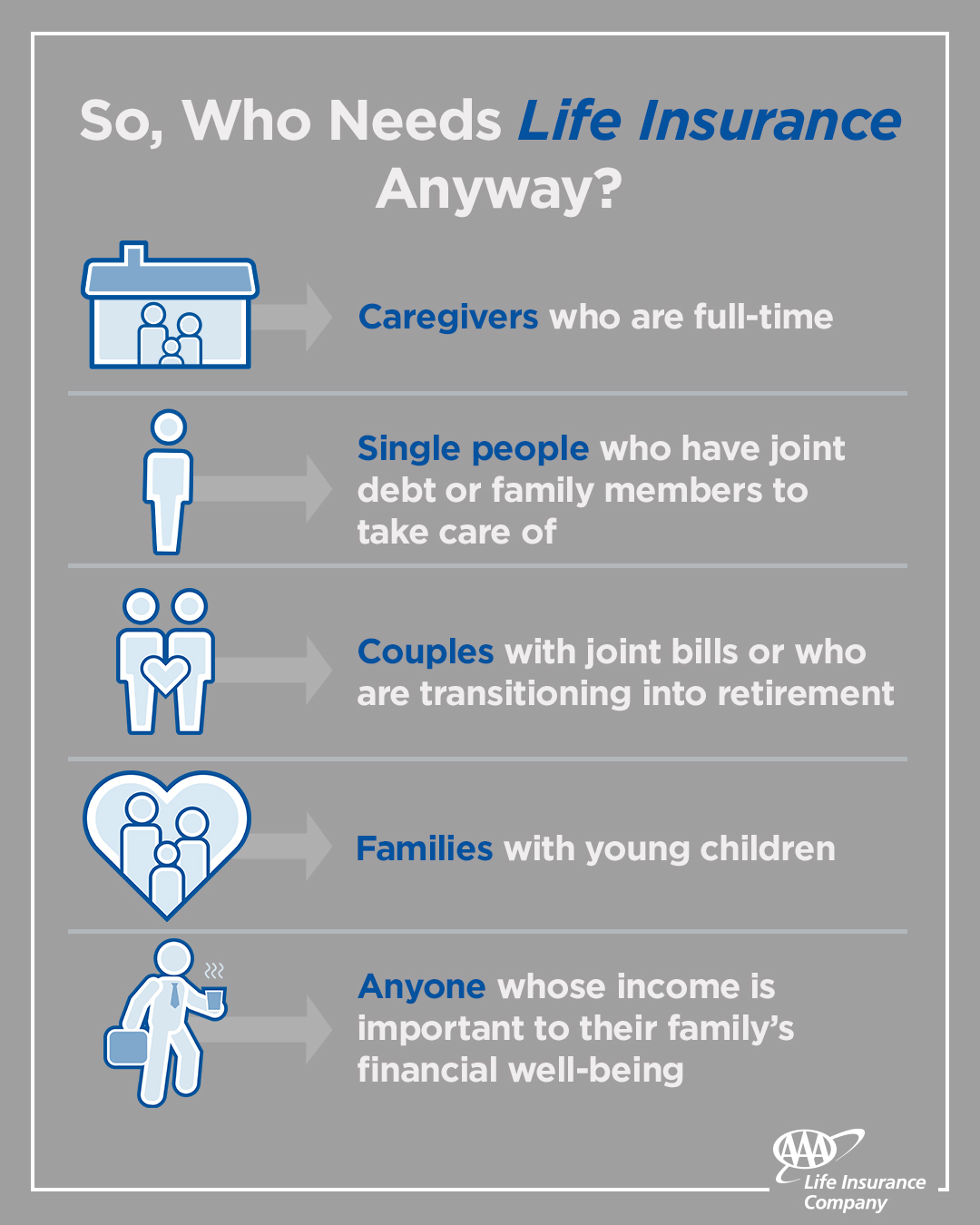
- Income Replacement: Ensures that dependents can maintain their standard of living, pay off mortgages, and fund future education if the primary earner passes away prematurely.
- Estate Liquidity: Permanent policies can provide immediate liquidity to cover probate costs, estate taxes, and legal fees without forcing the heirs to liquidate illiquid real estate or business assets.
- Business Continuation: Companies often utilize specialized life insurance policies—such as key person insurance or buy-sell funding agreements—to stabilize operations and facilitate smooth ownership transitions upon the death of a partner or crucial employee.
Potential Limitations and Cost Considerations
While life insurance is an essential risk-management tool, applicants and policyholders must navigate several potential drawbacks and cost drivers.
- Cost Escalation in Term Renewal: Relying on renewable term insurance as one ages can become financially unsustainable, as premiums increase exponentially with each renewal bracket.
- Complexity of Permanent Products: Universal and variable life insurance contracts feature complex fee structures, administrative charges, and fluctuating crediting rates that require active management to prevent policy lapse.
- Association Program Constraints: Group or association-sponsored plans may not be portable. If an individual leaves the sponsoring organization or if the organization alters its insurance vendor, the coverage could terminate or require expensive conversion.
Frequently Asked Questions
What determines the cost of an IAA or standard life insurance policy?
Insurance pricing is determined by age, gender, tobacco use, health classification, medical history, the chosen coverage amount, and the length of the policy term. Permanent policies also factor in projected investment returns and administrative fees.
Can group association life insurance replace an individual policy?
Group association plans can serve as a useful supplement to individual coverage, but they rarely provide sufficient protection on their own. They frequently feature lower coverage caps and lack the portability of individually owned policies.
What happens if I miss a life insurance premium payment?
Most policies include a grace period—typically 31 days—during which the policy remains active despite a late payment. For permanent policies with accumulated cash value, insurers may automatically draw from the cash value to pay the premium if automatic loan provisions are enabled.
How much life insurance coverage do I actually need?
A common benchmark is securing a death benefit equal to 10 to 12 times your annual income, adjusted for outstanding debts, mortgage balances, future college funding goals, and existing savings or liquid assets.
Is the payout from a life insurance policy taxable?
In most cases, life insurance death benefits paid to a designated beneficiary are received completely free of income tax. However, the proceeds can be subject to estate taxes if the policy is owned improperly or if the estate itself exceeds federal or state exemption thresholds.
Next Steps for Prospective Policyholders
Before committing to any life insurance policy, compile a comprehensive personal balance sheet detailing your current liabilities, ongoing family financial obligations, and long-term estate goals. Compare quotes from multiple carriers or verify the specific terms of any association-sponsored program against independent market alternatives. Consulting an independent financial advisor or licensed insurance specialist ensures that the selected coverage aligns precisely with your risk tolerance and financial objectives.
Image Gallery