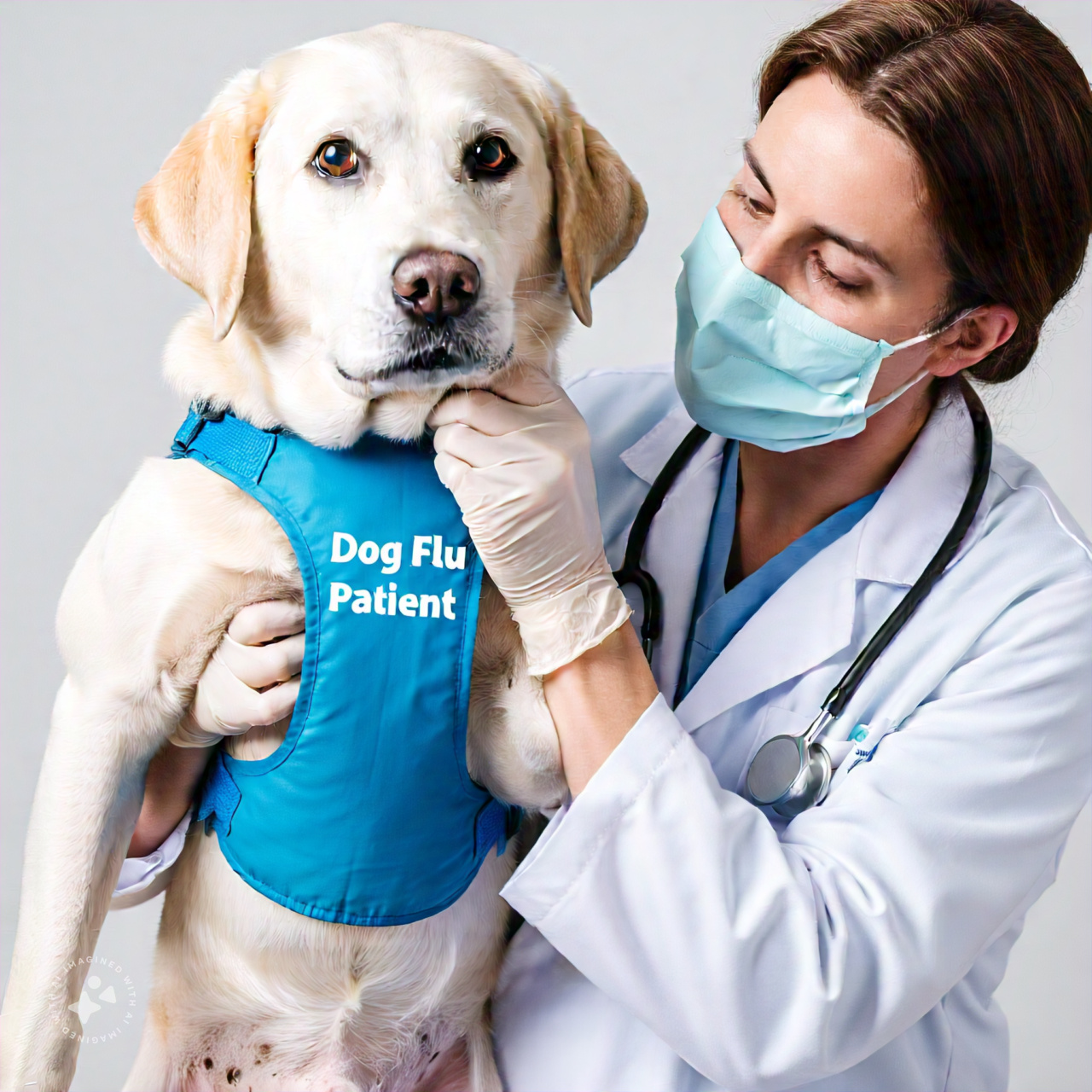
Understanding Canine Parainfluenza: A Comprehensive Guide for Dog Owners
Canine parainfluenza is a highly contagious respiratory virus that affects dogs, serving as one of the primary pathogens responsible for the complex of diseases commonly known as "kennel cough." It is characterized by respiratory sympt...
Canine parainfluenza is a highly contagious respiratory virus that affects dogs, serving as one of the primary pathogens responsible for the complex of diseases commonly known as "kennel cough." It is characterized by respiratory symptoms such as coughing, sneezing, and nasal discharge, often spreading rapidly in environments where dogs congregate closely, such as boarding facilities, dog parks, and shelters.
Contents
The Nature of Canine Parainfluenza Virus (CPIV)
Canine parainfluenza virus (CPIV) is a distinct pathogen from the canine influenza virus, though the symptoms often overlap. As a member of the Paramyxoviridae family, CPIV specifically targets the respiratory tract of dogs. It is primarily transmitted through the air when an infected dog coughs or sneezes, releasing aerosolized viral particles that are subsequently inhaled by susceptible animals. Additionally, the virus can be spread through direct contact with contaminated surfaces, such as shared water bowls, bedding, or toys.
Unlike some other respiratory pathogens that cause systemic, life-threatening illness, CPIV typically results in mild to moderate upper respiratory distress. However, its significance lies in its ability to compromise the mucosal lining of the airway, which often paves the way for secondary bacterial infections. The most notable of these is Bordetella bronchiseptica, which, when combined with CPIV, creates the clinical presentation widely recognized by pet owners and veterinarians as infectious tracheobronchitis, or "kennel cough."
Clinical Signs and Symptom Progression
The incubation period for CPIV is generally short, typically ranging from three to ten days following exposure. Once the virus establishes itself, the most common clinical sign is a persistent, dry, hacking cough. Because the cough can sound like the dog has something stuck in its throat, owners often mistake the condition for a foreign object lodged in the esophagus.
Additional symptoms to monitor include:
- Nasal Discharge: This may be clear or progress to yellow/green if a secondary bacterial infection develops.
- Sneezing: Occasional or frequent episodes of sneezing are common.
- Mild Fever: Some dogs may exhibit a slight increase in body temperature, leading to lethargy or a reduced appetite.
- Ocular Discharge: Mild watery eyes can sometimes accompany respiratory irritation.
In healthy adult dogs, the illness is often self-limiting, meaning the immune system clears the virus within one to two weeks with minimal intervention. However, puppies, senior dogs, and those with pre-existing immunocompromising conditions are at higher risk for developing complications such as bronchopneumonia, which requires more intensive veterinary oversight.
Diagnostic Verification and Veterinary Care
Diagnosis is primarily based on clinical history and the physical examination. Because many respiratory pathogens cause similar symptoms, your veterinarian will evaluate the environment (e.g., recent boarding or daycare) and the duration of the cough. While molecular diagnostic tests, such as PCR (polymerase chain reaction) panels, are available to identify the presence of the CPIV genome in respiratory swabs, they are often reserved for cases that are severe, unresponsive to treatment, or part of a larger outbreak in a kennel environment.
When visiting the clinic, inform the staff about the coughing symptoms before entering the lobby. Many veterinary practices have isolation protocols to prevent the spread of respiratory pathogens to other patients.
| Treatment Approach | Objective |
|---|---|
| Supportive Care | Maintaining hydration and encouraging rest to support immune function. |
| Cough Suppressants | Prescribed if the cough is non-productive and preventing the dog from resting. |
| Antibiotics | Prescribed only if a secondary bacterial infection is suspected or confirmed. |
| Humidification | Using steam (e.g., in a bathroom during a shower) to soothe inflamed airways. |
Note: Always consult a licensed veterinarian before administering any over-the-counter cough medications, as ingredients like xylitol or certain decongestants can be toxic to dogs.
The Role of Vaccination in Prevention
The most effective strategy for managing canine parainfluenza is preventative vaccination. CPIV vaccines are typically administered as part of the "core" or "non-core" vaccination schedule, often combined in the DHPP (Distemper, Hepatitis, Parvovirus, Parainfluenza) cocktail or the Bordetella/Parainfluenza combo.
Vaccines for CPIV are available in both injectable and intranasal (nasal spray) formats. The intranasal vaccine is often favored in high-risk environments because it stimulates local immunity in the mucosal membranes of the respiratory tract—the exact point of entry for the virus. While vaccination significantly reduces the severity of illness and the risk of developing full-blown kennel cough, it is important to understand that no vaccine provides 100% immunity against every strain of the virus. Vaccinated dogs may still contract a mild form of the infection, but they are far less likely to suffer from severe pneumonia or systemic complications.
Environmental Management and Risk Reduction
If you own a dog that frequently interacts with other dogs, understanding environmental risk management is essential. The virus thrives in high-density areas. To minimize exposure:
- Verify Vaccination Protocols: Before boarding your dog or enrolling them in daycare, ensure the facility requires current vaccinations for all attendees.
- Sanitation Awareness: High-quality facilities use veterinary-grade disinfectants known to be effective against enveloped viruses like CPIV.
- Recognize Early Signs: If your dog shows signs of coughing, keep them isolated from other dogs immediately and consult your veterinarian. Do not bring a symptomatic dog to parks or grooming salons.
- Support Immune Health: A balanced diet, adequate hydration, and regular exercise contribute to a robust immune system capable of resisting mild viral challenges.
Frequently Asked Questions (FAQ)
Can humans catch canine parainfluenza from their dogs? No. The canine parainfluenza virus is specific to dogs and is not zoonotic. You cannot contract this virus from your pet, and they cannot contract human influenza or parainfluenza from you.
How long is my dog contagious after exposure? A dog infected with CPIV can shed the virus for several days before symptoms appear and may continue to shed the virus for up to two weeks after the onset of clinical signs. It is best to treat the dog as contagious for at least 14 days after the cough resolves.
Do I need an appointment for a mild cough? While a mild cough might resolve on its own, it is always best to call your veterinarian. If the dog is still eating and acting normally, they may advise monitoring. If the dog becomes lethargic, stops eating, or has difficulty breathing, seek immediate care.
Is the parainfluenza vaccine mandatory? While many boarding facilities and groomers require it for insurance and safety reasons, legal mandates vary by jurisdiction. Always check with your local municipality and your chosen service providers.
If my dog is vaccinated, why did they still get sick? Vaccines reduce the severity and duration of the illness, but they are not a "force field." Exposure to an overwhelming viral load in a crowded, poorly ventilated space can still lead to infection, although the symptoms will likely be much milder than in an unvaccinated dog.
Moving Forward with Canine Health
Canine parainfluenza is a manageable condition that rarely poses a threat to a healthy, vaccinated animal. By maintaining a proactive relationship with your veterinarian and ensuring your dog’s vaccination status is current, you can significantly mitigate the risks associated with communal canine environments. If your dog begins to exhibit a persistent cough, document the symptoms and reach out to your veterinary clinic for guidance. A swift response ensures your pet receives the comfort and care necessary for a speedy recovery.
Image Gallery