Freedom of Speech on the Internet: Legal Frameworks, Platform Rights, and Global Rights in 2026
Freedom of speech on the internet is the application of the fundamental human right to express ideas and information through digital media. In 2026, this right is governed by a complex intersection of national constitutions, internatio...
Freedom of speech on the internet is the application of the fundamental human right to express ideas and information through digital media. In 2026, this right is governed by a complex intersection of national constitutions, international treaties, and the private terms of service enforced by global technology platforms that host public discourse.
Contents
The Jurisdictional Reality of Digital Expression
The primary challenge in defining freedom of speech on the internet is its borderless nature clashing with localized laws. While the Universal Declaration of Human Rights (Article 19) asserts that everyone has the right to hold opinions without interference, the practical application of this right depends heavily on the user's physical location and the jurisdiction where the hosting company is incorporated.
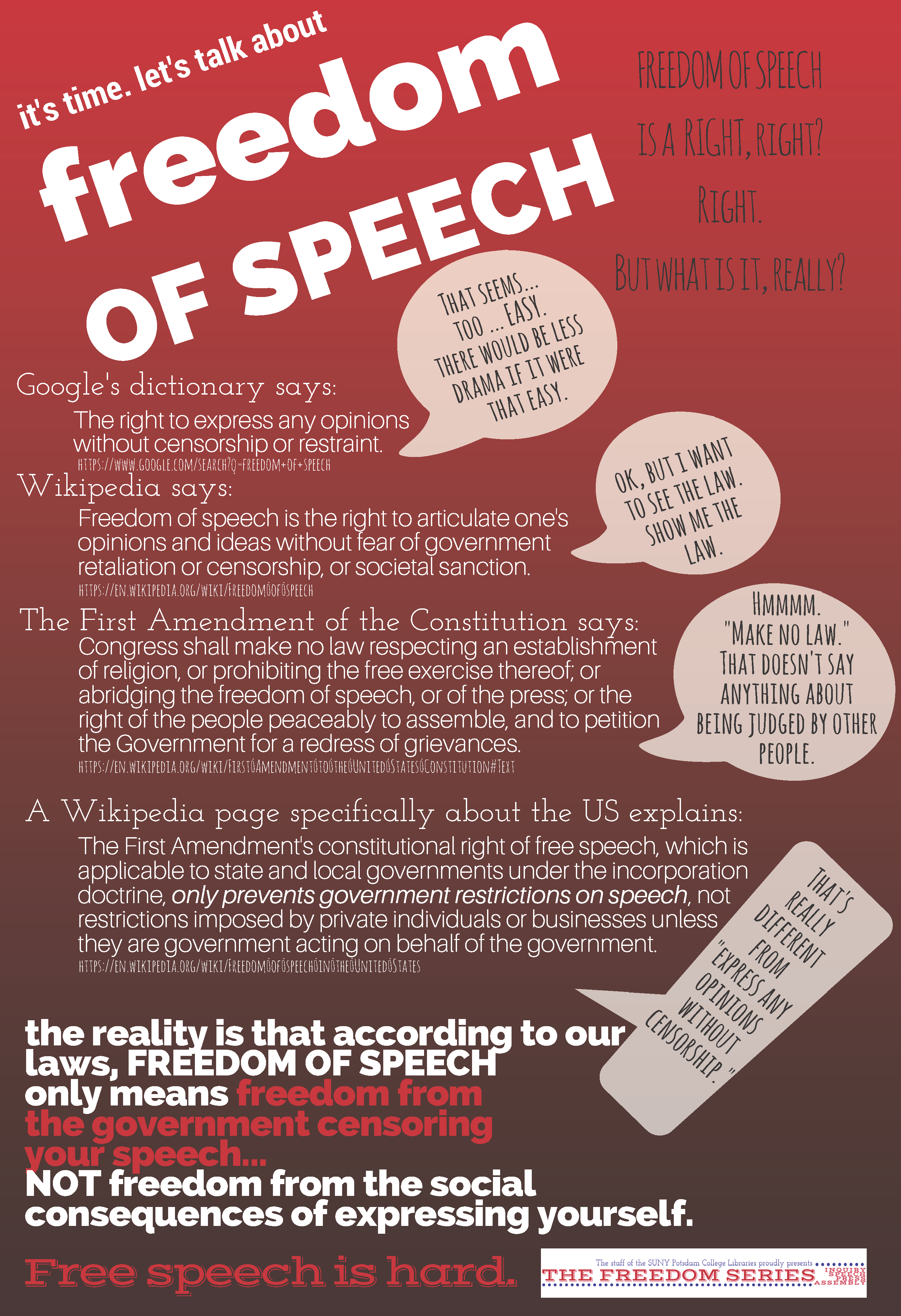
In the United States, the First Amendment protects citizens from government censorship. However, it does not apply to private corporations like Meta, X (formerly Twitter), or Alphabet (Google). These entities are legally permitted to moderate content as they see fit, a concept often misunderstood as a violation of free speech. In 2026, the distinction between a "common carrier" (like a phone company) and a "publisher" remains a central point of legal contention in the digital space.
Conversely, the European Union operates under a different philosophy. The Digital Services Act (DSA), fully matured by 2026, requires platforms to proactively manage illegal content, such as hate speech and terrorist propaganda, while ensuring transparency in their moderation processes. This creates a regulatory environment where "freedom" is balanced against "safety" through mandatory systemic risk assessments.
Section 230 and the Liability Shield
One cannot discuss internet speech without analyzing Section 230 of the Communications Decency Act. This landmark U.S. law provides a "safe harbor" for interactive computer services, ensuring they are not treated as the publisher or speaker of information provided by another content provider.
Why Section 230 Matters in 2026
Without Section 230, the modern internet would likely look vastly different. Platforms would face two extremes:
- Total Non-Moderation: To avoid "editorial" liability, platforms might allow all content, leading to a surge in spam, illegal imagery, and harassment.
- Hyper-Moderation: To avoid lawsuits, platforms might preemptively ban any controversial or legally risky speech, effectively silencing marginalized voices and political dissent.
As of 2026, legislative efforts to reform Section 230 have focused on "conditional immunity." This means platforms may only keep their liability shield if they adhere to specific transparency standards or demonstrate politically neutral moderation—though the latter remains highly controversial and legally difficult to define.
Global Comparison of Speech Regulations
The following table outlines how different regions approach the regulation of online speech as of 2026.
| Region | Primary Legal Framework | Core Philosophy | Enforcement Mechanism |
|---|---|---|---|
| United States | First Amendment / Section 230 | High protection for individual speech; private platform autonomy. | Judicial review and civil litigation. |
| European Union | Digital Services Act (DSA) | Balance between free expression and protection from "systemic risks." | Heavy fines (up to 6% of global turnover). |
| United Kingdom | Online Safety Act | Duty of care to protect users (especially children) from harmful content. | Ofcom regulatory oversight and criminal penalties. |
| China | Cybersecurity Law | Sovereign control; speech must align with social harmony and state interests. | The "Great Firewall" and social credit implications. |
| Brazil | Marco Civil da Internet | Emphasis on net neutrality and user privacy as prerequisites for speech. | Federal police intervention and service suspensions. |
Content Moderation: The New Editorial Gatekeeping
In 2026, content moderation has evolved from simple keyword filtering to sophisticated AI-driven sentiment analysis. Platforms argue that moderation is necessary to maintain a "healthy" environment for advertisers and users. However, critics argue that these algorithms often lack the nuance to distinguish between satire, educational content, and genuine violations.
The Problem of "Shadowbanning"
Shadowbanning—the practice of reducing the visibility of a user's content without notifying them—remains a significant point of friction. Users often perceive this as a covert form of censorship. In response, the Electronic Frontier Foundation (EFF) and other advocacy groups have pushed for the "Santa Clara Principles," which demand:
- Numbers: Platforms should publish the total number of posts removed.
- Notice: Platforms should provide clear notice to users when their content is flagged.
- Appeal: Platforms must provide a meaningful opportunity for users to contest moderation decisions.
The Rise of Decentralized Platforms
As centralized platforms face increasing pressure from both governments and users, the "Fediverse" and decentralized protocols like Nostr and Bluesky have gained significant traction. These systems shift the power of moderation from a single corporate entity to individual server owners or the users themselves.
On a decentralized network, freedom of speech is technically more robust because there is no central "kill switch." If one server (or "instance") bans a user, that user can simply move their identity to another server or host their own. This architecture mirrors the original intent of the internet as a resilient, distributed network, though it introduces challenges in curbing genuinely illegal content like child sexual abuse material (CSAM).
Digital Sovereignty and the "Splinternet"
The concept of the "Splinternet" has become a reality in 2026. Countries like Russia, Iran, and China have moved toward digital sovereignty, where the national internet is increasingly isolated from the global web. In these jurisdictions, freedom of speech on the internet is severely curtailed by state-mandated firewalls and real-name registration requirements.
For citizens in these regions, tools like Virtual Private Networks (VPNs) and the Tor Browser are essential for accessing the open web. However, the use of such tools is often criminalized, making the act of seeking information a high-risk endeavor. The United Nations Office of the High Commissioner for Human Rights continues to monitor these developments, asserting that internet shutdowns are a violation of international law.
Identifying and Navigating "Harmful" Speech
A major hurdle for free speech in 2026 is the lack of a universal definition for "harm." What one culture considers political discourse, another may categorize as "incitement to violence."
- Misinformation vs. Disinformation: Misinformation is the accidental sharing of false data, whereas disinformation is the deliberate attempt to deceive. Platforms often struggle to prove intent, leading to broad-spectrum bans.
- Hate Speech: While the U.S. generally protects hate speech unless it incites "imminent lawless action," many other nations have specific statutes criminalizing speech that demeans protected groups.
- Doxxing and Harassment: Speech that reveals private information or coordinates harassment is almost universally restricted by platform terms of service, even if it is technically "protected" by national laws.
Frequently Asked Questions
Does the First Amendment apply to social media sites like Facebook or X?
No. The First Amendment only restricts the government from censoring speech. Private companies are generally free to set their own rules regarding what content they allow on their platforms. They are considered private property in a digital sense, meaning they can "evict" users who violate their terms of service.
What is the "Digital Services Act" (DSA)?
The Digital Services Act is an EU regulation that sets out new standards for platform accountability. It requires large tech companies to be more transparent about their algorithms, provide better reporting tools for illegal content, and ensures that users have clear ways to appeal content removals.
Can a government legally shut down the internet?
Under international human rights law, blanket internet shutdowns are generally considered a disproportionate response that violates the right to free expression. However, many governments use national security laws to justify these shutdowns during periods of civil unrest or elections.
How do algorithms affect my right to free speech?
Algorithms do not necessarily "censor" speech in the legal sense, but they do "curate" it. By prioritizing certain types of content for engagement, algorithms can effectively silence voices by burying them in search results or feeds. This is often referred to as "algorithmic suppression."
Is "hate speech" a legal category of unprotected speech in the U.S.?
In the United States, there is no general "hate speech" exception to the First Amendment. Speech that is offensive or hateful is still protected unless it crosses the line into direct threats, incitement to immediate violence, or "fighting words" that provoke an immediate physical confrontation.
Practical Steps for Users
To navigate the complexities of internet speech in 2026, users should diversify their digital presence. Relying on a single platform for information or communication creates a single point of failure for your right to expression. Utilizing encrypted messaging apps like Signal ensures your private speech remains private, while exploring decentralized social networks can provide a safeguard against arbitrary corporate censorship. Always review the Privacy Policy and Terms of Service of any platform to understand what rights you are waiving when you sign up.
Image Gallery