Exploring the Whimsical World of Naomi Lord: An Overview of Her Character Art and People Illustrations
Naomi Lord is a prominent UK-based digital artist celebrated for her distinctive "chibi" and "kawaii" aesthetic. Her work primarily focuses on reimagining pop culture icons, zodiac signs, and fantasy archetypes as adorable, soft-featur...
Naomi Lord is a prominent UK-based digital artist celebrated for her distinctive "chibi" and "kawaii" aesthetic. Her work primarily focuses on reimagining pop culture icons, zodiac signs, and fantasy archetypes as adorable, soft-featured characters, blending traditional fantasy elements with a modern, approachable digital style that resonates with millions of followers across social media and commercial platforms.
Contents
As of 2026, Naomi Lord remains a cornerstone of the digital art community, specifically within the "cozy art" and "cottagecore" niches. Her ability to translate complex characters into simplified, emotionally resonant "people" has not only defined her career but has also influenced a generation of digital illustrators. This overview explores the technical nuances, thematic depth, and commercial impact of her character-focused portfolio.
The Architectural Foundation of Naomi Lord’s Character Style
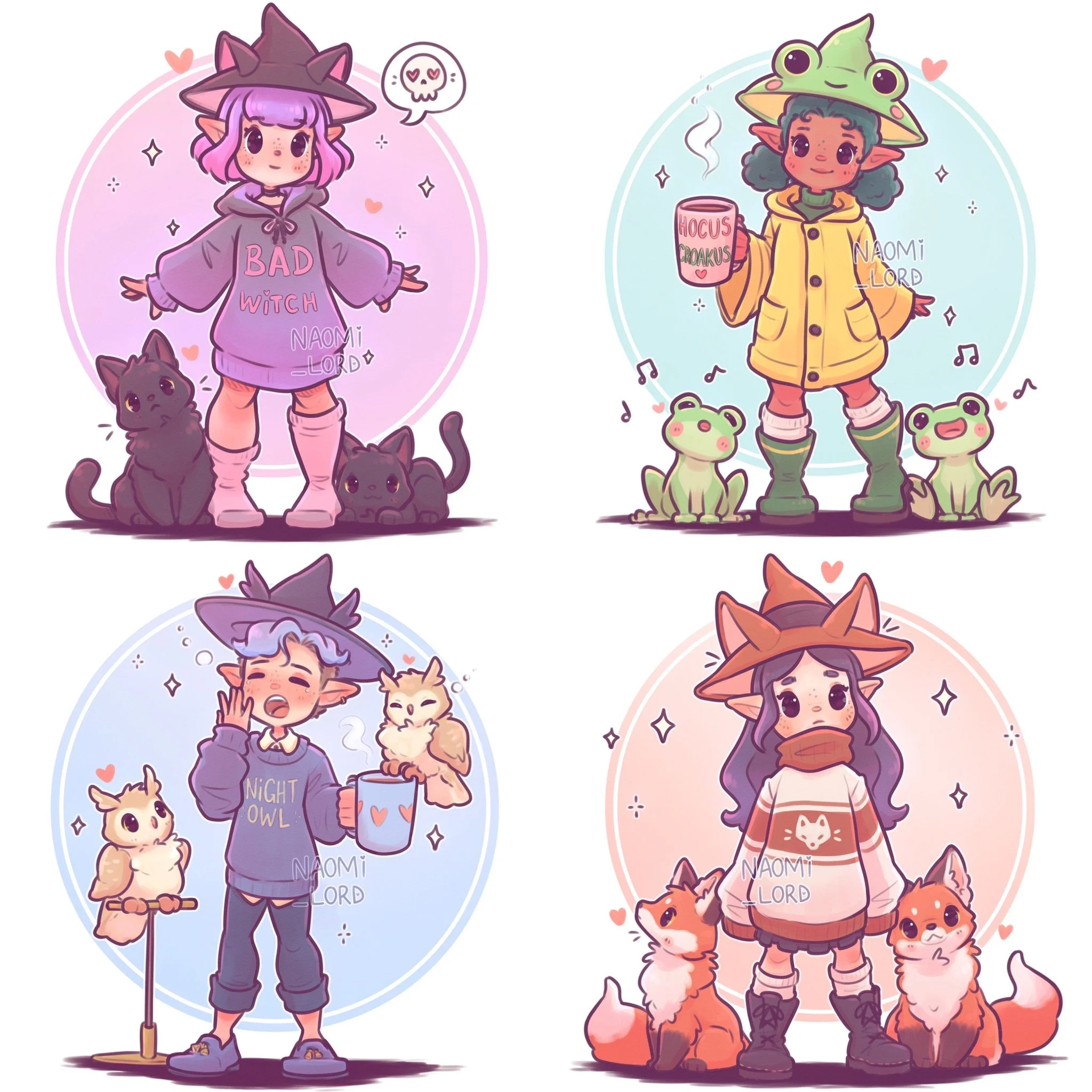
The primary appeal of Naomi Lord’s art lies in its stylistic consistency. When she illustrates "people"—whether they are original characters, mythological figures, or fan art subjects—she adheres to a specific set of anatomical rules that define the chibi sub-genre. Chibi art, derived from Japanese slang for "short" or "small," focuses on exaggerated proportions to maximize cuteness.
Anatomical Proportions and Geometry
Lord’s human figures typically follow a two-to-three-head height ratio. This means the head is roughly the same size as the rest of the body. By simplifying the human form into rounded shapes—circles for the head and soft triangles or rectangles for the torso—she removes the "uncanny valley" effect often found in realistic digital art. This simplification allows the viewer to focus on the emotional cues of the character rather than anatomical perfection.
The "Lord" Eyes and Facial Features
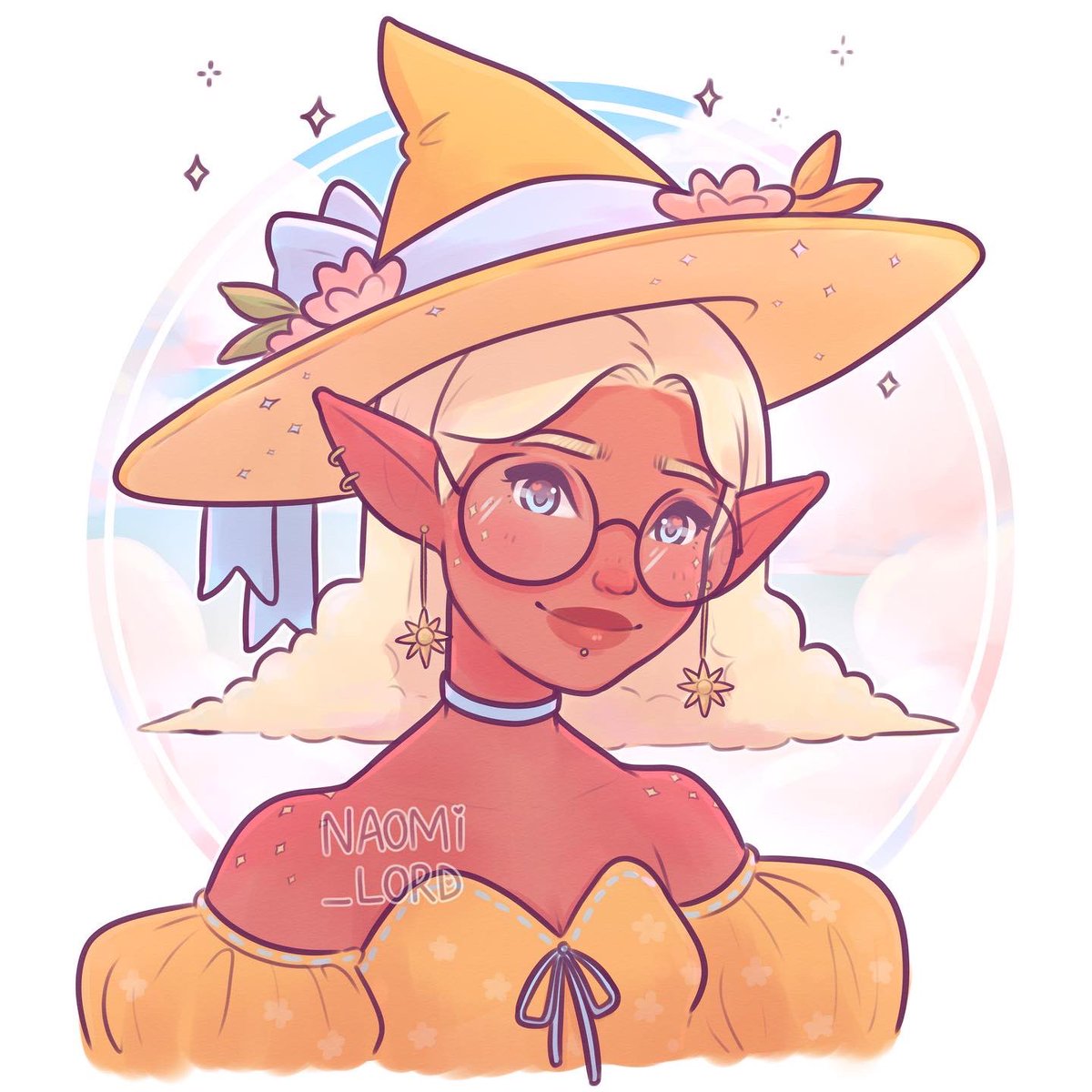
The eyes are the most critical component of her character designs. They are disproportionately large, often occupying nearly a third of the face. Lord utilizes a multi-layered shading technique for the irises, incorporating "sparkles" or white highlights that suggest depth and life. The nose is frequently omitted or reduced to a tiny dot, while the mouth is kept minimal, usually a simple curve or a small "v" shape. This minimalism in facial features ensures that the characters appear non-threatening and universally appealing.
Soft Color Palettes and Line Work
A defining technical trait of Lord’s people is the line work. Unlike traditional western comics that use stark black outlines, Lord often employs colored line art—dark browns, deep purples, or muted blues—that blend more naturally with her pastel-heavy color palettes. This reduces the visual "weight" of the drawing, contributing to the overall "soft" and "dreamy" atmosphere of her portfolio.
Major Thematic Series: Personifying the Abstract
Naomi Lord’s work is often organized into thematic series where she takes non-human concepts and reimagines them as human characters. This "gijinka" (personification) style is where her creativity truly shines, particularly in how she assigns personality through costume design.
The Zodiac and Celestial Series
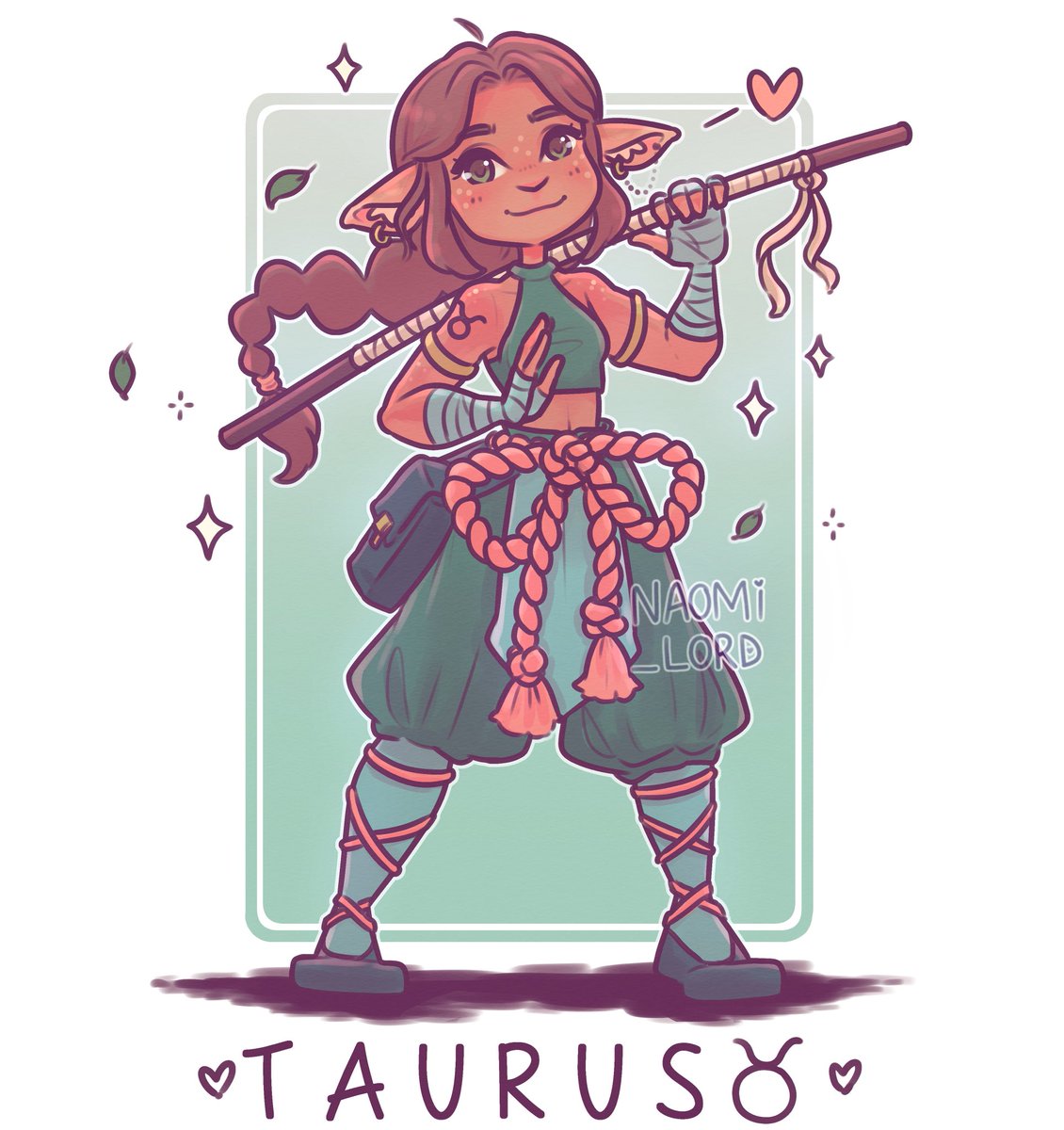
One of her most celebrated projects involves the personification of the twelve Zodiac signs. In this series, Lord doesn't just draw symbols; she creates "people" who embody the elemental and personality traits of each sign.
- Earth Signs (Taurus, Virgo, Capricorn): Often depicted with botanical elements, horns (for Taurus/Capricorn), and earthy tones like olive green and terracotta.
- Water Signs (Cancer, Scorpio, Pisces): Featuring flowing hair, iridescent textures, and themes of mystery or emotional depth.
- Fire and Air: Utilizing dynamic poses and brighter, more aggressive or ethereal color schemes.
Dungeons & Dragons (D&D) and Fantasy Archetypes
Lord has gained significant traction within the tabletop gaming community by illustrating "people" based on D&D classes. Her interpretations of Tieflings, Elves, and Humans as Paladins, Rogues, or Druids provide a "cute" alternative to the typically gritty aesthetic of fantasy gaming. These designs emphasize the gear and clothing of the characters—tiny capes, oversized swords, and glowing spell effects—which make them highly popular for use as digital avatars and character tokens.
Mythological Reimagining
From Greek gods to Japanese folklore, Lord has a penchant for taking figures of high drama and softening them. Her versions of Hades and Persephone, for example, focus on the romantic and "aesthetic" aspects of the myth rather than the tragedy. This approach has made ancient mythology accessible to a younger, more design-conscious audience.
Technical Execution: Tools of the Trade in 2026
For aspiring artists looking at Naomi Lord’s "people overview" as a blueprint, understanding her technical stack is essential. While she has experimented with various media, her primary workflow has remained centered on high-end mobile digital tools.
- Hardware: The iPad Pro remains her primary canvas, paired with the Apple Pencil. The tactile nature of drawing directly on the screen allows for the fluid, organic lines that characterize her work.
- Software: Procreate is the industry standard for the style Lord practices. She makes extensive use of custom brush sets, particularly those that mimic "dry ink" for outlines and soft "airbrushes" for the gradients in skin tones and hair.
- Layering Technique: Lord’s characters are built in distinct stages. She typically begins with a rough sketch in a light color, followed by clean line art on a separate layer. The coloring process involves "flatting" (filling in basic colors) followed by multiple clipping masks for shading and highlights. This non-destructive workflow allows her to adjust color schemes rapidly, a necessity for her high-volume commercial output.
Commercial Impact and the Artist-Entrepreneur Model
Naomi Lord serves as a primary case study for the modern "artist-entrepreneur." She has successfully transitioned from a social media personality to a brand. Her "people" designs are not just art; they are products.
| Category | Primary Platforms | Impact/Usage |
|---|---|---|
| Merchandise | Etsy, Personal Webstore | Enamel pins, stickers, and stationery featuring her original characters. |
| Crowdfunding | Patreon | Exclusive "step-by-step" tutorials and monthly art rewards for fans. |
| Publishing | Art Books, Calendars | Compiled collections of her Zodiac and Fantasy series for physical purchase. |
| Social Media | Instagram, TikTok | Viral reach through "Draw This In Your Style" (DTIYS) challenges and process videos. |
| Licensing | Corporate Partnerships | Occasional collaborations with stationery or gaming brands for limited edition releases. |
By maintaining a consistent style, she has created a "Naomi Lord Brand" that is instantly recognizable. This recognition is vital in a saturated market, as it allows her to sell products based on her style alone, regardless of whether the character depicted is a known intellectual property or a new creation.
The Influence on the "Kawaii" Art Movement
Beyond her individual success, Lord’s overview of people and character design has influenced the broader digital art landscape. She popularized a specific type of "shading" where the cheeks and joints (elbows, knees) are given a soft pink glow, regardless of the character’s base skin tone. This "blushed" look has become a staple of the kawaii art movement.
Furthermore, her transparency regarding her process—often sharing time-lapse videos of her sketches—has demystified digital illustration for beginners. She emphasizes that character design is about shape language and color harmony rather than technical realism. This philosophy has lowered the barrier to entry for many young artists who previously felt intimidated by the rigorous demands of traditional anatomy.
Common Challenges and Considerations in This Style
While the "Naomi Lord style" appears simple, it presents unique challenges for those attempting to emulate it.
- Balancing Simplicity and Detail: One of the most difficult aspects of Lord’s "people" overview is knowing what to leave out. If a chibi character has too much detail, it becomes cluttered; too little, and it looks unfinished. Lord masters this by keeping the body simple while adding high-detail "accents," such as intricate hair accessories or glowing magical elements.
- Color Fatigue: Because the style relies heavily on pastels and desaturated tones, there is a risk of the portfolio looking monochromatic. Lord avoids this by using "accent colors"—small pops of high-saturation color (like bright gold or deep crimson) to draw the eye to specific focal points.
- Originality vs. Fan Art: A significant portion of Lord's popularity came from fan art (e.g., Harry Potter, Ghibli). Navigating the transition to purely original characters requires a strong personal brand, which Lord achieved by infusing her fan art with such a specific style that the style itself became the draw, rather than just the subject matter.
FAQs About Naomi Lord's Art and Style
What software does Naomi Lord use for her character illustrations?
Naomi Lord primarily uses Procreate on the iPad Pro. This software allows her to utilize specialized brushes that create the textured, ink-like lines and soft gradients seen in her work. The portability of the iPad also suits her high-output workflow.
Is Naomi Lord's art considered anime or manga?
While her work draws heavy inspiration from Japanese "chibi" and "kawaii" styles, it is more accurately categorized as a "Western-Kawaii" hybrid. It combines the simplified proportions of manga with a color palette and shading style more common in modern digital illustration and indie stationery design.
How does she choose the colors for her "People" series?
Lord typically uses a "limited color palette" for each character. She chooses one dominant color and then selects 2-3 analogous or complementary colors to fill out the design. She frequently uses "warm neutrals" (beiges and soft browns) to ground her more vibrant pastel choices.
Can I use Naomi Lord's characters for my own D&D campaign?
Generally, artists like Naomi Lord allow fans to use their work for personal, non-commercial purposes (like a character avatar in a private game). However, using her art for commercial projects, streaming assets, or redistributed content without a license is a violation of copyright. Many of her designs are available as stickers or pins for fans to purchase and display.
What is the best way to learn her style of character drawing?
The best approach is to focus on "shape language." Start by sketching characters using only circles and rounded rectangles. Focus on making the head large and the eyes expressive. Lord herself often shares process videos on social media, which are excellent resources for observing her layering and shading techniques.
Summary and Next Actions
Naomi Lord’s overview of art and people is a testament to the power of a cohesive aesthetic. By focusing on emotional resonance, soft colors, and simplified anatomy, she has carved out a massive niche in the digital world. For artists and collectors alike, her work represents the pinnacle of the "cute" fantasy movement.
If you are looking to explore her work further, consider the following next steps:
- Analyze Shape Language: Study her Zodiac series to see how she uses different shapes to represent different personalities.
- Experiment with Color: Try using a "colored line art" technique in your own digital sketches to see how it changes the "mood" of your character.
- Support the Artist: Visit her official Etsy or Patreon to see her latest 2026 collections and support her ongoing creative projects.
Image Gallery