What the Main Drain Clean Out Cost Looks Like in 2026
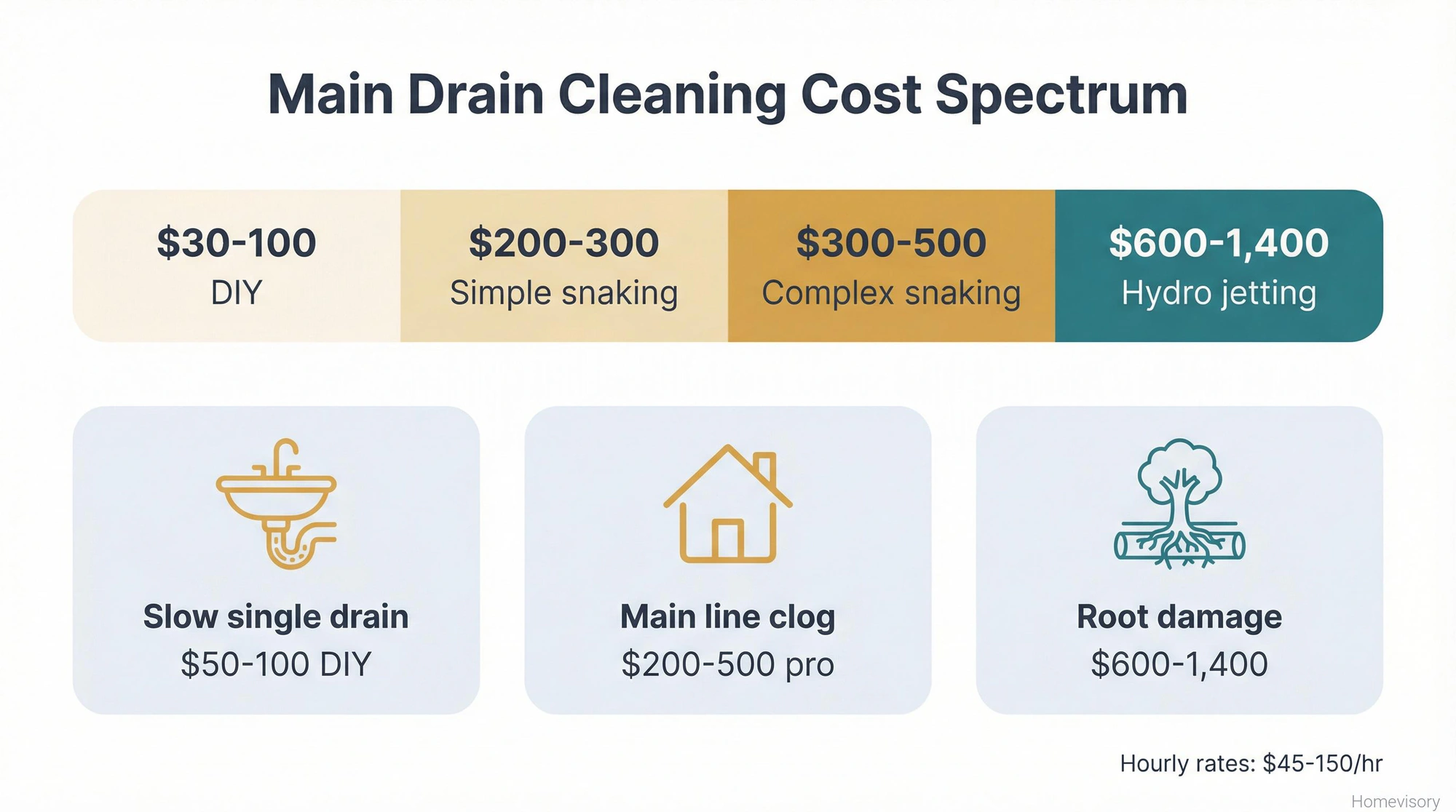
In 2026, a standard main drain cleanout typically costs between $250 and $850 for professional snaking or high-pressure clearing. If the job requires advanced hydro-jetting, costs usually range from $450 to $1,000. Complex scenarios in...
In 2026, a standard main drain cleanout typically costs between $250 and $850 for professional snaking or high-pressure clearing. If the job requires advanced hydro-jetting, costs usually range from $450 to $1,000. Complex scenarios involving tree root removal or installing a new access point can exceed $2,500.
Contents
Determining exactly what the main drain clean out cost looks like requires an understanding of your home’s plumbing architecture and the specific nature of the obstruction. Unlike a simple sink clog, the main sewer line is the central artery of your home’s waste management system. When this line fails, every fixture in the house is affected, often leading to backups in low-lying drains like basement showers or floor drains. Because the main line is buried underground and carries all household effluent to the municipal sewer or a septic tank, resolving issues there involves specialized equipment and significant labor.
Understanding the Main Drain Cleanout Process
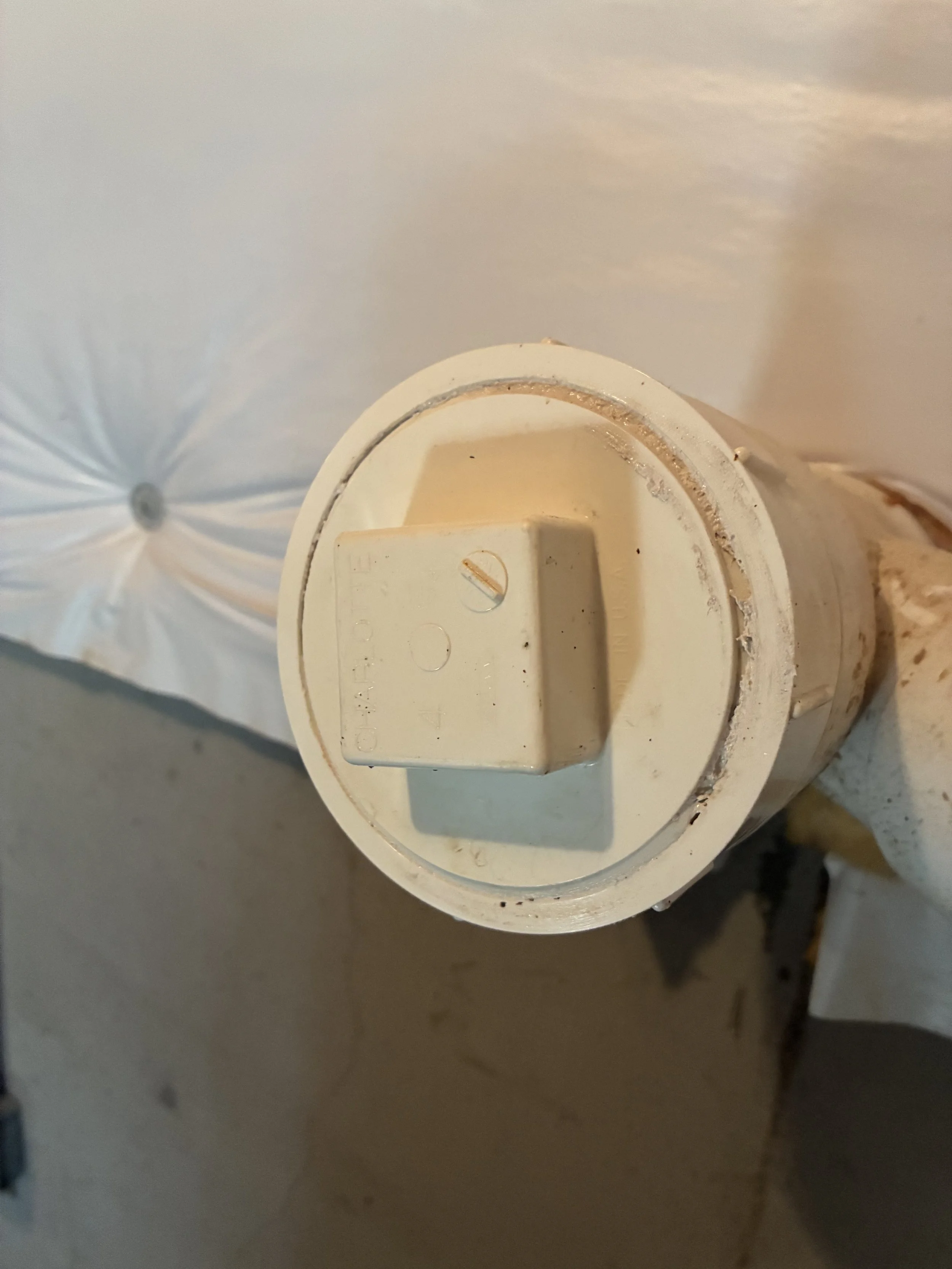
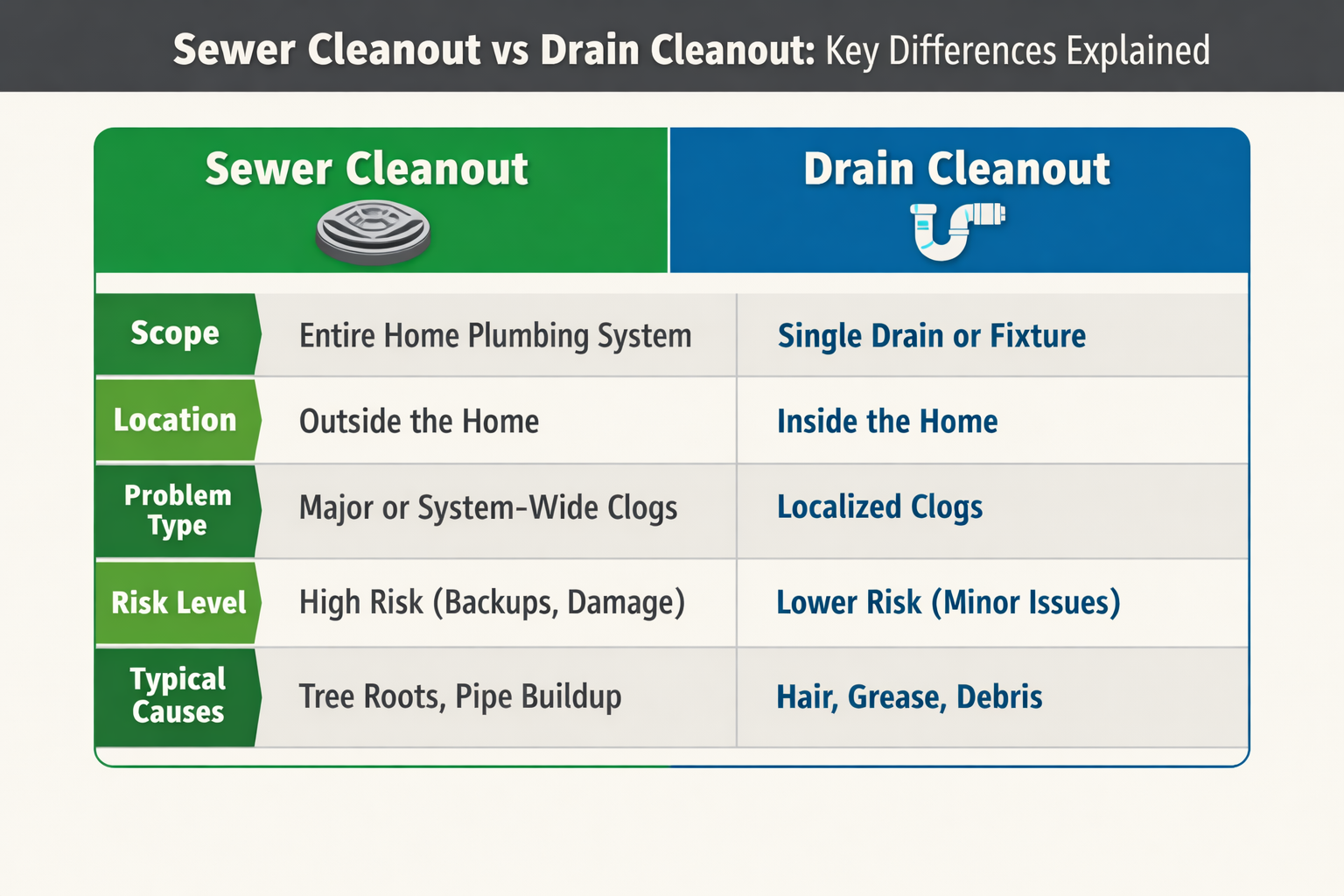
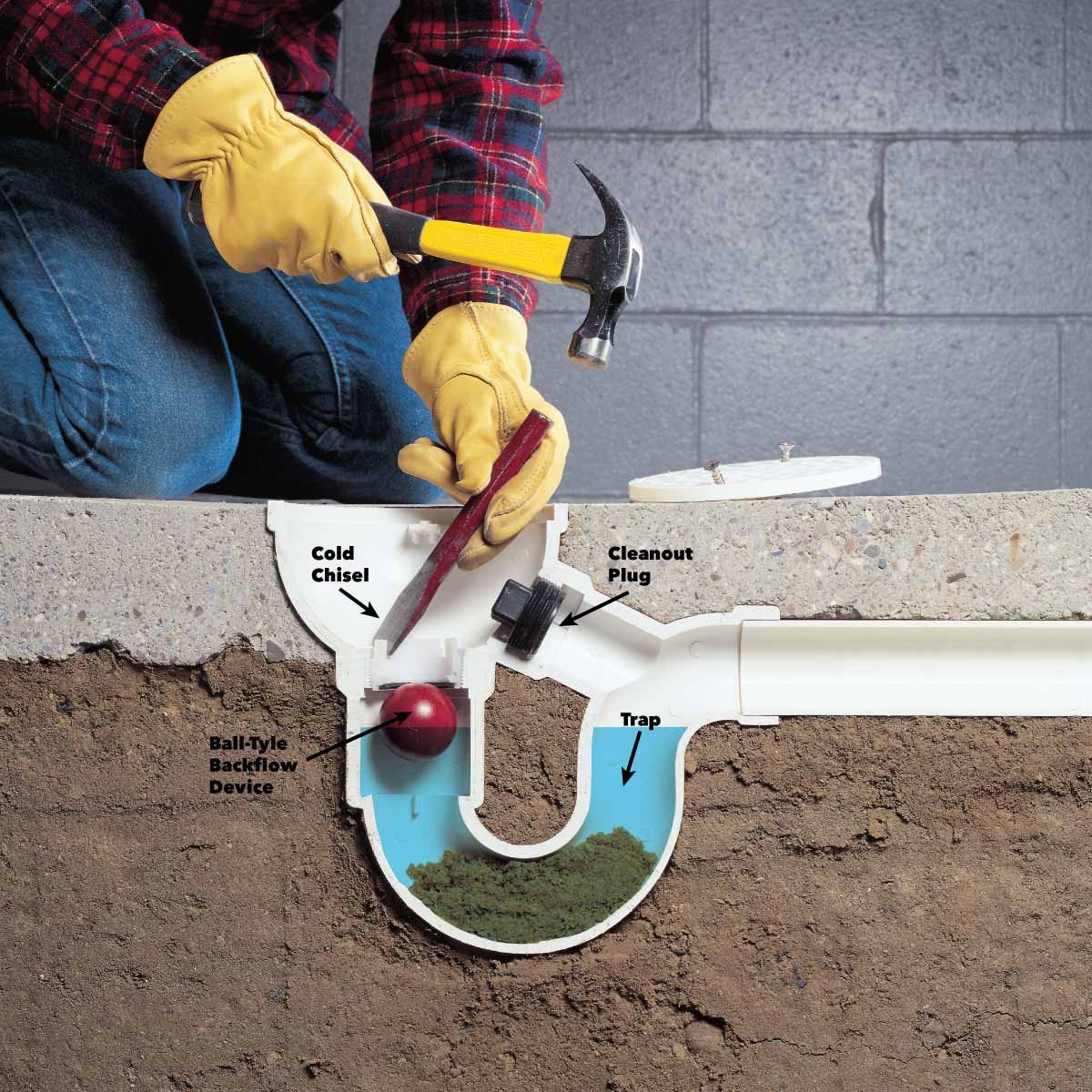
The "main drain" refers to the sewer lateral, the pipe that connects your home's internal plumbing to the public sewer main under the street. A cleanout is a specific access point—usually a pipe with a removable cap—located either in the basement, a crawlspace, or outside in the yard.
When a plumber arrives to clear a main line, their first objective is to locate this access point. If your home was built before the 1970s, it may lack an outdoor cleanout, forcing the technician to work from the roof vent or by removing a toilet. Working through these alternative points increases the labor time and, consequently, the final bill. In 2026, most modern building codes require accessible exterior cleanouts, which simplify the process and keep maintenance costs lower over the long term.
Average Cost Breakdown by Methodology
The method used to clear the line is the most significant variable in your total invoice. Plumbers choose a tool based on the suspected cause of the blockage, which is often identified via a preliminary camera inspection.
Sewer Camera Inspection (The Diagnostic Foundation)
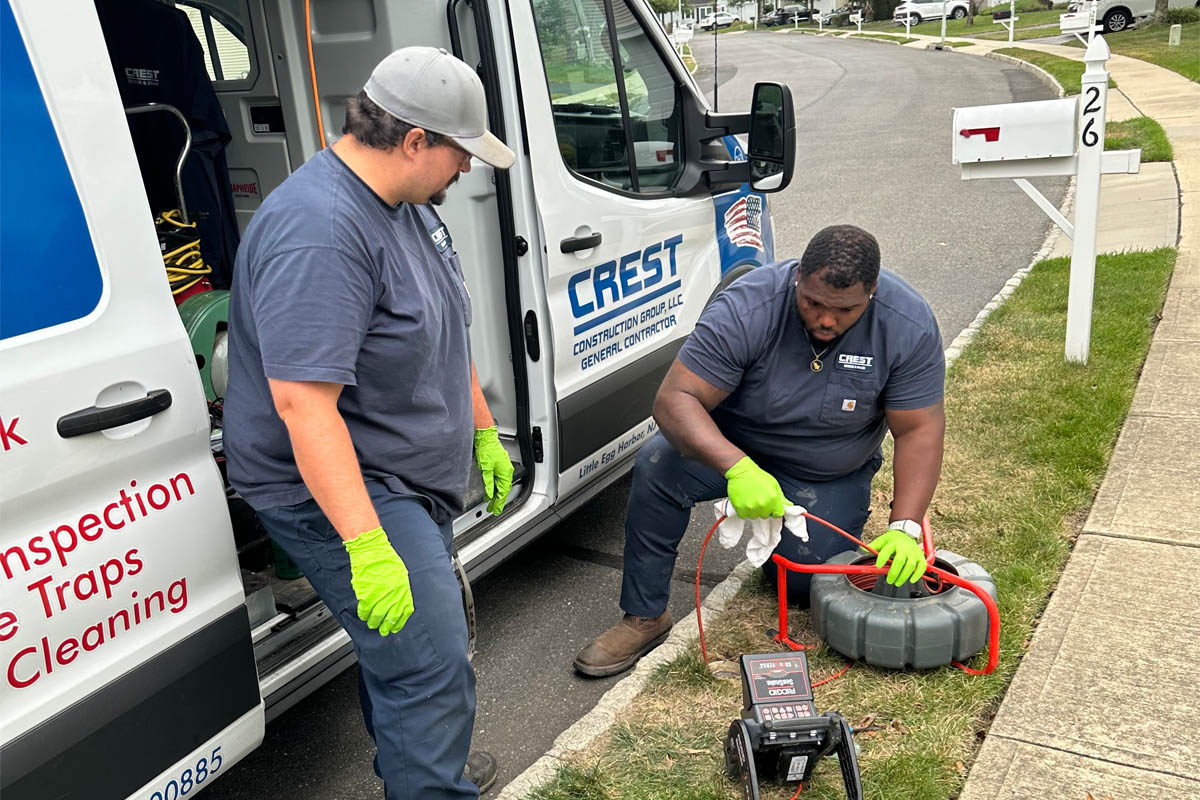
Before any clearing begins, most reputable firms perform a video pipe inspection. As of 2026, high-definition sewer cameras are standard. A technician feeds a fiber-optic cable with a camera head down the line to see if the problem is a simple clog, a mass of tree roots, or a structural collapse.
- Average Cost: $250 – $500.
- Note: Many companies offer a "free" camera inspection with a paid clearing service, but ensure you receive the digital footage for your records.
Snaking and Augering (Mechanical Clearing)
This is the traditional method for clearing "soft" clogs caused by hair, grease, or paper products. A motorized drain auger (or "snake") uses a flexible steel cable with a cutting head to break up the blockage.
- Average Cost: $175 – $450.
- Best for: Minor grease buildup or foreign objects lodged in the pipe.
Hydro-Jetting (High-Pressure Cleaning)
Hydro-jetting is the gold standard for restoring a pipe to near-original condition. It involves blasting the interior of the pipe with water at pressures up to 4,000 PSI. This is particularly effective for heavy grease accumulation and "descaling" old cast iron pipes that have become narrowed by mineral deposits.
- Average Cost: $450 – $950.
- Best for: Recurring clogs and comprehensive pipe cleaning.
Factors That Dictate the Final Bill
When you receive a quote, several logistical factors will influence whether you pay the lower or higher end of the spectrum.
- Accessibility of the Cleanout: If the plumber has to spend an hour digging to find a buried cleanout or must pull a toilet to gain access, expect to pay an additional $150 to $300 in labor.
- Emergency vs. Scheduled Service: Main line backups rarely happen at convenient times. Emergency calls on weekends, holidays, or after 6:00 PM typically incur a "trip fee" or a higher hourly rate, often doubling the standard labor charge.
- Severity of Obstruction: A "soft" clog is much faster to clear than "hard" obstructions like invasive tree roots. If a plumber has to swap out multiple cutting heads on an auger to saw through thick roots, the time on-site increases.
- Geographic Location: Labor rates in 2026 vary significantly by region. Homeowners in high-density urban areas like New York City or San Francisco should expect costs to be 30% to 50% higher than the national average due to higher overhead and permit costs.
The Cost of Installing a New Cleanout
If your home lacks an accessible cleanout, a plumber may recommend installing one. This is a significant plumbing project that involves excavating a portion of your yard to reach the sewer lateral.
Installing a new 4-inch PVC cleanout with a localized access box typically costs between $1,500 and $3,500. While this is a high upfront cost, it drastically reduces the price of every future service call. Without a cleanout, plumbers often have to work through "P-traps" or roof vents, which limits the size of the equipment they can use and increases the risk of damage to your internal plumbing.
Major Obstacles and Repair Escalations
Sometimes, a "cleanout" reveals that the pipe is beyond simple cleaning. If the camera inspection shows a collapsed section of pipe or a complete breach by roots, you are moving from maintenance into the realm of sewer repair.
- Tree Root Intrusions: While roots can be cut out for $300–$600, they will grow back. A permanent fix involves chemical foaming treatments or "trenchless" pipe lining.
- Pipe Descaling: Older cast iron pipes develop jagged edges that catch debris. Descaling with a specialized rotating chain tool can cost $600 to $1,200 but can save a pipe from needing replacement.
- Trenchless Pipe Lining (CIPP): If the pipe is cracked, Cured-in-Place Pipe (CIPP) lining allows a new "pipe within a pipe" to be created without digging up the entire yard. This high-tech solution typically costs $150 to $250 per linear foot.
2026 Main Drain Service Cost Comparison
| Service Type | Estimated Cost (Low) | Estimated Cost (High) | Primary Benefit |
|---|---|---|---|
| Camera Inspection | $250 | $500 | Accurately identifies the location and type of blockage. |
| Standard Snaking | $175 | $450 | Quick, affordable solution for simple debris clogs. |
| Hydro-Jetting | $450 | $1,000 | Scours pipe walls clean; highly effective for grease. |
| Root Cutting | $350 | $800 | Uses heavy-duty blades to clear invasive vegetation. |
| Cleanout Installation | $1,500 | $3,500 | Provides permanent, easy access for future maintenance. |
| Emergency Surcharge | $150 | $400 | Flat fee added for nights, weekends, or holidays. |
DIY vs. Professional Intervention
While you can rent a large power auger from a local hardware store for approximately $75 to $125 per day, DIY main line cleaning is often discouraged. The main sewer line is usually 4 to 6 inches in diameter and requires a heavy-duty 3/4-inch cable. These machines are powerful and can cause serious injury if the cable binds and "whips."
Furthermore, using the wrong cutting head or applying too much force can shatter old clay pipes or punch through weakened orangeburg (bituminized fiber) pipes. A professional plumber brings the expertise to feel the "feedback" of the cable and the camera technology to ensure the line is actually clear. In 2026, the risk of property damage from an improper DIY attempt often outweighs the $300–$500 saved on labor.
Frequently Asked Questions
Does homeowners insurance cover the cost of a main drain cleanout?
Generally, standard homeowners insurance does not cover routine maintenance or clogs caused by wear and tear, such as grease buildup or tree roots. However, if you have a "Sewer Backup Endorsement" on your policy, it may cover the cleanup of water damage resulting from the backup, though it rarely pays for the plumbing service to clear the pipe itself.
How often should a main drain be cleaned?
For most residential properties, a preventative cleanout every 3 to 5 years is sufficient. If you live in an older home with large mature trees near the sewer line, an annual inspection or light snaking may be necessary to prevent catastrophic backups.
What are the signs that I need a main drain cleanout?
The most common indicators are multiple slow drains throughout the house, gurgling sounds coming from the toilets when the washing machine drains, or the presence of raw sewage in basement floor drains. If you notice a persistent foul odor in your yard or "lush" patches of grass over the sewer line, it may indicate a leak or a major blockage.
Can chemicals clear a main sewer line?
Rarely. While caustic drain cleaners may clear a small sink clog, the volume of water in a main line dilutes these chemicals too much to be effective against large obstructions or roots. Furthermore, these chemicals can generate heat that damages PVC pipes or accelerates the corrosion of cast iron.
Is hydro-jetting worth the extra cost?
Yes, especially if your pipes are prone to grease buildup or heavy scale. While snaking merely punches a hole through a clog, hydro-jetting cleans the entire circumference of the pipe. This prevents debris from immediately snagging on leftover residue, significantly extending the time between service calls.
Final Recommendations for Homeowners
When faced with a main line issue, the first step is to stay calm and minimize water usage to prevent further backup. Always request a line item quote that separates the diagnostic fee from the clearing fee. Before agreeing to expensive repairs, ask the technician to show you the camera footage and explain the specific points of failure.
In 2026, many municipal water authorities offer "Lateral Protection Programs" for a small monthly fee on your utility bill. These programs can offset the cost of main drain repairs and cleanouts. If you own an older home, check your local Department of Housing and Urban Development (HUD) resources or municipal websites for potential grants or low-interest loans designated for essential infrastructure repairs. Proactive maintenance, while an expense, is always cheaper than an emergency restoration bill after a basement flood.
Image Gallery