Discovering the Sunflower State: Fun Facts About Kansas in 2026
Kansas, often recognized for its vast rolling prairies and pivotal role in American agricultural production, holds a storied history and unique geographical characteristics that distinguish it within the United States. As of 2026, the...
Kansas, often recognized for its vast rolling prairies and pivotal role in American agricultural production, holds a storied history and unique geographical characteristics that distinguish it within the United States. As of 2026, the state remains a central hub for aerospace manufacturing, sustainable energy development, and historical sites that document the expansion of the American frontier.
Contents
Geological and Geographical Distinctions
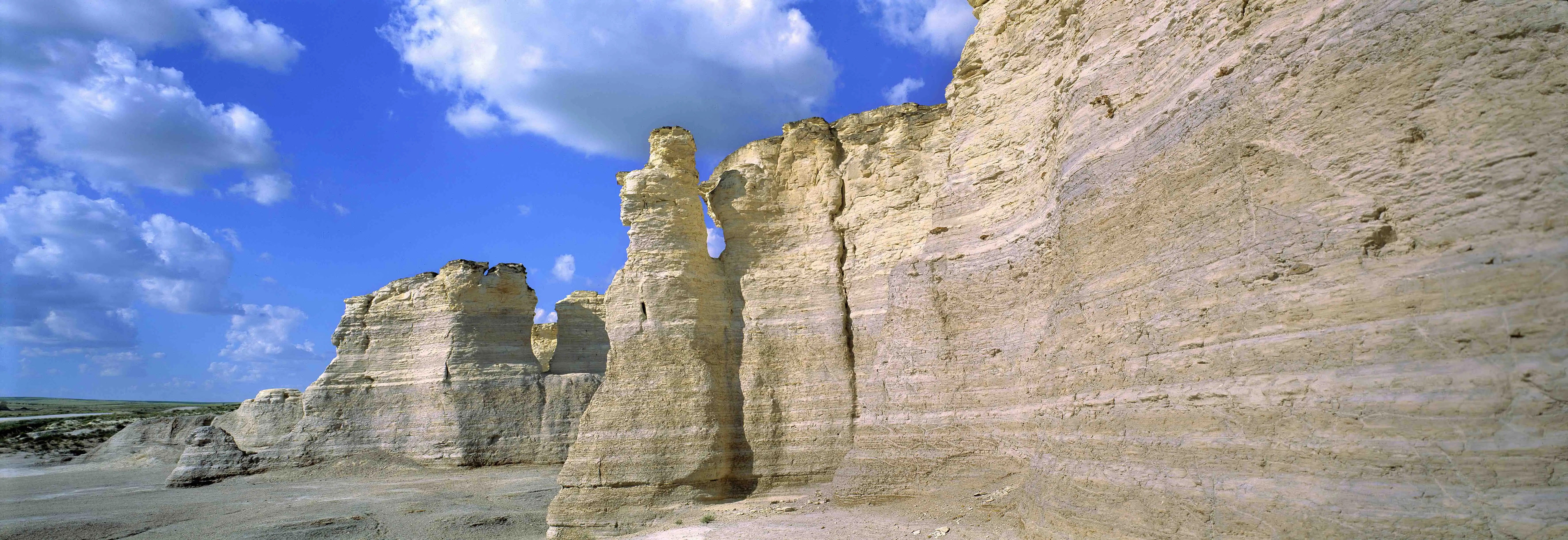
Kansas is frequently misunderstood as entirely flat, yet its topography is surprisingly varied. The state’s elevation rises steadily from the east to the west, transitioning from low-lying woodlands to the high plains.
- The Geographic Center: Located near Lebanon, Kansas, in Smith County, the geographic center of the contiguous United States marks a historic survey point. While modern GPS has refined the exact coordinates, this location remains a significant landmark for travelers and geographers alike.
- Mount Sunflower: Contrary to the belief that the state lacks elevation, its highest point is Mount Sunflower, reaching 4,039 feet above sea level near the Colorado border. This site is part of the Great Plains' gradual rise toward the Rocky Mountains.
- The Arikaree Breaks: Found in the far northwestern corner of the state, these deep canyons and ravines offer a stark contrast to the surrounding flat farmlands, showcasing unique geological erosion patterns not typically associated with Kansas.
Historical Contributions and Legislative Landmarks
The history of Kansas is deeply intertwined with the quest for civil rights and the development of the American education system. Events occurring in the state have had national repercussions that still influence legal and social frameworks in 2026.
Brown v. Board of Education Significance The landmark 1954 Supreme Court case originated in Topeka, Kansas. It fundamentally changed the American educational landscape by ruling that racial segregation in public schools was unconstitutional. Today, the Brown v. Board of Education National Historical Park in Topeka serves as a testament to the state's role in the pursuit of equality.
Beyond civil rights, Kansas served as the epicenter of the "Bleeding Kansas" era, a period of violent political confrontation in the mid-19th century that foreshadowed the American Civil War. This intensity defined the state’s motto, "Ad Astra Per Aspera," meaning "To the stars through difficulties."
Economic Drivers and Industrial Output
By 2026, Kansas has solidified its status as a critical industrial player. The economy is no longer solely dependent on traditional dryland farming; it has diversified into high-tech manufacturing and renewable energy.
| Industry Sector | Primary Contribution | Regional Focus |
|---|---|---|
| Aerospace | Aircraft Manufacturing | Wichita (The Air Capital) |
| Agriculture | Wheat and Sorghum | Western and Central Kansas |
| Renewable Energy | Wind Energy Production | Flint Hills and High Plains |
| Telecommunications | Data Center Infrastructure | Overland Park / Johnson County |
Wichita, often cited as the "Air Capital of the World," remains a global leader in aircraft production. The presence of major manufacturers ensures that the state continues to be an integral part of the international supply chain for aerospace engineering and maintenance, repair, and overhaul (MRO) services.
Agriculture and the Wheat Mythos
Kansas is colloquially known as the "Wheat State," and for good reason. As of the 2026 harvest cycles, the state consistently leads the nation in the production of winter wheat.
- Crop Diversification: While wheat remains dominant, Kansas is also a massive producer of sorghum, corn, and soybeans.
- Sustainable Practices: Modern Kansas farmers are increasingly adopting precision agriculture, utilizing satellite-guided tractors and moisture-sensing irrigation systems to maximize output while conserving the Ogallala Aquifer.
- The Value of Land: The vast majority of Kansas land remains in agricultural use, which shapes the cultural identity of rural communities, focusing on sustainability and the generational transfer of farming operations.
Unique Cultural and Oddity Trivia
Beyond the data and history, Kansas possesses a variety of cultural quirks that attract curiosity seekers and history enthusiasts.
- The World’s Largest Ball of Twine: Located in Cawker City, this object continues to grow as visitors are invited to add their own twine to the massive sphere, a tradition spanning decades.
- The Helium Discovery: The first helium in the United States was discovered at the University of Kansas in 1905, a fact that eventually led to the state becoming a key player in early 20th-century aviation and research.
- Pizza Hut Origins: The first Pizza Hut was opened in Wichita in 1958. It has since grown into a global brand, but the original building has been preserved and relocated to the Wichita State University campus.
Frequently Asked Questions About Kansas
Is Kansas entirely made up of flat farmland? No, Kansas features diverse terrain including the Flint Hills—a tallgrass prairie ecosystem—and the rugged canyons of the Arikaree Breaks. While the western portion of the state is characterized by high plains, it is not a uniform, flat surface.
What is the significance of Wichita in the aerospace industry? Wichita is home to some of the world's largest aviation manufacturing facilities and a massive supply chain network. It has earned the title "Air Capital of the World" due to its historical and current concentration of aircraft design and assembly plants.
How does Kansas rank in wind energy production? Kansas consistently ranks among the top states in the U.S. for wind energy potential and actual generation. The steady, strong winds across the open plains of western and central Kansas make it an ideal environment for large-scale wind farm infrastructure.
What is the climate like in Kansas? Kansas experiences a continental climate with significant seasonal temperature variations. Winters can be cold and dry, while summers are typically hot and humid, creating the perfect conditions for the frequent thunderstorms and tornadoes for which the state is meteorologically famous.
Are there major national parks in Kansas? Kansas is home to the Tallgrass National Preserve, which protects one of the last remaining examples of the tallgrass prairie that once covered much of North America. Additionally, there are several National Historic Sites, including the Brown v. Board of Education site in Topeka.
Expert Recommendations for Visitors
For those planning to explore the state in 2026, focus your itinerary on the blend of history and industry. Start in Wichita for the aviation museums, then travel toward the Flint Hills to witness the remaining native tallgrass prairie. If you are interested in history, the Topeka corridor provides the most comprehensive look at the state’s legal and political milestones. Always monitor regional weather patterns, as the spring season can bring rapid atmospheric changes.
Image Gallery