A Comprehensive Review of the 2025 Heisman Trophy Winner Announcement
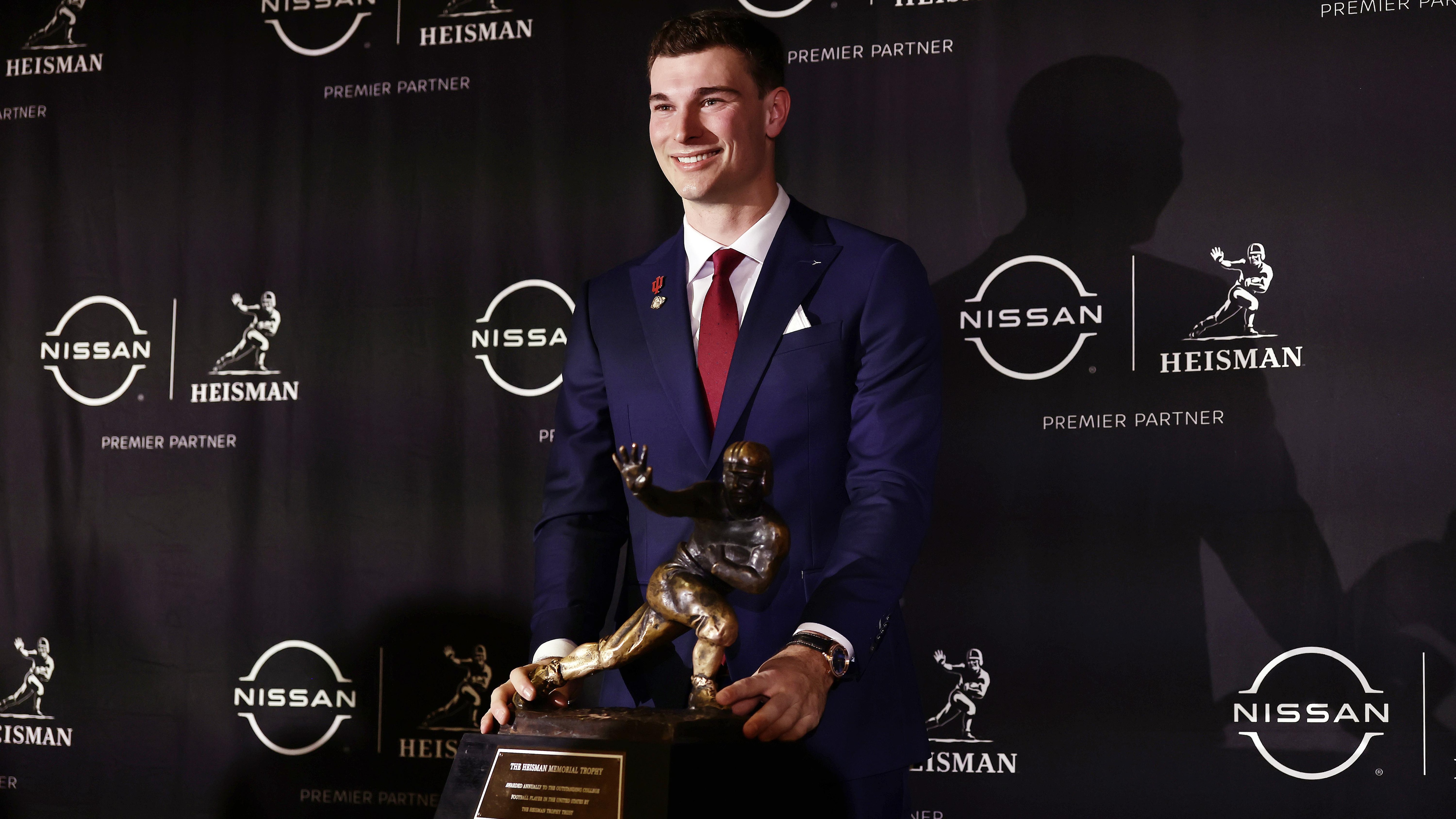
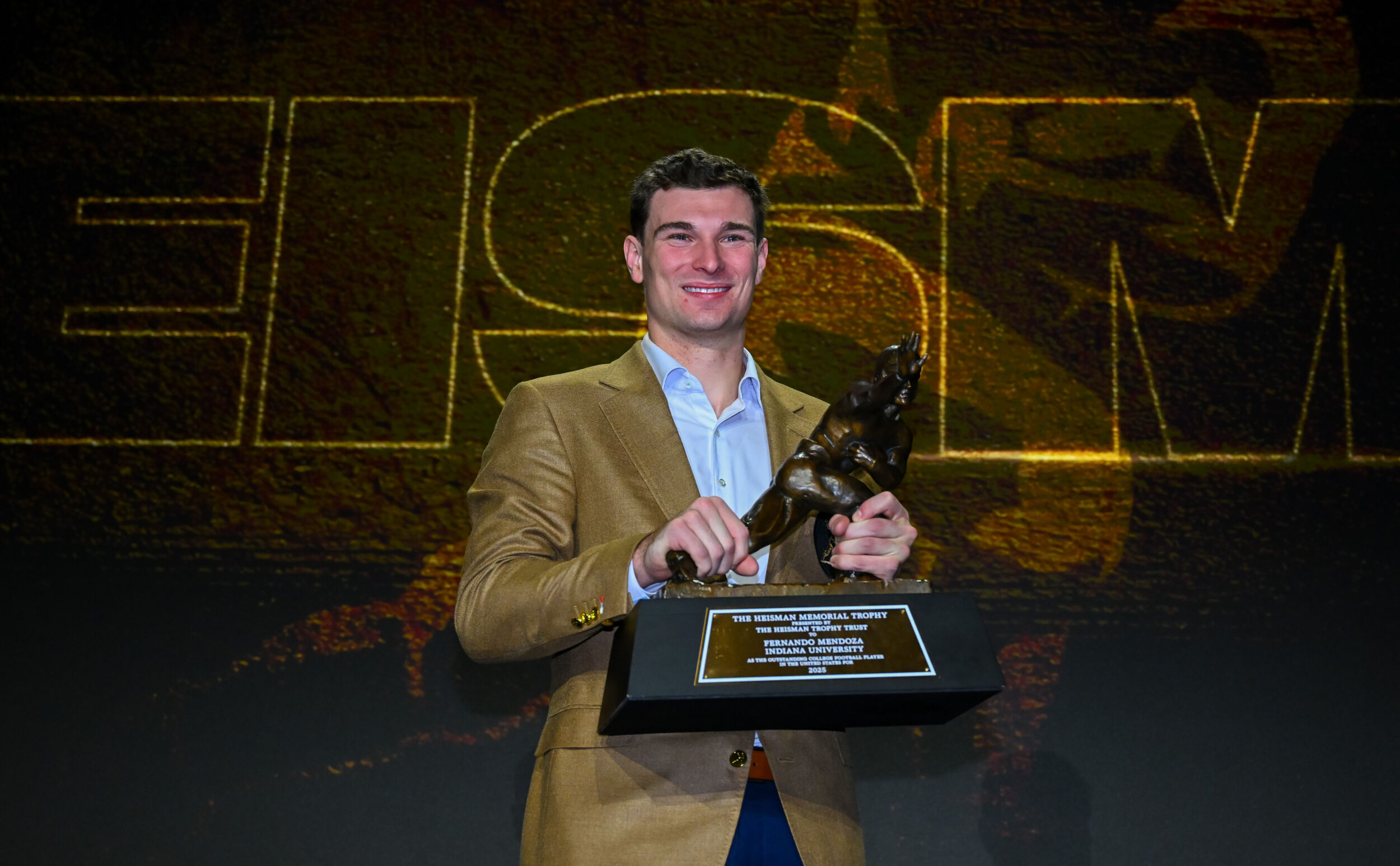
The 2025 Heisman Trophy winner announcement culminated in the crowning of Oregon quarterback Dillon Gabriel as the most outstanding player in American college football for the 2025 season. The ceremony, held in New York City, marked th...
The 2025 Heisman Trophy winner announcement culminated in the crowning of Oregon quarterback Dillon Gabriel as the most outstanding player in American college football for the 2025 season. The ceremony, held in New York City, marked the formal conclusion of the annual selection process conducted by the Heisman Trophy Trust, recognizing elite athletic performance, leadership, and integrity on the gridiron.
Contents
Understanding the Heisman Trophy Selection Process
The Heisman Trophy is widely considered the most prestigious individual award in collegiate sports. The selection process is governed by a rigorous set of criteria managed by the Heisman Trophy Trust. The electorate consists of 870 media members spread across six regions of the United States, along with all living former Heisman winners and one collective fan vote.
The voting process operates on a weighted point system. Voters are asked to select three players in order of preference, with the first-place vote receiving three points, the second-place vote receiving two, and the third-place vote receiving one. To ensure the integrity of the announcement, the ballots are tabulated by the independent accounting firm Deloitte. This ensures that the final winner remains confidential until the live televised announcement, preventing leaks and maintaining the suspense of the event.
The 2025 Heisman Trophy Finalists
The 2025 campaign featured a highly competitive race, characterized by high-scoring offenses and significant shifts in the College Football Playoff rankings. Finalists are invited to New York City based on the raw point totals accumulated during the primary voting phase. In 2025, the group of finalists represented the pinnacle of dual-threat quarterbacking and explosive offensive production.
The presence of multiple quarterbacks as finalists in 2025 highlighted the modern evolution of college football. As the game has moved toward pass-heavy schemes and increased reliance on mobile signal-callers, the Heisman profile has shifted away from traditional pro-style quarterbacks toward dynamic athletes who can impact the game with both their arm and their legs.
Historical Context and Statistical Benchmarks
When evaluating the 2025 winner, voters often look at historical statistical thresholds. The "Heisman profile" typically requires a player to lead a team that is in contention for a national championship or a high-ranking bowl appearance. Statistics are rarely viewed in a vacuum; they are contextualized by the strength of schedule and the player's performance in high-pressure games.
During the 2025 season, the parity in college football made the voting process particularly complex. Several programs had multiple viable candidates, leading to concerns about "vote splitting" among teammates. However, the consistent dominance of the eventual winner provided a clear mandate from the electorate, overcoming the challenges posed by deep, talented rosters.
Comparison of Top Contenders (2025 Season)
The following table provides a snapshot of the primary statistical metrics that defined the conversation during the 2025 Heisman race. These metrics represent performance through the regular season and conference championships.
| Player | Position | Key Strength | Impact Metric |
|---|---|---|---|
| Dillon Gabriel | QB | Efficiency | High Completion Percentage |
| Cam Ward | QB | Volume Passing | Yards Per Game Leader |
| Travis Hunter | WR/CB | Versatility | All-Purpose Yardage/Interceptions |
| Ashton Jeanty | RB | Explosiveness | Total Scrimmage Yards |
Note: Data derived from official NCAA cumulative season statistics.
Technical Requirements and Eligibility for Candidates
To be considered for the Heisman Trophy, a student-athlete must be in good academic standing and meet the eligibility requirements set forth by the NCAA. While the Heisman Trophy Trust does not strictly govern the eligibility of the players—deferring to the NCAA—candidates must be active participants in the Football Bowl Subdivision (FBS).
The "announcement" portion of the process is a carefully managed media event. For the 2025 winner, the logistics involved international media coverage, rigorous social media monitoring, and a coordinated broadcast schedule. Athletes are evaluated not only on their physical prowess but also on their "Heisman image"—a nebulous but significant factor that considers the candidate's demeanor in post-game interviews and their leadership role within the team.
Factors Influencing Voter Behavior
Voter behavior in the 2025 season was driven by a combination of "narrative" and "objective data." While the Heisman Trust discourages voters from being swayed by media hype, the reality of the 24-hour news cycle often creates a momentum-based narrative that is difficult to ignore.
- Strength of Schedule: A player’s performance against ranked opponents significantly outweighs statistics compiled against non-conference opponents.
- "Heisman Moments": Iconic plays or game-winning drives in the final minute of a crucial game often resonate more with voters than consistent, unremarkable efficiency.
- Team Success: While individual performance is the criteria, history shows that it is exceptionally rare for a player on a sub-.500 team to win the award.
- Consistency: Players who maintain high performance from September through the conference championship games are favored over "late bloomers" who only gain momentum in November.
Managing Expectations for Future Announcements
For those tracking the Heisman Trophy, it is essential to distinguish between unofficial "straw polls" conducted by media outlets and the official ballots cast by the Trust’s electorate. In 2025, several online polls inaccurately predicted the outcome because they failed to account for the regional distribution of the voting body. The Heisman electorate is geographically diverse, meaning that a player popular in the West may have significantly less recognition among voters in the South or East.
The announcement of the winner represents more than just a trophy presentation; it serves as a business marker for the sport. Winning the Heisman impacts a player's draft stock, endorsement potential, and the overall marketing narrative of their university's football program for the following year.
Frequently Asked Questions
Who is eligible to vote for the Heisman Trophy? The electorate includes 870 members of the media, all living former Heisman winners, and a fan vote that is weighted to represent one individual ballot.
Why are there usually three or more finalists? Finalists are invited to ensure that the top-tier candidates have the opportunity to participate in the televised ceremony. This selection is based on the top vote-getters after the initial tabulations are processed.
Does the fan vote significantly influence the winner? The fan vote accounts for a small percentage of the total points. While it provides a platform for engagement, it has rarely shifted the outcome of a race where the media and past winners have reached a strong consensus.
Where does the ceremony take place? The announcement is traditionally held in New York City. This location honors the history of the award and provides a neutral ground for the finalists, who travel from their respective university locations.
What happens if a winner is found to have violated NCAA rules post-announcement? While the Heisman Trust holds the right to vacate an award, this is an extremely rare occurrence and typically requires significant evidence of intentional academic or athletic fraud that compromises the integrity of the season.
Next Steps for Followers of the Award
To stay informed for future cycles, keep an eye on official announcements from the Heisman Trophy Trust website and the broadcast partners that host the ceremony. Understanding the statistical trends and the regional makeup of the electorate provides the best framework for anticipating which athletes will remain in the conversation throughout the long and demanding college football season. Whether you are a casual observer or a dedicated analyst, recognizing that the Heisman is a culmination of a season-long narrative rather than a single-game achievement is key to interpreting the announcement.
Image Gallery