Accessing Active 911 Calls in Richmond VA: Official Public Safety Feeds and Monitoring
Monitoring active 911 calls in Richmond, Virginia, requires understanding how the Department of Emergency Communications (DEC) manages and disseminates public safety data. While true real-time raw police dispatch audio is restricted fo...
Monitoring active 911 calls in Richmond, Virginia, requires understanding how the Department of Emergency Communications (DEC) manages and disseminates public safety data. While true real-time raw police dispatch audio is restricted for privacy and tactical security, the city and regional partners provide official, delayed computer-aided dispatch (CAD) logs and public safety mapping tools for transparency.
Contents
Understanding the Richmond Department of Emergency Communications (DEC)
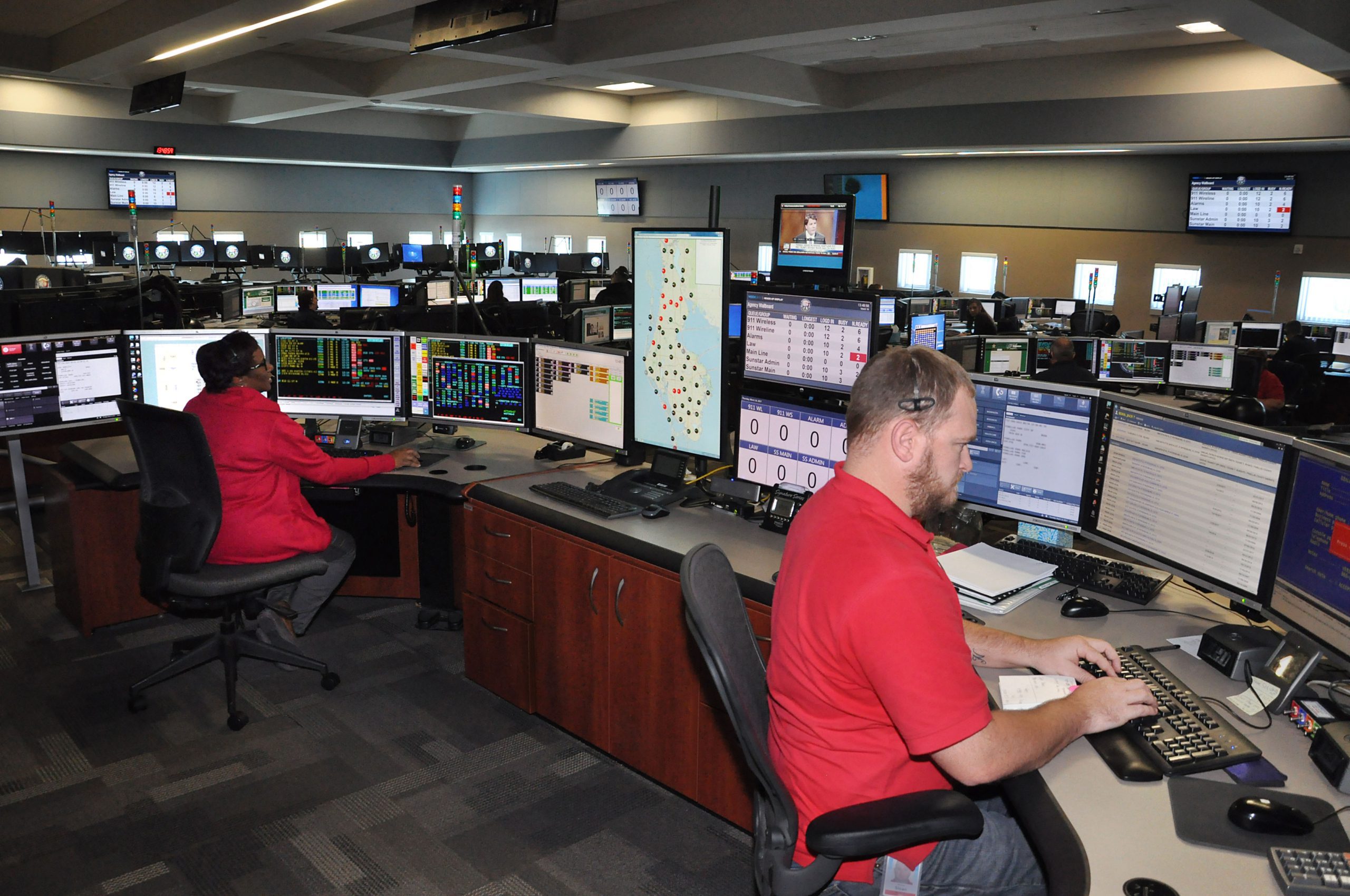
The Richmond Department of Emergency Communications serves as the primary public safety answering point (PSAP) for the city, handling both police, fire, and emergency medical services (EMS) dispatch. Operating 24 hours a day, 365 days a year, the DEC coordinates responses across the City of Richmond, routing critical incidents to appropriate municipal and regional agencies.
Public access to this information is structured carefully to balance community transparency with officer safety, victim privacy, and operational integrity. When citizens search for active 911 calls, they are typically looking for live incident tracking, traffic accident updates, or awareness of major police and fire deployments in their neighborhoods.
Jurisdiction and Partner Agencies
- Richmond Police Department (RPD): Manages law enforcement incidents across all city precincts, from property crimes to major offenses.
- Richmond Fire and Department of Emergency Services (RFES): Handles structural fires, vehicle collisions, hazardous materials incidents, and technical rescues.
- Richmond Ambulance Authority (RAA): Provides advanced life support and emergency medical transport throughout the city.
- Regional Mutual Aid: Coordinates with Henrico County, Chesterfield County, and the Virginia State Police for incidents spanning jurisdictional boundaries.
Official Public Safety Feeds and Active Call Mapping Tools
Directly accessing live police radio traffic has become increasingly difficult as municipal agencies transition to encrypted digital radio systems, such as the P25 trunked radio networks utilized across central Virginia. However, public-facing digital feeds and data logs offer structured insights into active and recent emergency responses.
Active Incident Logs and CAD Dashboards
The most reliable method for tracking emergency responses in Richmond involves utilizing municipal data portals and approved third-party aggregators that pull from public CAD feeds.
- City of Richmond Open Data Portal: Provides historical and near-real-time datasets regarding municipal operations, though raw emergency calls are heavily filtered to protect sensitive personal identifiable information (PII).
- Broadcastify and Public Audio Feeds: Certain non-encrypted operational channels or tactical fire dispatch frequencies remain available via online streaming platforms, though tactical police channels are routinely encrypted for safety.
- PulsePoint Respond: A mobile application connected to participating regional fire and EMS dispatch centers that provides real-time notifications of fire and medical calls, complete with mapping and unit statuses.
Comparing Emergency Monitoring Methods in Richmond
Navigating the various ways to monitor active emergency calls in Richmond, VA, requires weighing speed, accuracy, legality, and technical depth. The following comparison breaks down the primary options available to residents, journalists, and researchers.
| Monitoring Method | Data Latency | Content Detail | Technical Requirement | Official / Legal Status |
|---|---|---|---|---|
| PulsePoint App | Near Real-Time (1-3 min) | Fire and EMS incident types, locations, and unit assignments | Smartphone with internet connection | Officially integrated with participating dispatch centers |
| Official CAD Logs | Delayed (15-60 min) | Basic incident type, block-level address, timestamp | Web browser / Data portal access | Fully authorized public record data |
| Public Radio Scanners | Live to 5-minute delay | Audio dispatch traffic, unit call signs | Hardware scanner or streaming app | Legal to listen, subject to local device laws |
| Encrypted Digital Systems | Completely Blocked | None for encrypted tactical channels | Specialized cryptographic keys (Restricted) | Restricted to authorized public safety personnel only |
Step-by-Step Guide to Checking Local Incidents Safely
For residents attempting to verify a heavy police presence, road closure, or fire in their neighborhood, following a structured workflow ensures accurate information without relying on unverified social media rumors.
- Check Regional Fire and EMS Status: Open the PulsePoint application or website to see if the active incident involves a medical emergency, rescue, or structure fire within the Richmond city limits.
- Review Municipal Traffic and Transit Feeds: Check Virginia Department of Transportation (VDOT) 511 feeds or local traffic management accounts for major highway accidents or emergency road closures.
- Consult Local News Media Outlets: Established Richmond newsrooms maintain direct relationships with public information officers (PIOs) at RPD and RFES for verified breaking news reporting.
- Monitor Official Social Media Channels: Look to verified X (formerly Twitter) accounts or Facebook pages managed by the Richmond Police Department (@RichmondPolice) for critical public safety alerts and shelter-in-place notices.
- Avoid Unverified Scanner Pages: Exercise caution with unmoderated community social media groups that often spread unconfirmed, exaggerated, or legally sensitive rumors regarding active police scenes.
Technical Realities of Police Radio Encryption in Richmond
The shift toward encrypted communications is a nationwide trend driven by the need to protect sensitive data, juvenile identities, medical histories, and tactical positioning from criminal exploitation. In Richmond and the surrounding metro area, digital trunked radio systems utilize advanced encryption standards (AES).
When a channel is encrypted:
- Standard analog or digital radio scanners cannot decode the audio stream into intelligible speech.
- Third-party smartphone apps cannot rebroadcast live tactical police operations.
- Public safety agencies retain the ability to share necessary operational details via secure mobile data terminals (MDTs) inside patrol vehicles rather than voice channels.
Consequently, citizens seeking information must rely on post-dispatch summaries, public information officers, and automated CAD data rather than live tactical eavesdropping.
Frequently Asked Questions About Richmond 911 Dispatches
Can I listen to Richmond Police scanner feeds live online?
Most primary tactical and dispatch channels for the Richmond Police Department are encrypted for privacy and security. While some fire and EMS channels or secondary mutual aid frequencies may remain unencrypted on streaming platforms, live police radio monitoring is largely unavailable.
Why is there a delay on public emergency incident logs?
Public safety agencies intentionally introduce a safety buffer into automated incident logs. This delay ensures that tactical units have cleared or stabilized volatile scenes before location data is broadcast to the general public, protecting both first responders and victims.
How do I report a non-emergency issue in Richmond instead of calling 911?
For non-emergency situations such as property damage with no suspect present, noise complaints, or parking violations, residents should call the Richmond Police non-emergency line at (804) 646-5100 rather than tying up emergency 911 dispatchers.
Does PulsePoint show police calls in Richmond?
No, PulsePoint focuses exclusively on fire, rescue, and emergency medical services (EMS) incidents dispatched by participating agencies. Law enforcement operations are intentionally excluded from the PulsePoint platform for privacy and tactical safety.
What information is legally restricted on public CAD feeds?
To comply with state and federal privacy laws, public-facing incident logs redact names of victims, juvenile involvement, specific medical diagnostic details, and exact house numbers, usually displaying incidents by block-level approximations.
Staying Informed on Community Safety
Remaining safely and accurately informed about emergency activity in Richmond requires utilizing official municipal tools, verified media reporting, and authorized public safety applications. By understanding the operational limits of CAD logs and radio encryption, residents can effectively navigate local news while supporting the privacy and security of frontline emergency personnel. For urgent public safety inquiries or to report a crime in progress, always dial 911 immediately.
Image Gallery